Ideas, opinions, politics, humanities
-
The comedian who became a politician: Bill Maher and the limits of mainstream satire
For more than three decades, Bill Maher has cultivated a brand built on the promise of fearless, contrarian truth-telling. From Politically Incorrect to Real Time, he has positioned himself as the comedian who says what others won’t, a self-styled rebel beholden to no party or ideology. But a closer examination of his career reveals a…
-
Xi Jinping made himself lifelong ruler. What about China without him?
Xi Jinping has worked relentlessly to make himself difficult to challenge. He has concentrated authority, crushed dissent, and weakened the conventions that once made leadership changes more predictable. Yet securing his own position has created another problem: what happens to China when the man at the center of everything is no longer there? Xi has…
-
If your religion needs blasphemy laws, how strong is your God?
God created the universe. He knows every thought, commands eternity, and will judge the living and the dead. Yet apparently, he also needs the authorities to deal with someone who insulted him. That is a strange arrangement for an all-powerful being. Believers may describe a deity beyond human comprehension, but demands for blasphemy laws suggest…
-

East and West Germans: The history behind a cultural divide
Germany reunited in 1990, but a shared constitution did not erase different experiences of religion, work, authority, and belonging. Those differences still appear in family life, regional identities, and election results. Yet their history reaches further back than the Berlin Wall. In the 2025 federal election, the Alternative for Germany, or AfD, won 38.6% of…
-
Did Jesus exist? Methods and bias
Whether Jesus of Nazareth existed often looks like a simple question with a simple answer. Christians may see his existence as self-evident. Some atheists point to the lack of contemporary documentation and conclude that people invented him. Most specialists take a different position. They think a Jewish preacher probably stood behind Christianity. At the same…
-
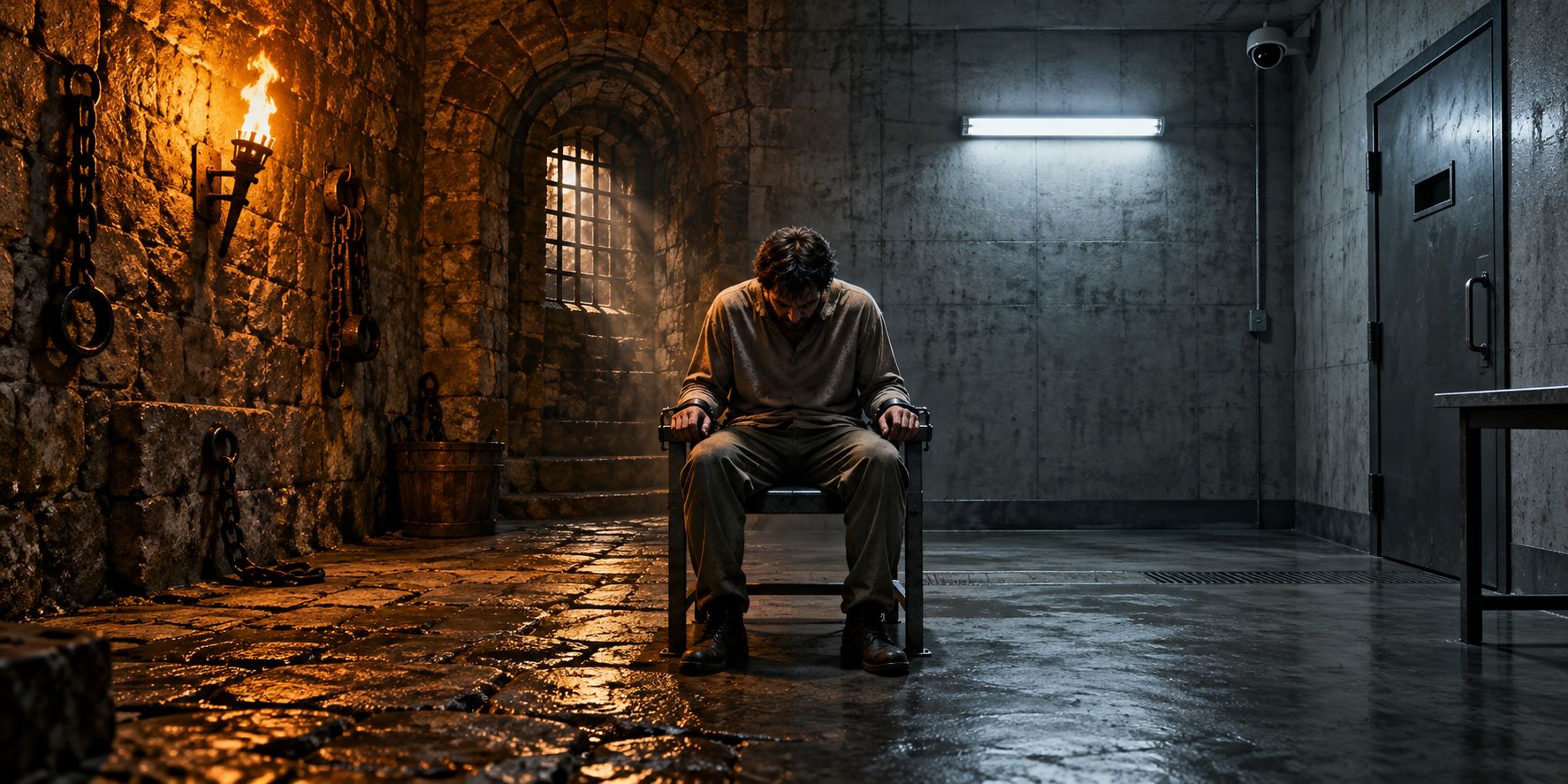
Are we torturing more people than ever before?
Electric shocks, rape, simulated drowning, mock executions and beatings. We associate torture with medieval dungeons and brutal dictatorships, yet it remains part of the modern world. Scientific progress has given humanity extraordinary powers without ensuring that those who exercise power treat others humanely. Could more people be suffering torture today than at any previous point…
-

Music labels oppose AI, but they have to accept it
Major music companies have found a way to accommodate artificial intelligence: make it part of their business. The technology can threaten their catalogs, compete for listeners, and weaken their negotiating position. However, it can also generate licensing fees, subscriptions, and new products built around those same catalogs. That tension explains more than a simple story…
-
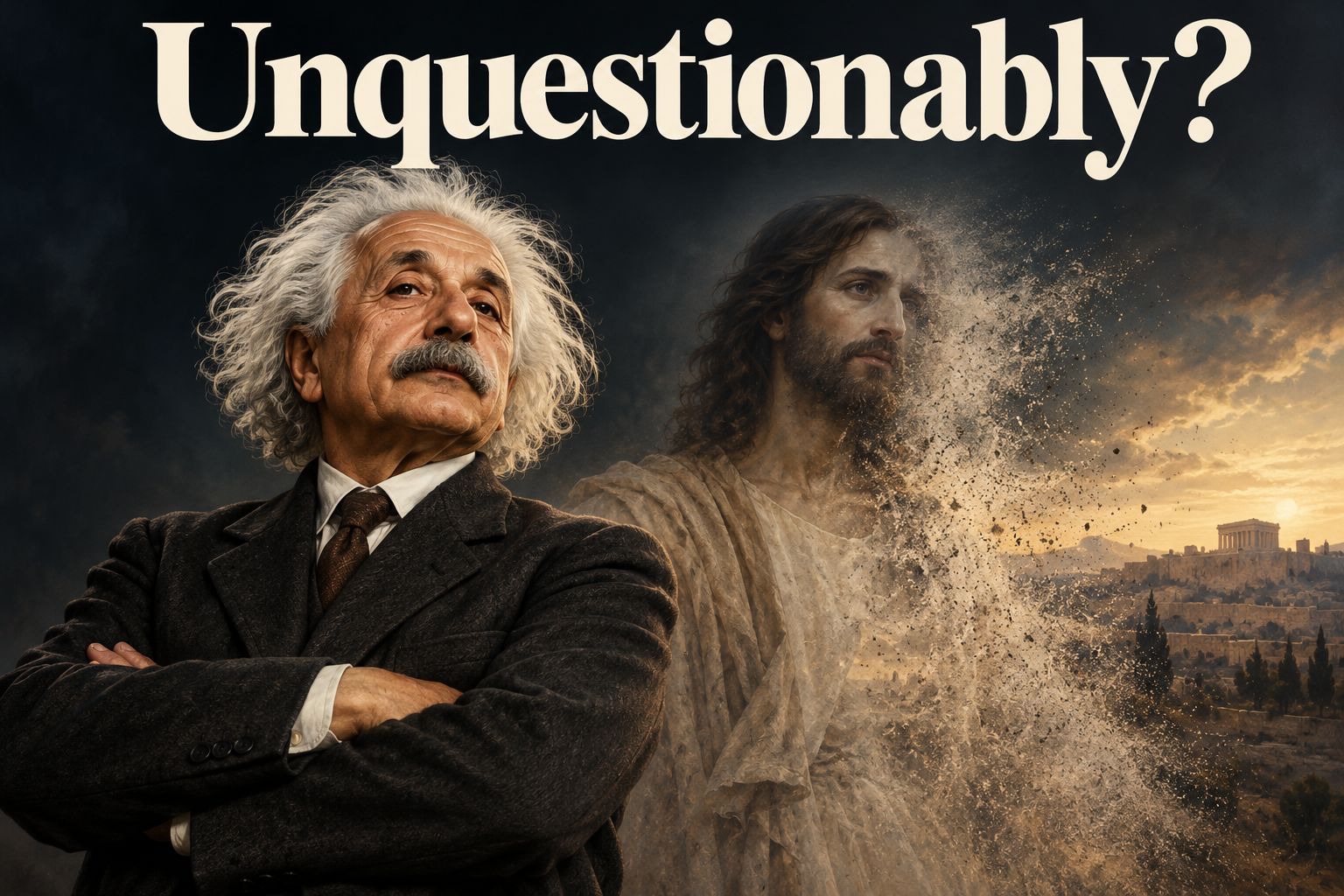
Einstein’s belief in Jesus? “Unquestionably” Actually, questionably
Albert Einstein accepted the historical existence of Jesus. When interviewer George Sylvester Viereck asked him directly in 1929, Einstein answered: “Unquestionably.” Coming from one of history’s most celebrated scientists, that single word carries enormous rhetorical weight. However, a famous name cannot turn a complicated historical judgment into an unquestionable fact. Most biblical scholars agree that…
-
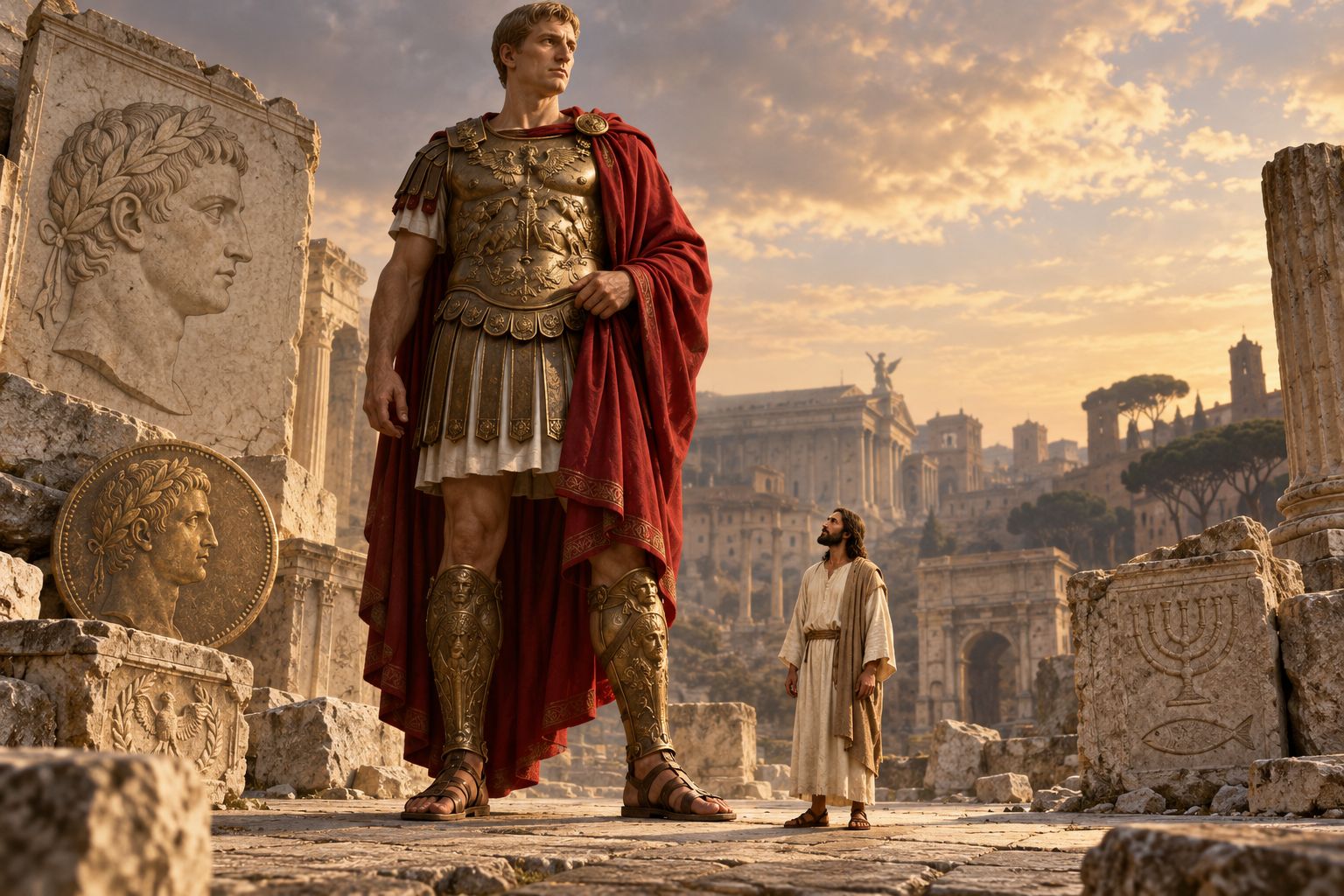
Jesus and Augustus: Very little evidence vs. overwhelming evidence
Augustus left coins, inscriptions, monuments, and portraits made during his lifetime. His contemporaries discussed his actions and corresponded with him. Jesus left a much narrower historical record, largely preserved in religious writings and later references. Both belong to the ancient world. Yet the evidence for their existence differs enormously in quantity, variety, and proximity to…
-
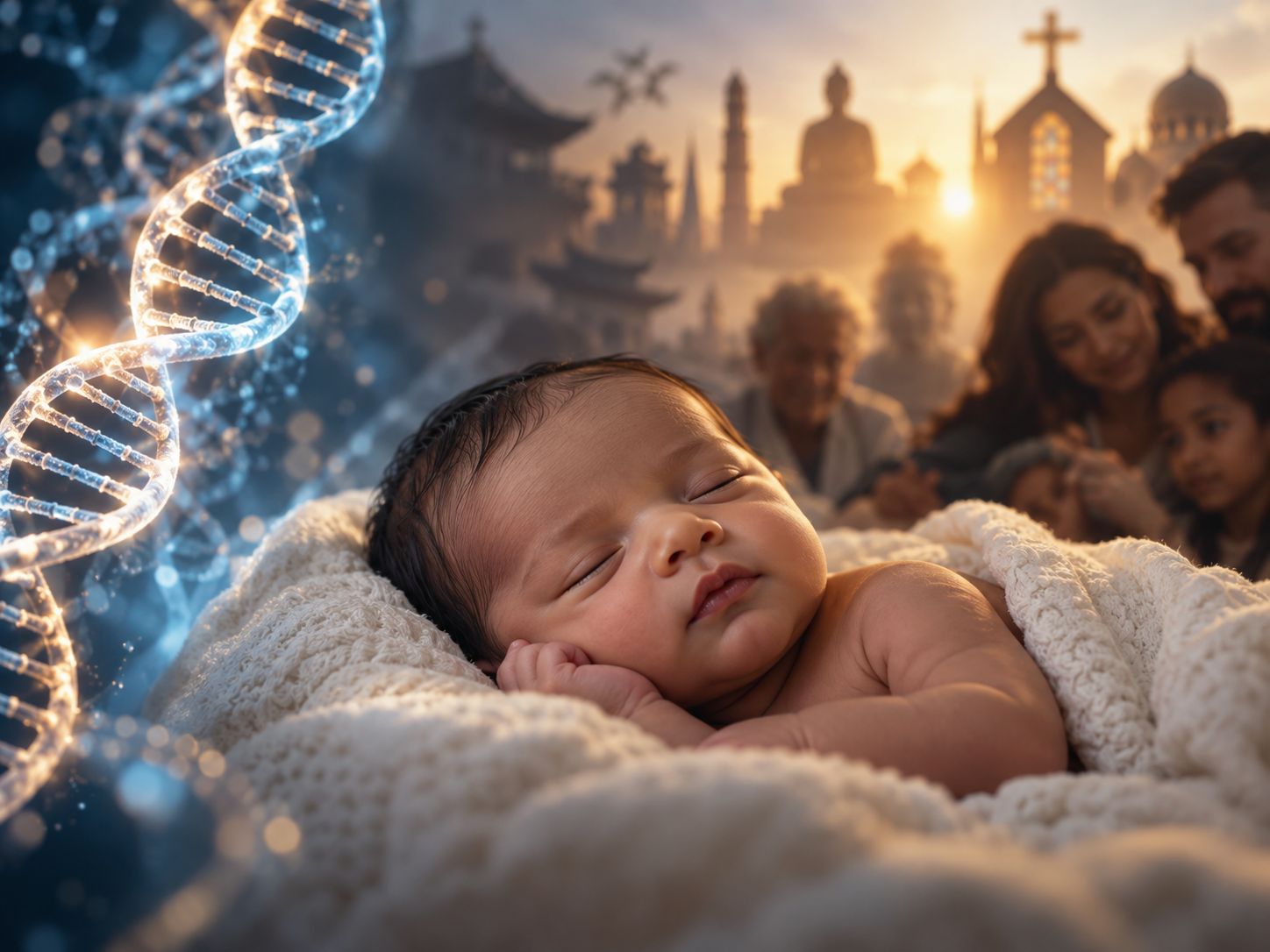
The biology and environment behind religiosity
Why do some people become deeply religious while others remain indifferent or reject religion altogether? The obvious answer is upbringing. A child born into a Catholic family in Poland is much more likely to become Catholic than a child born into a Muslim family in Saudi Arabia or a Hindu family in India. Yet research…