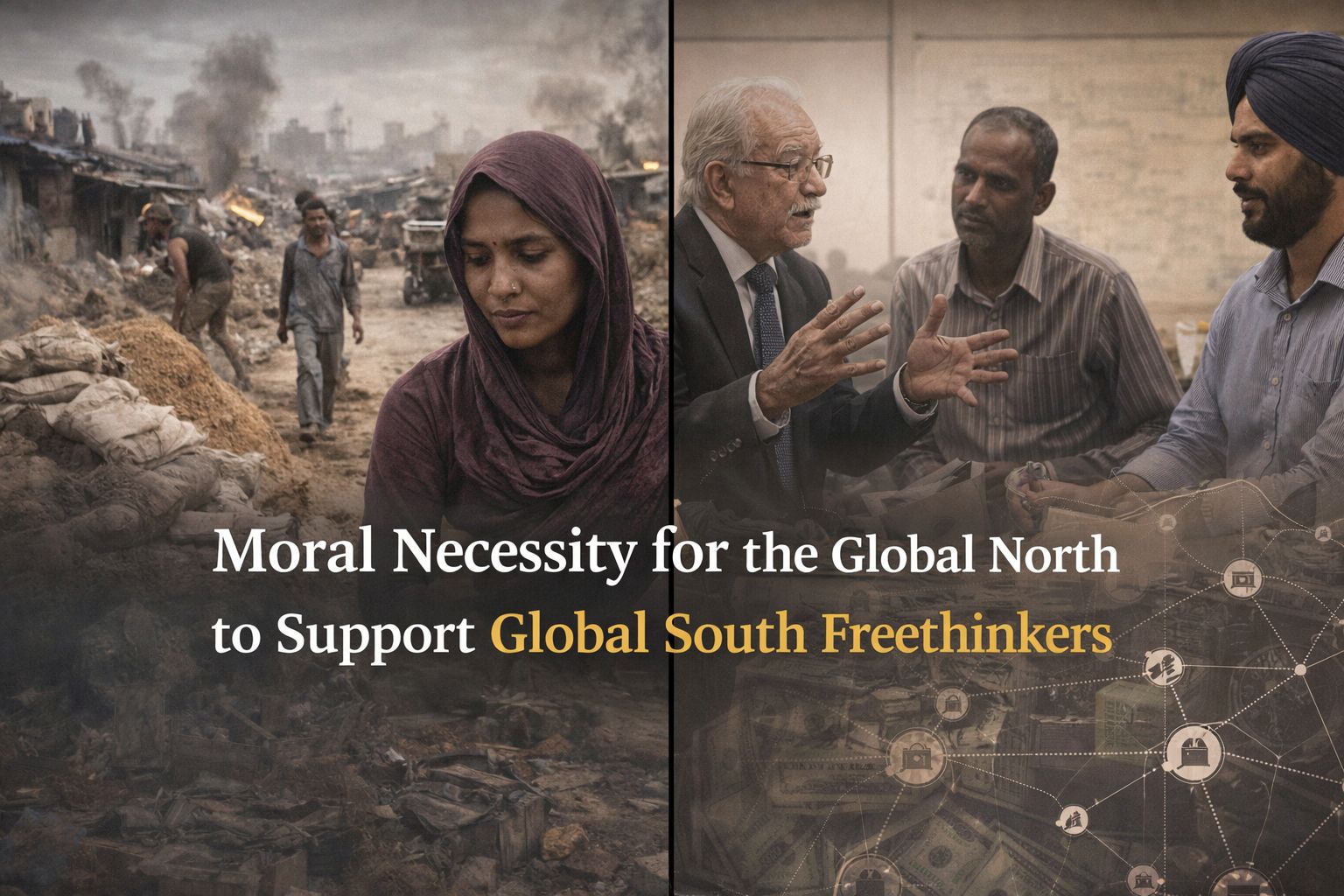
At first glance, people hear simple statements. They hear that some countries do not like the Western financial system. However, this means almost nothing to an unaware reader. It sounds vague. It sounds ideological. Therefore, the real task begins here. One must explain what this system actually is and why it matters so deeply.
What the Western financial system really is
The phrase hides complexity. It is not just about banks. It is about a network. Big Banks do not operate in isolation. They are interconnected through shares; they share board members and secret agreements. And they align incentives. They coordinate strategies, sometimes openly and sometimes indirectly. Therefore, what appears as competition often functions as a structured ecosystem of concentrated power. Consequently, influence does not disperse evenly. It accumulates.
The dollar as a mechanism of dependence
At the same time, another layer dominates the system. The US dollar functions as the global currency. Therefore, countries in the Global South must sell their resources in dollars. They must buy imports in dollars. They must hold reserves in dollars. Consequently, their economies depend on a currency they do not control. This creates a structural asymmetry. They participate in a system where the core monetary decisions happen elsewhere.
How this slows development
This structure does not remain abstract. It shapes real outcomes. Currency dependence increases vulnerability. External monetary shifts affect domestic stability. Debt becomes more difficult to manage. Investment flows follow priorities set outside these countries. Therefore, development slows down. Economic independence becomes difficult to achieve. Consequently, frustration begins to grow across societies that cannot fully control their own trajectory.
Social consequences: Religion and tension
However, the effects do not stop at economics. When development stagnates, societies respond. Religious identity often strengthens. Political tensions increase. Groups search for certainty. Therefore, ideological rigidity rises. In some cases, extremist movements gain influence. Consequently, instability emerges not as an accident, but as a predictable reaction to structural pressure.
The educational gap and Its effects
At the same time, education suffers. Limited economic capacity reduces investment in education. Access to high-quality learning remains uneven. Critical thinking does not spread uniformly. Therefore, populations become more vulnerable to propaganda. They become more susceptible to rigid belief systems. Consequently, cycles of underdevelopment reinforce themselves over time.
Why Freethinkers matter
This is where freethinkers become essential. Freethinkers challenge dogma. They promote rational thinking. They question authority and inherited beliefs. Therefore, they introduce intellectual resistance against extremism. They create space for dialogue. They support the development of more open societies. However, they often operate under pressure. Social backlash, political constraints, and even personal risk limit their ability to act freely.
The moral responsibility of the Global North
At this point, the argument becomes unavoidable. The Global North benefits from the current system. It holds structural advantages. It shapes financial flows. Therefore, responsibility follows. Supporting freethinkers in the Global South is not charity. It is a moral necessity; it addresses the consequences of a system that extends beyond borders. And it helps reduce instability. It supports education. It strengthens societies from within.
Why ignoring this is dangerous
If the Global North ignores this responsibility, the consequences do not remain local. Instability spreads. Extremism grows. Social tensions intensify. Migration pressures increase. Therefore, inaction is not neutral. It produces global effects. Consequently, ignoring the problem does not preserve stability. It undermines it.
The role of Freethinkers International
Within this context, Freethinkers International plays a clear role. It supports individuals in difficult environments. And it promotes critical thinking where it is most needed. It provides a platform for voices that would otherwise remain unheard. Therefore, it operates not only as an intellectual initiative, but also as a stabilizing force. It connects moral responsibility with practical action.
Conclusion: From awareness to responsibility
In the end, this issue goes beyond abstract debate. It is about understanding how systems shape outcomes. The financial structure contributes to global inequality. That inequality fuels instability. Therefore, supporting freethinkers becomes part of a broader response. It is not symbolic. It is necessary.
Leave a Reply