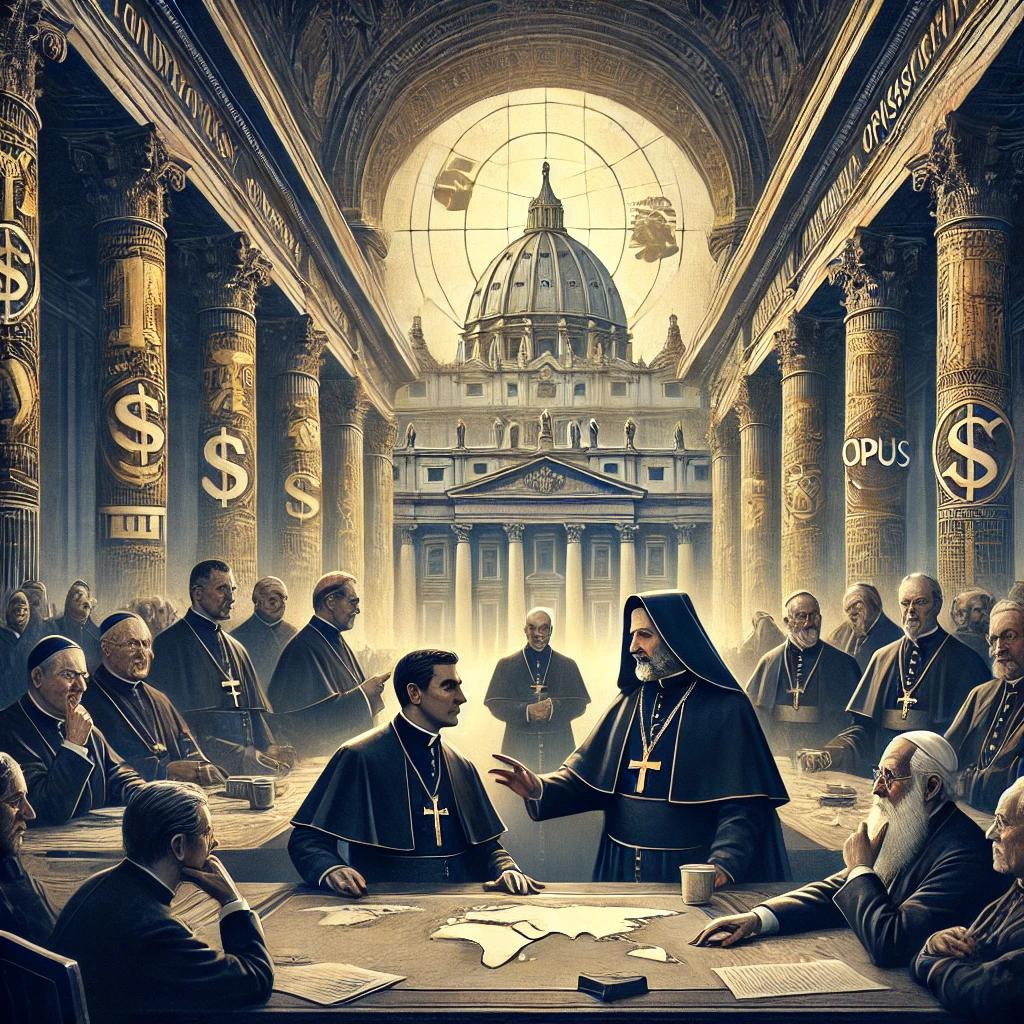
Religious orders like the Jesuits, Opus Dei, and the Knights of Malta hold real power. They run elite schools, manage vast finances, and influence governments. Their networks reach politicians, business leaders, and intellectuals. However, the conspiracy theories surrounding them often distort reality. Many claims about secret governments, assassinations, and financial empires exaggerate their influence. While these groups shape global affairs, they do so through diplomacy, education, and lobbying, not absolute control.
The Jesuits: Educators, diplomats, and power brokers
The Jesuits command significant power. They run prestigious universities, including Georgetown, Fordham, and Loyola. These institutions educate future leaders in politics, law, and business. Jesuits have shaped intellectual discourse for centuries. They advise popes, engage in diplomatic missions, and influence Catholic policy worldwide.
The Jesuit Superior General, often called the Black Pope, holds authority over the order. However, he does not control the Vatican. Popes take advice from multiple Catholic factions, not just the Jesuits. The idea that Jesuits run a global shadow government remains a myth. While some Jesuit scholars have defended left-wing movements, others lean conservative. The order has no unified political stance. It operates as a religious and intellectual force, not a secret ruling elite.
Jesuits also manage vast financial assets, mainly through their universities and missions. They receive donations from Catholic elites and major institutions. Many Jesuit schools and organizations depend on outside funding.
The Knights of Malta: Diplomats with global influence
The Sovereign Military Order of Malta holds diplomatic status. It maintains relations with over 100 countries. Unlike most religious orders, it operates as a sovereign entity, issuing passports and engaging in international affairs. The Knights of Malta play a key role in humanitarian missions. Their hospitals and charities provide medical aid worldwide.
Wealthy elites and aristocrats often join the order. Many members hold positions in government, business, and intelligence agencies. However, this does not mean the Knights control global politics.
The idea that it orchestrates wars or financial crises lacks evidence. The order does hold significant wealth, but its assets come from donations, investments, and properties, not secret banking networks.
Opus Dei: Conservative, wealthy, and controversial
Opus Dei wields enormous influence. It promotes conservative Catholic values and has close ties to politicians and business leaders. Members occupy key positions in European and Latin American governments. The organization runs elite schools and universities, attracting wealthy and powerful figures.
Opus Dei requires strict religious discipline. Members adhere to rigorous spiritual practices, including self-mortification. This secrecy has fueled myths about it being a cult. However, it operates within the Catholic Church, following established structures. Critics argue that it wields too much political influence. Supporters claim it simply promotes Catholic teachings.
The order does not secretly control the Vatican. Popes have relied on various Catholic factions, not just Opus Dei. While it does push for conservative policies, it does so through lobbying and influence, not hidden control. Opus Dei manages considerable financial resources. Its schools and institutions generate revenue. However, it does not run a global financial empire. The organization depends on donations and private funding, not secret banking networks.
Religious orders and global banking
Religious institutions control vast wealth. The Vatican owns properties, businesses, and investments worldwide. The Institute for the Works of Religion, commonly called the Vatican Bank, manages much of this wealth. Religious orders, including the Jesuits, Opus Dei, and the Knights of Malta, access global banking networks. They invest in real estate, stocks, and education. These assets give them financial strength.
Despite their anti-Western rhetoric, religious fundamentalist regimes benefit from Western financial systems. Money from interconnected global banks does not bother them. Many religious leaders invest in Western economies while condemning Western culture. The Vatican itself uses banking systems worldwide. However, the idea that these religious orders control the global financial system remains fiction. They hold wealth and influence, but super-rich families, Big Banks and multinational corporations dominate modern finance.
The Vatican’s political role
The Vatican operates as a powerful microstate. It influences geopolitics through diplomacy and religious authority. It mediates conflicts, shapes policy discussions, and exerts cultural influence. Vatican-backed groups have played roles in political movements, supporting Catholic leaders and opposing secular policies. However, the Vatican does not control world governments. It lobbies for its interests, much like other political or religious institutions.
Popes take positions on global issues, but their influence varies. Some politicians align closely with Vatican policies, while others ignore them. Religious orders amplify Vatican influence, but they do not dictate global events. Their power lies in education, networking, and diplomacy, not secret control.
Religious fundamentalism and global politics
Religious fundamentalist groups act as state and non-state actors in conflicts worldwide. Boko Haram, Al-Qaeda, ISIS, and Christian militias in Africa demonstrate how fundamentalism fuels instability. Hindu nationalism in India also blends religious identity with political power. The Vatican plays a different role. It pushes Catholic values in global politics, influencing debates on issues like abortion and LGBTQ+ rights. While its power remains significant, it does not operate as a covert world government.
The role of AI and technology in combating religious fundamentalism
Artificial intelligence presents new challenges for religious orders. AI can debunk religious misinformation, exposing contradictions in fundamentalist narratives. Fact-checking algorithms counter propaganda. AI-driven education promotes secular moral frameworks. However, religious institutions resist these developments. Some countries censor AI tools that challenge religious beliefs. Others regulate AI to ensure it aligns with theological doctrines.
Religious orders also recognize AI’s potential. Some groups use AI for evangelism, creating digital religious content. Others train AI to filter religious texts, shaping interpretations. The battle between secular AI and religious influence continues.
Resistance to religious influence
Secular movements push back against religious control. Constitutional protections, grassroots activism, and education play key roles. Countries like France enforce strict secular policies, limiting religious interference. In Iran, women’s protests challenge religious oppression. Social media exposes religious extremism, but governments censor content to maintain control.
The separation of church and state remains a critical issue. Some nations uphold this principle, while others erode it. Religious lobbying continues to shape policies, influencing laws on education, healthcare, and civil rights. The fight between secularism and religious influence remains ongoing.
The cycle of religious power
Religious orders maintain power through education, wealth, and networking. They evolve, adapting to political shifts. Economic crises, wars, and cultural changes often strengthen religious influence. When secularism rises, religious institutions push back. This cycle has repeated for centuries. No single moment has permanently ended religious influence. Institutions rise and fall, but their presence in global affairs remains constant.
Conclusion
Jesuits, Opus Dei, and the Knights of Malta wield real influence. They control educational institutions, manage financial resources, and shape political debates. However, conspiracy theories exaggerate their power. They do not secretly run world governments or control global finance. Their strength lies in networking, lobbying, and cultural impact. Religious orders adapt to modern challenges, using diplomacy and education to maintain relevance. While secularism counters religious influence, the cycle continues. Religious institutions shape societies, and their power remains embedded in global affairs.
Leave a Reply