Category: Articles
-
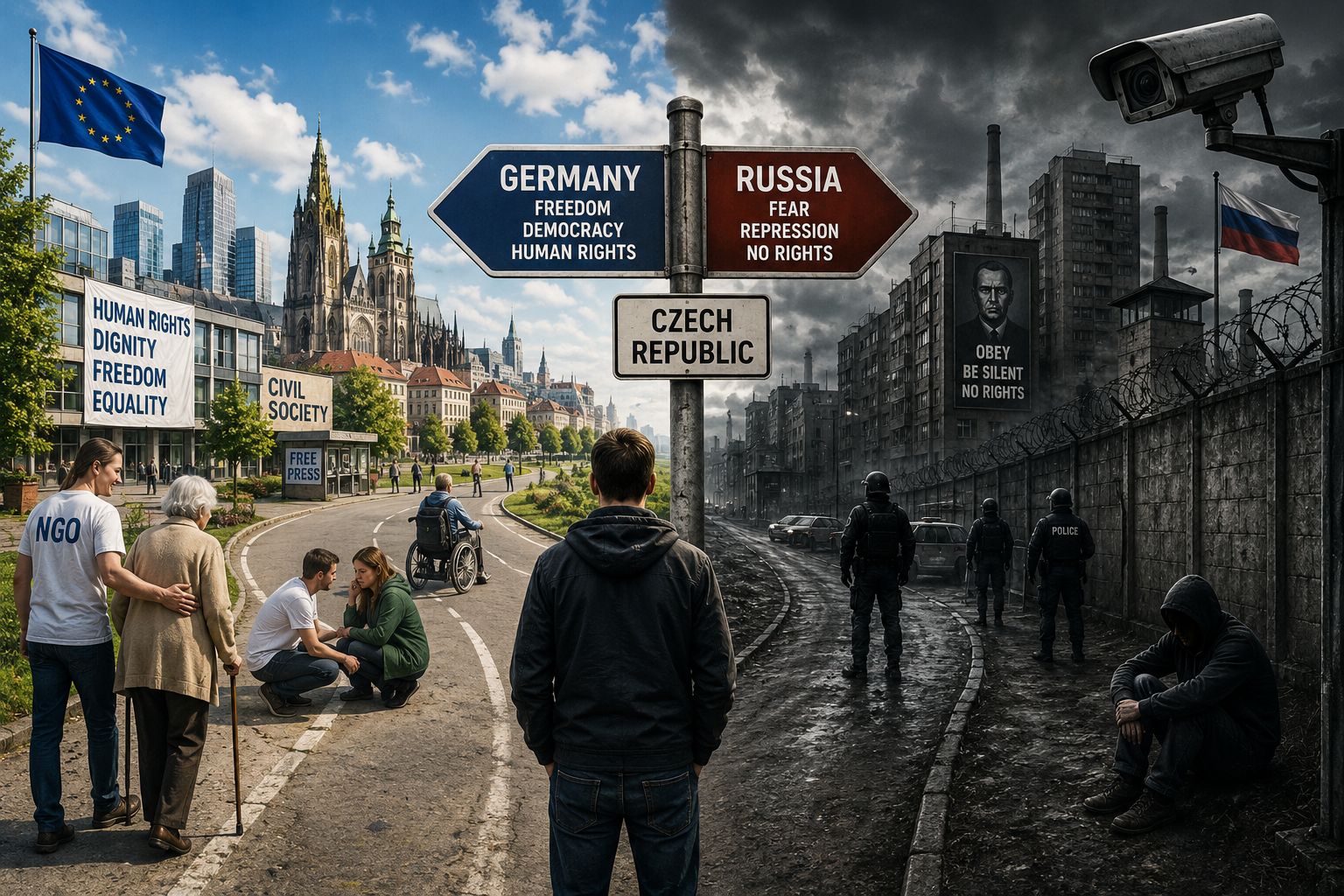
We hate human rights and NGOs? Go and live in Russia or China
People in my country increasingly hate NGOs. They applaud every budget cut, every political attack, and every resignation of an NGO leader. They want the government to stop funding civil society and redirect every available crown to sports. That sounds attractive until someone asks a simple question: who will help the people whom the state…
-
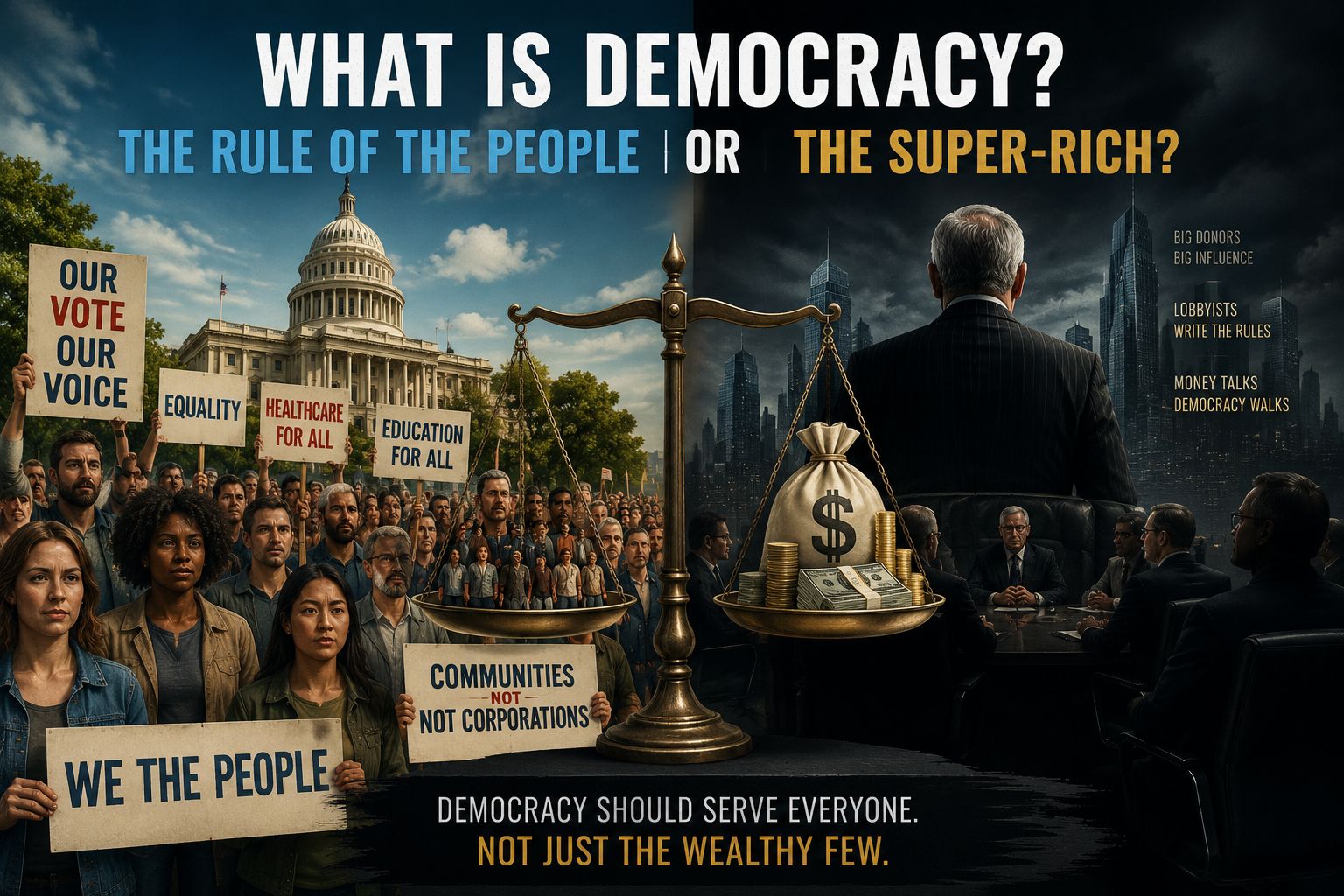
What is democracy? The rule of the people or the super-rich?
“Democracy is a system of government where power is vested in the people, who exercise it either directly through referendums or indirectly through elected representatives.” This is what Wikipedia says. During my formal studies, I was told there are lobbyists influencing politicians. And this process can be honest or truly dishonest (influencing for the benefit…
-
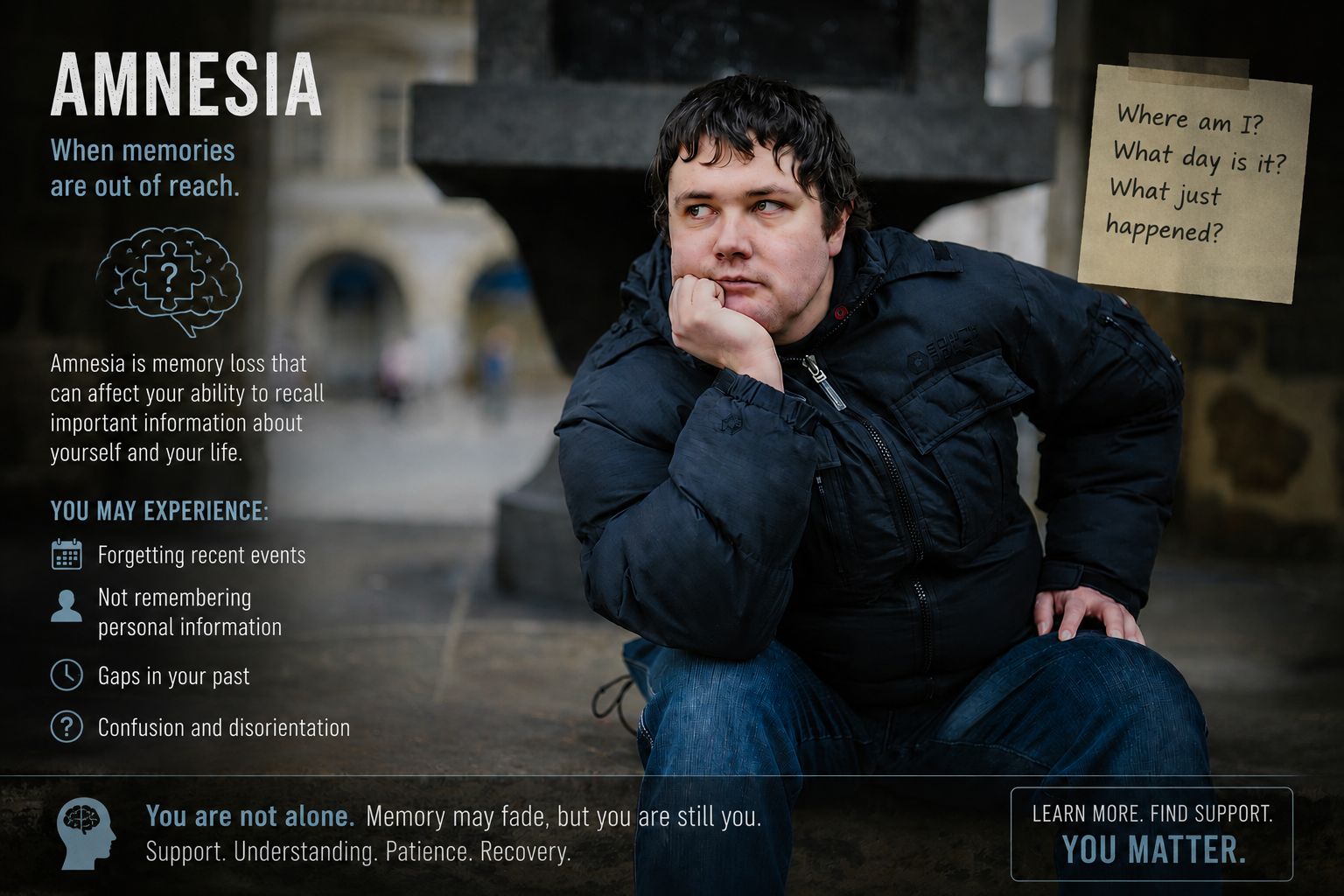
When a freethinker has amnesia and is close to death
I always thought I was lucky that I don’t live in a third-world country where all of the human rights are broken. No torture, no persecution, no prospect of imminent death. Well, I was wrong and should actually inspect how horrible psychiatric care is in my country, and of course, if I am able, to…
-
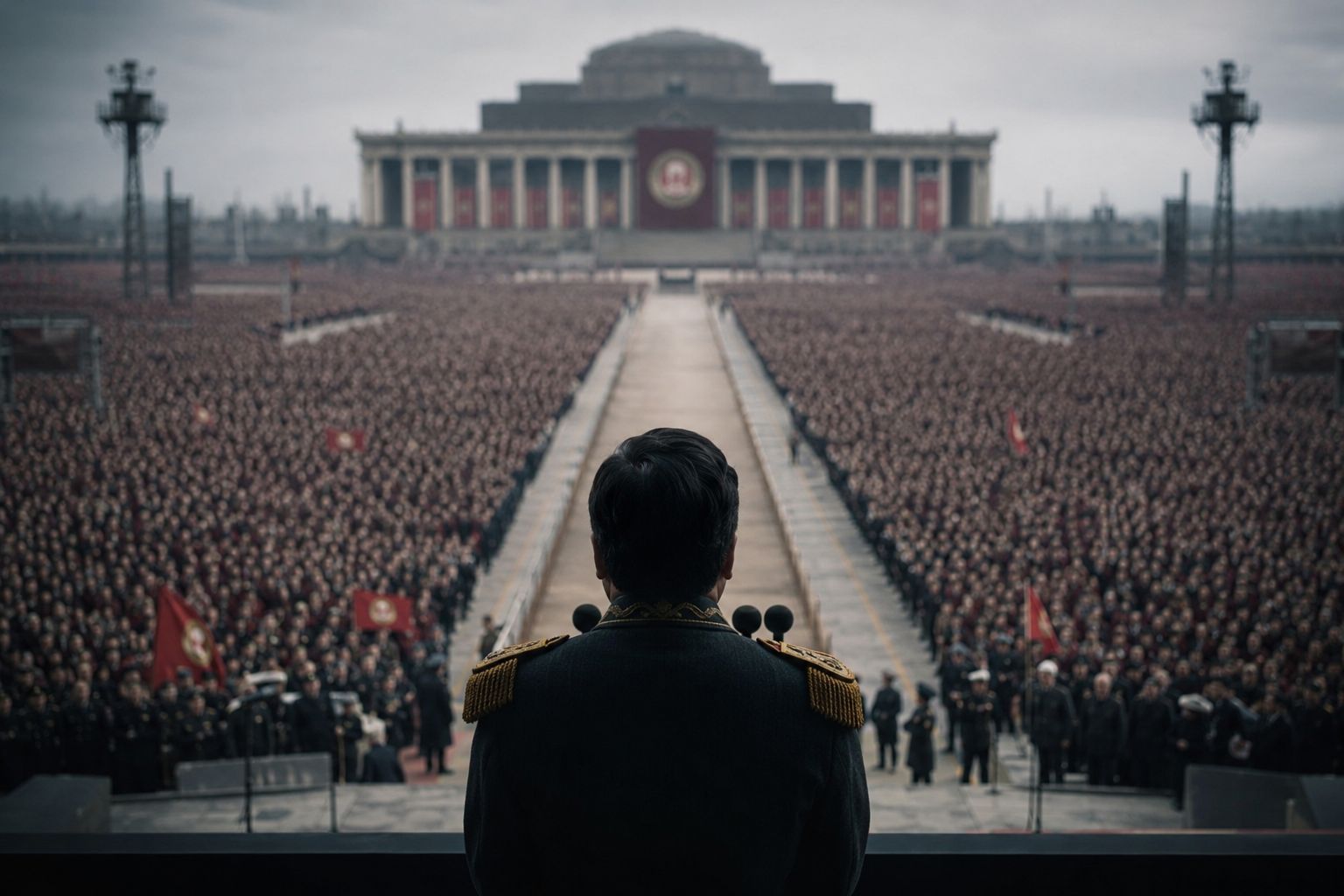
The secret psychology of dictators
Dictators do not emerge randomly. They emerge from deep psychological mechanisms rooted inside human evolution, fear, hierarchy, social instability, tribalism, domination, and mass psychology. At first glance, dictators appear inhuman. People often imagine them as monsters born fundamentally different from ordinary individuals. However, reality looks far more disturbing. Many psychological traits visible in dictators exist…
-

Why revolutions always end in corruption
Revolutions begin with moral outrage. People rise because they believe society has become intolerably unjust. They see corruption, inequality, oligarchic control, repression, poverty, censorship, police brutality, foreign domination, or complete institutional decay. Consequently, revolutionary movements emerge with enormous emotional energy. At first, revolutions appear morally pure. Crowds gather in streets believing they fight for freedom,…
-
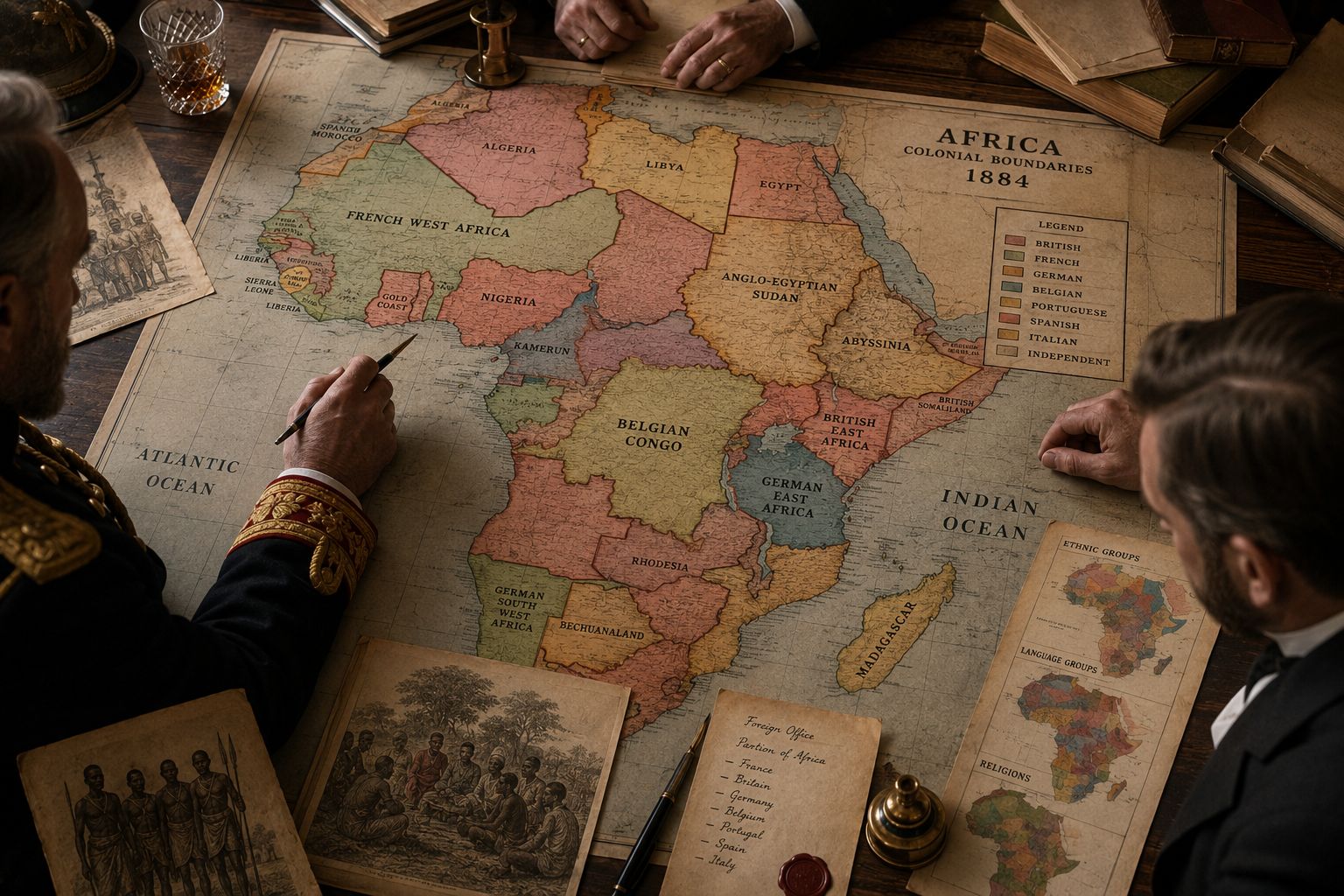
How did the West make the world religiously radicalized?
Modern religious radicalization did not emerge from religion alone. Instead, it emerged from collapsing states, foreign interventions, geopolitical competition, economic dependency, identity crises, propaganda systems, and prolonged instability. Nevertheless, many mainstream narratives simplify the issue heavily. They present extremism as if it appeared naturally inside certain cultures or religions. However, this explanation ignores how global…
-
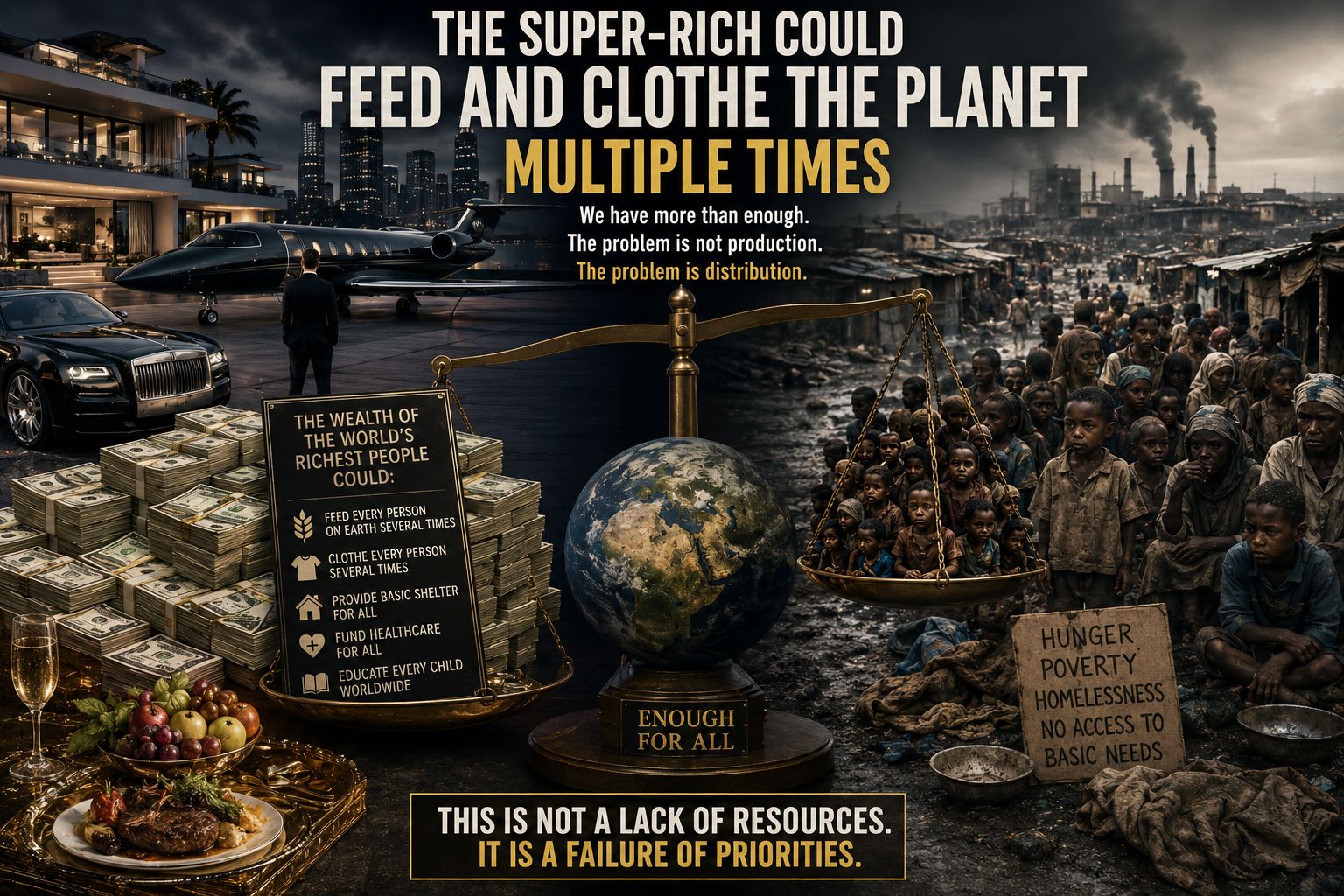
Why capitalism mirrors feudalism
Modern capitalism presents itself as the triumph of freedom over feudal hierarchy. According to its idealized image, anyone can rise through talent, discipline, innovation, and hard work. Markets supposedly reward merit. Competition supposedly prevents domination. Wealth supposedly reflects productivity. However, reality increasingly points elsewhere. The modern world contains unprecedented wealth. Trillions circulate through investment funds,…
-
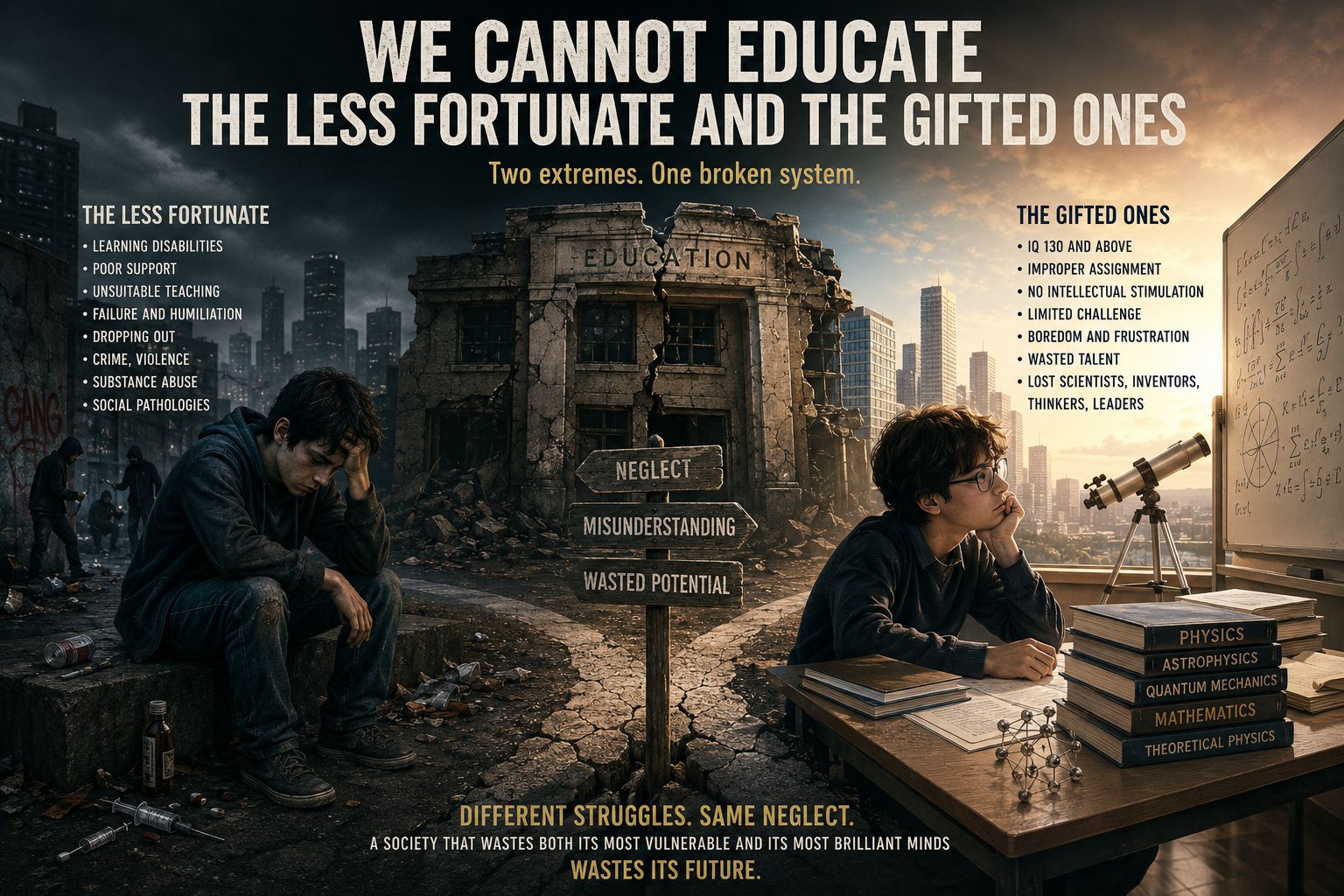
We cannot educate the less fortunate and the gifted ones
Modern education constantly speaks about equality, opportunity, and human potential. Schools promise social mobility. Politicians promise inclusion. Experts promise innovation. However, the reality looks very different. On one side stand students with learning disabilities, lower cognitive abilities, unstable family backgrounds, trauma, or behavioral problems. Many of them slowly collapse inside the system. They fail classes.…
-

The illusion of choice: How social media decides elections
Elections still take place in their formal sense. People vote. Parties campaign. Institutions operate. However, the environment that determines outcomes has changed profoundly. Therefore, one must no longer analyze elections only through ideology, class, or traditional media influence. Instead, one must examine visibility, repetition, and emotional amplification within digital systems. Consequently, social media does not…
-
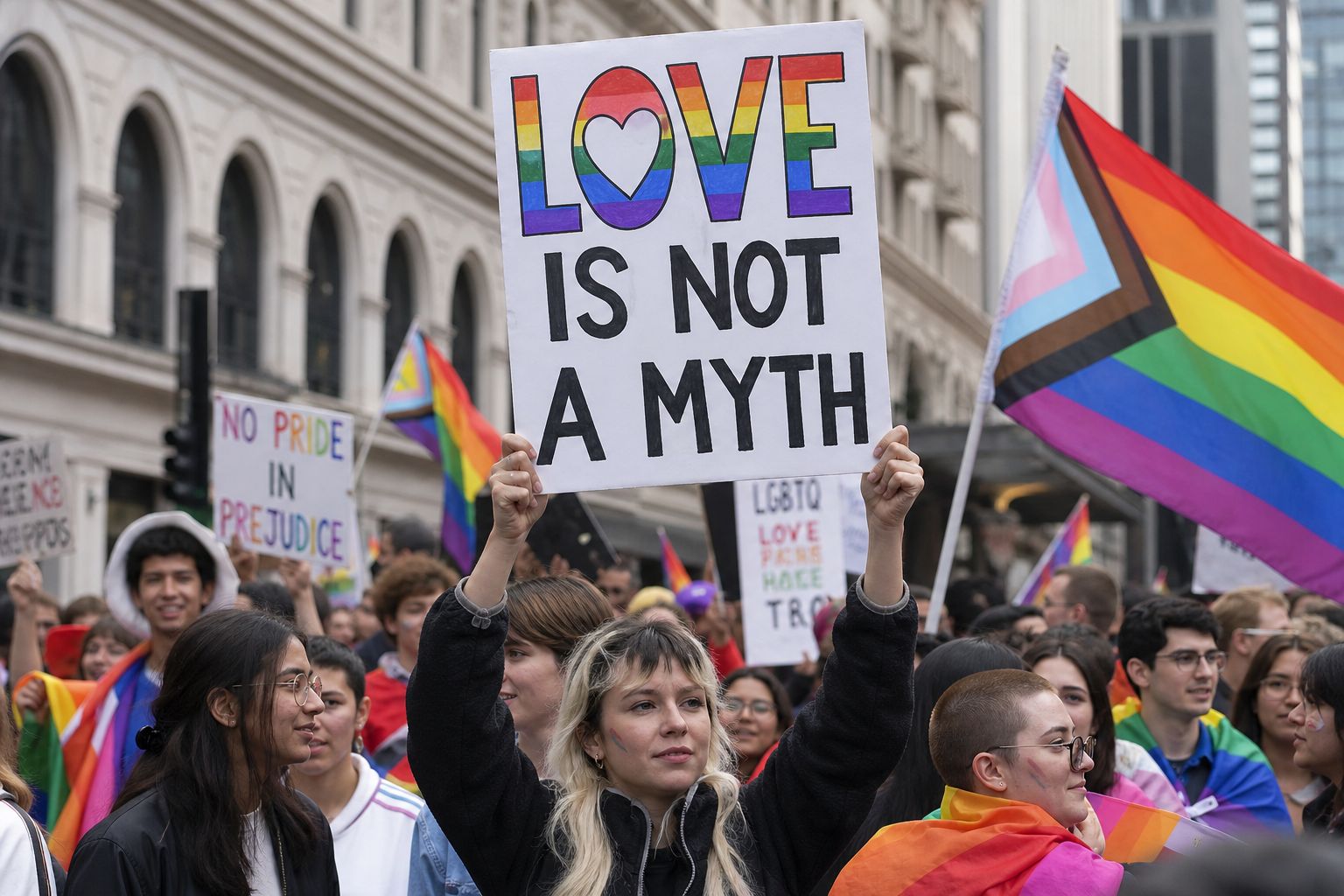
The greatest myths about LGBTQIA—and how to combat them
Beliefs do not survive because they are true. They survive because they are simple, repeated, and socially rewarded. Therefore, myths about LGBTQIA persist even when evidence contradicts them. Moreover, these myths act as cognitive shortcuts. They reduce complex human variation into simple binaries. As a result, they feel intuitive. They feel obvious. However, intuition often…