Category: Articles
-
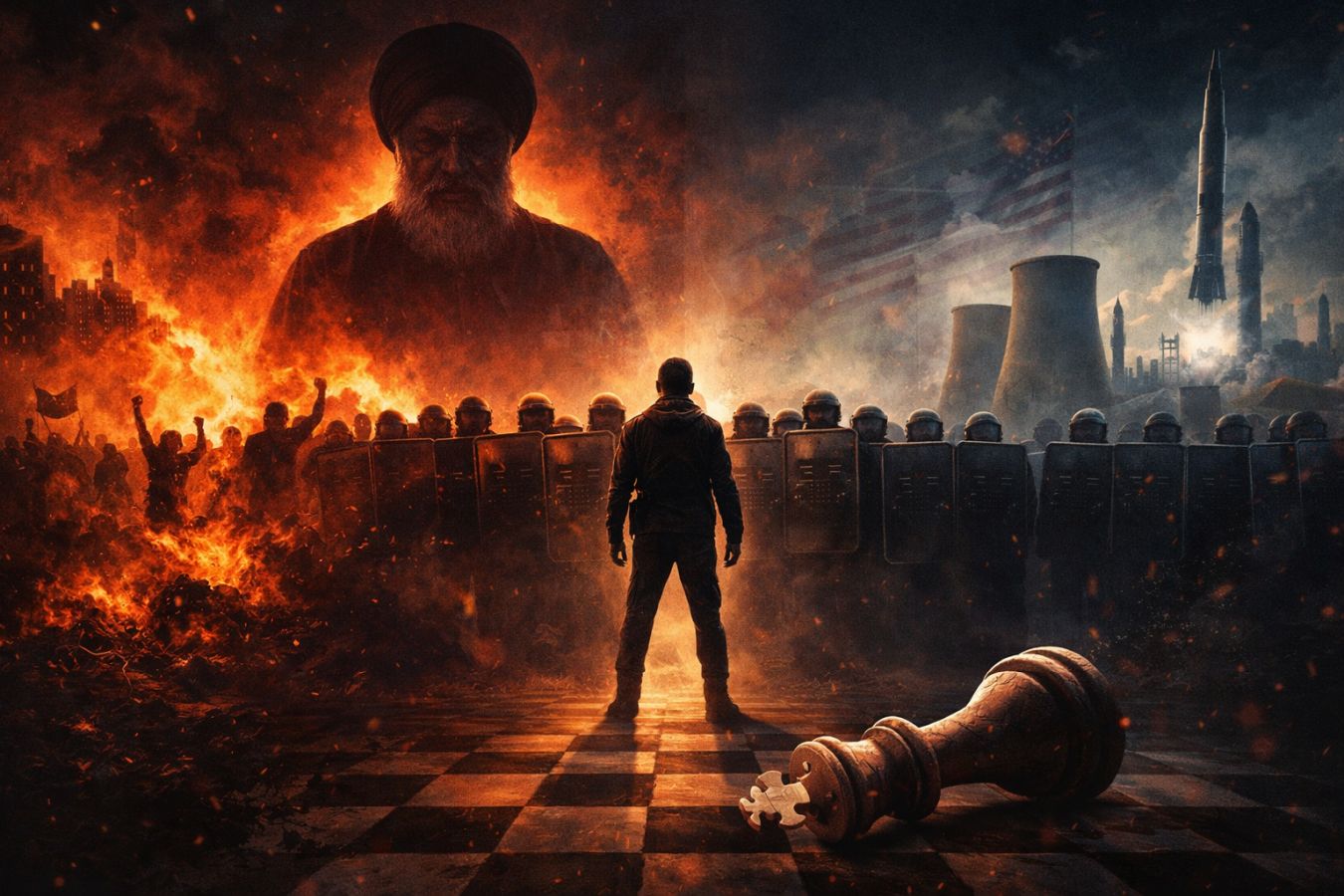
Iran’s leaders: Kill millions, we won’t step down
At the most basic level, leadership carries responsibility. If leaders truly cared about their population, then they would step down when their rule produces suffering, isolation, and death. In other words, this is not an abstract moral idea. Rather, it is a concrete test of responsibility. Therefore, we must ask a direct question. What does…
-
How humans evolved to believe lies
Humans like to imagine themselves as rational creatures. Science celebrates this idea. Universities reinforce it. Enlightenment philosophy built an entire worldview around the assumption that reason guides human behavior. According to this narrative, humans gradually replaced myth with evidence and superstition with science. However, reality tells a more complicated story. Across cultures and historical periods,…
-
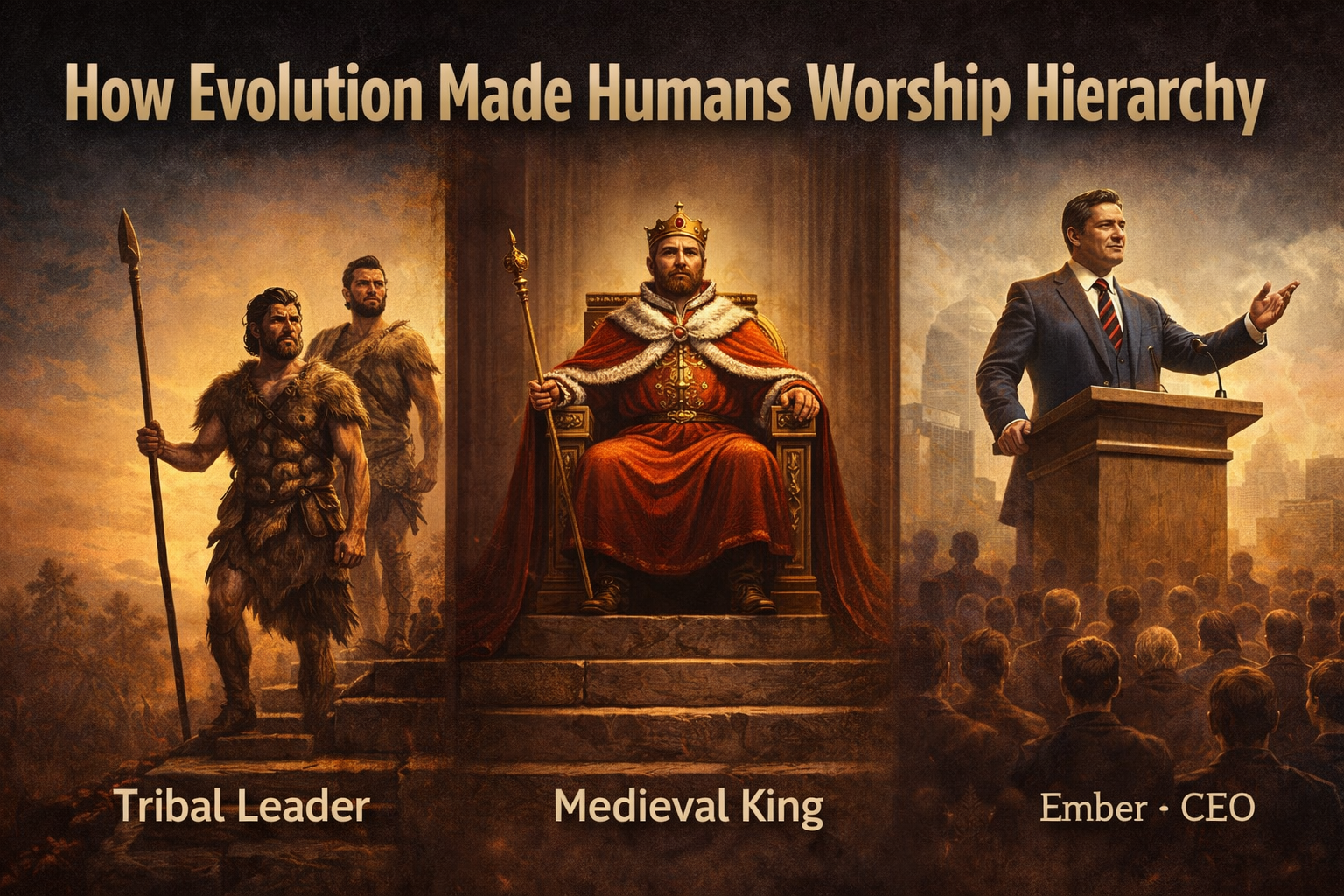
How evolution made humans worship hierarchy
Modern societies loudly celebrate equality. Constitutions promise it. Politicians repeat it in speeches. Schools present it as the moral foundation of civilization. At first glance, the idea appears convincing. Humans supposedly left primitive hierarchies behind and created societies where everyone stands on equal ground. However, reality tells a different story. Everywhere we look, humans create…
-

Silicon Valley, the military-industrial complex, and secret agencies
Many people imagine Silicon Valley as a spontaneous miracle of entrepreneurship. Young programmers in garages invent revolutionary technology. Venture capital funds the best ideas. Markets reward innovation. This story dominates public imagination. Reality looks far more complex. Silicon Valley grew inside a dense institutional ecosystem that involved the U.S. military, intelligence agencies, universities, and federal…
-

Presidents, conscience, and killing millions
History condemns figures such as Adolf Hitler, Mao Zedong, and Pol Pot because their regimes caused the deaths of millions. Their responsibility appears direct and brutal. They created systems of terror that openly destroyed human life on a massive scale. However, modern democratic leaders face a different but still troubling moral question. Presidents of powerful…
-

Why I will never reply on X?
For a long time I tried to reply to people on X. I believed discussion might clarify ideas. I believed arguments might help people rethink their assumptions. Eventually I realized that this expectation was unrealistic. Replying on X consumes time and energy while producing almost no intellectual value. For that reason I decided that I…
-

How rival Christian groups corrupted the Bible
Most Christians imagine the Bible as a stable and unified book. They assume the same message passed unchanged from the time of Jesus to the present. According to this view, the text simply traveled through history while scribes faithfully copied every word. However, the historical reality looks very different. The Bible did not emerge as…
-
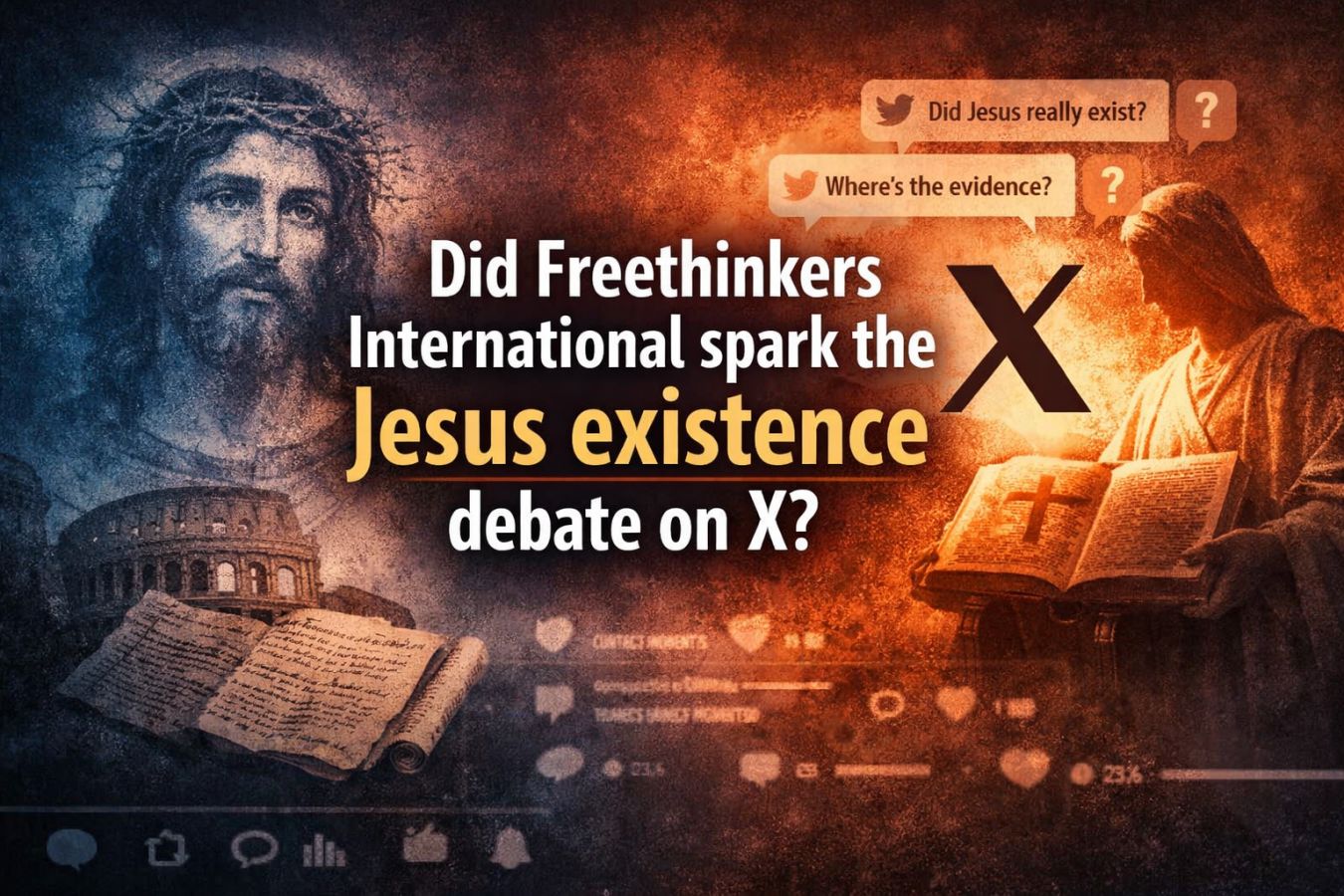
Jesus non-existence on X. Is it Freethinkers International’s work?
Over the last months, I started to notice something unusual on X. Suddenly, many Christians defend the historical existence of Jesus. Threads appear where believers argue that Jesus certainly lived. Others respond by questioning the evidence. Debates escalate quickly. This change caught my attention because I rarely saw such discussions before. For years, public debates…
-

DiCaprio, Lawrence and why we are just animals
Humans like to believe we are rational, civilized, and fundamentally different from animals. We build cities, universities, and complex political systems. Yet beneath this sophisticated surface, our behavior often follows the same biological logic that governed small prehistoric tribes. Status, prestige, alliances, and mating signals still shape our reactions more than we usually admit. When…
-

America and Europe need two Richelieus
Modern Western politics often behaves like a nervous committee rather than a strategic civilization. The United States and Europe still dominate many sectors of the global system. They control enormous financial networks. Their universities produce cutting-edge science, their military alliances span continents. Their corporations shape global technology, communication, and industry. Yet the West increasingly lacks…