Category: Articles
-
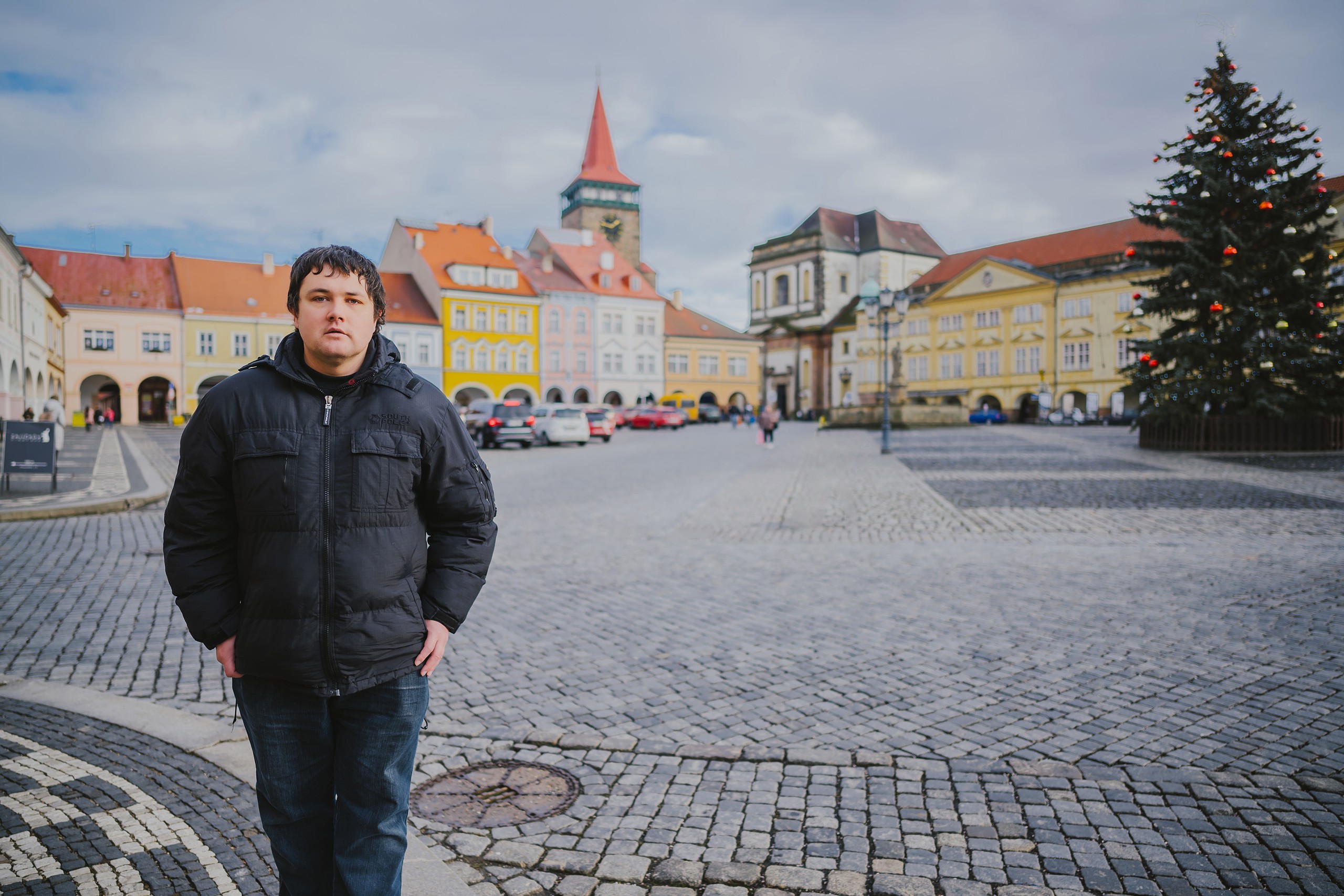
How they decide in New York how we live in Jičín
It sounds exaggerated at first, it sounds provincial. It sounds paranoid. Yet it is sillier to believe the opposite. It is silly to think that international lobbyists, global banks, and rich corporations have nothing to do with the financial balance of the Czech Republic. Borders exist on maps. Capital ignores them. Therefore, when people talk…
-

Sorrry, the future for LGBTQII+ isn’t bright
At first, the global picture appears optimistic. Pride events expand. Courts issue rulings. Governments speak the language of inclusion. However, this surface stability collapses the moment one looks beyond a few countries. In reality, progress distributes unevenly. Moreover, it reverses easily. Therefore, the central problem is not ignorance. Instead, it is fragmentation. Some LGBTQII+ people…
-

When the West’s conscience loses: Let them die
The U.S. decision to drop plans to deport Guan Heng, a Chinese dissident who exposed rights abuses against Uyghurs, did not happen in isolation. Rather, it represents a broader pattern of deportation actions and reversals under different administrations. By systematically adding the responsible administration to each case, we can see how immigration policy and legal…
-

How the super-rich sabotage politics while blaming the state
The loudest critics of government failure are often those who benefit most from that failure. Bankers complain that the state is inefficient, bloated, and incompetent. The super-rich ridicule democratic politics as chaotic and irrational. Yet these same actors systematically weaken political institutions, distort incentives, and hollow out accountability. This is not a contradiction. It is…
-
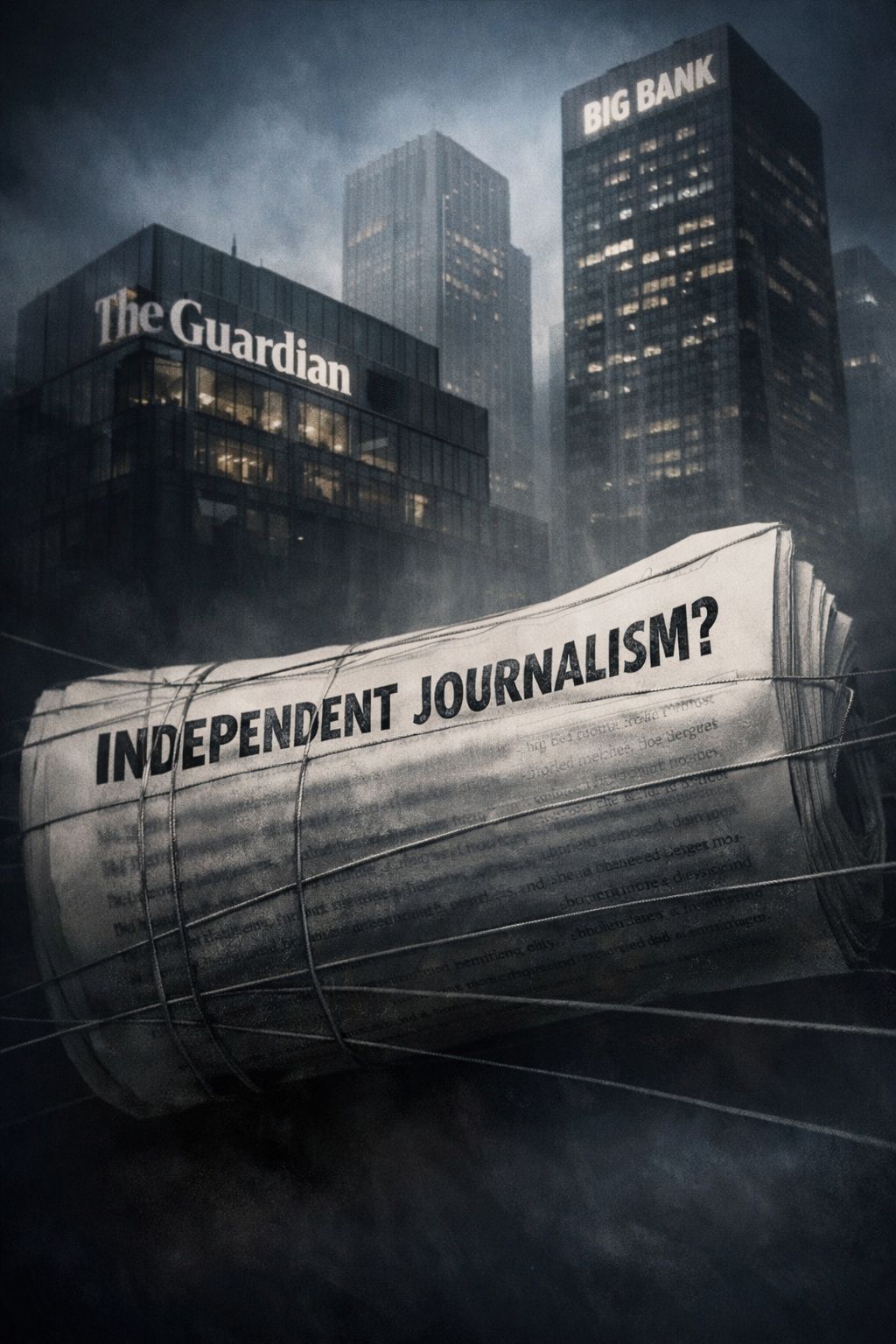
Even The Guardian isn’t independent
The Guardian tells a familiar story. It presents itself as undeterred, it presents itself as independent. It insists that multinational media lobbyists have nothing to do with its content. On the surface, this reassurance feels necessary. After all, trust depends on it. Yet once we move past declarations, doubts emerge. Power rarely allows institutions to…
-

How would music look if labels were not a cartel?
Music looks free on the surface. Anyone can upload a track. Anyone can stream. Yet power never vanished. It consolidated. A small cluster of major labels still coordinates access, visibility, contracts, catalog ownership, and revenue flows. No conspiracy meetings are required. Structural alignment does the work. Therefore the real question is not whether music feels…
-

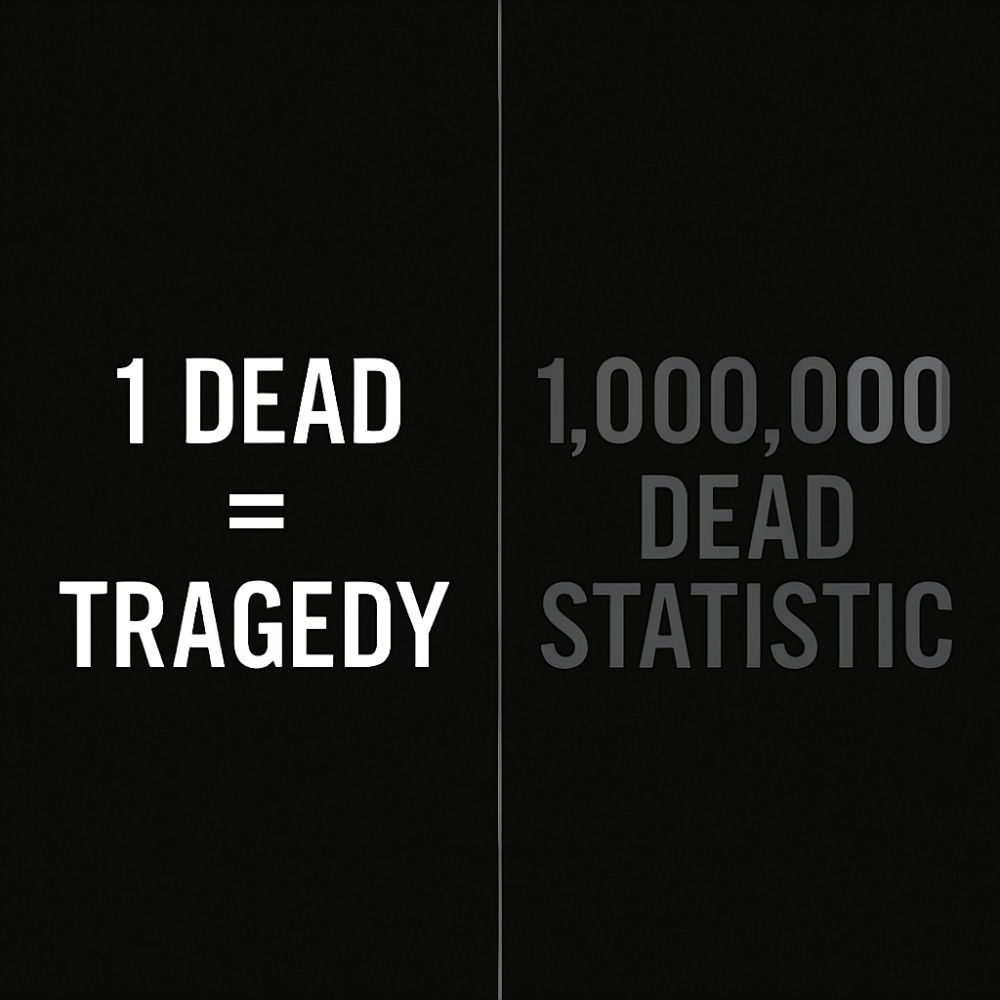
Some deaths have headlines, others have numbers
Every death is a tragedy. This is the only morally acceptable starting point. No life becomes more valuable because of nationality, religion, or proximity to Western audiences. Once this baseline is accepted, the real question emerges: why does global media react so differently to different deaths? The answer does not lie in empathy. It lies…
-
Violence wants cameras, not justice
This is exactly what these POSs really want: attention.Not justice, not ideology. Not truth. Visibility. First, they act. Then cameras turn. Then feeds explode. Finally, meaning dissolves.Therefore violence no longer serves strategy. It serves exposure. In the modern world, attention equals existence. Consequently, any act that breaks routine becomes currency. Violence performs especially well. It…
-

The total anti-Zionism craze
Let us start with a basic constraint; it matters more than ideology. Once a functional state exists and millions of people live inside it, you cannot morally argue for its destruction. You can criticize an ideology; however, you cannot erase a society without mass violence. Any position that ignores this fact stops being political and…
-

The feeling of being stupid and knowing better
When I walk through my hometown of Jičín and pass its churches, I do not feel reverence; instead, I observe evidence. I move between the medieval church from the 13th or 14th century and the newer church from the 1600s; together, they form a continuous record of how humans once explained reality. These buildings do…