Category: Articles
-

There is no “me”, only a network of neurons
We wake up every morning with an extraordinarily convincing impression. There is someone inside our heads. There is a “me” observing the world, making decisions, remembering yesterday and planning tomorrow. That impression is so powerful that questioning it can sound absurd. Yet neuroscience gives us little reason to believe that a separate self exists behind…
-
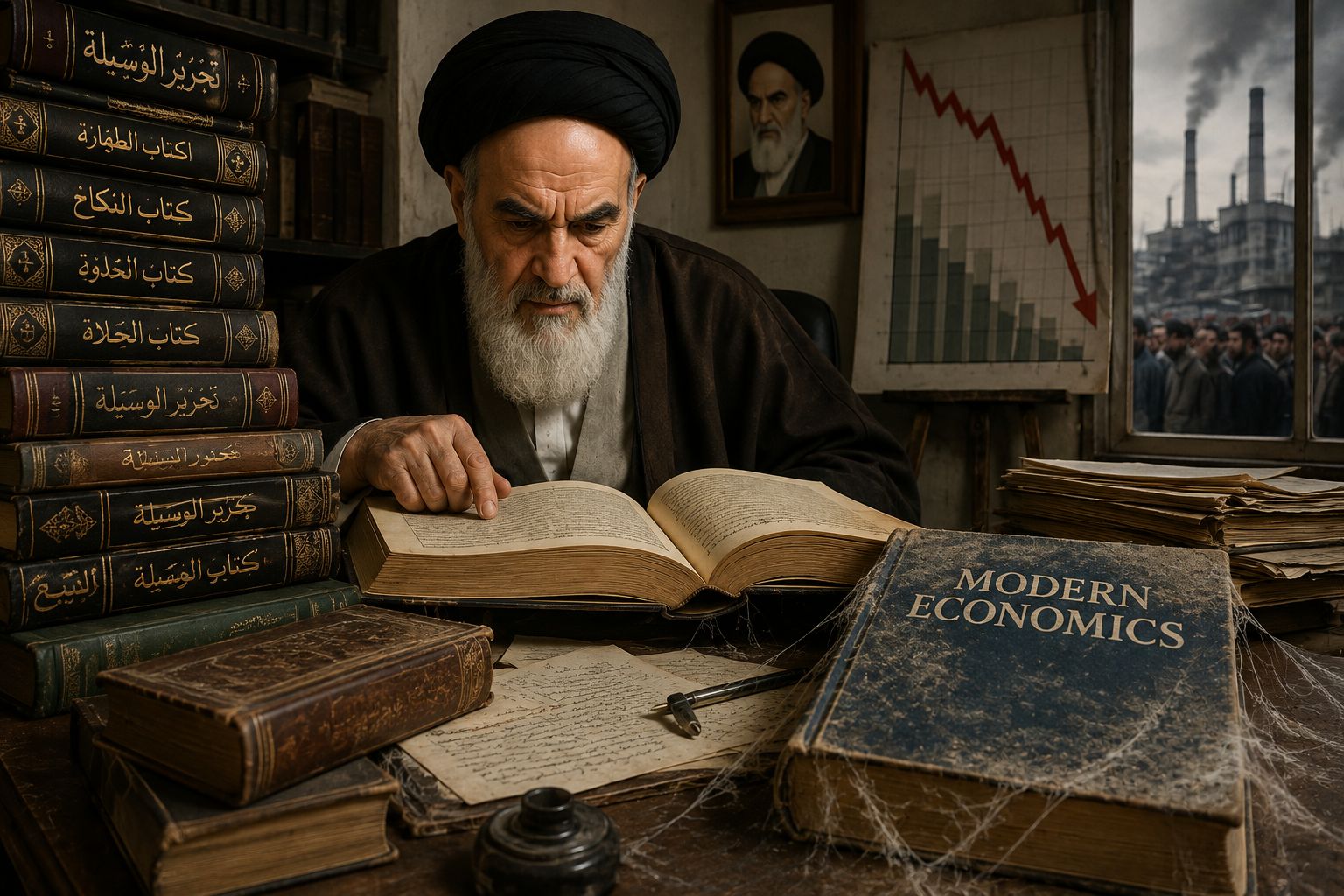
Ruhollah Khomeini wrote about sex with children and animals. Perhaps he should have studied economics instead
Ruhollah Khomeini is remembered primarily as the architect of Iran’s 1979 Islamic Revolution and the founder of the Islamic Republic. He was also a prolific Islamic jurist. Some of his writings demonstrate just how extensively religious law can intrude into the most intimate—and sometimes deeply disturbing—areas of human behavior. His Tahrir al-Wasilah is not some…
-
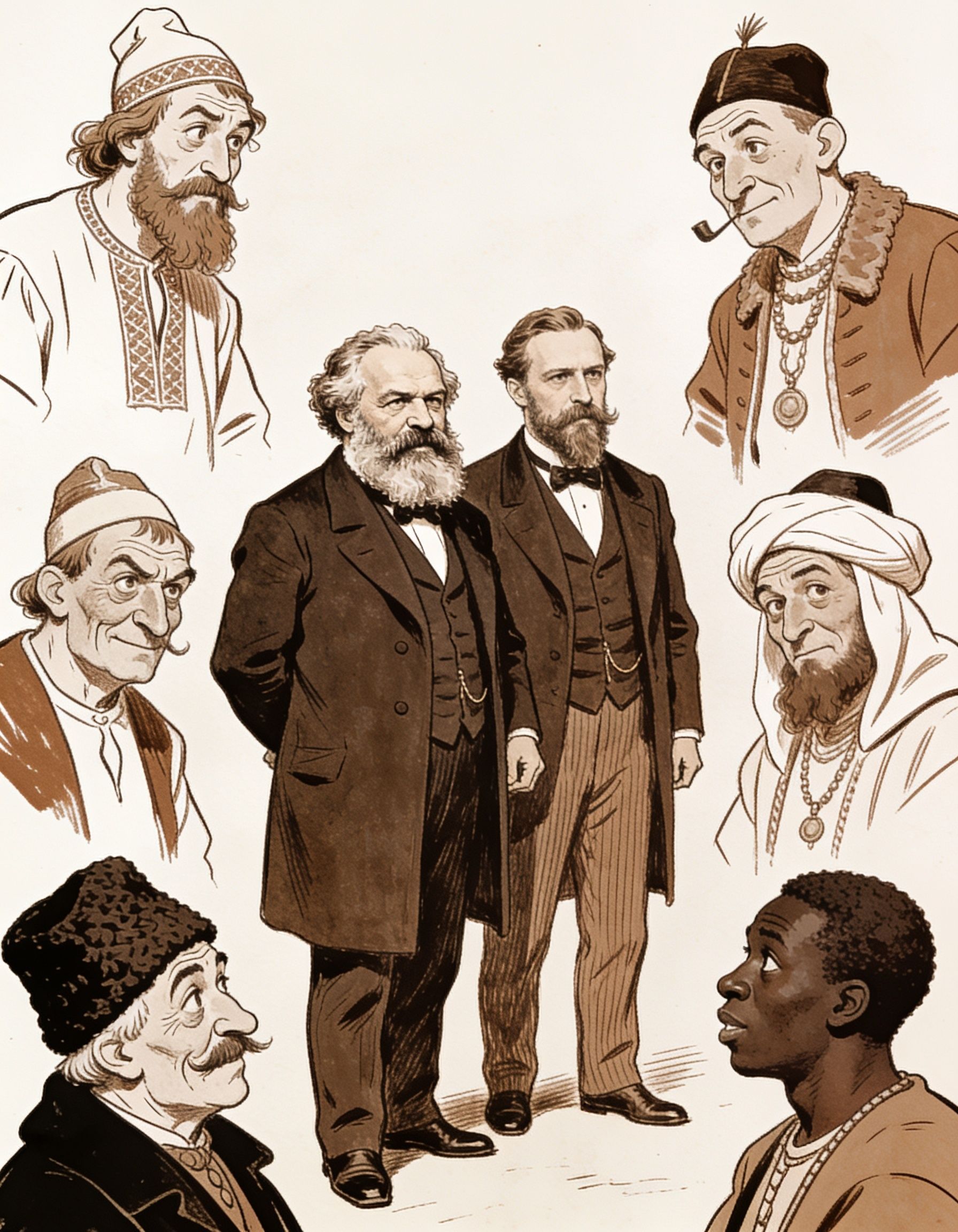
Marx and Engels’ disgusting remarks about Slavs, Jews and Blacks
Karl Marx and Friedrich Engels presented themselves as thinkers concerned with exploitation, inequality and human emancipation. Their writings helped inspire political movements that claimed solidarity between workers regardless of nationality. Read some of their other writings, however, and the picture becomes considerably uglier. Marx and Engels occasionally wrote about Jews, Black people and entire Slavic…
-

Gross neglect of drug addicts in the US: Only celebrities are visible
Hayden Panettiere was famous, successful and recognizable to millions. She was also remarkably open about addiction. She described years of problems with alcohol and drugs, repeated attempts at treatment and a struggle for sobriety that continued alongside a successful acting career. Then, on August 16, 2026, Panettiere died at only 36. She was found unresponsive…
-
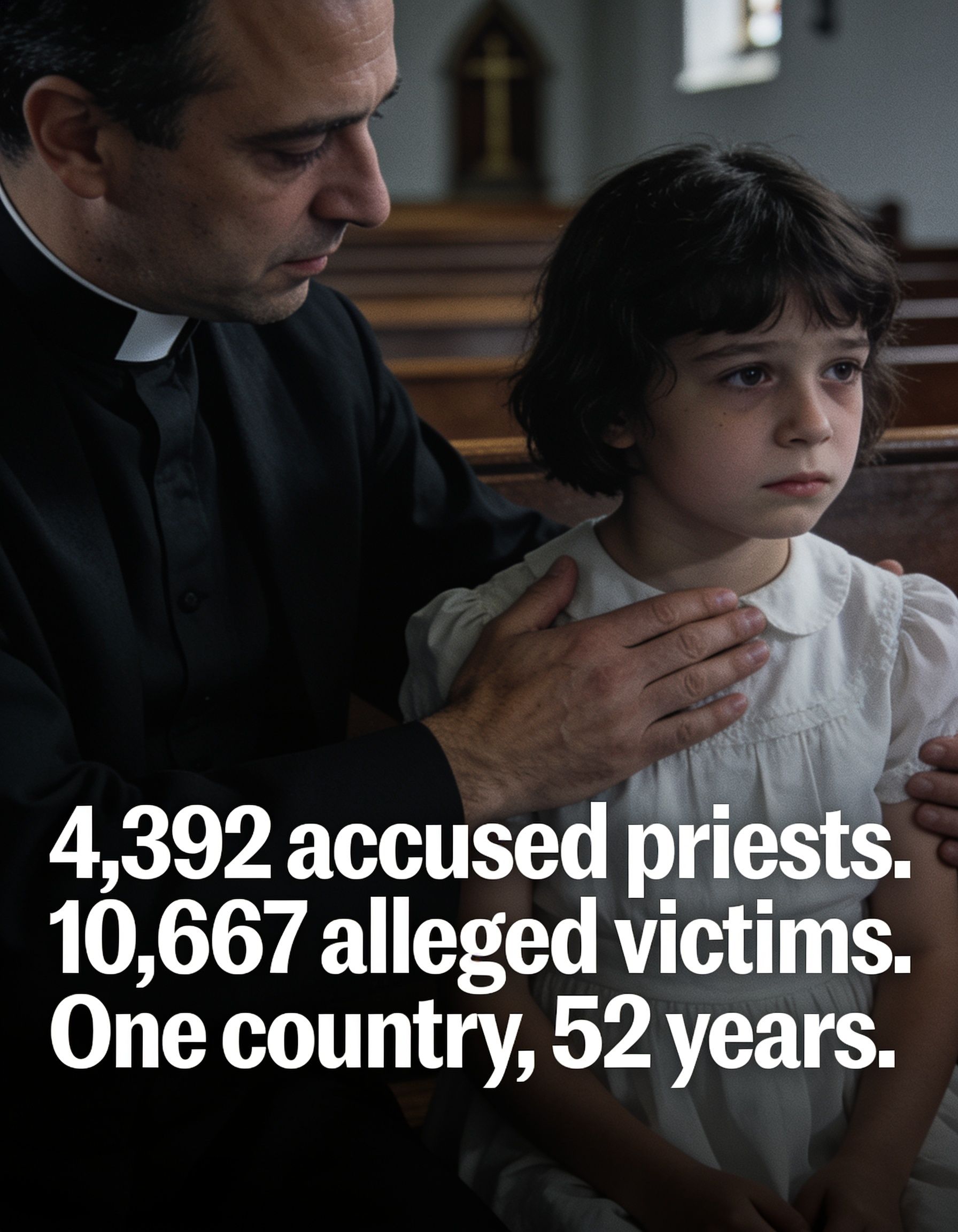
Priests, pastors and predators: America’s continuing church abuse scandal
For generations, American churches presented themselves as places where parents could safely leave their children. Priests heard confessions, pastors organized youth groups, ministers counseled troubled teenagers and religious institutions taught families that their leaders deserved trust. For thousands of children, that trust became a vulnerability. The Catholic sexual abuse scandal exposed one of the most…
-
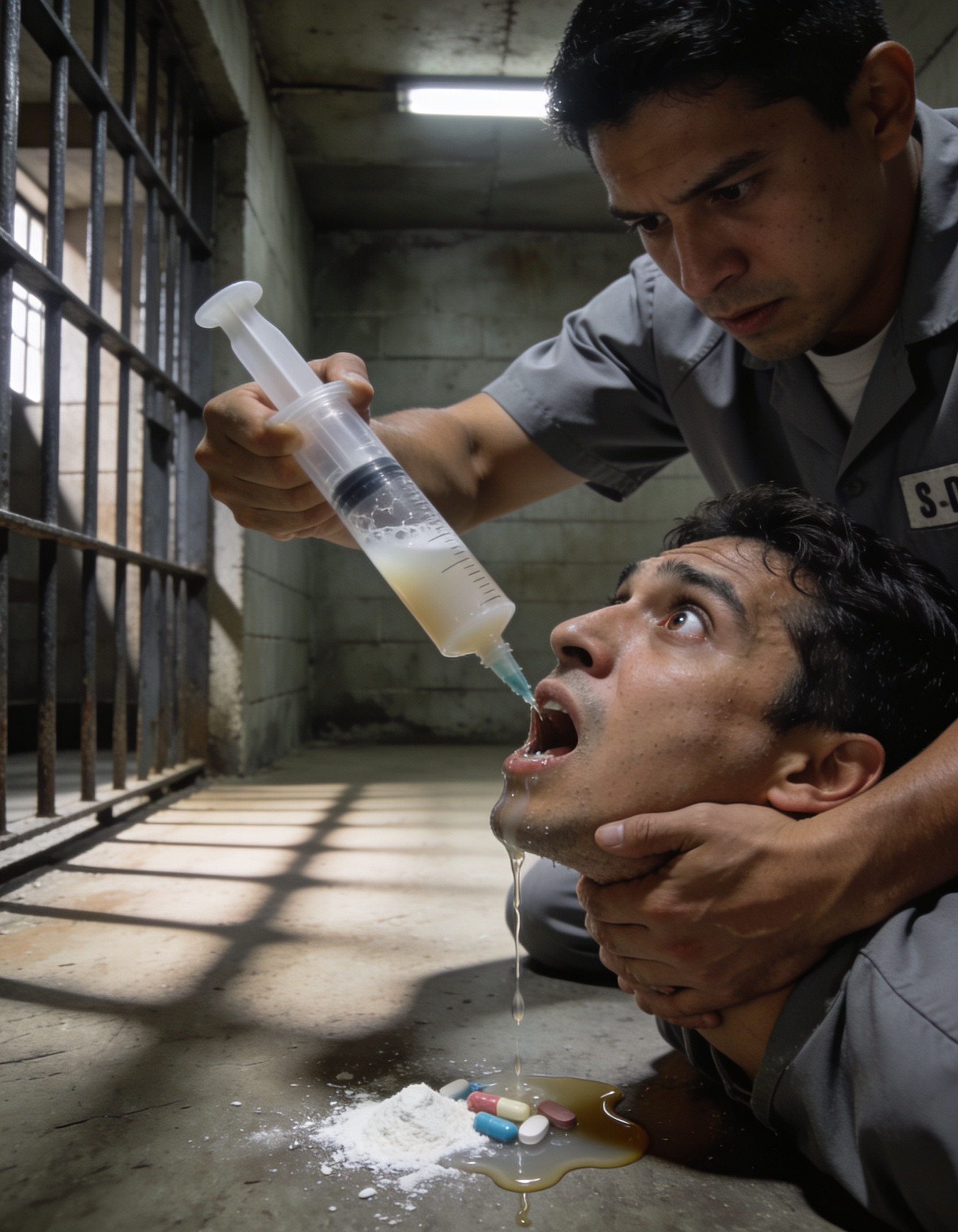
Don’t want to die from a drug overdose? Pay for it in Latin American jails
Latin America suffers from some of the world’s most serious problems with homicide, organized crime, extortion and drug trafficking. Governments therefore face a legitimate and exceptionally difficult obligation: protecting ordinary citizens from violent offenders while maintaining institutions capable of investigating crimes, conducting fair trials and administering punishment. Yet punishment itself has become part of the…
-
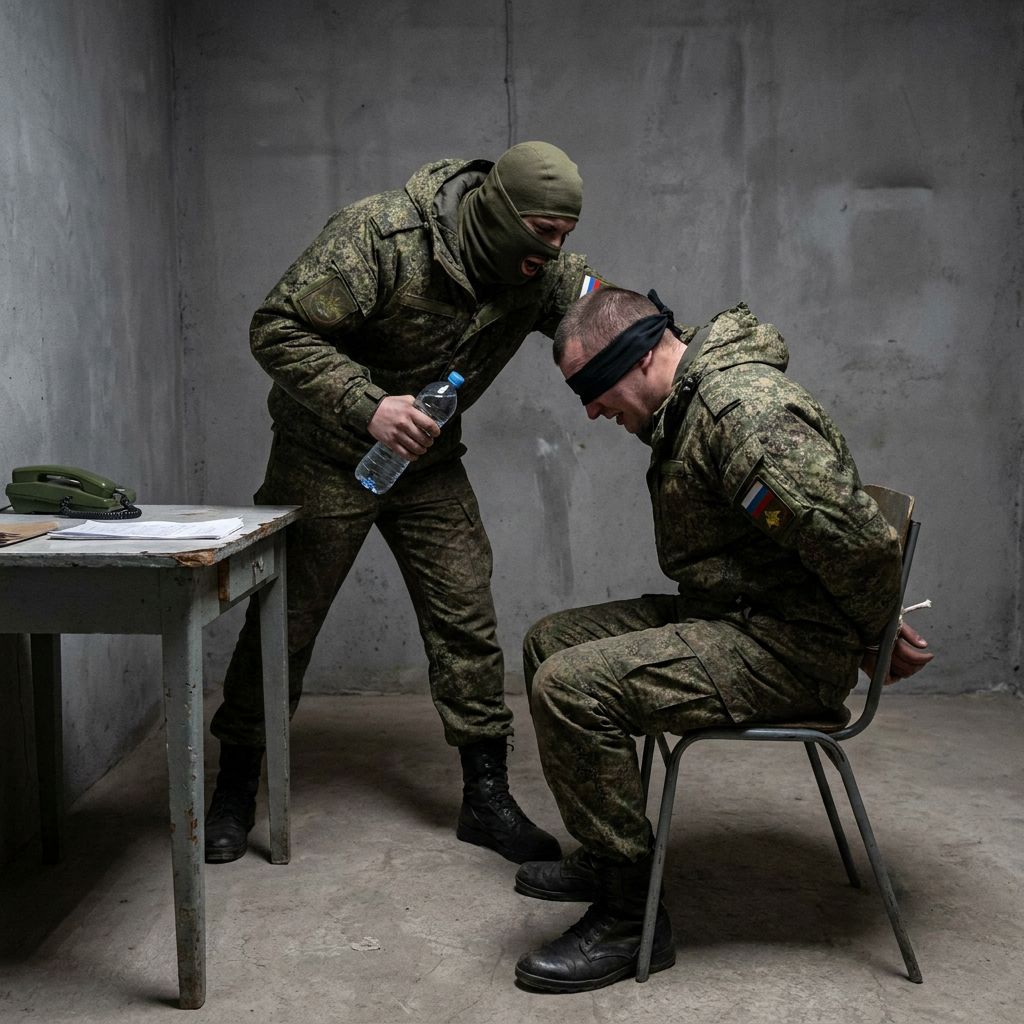
Whipping, cutting fingers and worse: What Russians and Ukrainians do to their own people
Wars are usually narrated horizontally. Russians kill Ukrainians, Ukrainians kill Russians, missiles cross borders, armies capture territory, and prisoners fall into enemy hands. Yet violence also moves in another direction: downward, inside the armies and societies fighting the war. Russian commanders have allegedly beaten, tortured and even killed their own soldiers. Ukrainian authorities have investigated…
-
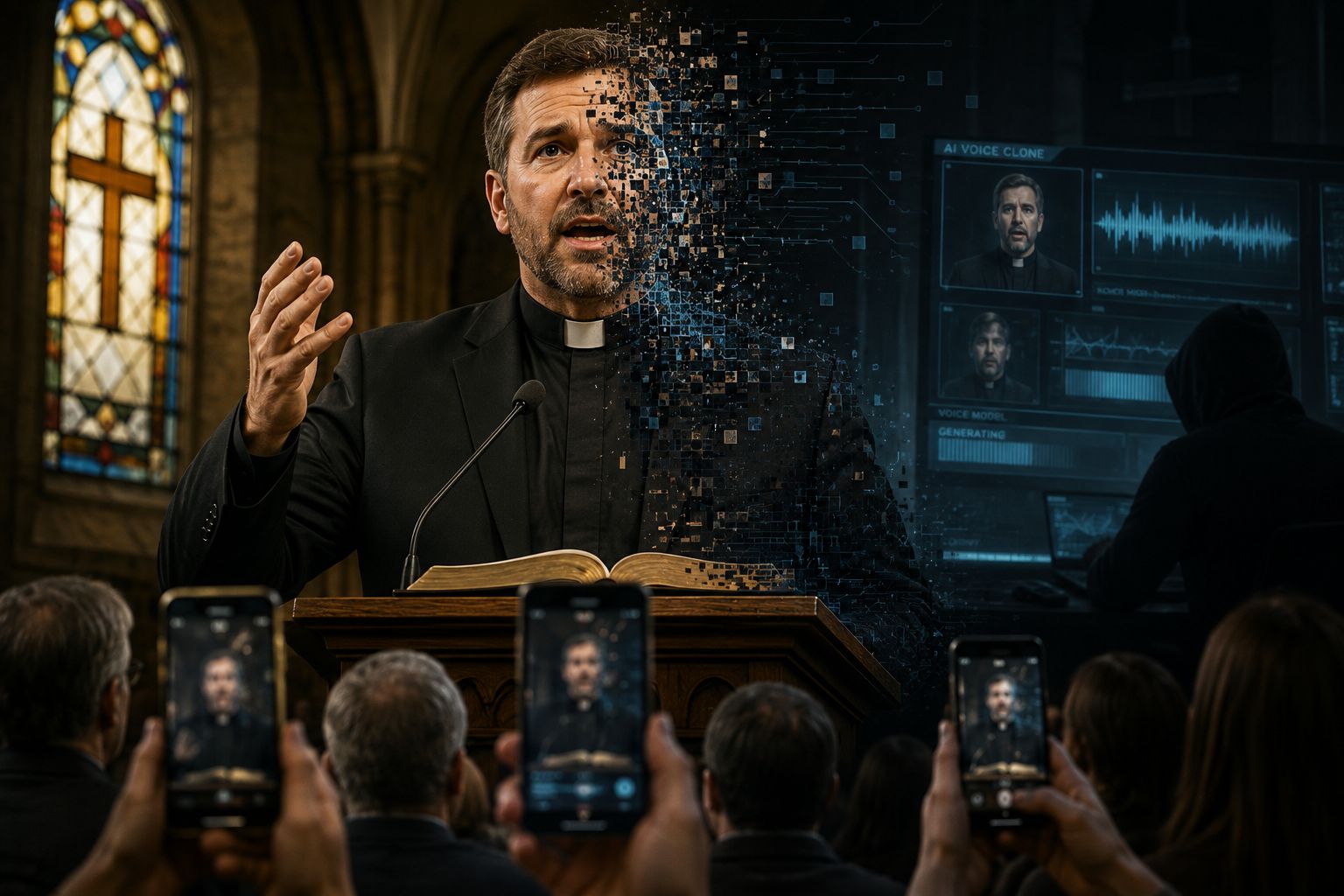
God didn’t say that. Neither did your pastor. AI did
Imagine scrolling through social media one evening when your pastor appears on the screen. His face looks familiar, his voice sounds right, and he speaks with the confidence you have heard from the pulpit hundreds of times. Then comes the message. You must see the deepfakes (here or here). Perhaps God wants you to send…
-

The social media utopia: What if people started collaborating?
Social media promised to connect humanity. Instead, it often became extraordinarily efficient at sorting humanity into hostile camps. Israel or Palestine. Capitalism or socialism. Left or right. Conservative or progressive. Religious or atheist. Pro-immigration or anti-immigration. Feminist or traditionalist. Western or anti-Western. Pick a subject, choose your tribe, follow the appropriate accounts, block the heretics,…
-

We are not racist, but the dead professor was black
The death of Professor Jason Arday has left British academia in a state of shock and soul-searching. As politicians and colleagues call for a “moment of reflection,” a deeply uncomfortable question lingers beneath the surface: was the relentless pursuit of the 41-year-old academic driven by legitimate concerns about plagiarism, or was it a racially charged…