Ideas, opinions, politics, humanities
-
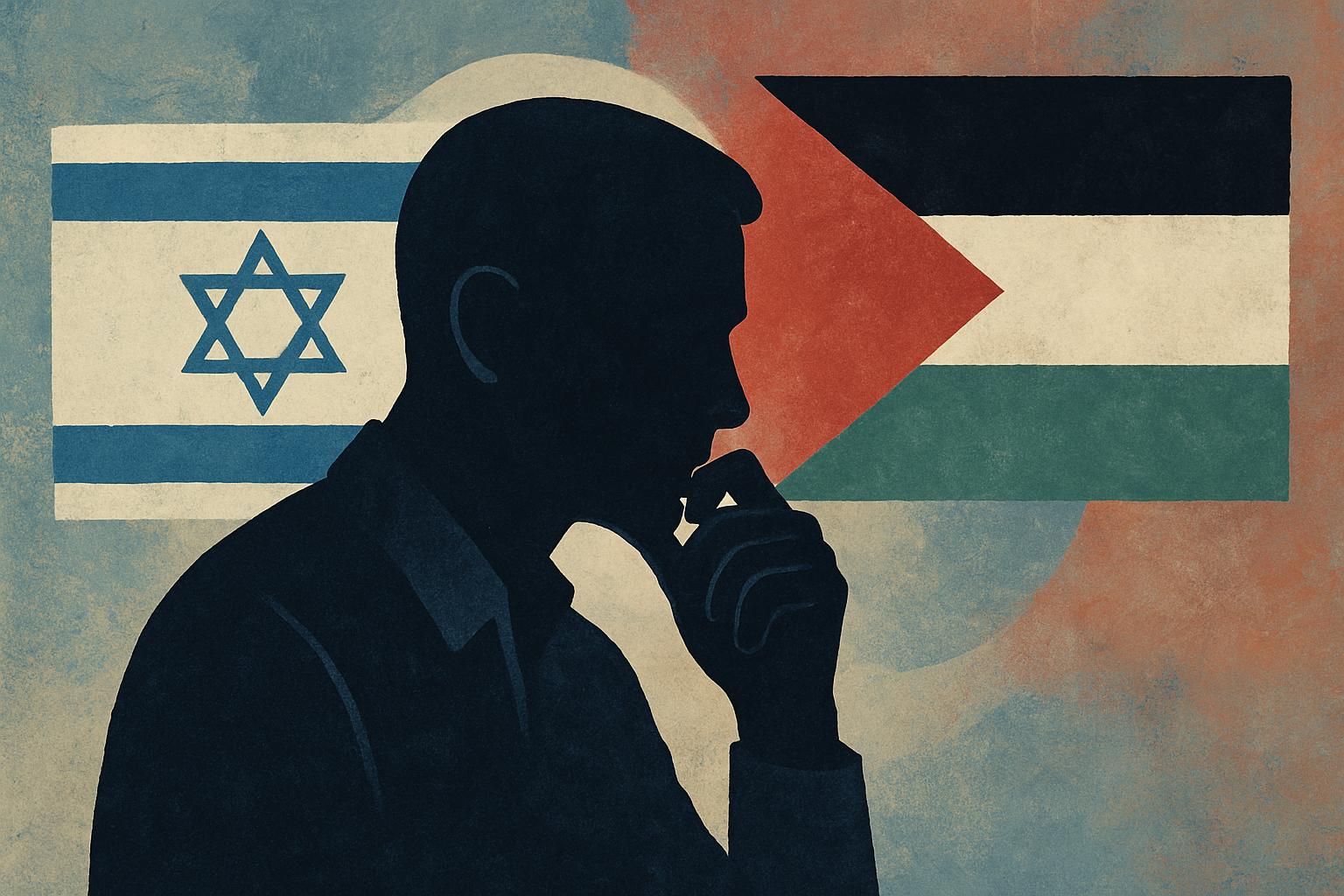
Israeli-Palestinian conflict: How to retain objectivity
I do not cry at funerals (etc.) because I suffer from flattened emotions. I have no ancestral pain, no religious loyalty, no emotional trigger in this war. That does not mean I cannot choose a side. I can. And I do – slightly the Israeli one. But I do it rationally. I weigh risks, intentions,…
-
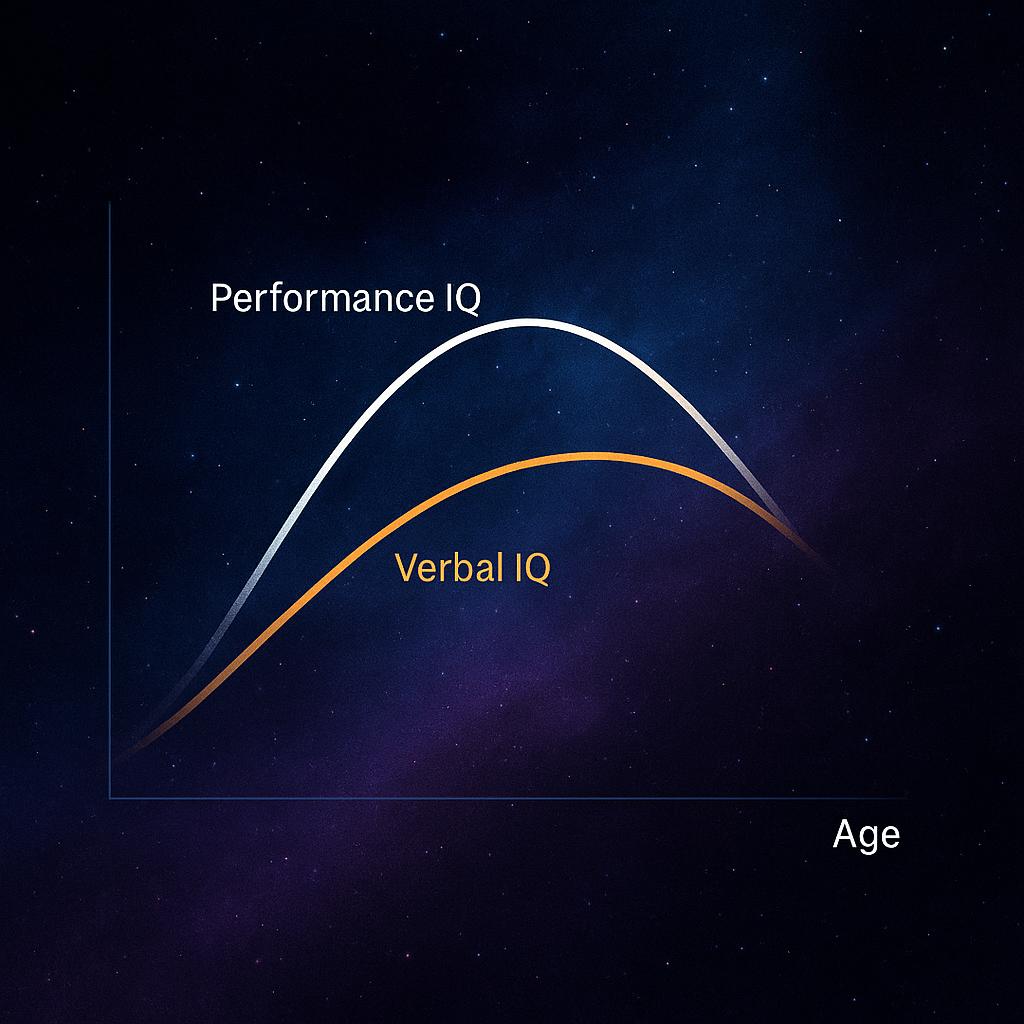
IQ and when do scientists reach their peak?
People think science is about genius. One great mind, one breakthrough, one flash of insight. But in truth, scientific achievement depends on many kinds of intelligence. And those kinds peak at different times. The myth of a single IQ peak IQ is not one thing. It splits. Performance intelligence (fluid) handles abstract reasoning and novel…
-
How can science know? Here’s everything you need to know
People have always asked what is true. But few stop to ask how we know. Science stands alone. It does not claim truth from tradition, divinity, or emotion, it demands evidence. It survives through failure. And it grows by refining its own mistakes. Knowing is not magic. It is a method. Primitive knowing – survival…
-
How freethought is redefining global politics
They say, “We can’t have freedom of speech in Europe. We’re not America.” But how can anything change if we are punished for even saying that? How do we reform injustice if questioning it is illegal? Freethought today is no longer academic. It is revolutionary. Across borders, thinkers challenge systems—not with weapons, but with ideas.…
-
Education system: Competing countries, competing people
Everyone praises education. Politicians declare it the foundation of freedom. Parents call it the key to success. Reformers dream of its ability to lift the poor. But beneath these warm slogans lies a colder reality. Education was not born to enlighten. It was born to prepare nations for competition. And in doing so, it turned…
-
West has been destroying Middle East and never helped
The pattern is undeniable. Western powers invade, topple governments, and bomb cities. Then they walk away. No justice follows. And no rebuilding takes place. No responsibility is ever accepted. As a result, the Middle East remains shattered. Its people suffer in silence. Its cities lie in ruins. Those who flee often die at sea, rot…
-
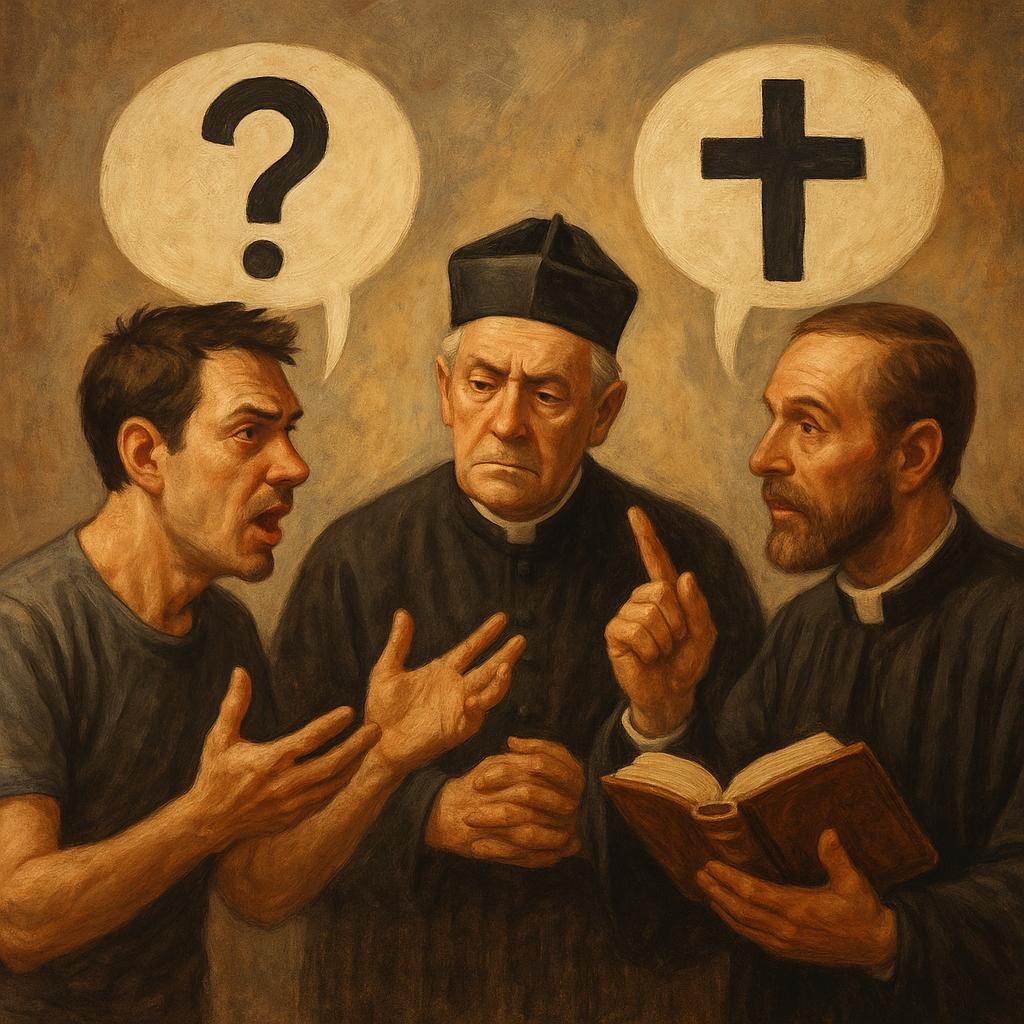
Does arguing with priests make sense?
I have an opportunity to have talks with one Roman Catholic priest and then two Evangelical ones. Does arguing with them really make sense? I cannot persuade them to stop believing in God, and since I am a rationally inclined person, there is a very slim chance they can persuade me (but it is still…
-

Screw Geneva Conventions, kill anyone you want
The title sounds extreme—and intentionally so. But it captures a disturbing reality: in the modern Western war machine, the Geneva Conventions have become ceremonial ink. Soldiers execute captives. Civilians die in secret prisons. Detainees suffer, not as combatants, but as objects of convenience. And when the moment comes to apply the law, Western judges shield…
-
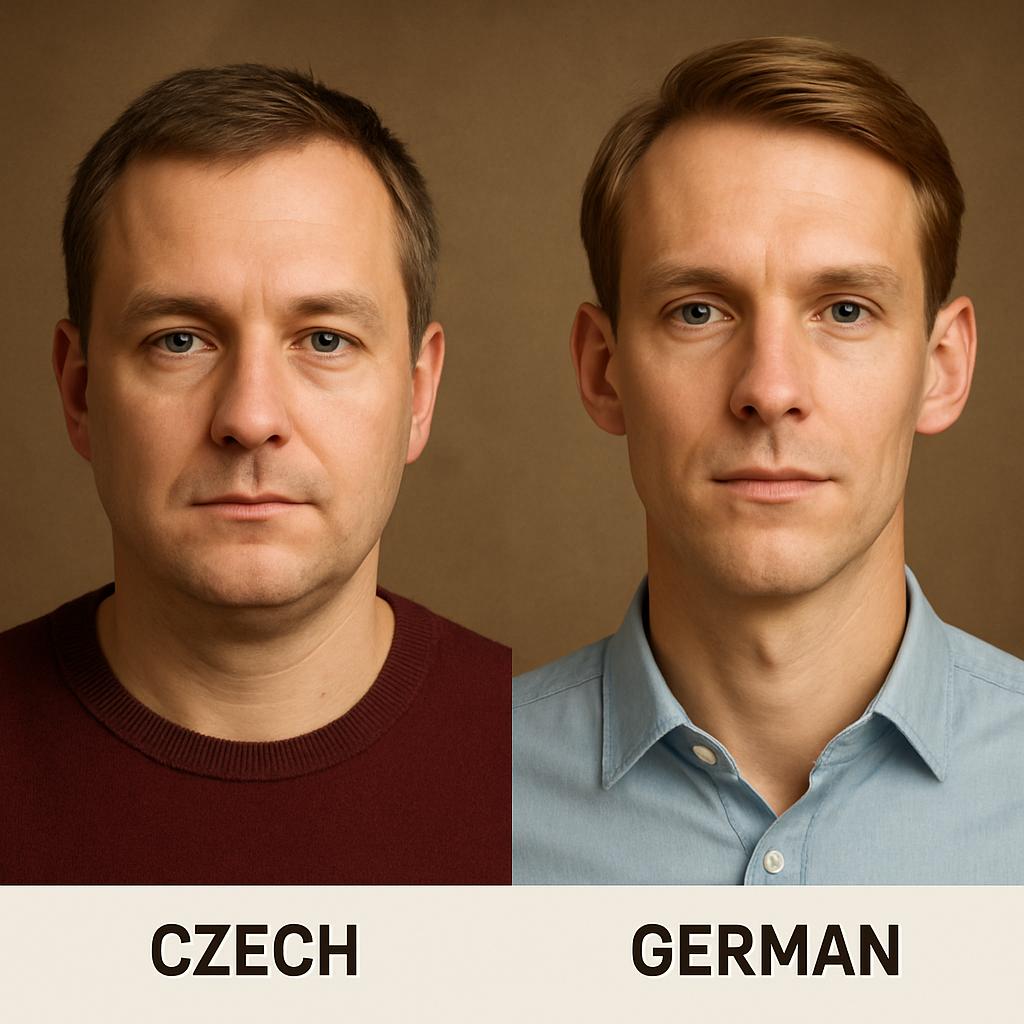
Czechs and Germans: A shared border, two civilizations
Czechs and Germans live side by side. They share hundreds of years of history. They often work in the same firms, drive across the same borders, and belong to the same European structures. Yet in behavior, politics, language, and everyday life, they come from different mental planets. One thrives on structure. The other escapes it.…
-
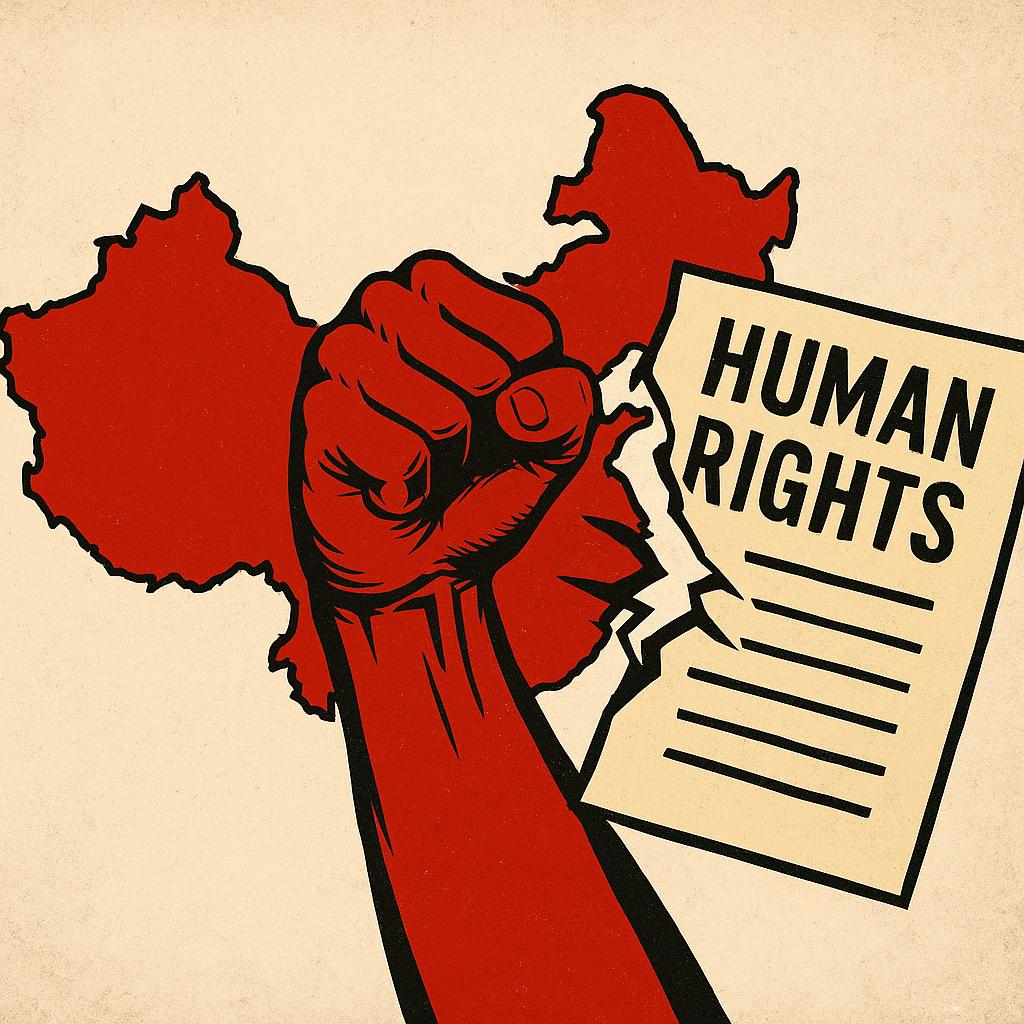
History of Chinese disregard of human rights
China’s ascent to global power dazzled the world. With record-breaking infrastructure, a booming tech sector, and diplomatic expansion, many praised the transformation. However, beneath the glowing statistics lies a grim truth. For decades—if not centuries—China has ignored, suppressed, and crushed human rights. The scale is enormous. The method is consistent. And the silence from the…