Tag: atheism
-

Atheists talking to believers who are certain Christ existed
This conversation rarely starts as a historical discussion. Instead, it almost always begins as a defense of identity, which is why it collapses so quickly. On social media especially, belief in Jesus no longer functions as a claim about the past. Rather, it works as a moral badge, a sign of belonging, and a psychological…
-

How US atheist education should look like
Atheist education does not mean teaching disbelief as a new dogma. It means teaching how to think. It focuses on methods, not conclusions. Therefore, its purpose is intellectual autonomy, not ideological conversion. The United States represents a paradox. It leads the world in science and technology. Yet it tolerates widespread religious literalism, biblical illiteracy, and…
-
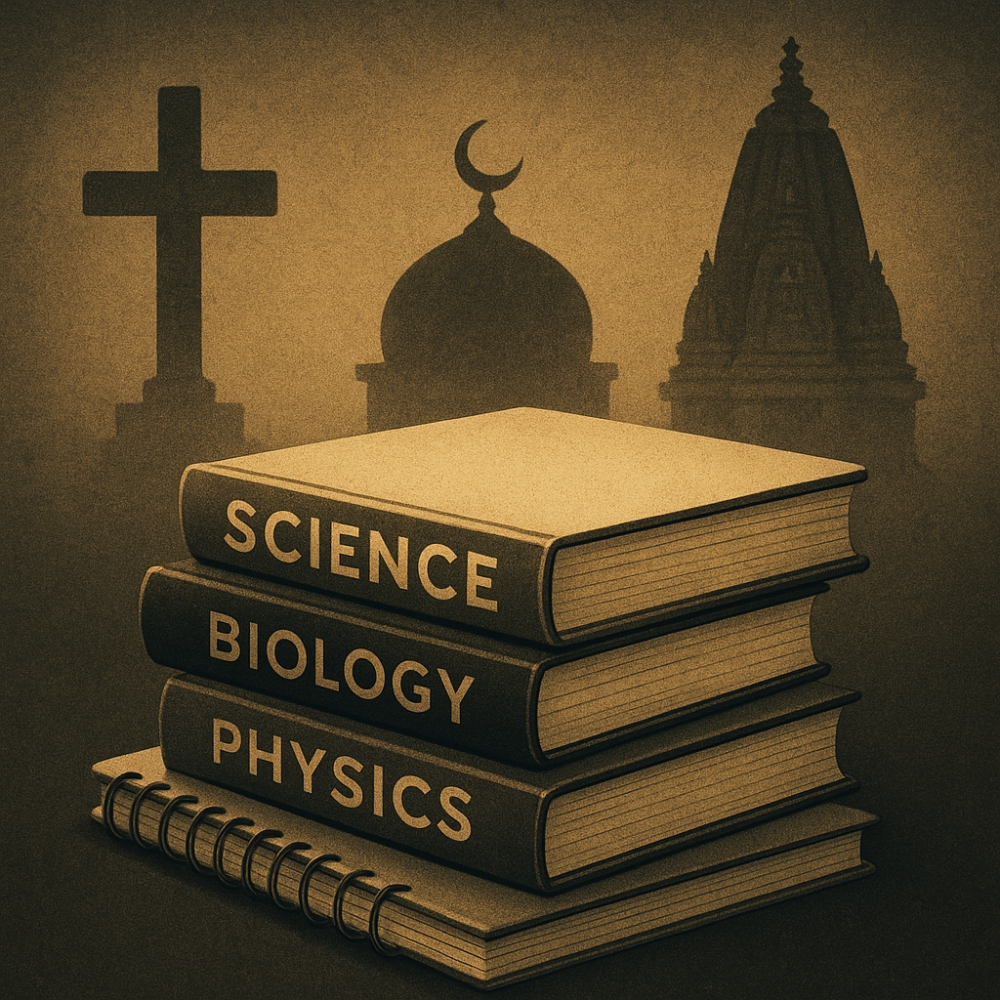
The Global South’s silent secularists: Voices often overlooked
The Global South is not one voice. It is millions. And among them are those who dare to think without divine permission. They are the silent secularists, the ones who live between faith and fear. Their doubt is not rebellion against culture. It is rebellion against control. Religion dominates most developing nations. It fills every…
-

The psychological impact of leaving a religious community
Leaving a religious community is not merely an act of disbelief. It is a psychological, social, and existential transformation. It dismantles everything that once gave meaning to life — the rituals, the people, the identity, and the idea of purpose. To walk away from religion is to face the void directly, without the comfort of…
-
Argument from authority, the grossly misused argument
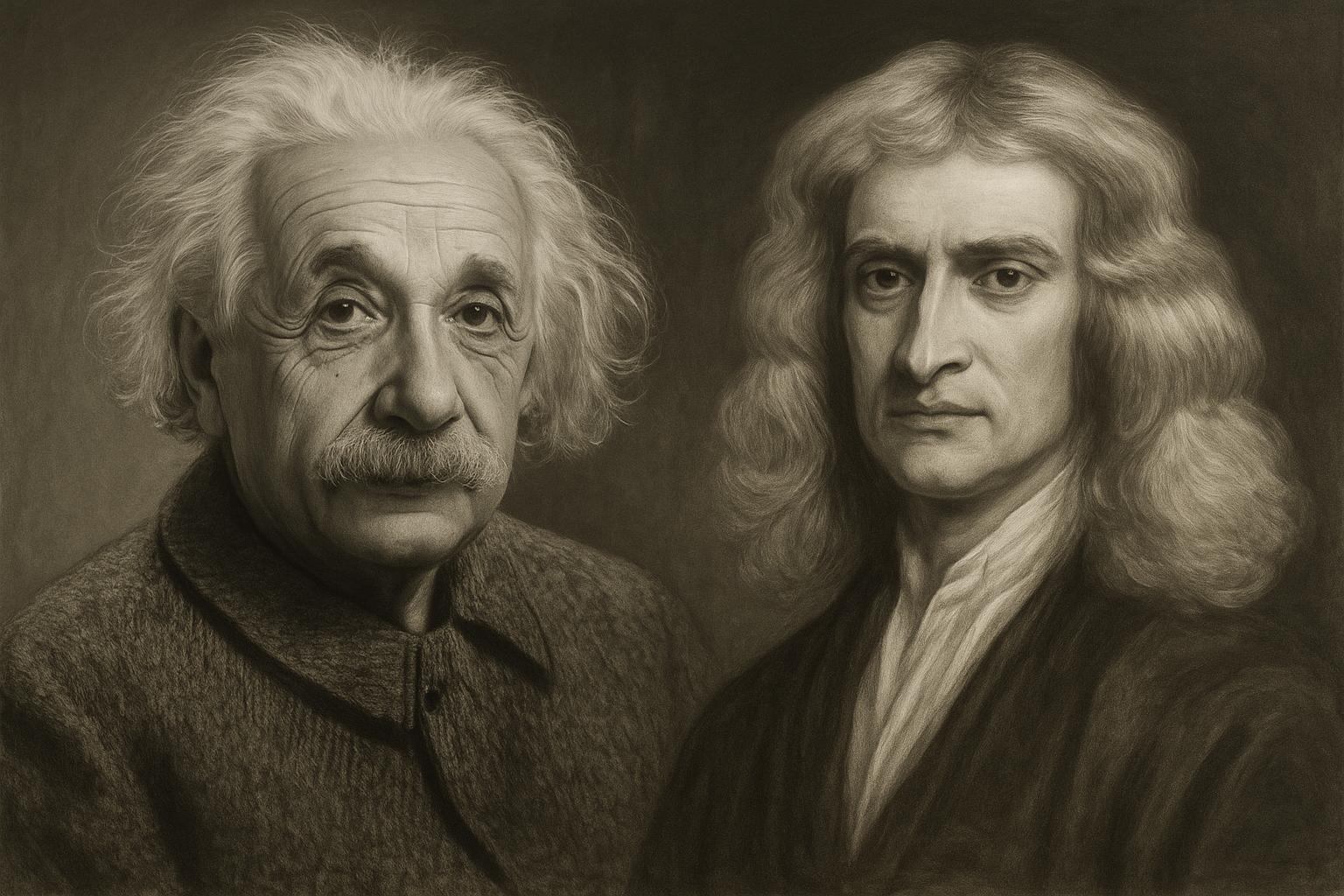
People quote Einstein, Newton, or Hawking as if their words alone decide what is true. “Einstein said it,” “Newton proved it,” “Hawking confirmed it.” But this is not reasoning. It is worship. The argument from authority is one of the most misused fallacies in human history. It gives the illusion of knowledge while replacing investigation…
-

A Richard Dawkins bust in the White House? Get used to it
It may sound absurd today — a bust of outspoken atheist Richard Dawkins being in the White House. But as American society grows increasingly secular, and as public trust in organized religion continues to decline, the idea of an atheist U.S. president no longer seems unthinkable. In fact, it is inevitable. Roughly 30% of Americans…
-

We want state atheism, but not the Chinese one
Humanity stands between two worlds. One still kneels before invisible gods, while the other slowly rises through reason and science. We dream of a civilization without religion, where people act from understanding, not superstition. Yet we must admit a danger. History shows that when governments try to erase religion by force, they replace one tyranny…
-

God cannot think
The idea that God can think sounds simple, but it collapses the moment you look deeper. Thinking means moving from not knowing to knowing, from confusion to clarity. Humans think because they lack knowledge. God, however, is said to know everything—past, present, and future. If his knowledge is complete, he cannot think, because thinking means…
-
God’s will is unknowable, making it meaningless
The phrase “God’s will” has guided billions across centuries. It is invoked to justify wars, defend peace, comfort the grieving, and control the living. Yet when examined closely, the concept collapses. If God’s will is unknowable, then it is meaningless. No one can claim to know what divine will truly entail. People may associate it…
-
What will happen to a small group of U.S. atheists?
Atheists are a small but significant group in the United States. They number in the millions, yet remain politically invisible. Politicians praise Christianity, recognize Jewish communities, mention Muslims and Hindus, and even flatter vague spirituality. But atheists almost never appear in political speech. When they do, the reaction is usually tense or hostile. The question…