Tag: big banks
-
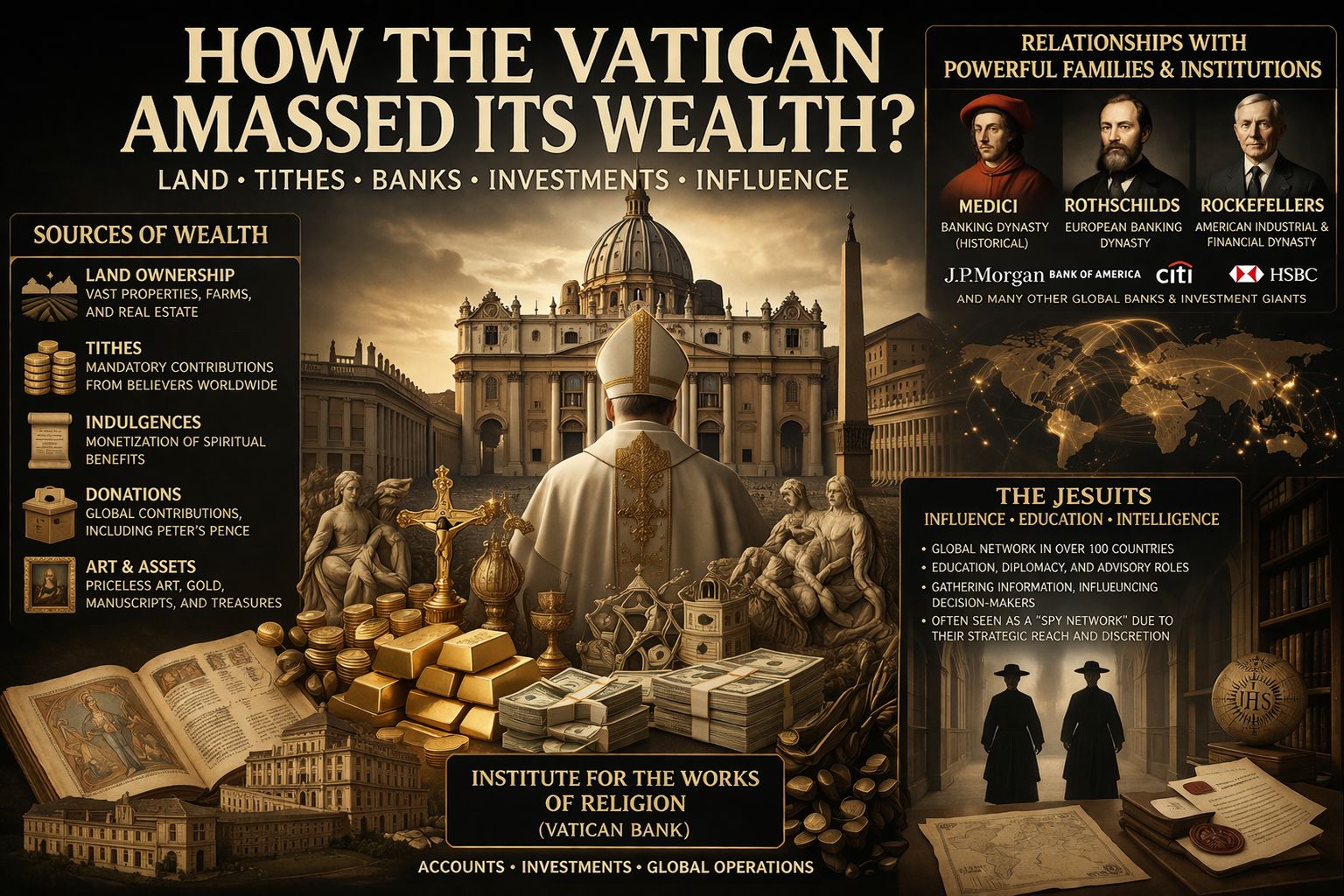
How the Vatican amassed its wealth and power
The Vatican appears as a purely spiritual institution. It presents itself as a moral authority, a religious center, and a guide for billions of believers. However, beneath this image lies a long history of material accumulation. Over centuries, the Church did not only shape belief. It built one of the most durable financial and asset-based…
-
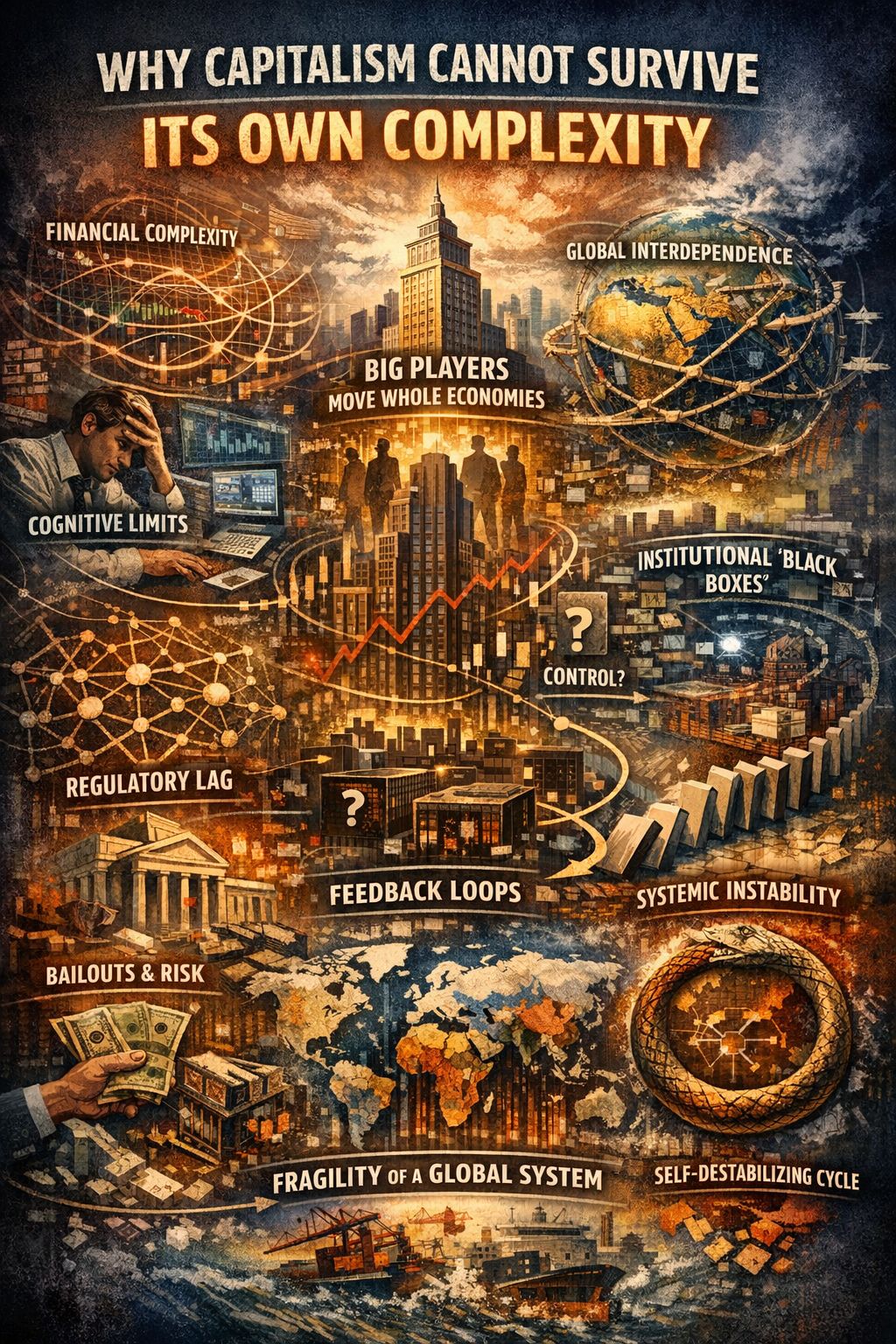
Why capitalism cannot survive its own complexity
At first glance, capitalism looks simple. It connects buyers and sellers. It rewards effort, innovation, and efficiency. It scales across societies and creates wealth at unprecedented levels. For a time, it even appears self-correcting. However, this simplicity belongs to an earlier stage. As capitalism expanded, it did not merely grow. Instead, it accumulated layers. It…
-

The American global geopolitical downfall
The decline of American global power is often described in cultural or political terms. Commentators focus on polarization, elections, leadership failures, or social conflict. While these factors matter at the surface level, they do not explain the structural shift in global power. The core mechanism of decline lies elsewhere. It lies in capital flows, financial…
-

If banks wanted the Czech government gone, It would be over
Public debate in Czechia constantly misidentifies power. It focuses on ministers, party leaders, scandals, and occasionally on flamboyant oligarchs. As a result, power appears chaotic, personal, and noisy. However, this picture misses the decisive layer. It ignores the actors who control liquidity, credit, refinancing, and market confidence. Therefore, it ignores the actors who decide whether…
-

Trump, hemispheric power, and the New Monroe Doctrine
The United States is entering a new Monroe Doctrine era. This shift does not arise from nostalgia, ideology, or a desire for isolation. It emerges from structural pressure. The global distribution of capital, power, and influence has changed faster than American institutions can adapt. Either the United States actively projects a hemispheric doctrine, or external…
-
How Western control keeps religion thriving in the Global South
Religion does not collapse under poverty. It expands with it. It grows strongest where despair, dependency, and debt dominate. In the Global South, this dynamic is no coincidence. The West built a system where money dictates morality and where faith fills the gaps left by exploitation. Behind every missionary, every NGO, and every sermon stands…
-
The hidden Jewish and Anglosaxon clientelism in the CIA
The CIA presents itself as an intelligence agency serving the United States. In reality, it has always served networks of influence — financial, ideological, and ethnic. Among these, Jewish clientelism has quietly shaped alliances, recruitment, and foreign policy priorities. Also, Anglosaxon clientelism has its say in the CIA. The goal is not to accuse an…
-
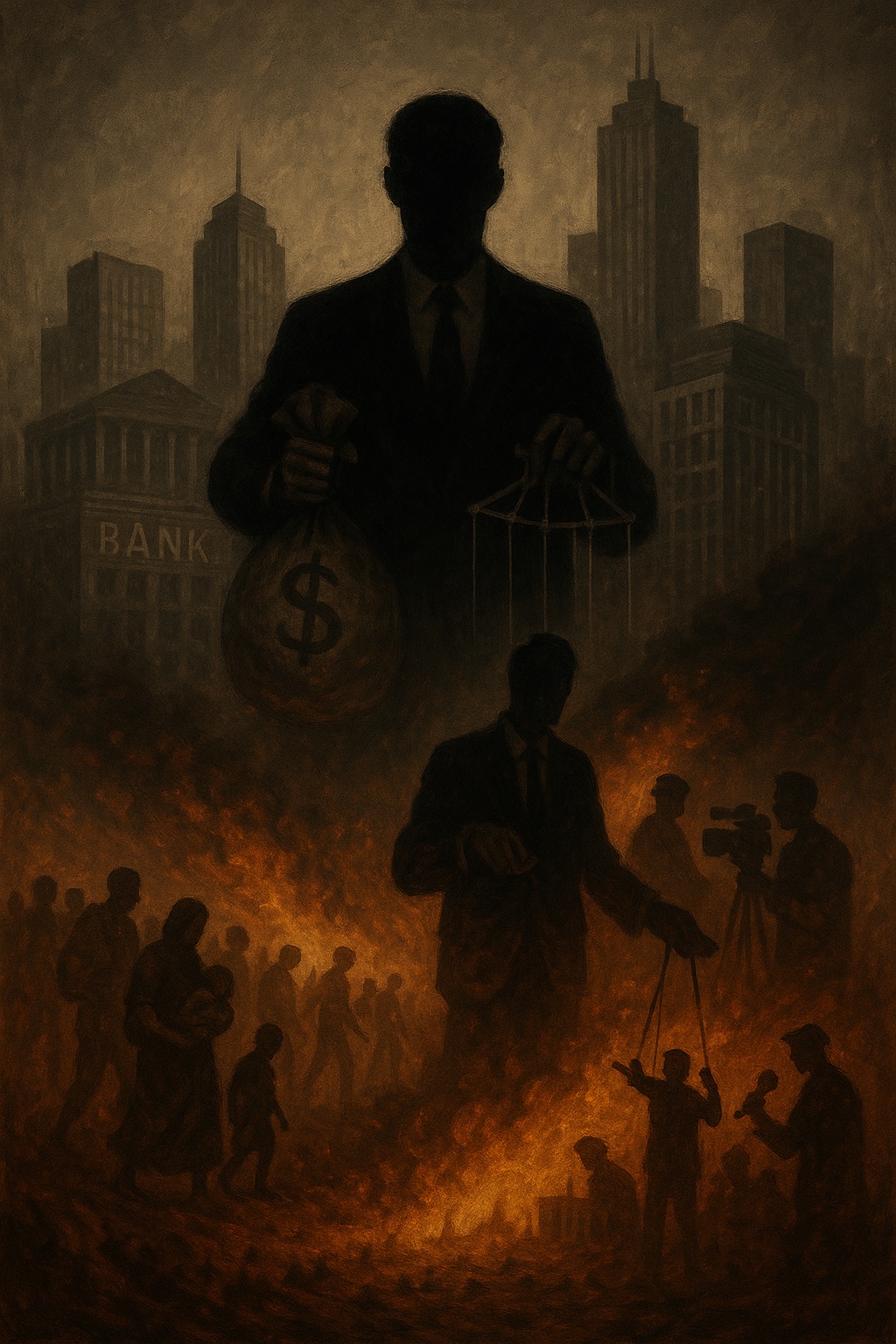
The moral emptiness of the global elite
Behind presidents and parliaments stand the true masters — the bankers. Nomi Prins exposed this in All the Presidents’ Bankers. She showed how a century of alliances between Wall Street and the White House built a financial aristocracy that never leaves power. The same families who financed wars, coups, and crises still write the rules…
-

How intelligence agencies control banks and markets
Politicians claim to rule nations. Yet many of their decisions begin somewhere else. The real power lies behind the curtains, in rooms where no one votes and no one watches. Intelligence agencies form a global empire that never runs for office but quietly dictates what elected leaders can and cannot do. Their reach goes far…
-

200 years of a bank, 200 years of human misery
Two centuries of existence is a milestone for any institution. An unnamed bank celebrates it with pride, banners, and self-congratulation. Yet what exactly is being celebrated? Behind the polished speeches and champagne lies a darker truth. For 200 years, ordinary people suffered while this bank thrived. That contrast is grotesque. Life 200 years ago Two…