Tag: politics
-
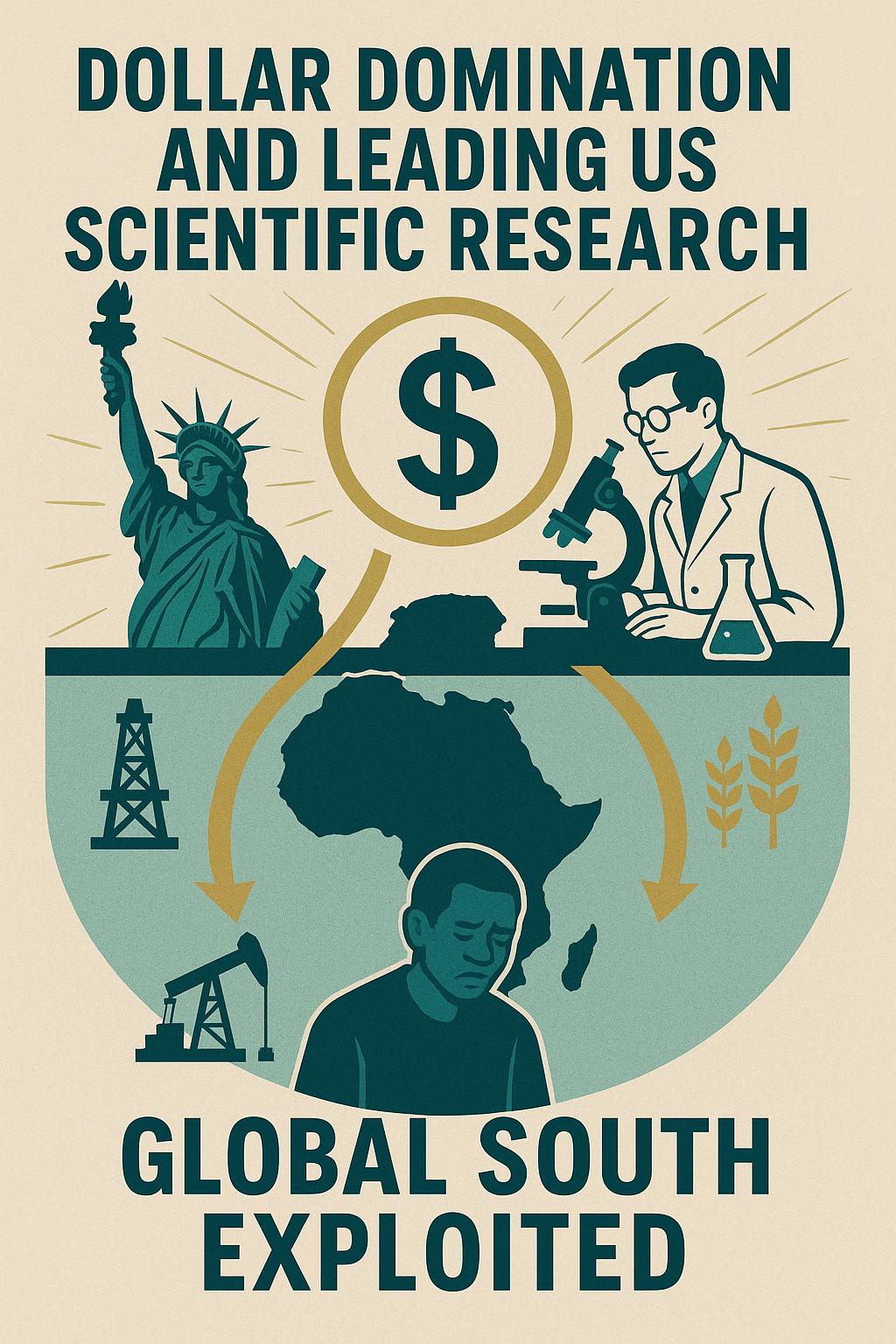
Dollar domination and leading US scientific research
The United States stands as the world leader in science. It also controls the world’s money. These two powers are not separate achievements. They are deeply connected. The financial supremacy of the dollar provides the material basis for American research. Without this advantage, U.S. science would look very different. The Global South, on the other…
-
What has led to the downfall of the USSR
The collapse of the Soviet Union was one of the most decisive events of the twentieth century. It ended the Cold War, dissolved a superpower, and reshaped the map of Eurasia. Yet more than thirty years later, the question of why the USSR fell still provokes debate. Countless explanations exist—some emphasize dissidents, others point to…
-
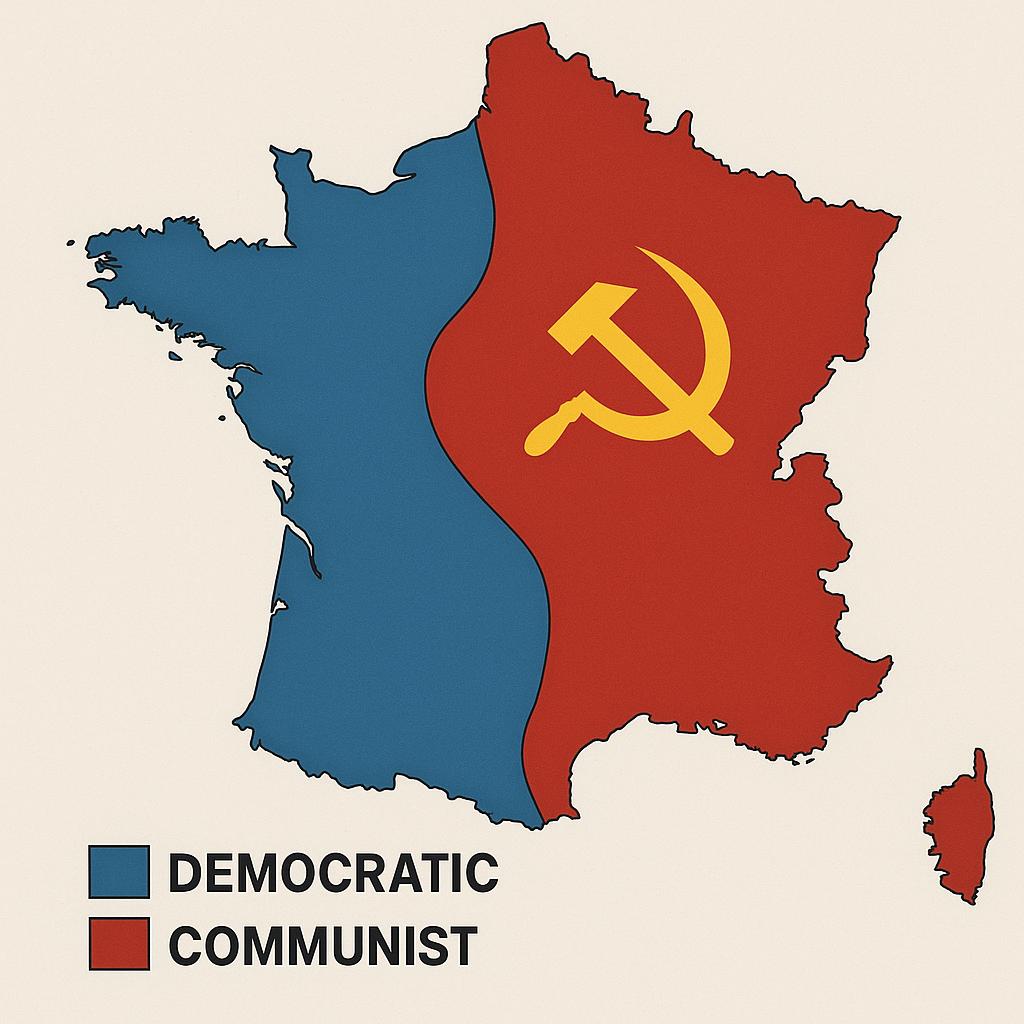
Alternate European Orders in Cold War and post-WWII games
The Cold War defined the fate of Europe. Yet, although real history produced NATO, the Warsaw Pact, and a fragile balance of neutral states, this outcome was not inevitable. Instead, the order of the continent was the product of choices, compromises, agreements, and accidents. Alternate-history games explore these uncertainties, offering players the chance to imagine…
-
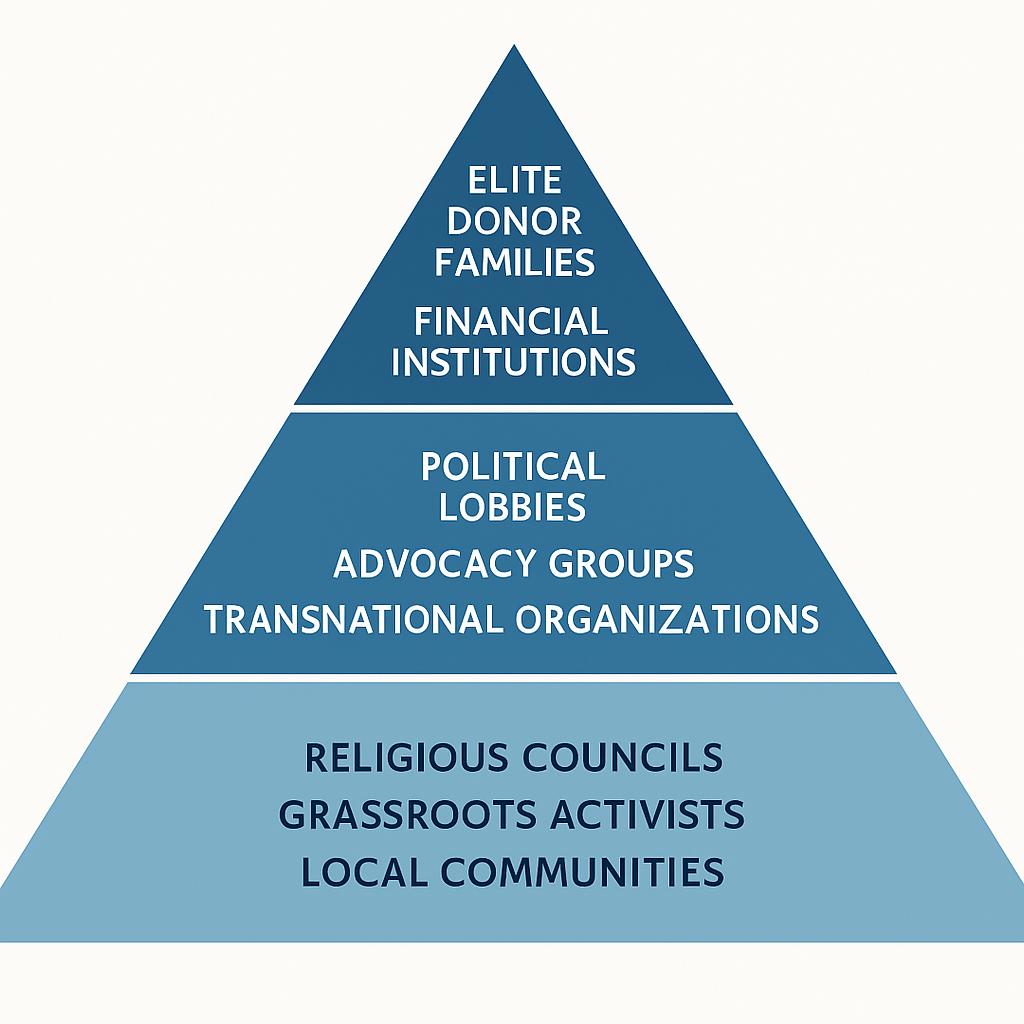
Pro-Israel and Anti-Israel Jewish clientelism
Jewish clientelism is one of the most powerful political and financial systems in the modern world. It is not myth or rumor. It is visible in lobbying, banking, and international diplomacy. Its strength comes not from a single cabal but from competing factions that fight for dominance while relying on the same patronage networks. This…
-
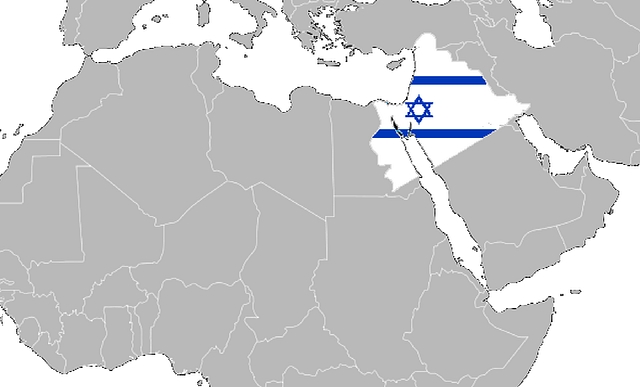
Greater Israel, a dangerous idea
The vision of “Greater Israel” has haunted Zionist politics since the beginning. For its advocates, it is a biblical promise. For nationalists, it is destiny. In reality, it is a dangerous idea. It legitimizes mass killing, destabilizes the Middle East, and undermines the world’s fragile order built after 1945. It also centers on one figure…
-
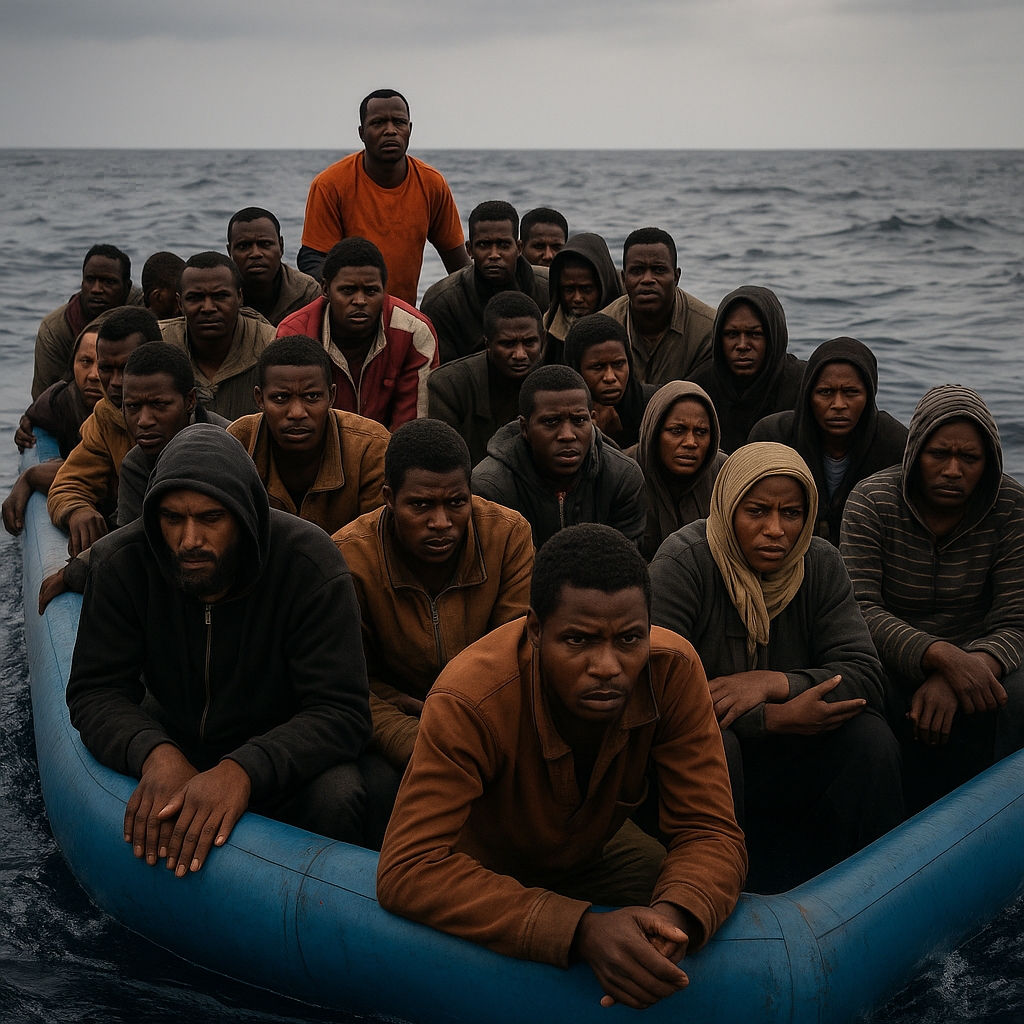
Death in their country or on the boat?
For millions of people, the choice is brutal and final. Stay in their homeland and die slowly, or risk dying quickly at sea. There is no safety net. There is no third way. They live in countries where food is scarce, wages are nonexistent, health care is a fantasy, and the future is a blank…
-
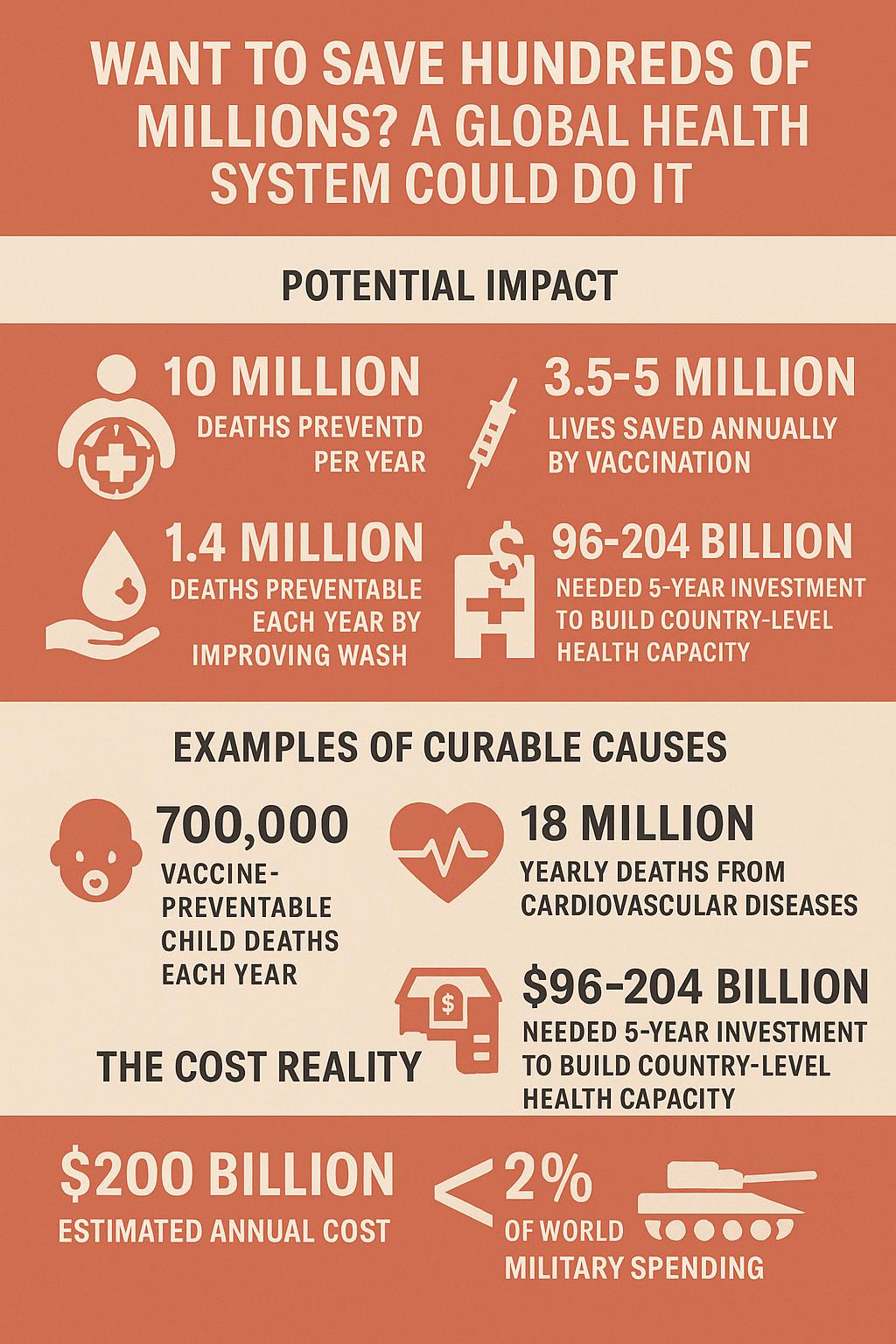
Global health care system? 90 million people could live in a decade
A truly global health system could save more lives than any single humanitarian effort in history. It would not just prevent millions of deaths every year—it would raise the quality of life for billions. Contrary to what many assume, it would not be prohibitively expensive, even for developed countries. And more importantly, it would prove…
-
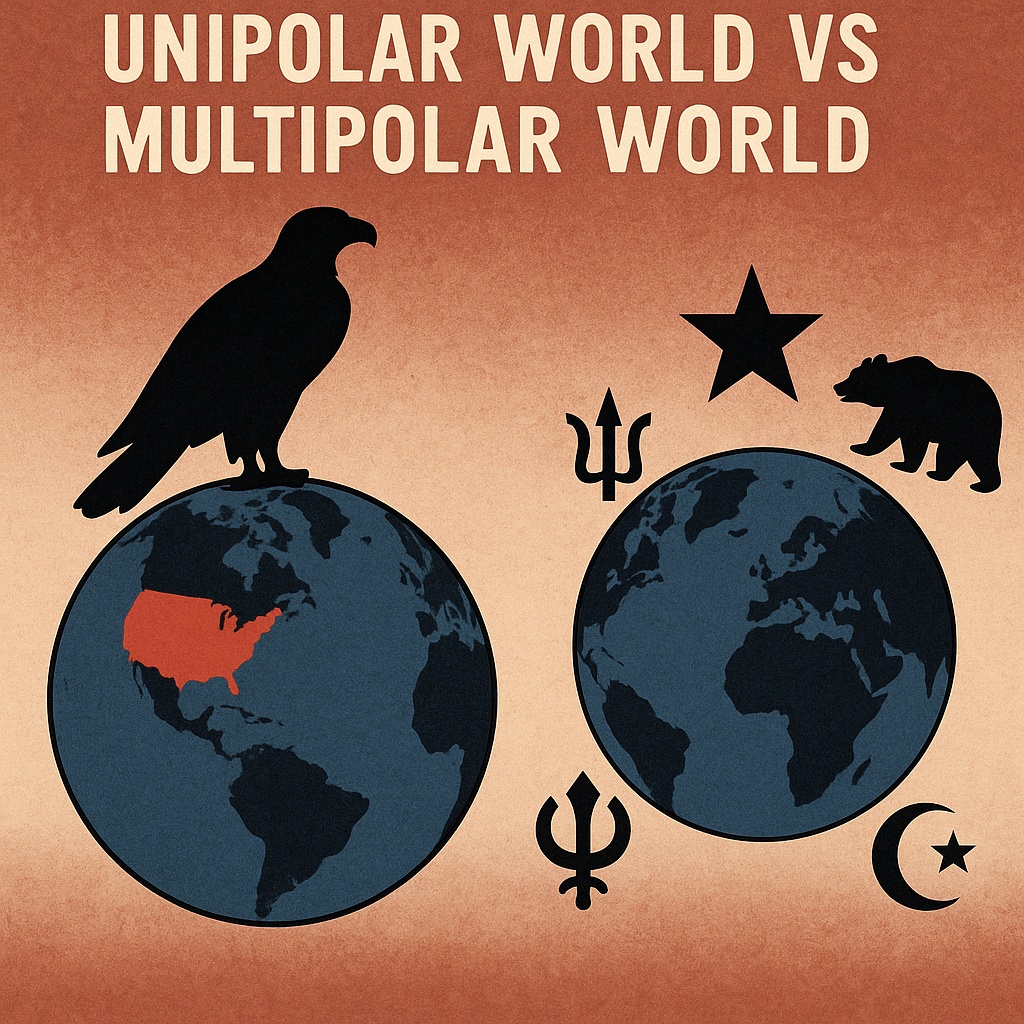
Unipolar world vs multipolar: Full guide
Global power never stays frozen. It shifts with economic growth, military strength, and cultural influence. At the highest level, there are two basic shapes of the world order. A unipolar world has one dominant power setting the rules. A multipolar world has several major powers competing and cooperating. History has seen both—and each brings its…
-

We can question Christianity, not Islam
You can question Christianity in most Western countries, you can mock it, you can publish it. And you will face criticism, maybe protests, but not a death sentence.Now compare that with many Muslim-majority states. Question Islam. Name the Prophet. Challenge scripture. You can face prison. You can face mobs. In some places, you can face…
-
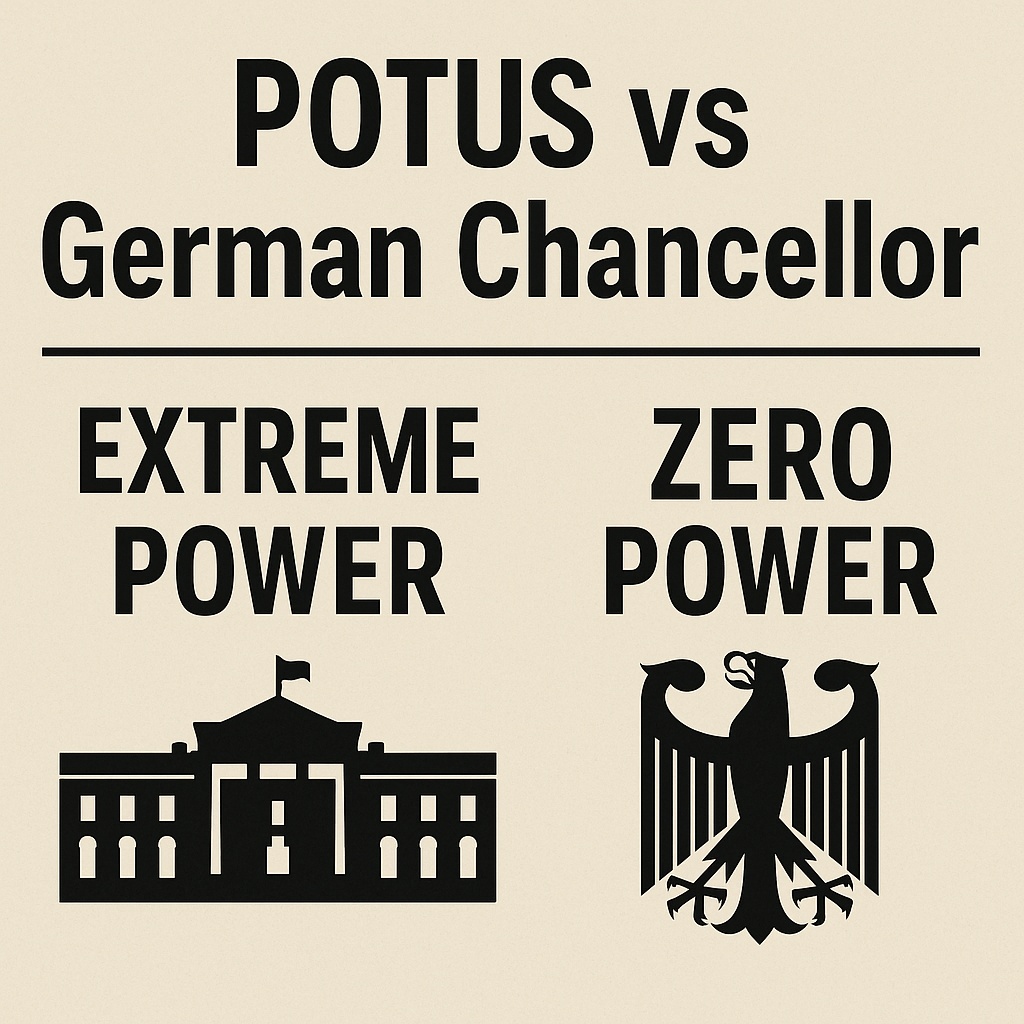
POTUS vs German chancellor: Extreme vs zero power
The president of the United States commands one of the most concentrated portfolios of power in modern history. The German chancellor, by contrast, operates within a framework built to restrain authority. Both offices lead advanced economies. Both sit at the heart of alliances. Yet only one wields the tools to change the world overnight. The…