Tag: science
-

The feeling of being stupid and knowing better
When I walk through my hometown of Jičín and pass its churches, I do not feel reverence; instead, I observe evidence. I move between the medieval church from the 13th or 14th century and the newer church from the 1600s; together, they form a continuous record of how humans once explained reality. These buildings do…
-
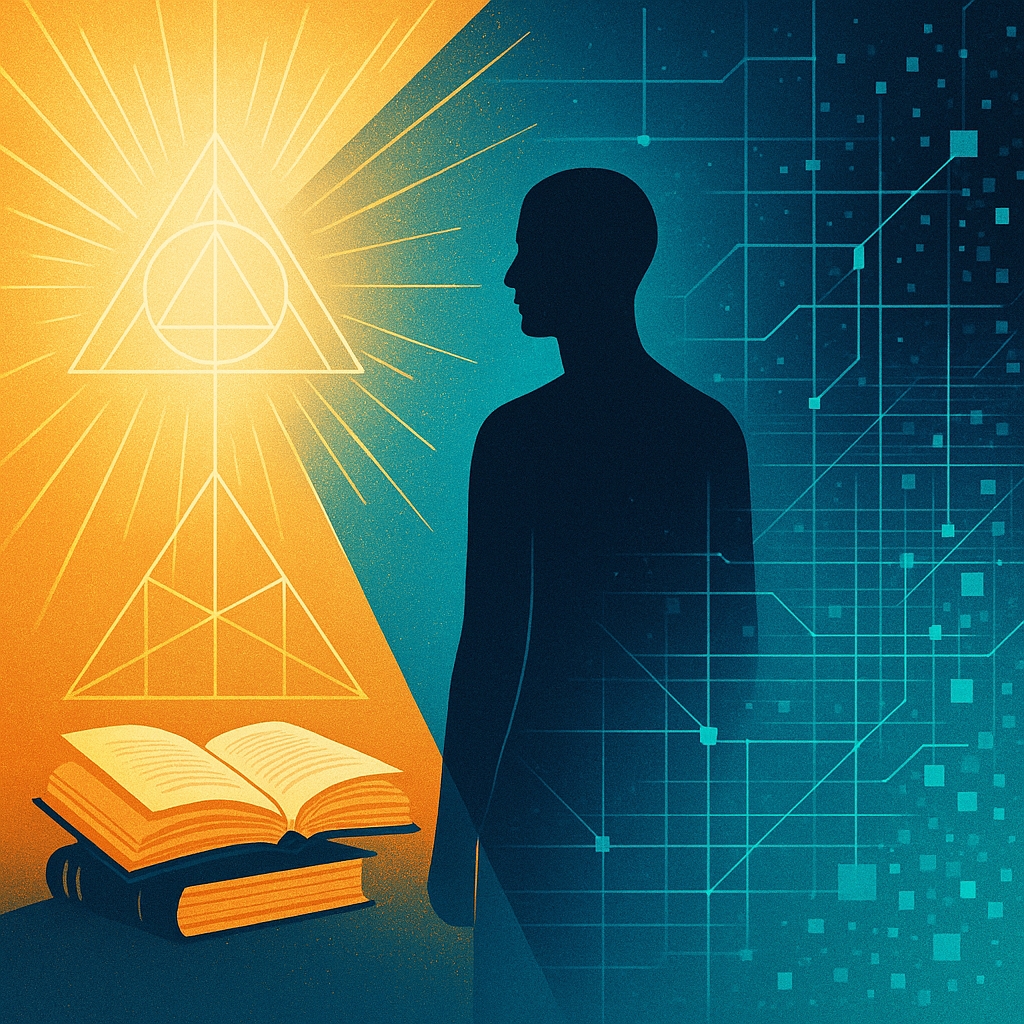
Enlightenment echoes in a fragmented century
The Enlightenment reshaped how humanity thinks, argues, and governs. It turned reason into a public force rather than a private habit, and it built the mental architecture of modern life. Today we swim in digital noise, emotional narratives, identity battles, and ideological tribalism. Therefore the Enlightenment feels both triumphant and threatened. People enjoy technologies that…
-
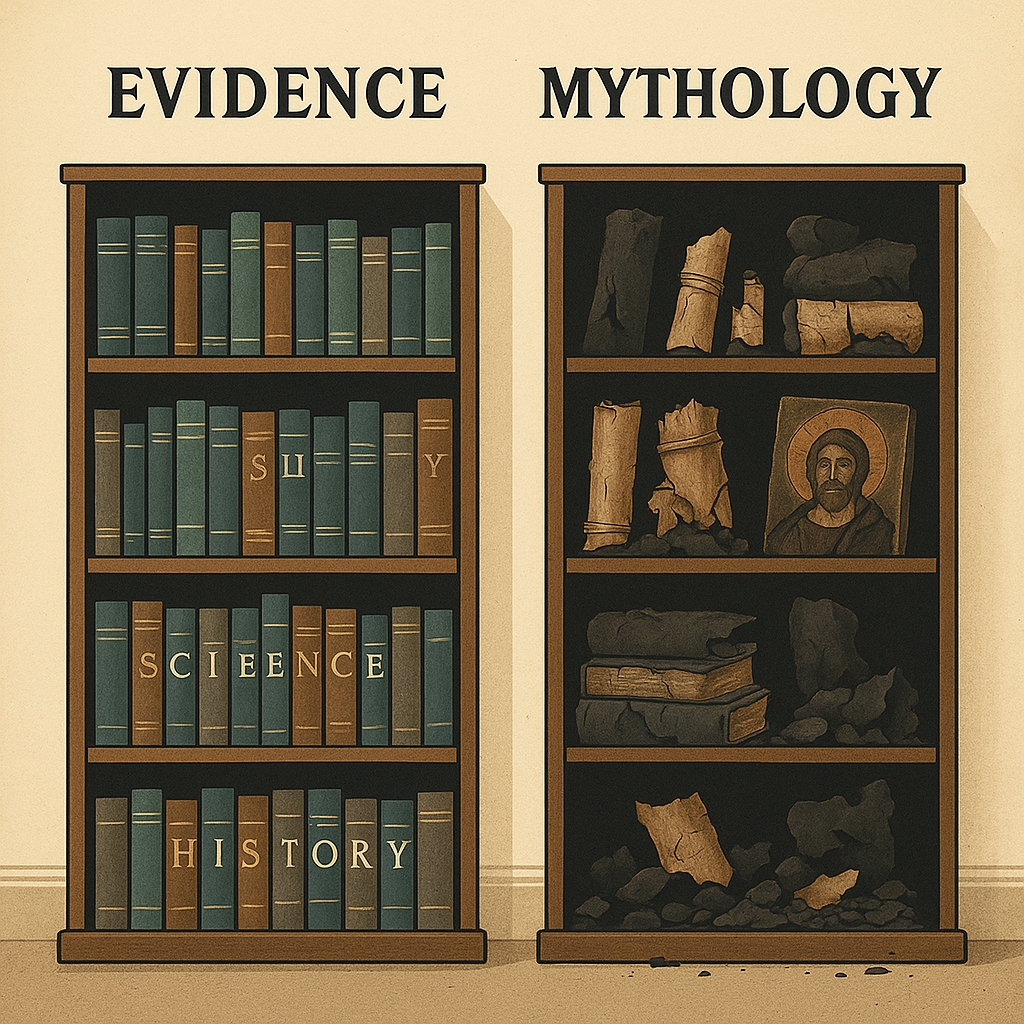
Facing Jesus’ non-existence: Two approaches
Every honest inquiry begins with discomfort. And nothing creates more discomfort than asking whether Jesus ever existed at all. Once you look at the historical evidence, the silence becomes deafening. The era overflowed with chroniclers who described everything: uprisings, quacks, prophets, magicians, riots, executions, natural phenomena, and obscure cults. Yet they never described Jesus. This…
-
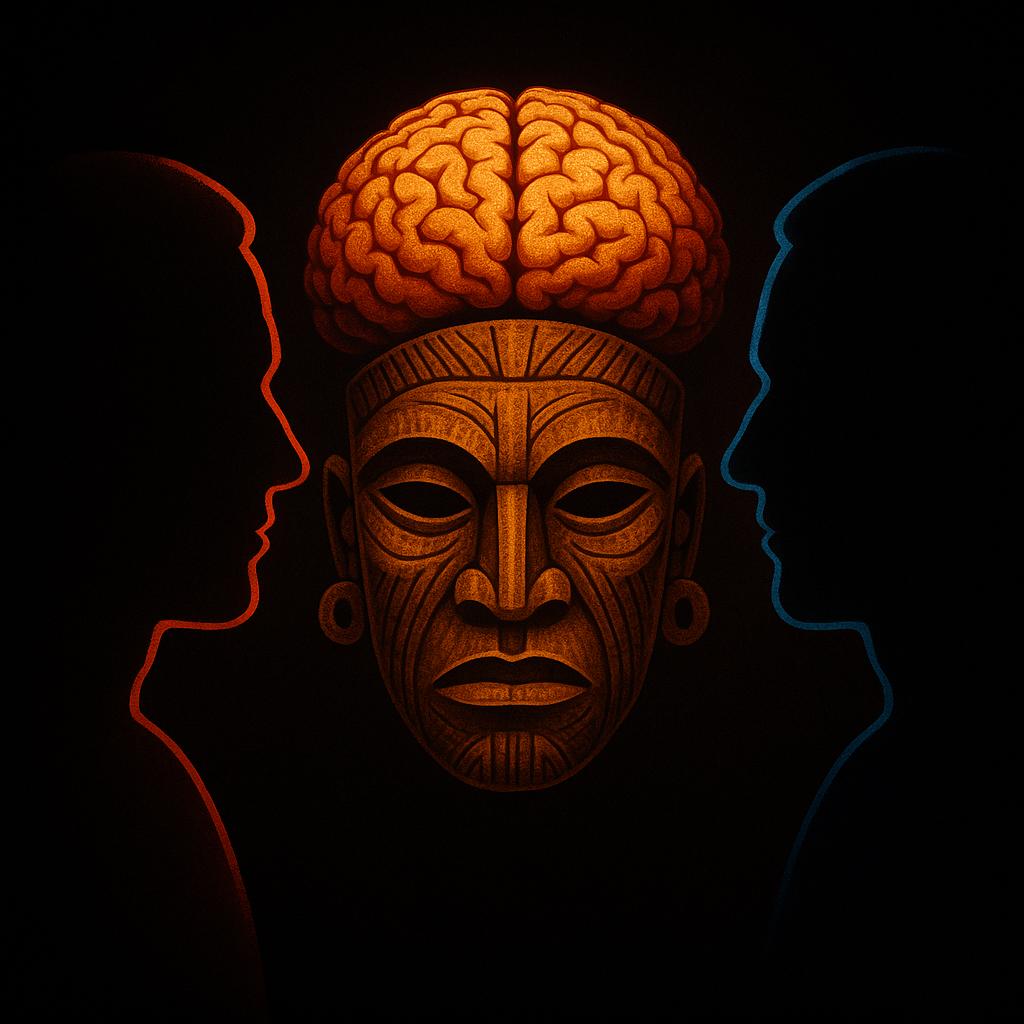
The ancient tribal instincts behind political polarization
Political polarization did not begin with modern politics. It began in the deep past. Humans evolved inside small tribes where loyalty meant survival and disloyalty meant danger. Because of that, our brains still react to politics as if we lived in hostile plains filled with rival clans. Therefore modern polarization is not rational disagreement. It…
-
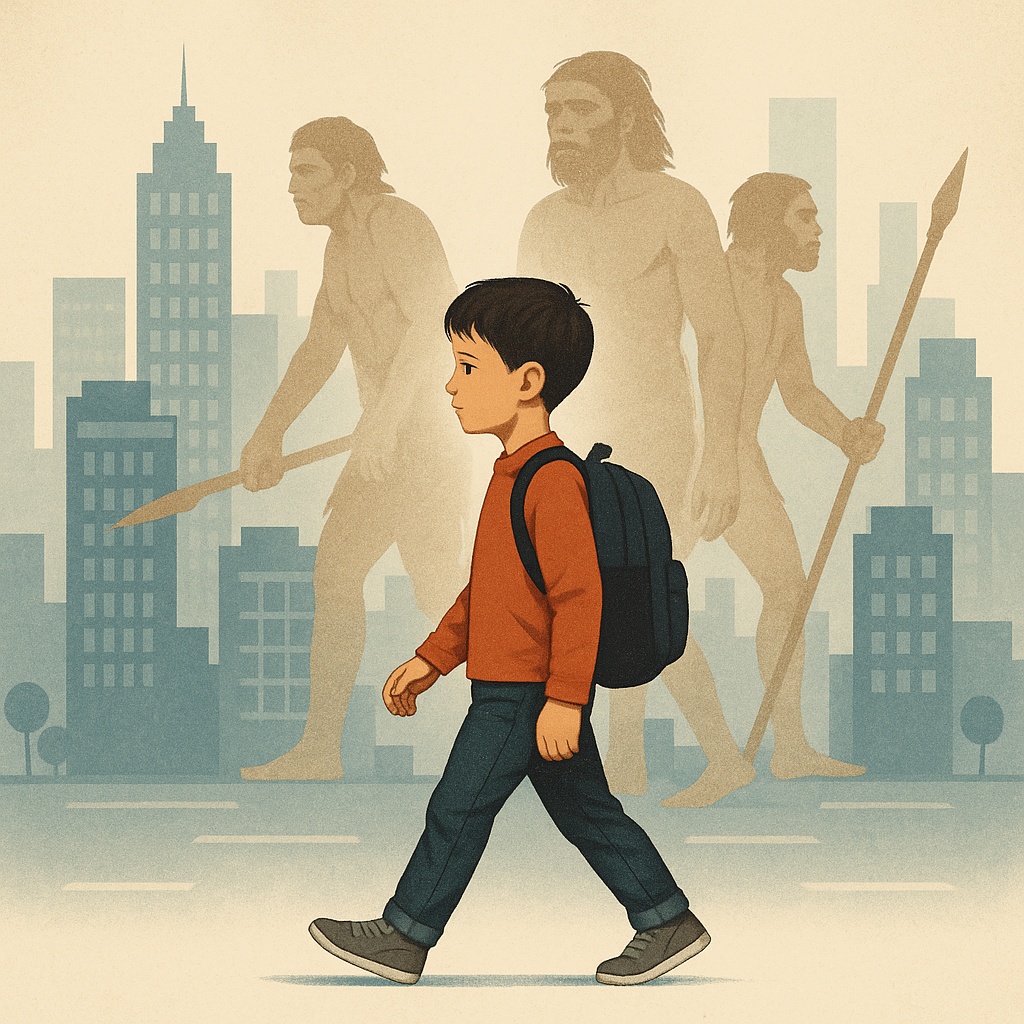
What children instinctively know: Pure evolutionary psychology
Children reveal the deepest layers of human nature. They act before culture reshapes them. They respond to the world with instincts older than civilization. Their reactions expose the evolutionary psychology we still carry inside our minds. Children read hierarchy, alliances, resources, threats, and reputation with astonishing accuracy. They know who matters inside a group, they…
-
Intelligence is not enough: You must learn how to use it
Intelligence does not guarantee good thinking. Intelligence gives potential, but potential does not create mastery. Psychologists repeat that people must learn how to use intelligence. They say that raw IQ means nothing without attention, awareness, and method. This raises an uncomfortable question. Will the brain allow you to use the intelligence you have? Or will…
-
Freethought and the neuroscience of belief
Freethought begins in the brain. It does not start with atheism, philosophy, or rebellion. It starts with understanding how neural circuits create conviction. The brain evolved for quick decisions, not for truth. It rewards certainty and punishes doubt. It embraces tribal loyalty and rejects unfamiliar facts. Therefore freethinking does not fight religion alone. It fights…
-
The psychological impact of leaving a religious community
Leaving a religious community is not merely an act of disbelief. It is a psychological, social, and existential transformation. It dismantles everything that once gave meaning to life — the rituals, the people, the identity, and the idea of purpose. To walk away from religion is to face the void directly, without the comfort of…
-
You are the exceptional thing in the universe
You are not eternal. You are not a recycled soul wandering through endless lifetimes. And you are a one-time event — a conscious robot built by evolution, running on fragile flesh and electric neurons. In this infinite and indifferent universe, you are the only version of yourself that will ever exist. Your consciousness, this flicker…
-
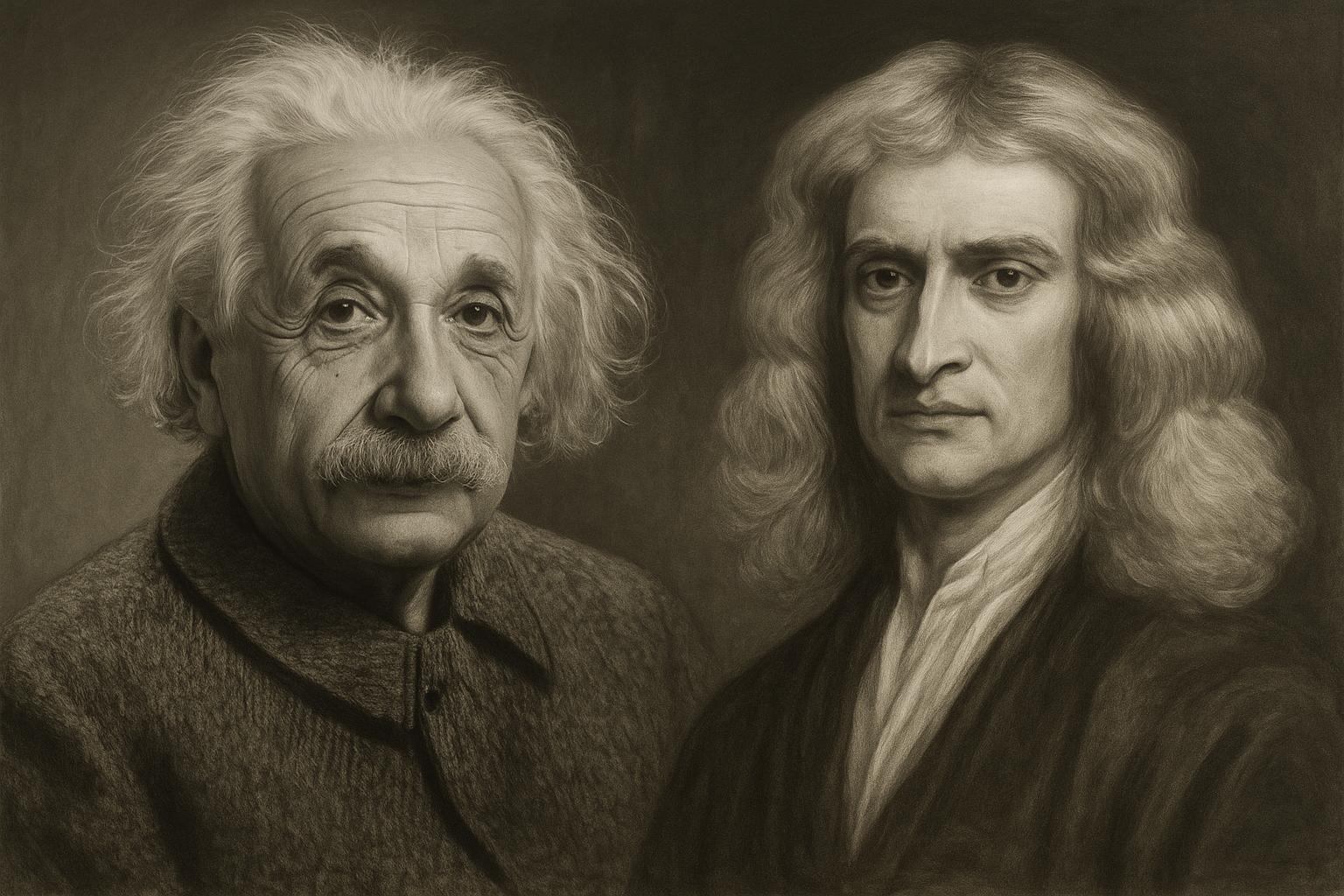
Argument from authority, the grossly misused argument
People quote Einstein, Newton, or Hawking as if their words alone decide what is true. “Einstein said it,” “Newton proved it,” “Hawking confirmed it.” But this is not reasoning. It is worship. The argument from authority is one of the most misused fallacies in human history. It gives the illusion of knowledge while replacing investigation…