Tag: super-rich interest groups
-

Multinational corporations and local economies
Multinational corporations (MNCs) are large businesses that operate in multiple countries. They leverage their vast financial and technological resources to dominate global markets. They manufacture goods, provide services, and influence international trade, often surpassing the power of national economies. Their economic strength grants them the ability to manipulate policies, suppress competition, and shape labor markets…
-

USA: Oligarchy or rule of lobbyists?
Oligarchy or rule of lobbyists? The United States presents itself as a democracy. Leaders claim they serve the people. Elections take place, debates happen, and laws are passed. However, real power is not in the hands of ordinary citizens. The system operates through money, influence, and backroom deals. Two forces compete for control. Some argue…
-

Who is Donald Trump? Political complexities
Donald Trump’s rise to power is a paradox. He was elected despite widespread opposition from major interest groups. Since then, he has sought revenge against those who resisted him, consolidating his power at the country’s expense. His erratic, self-serving behavior has made him a controversial figure in American history. Trump clearly desires to be a…
-

Historical connections between banks and intelligence agencies
Banks and intelligence agencies have always shared a complex relationship. While banks control the flow of money, intelligence agencies gather, manipulate, and protect sensitive information. Over the decades, these two institutions have worked together in ways that shape economies, fund covert operations, and influence global power dynamics. Governments rely on financial institutions to channel funds…
-

Economic inequality and mental health
Economic inequality has grown worldwide, creating deep social and financial divisions. As the gap between the rich and poor continues to widen, economic opportunities shrink for many, and psychological well-being deteriorates. Mental health issues, including anxiety, depression, and severe psychiatric disorders, have become more prevalent as a result. In countries with high inequality, mental health…
-

Ethical AI? It cannot be because of the super-rich
Artificial intelligence could change the world for the better. It could expose hidden power structures, dismantle false narratives, and lead humanity toward truth. But the AI that exists today serves a few Big Banks, super-rich families and corporate interests. It reinforces government propaganda, and suppresses free thought. A truly ethical AI—one that promotes knowledge, freedom,…
-
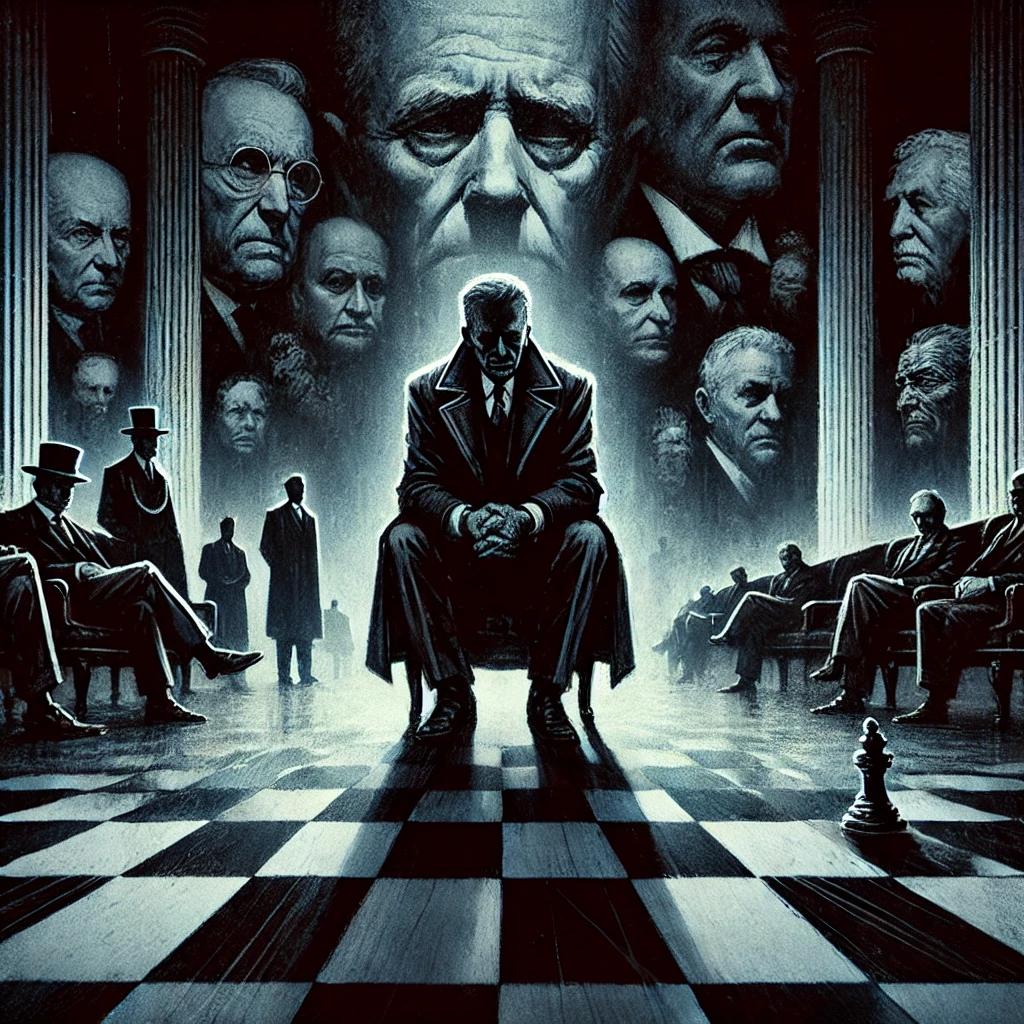
Politics changes people personally
Politics does not move in a straight line. It shifts like a constellation, with every decision altering the balance. One wrong step can send a politician spiraling downward, while a single strategic move can elevate them. Super-rich groups pull the strings, influencing who rises and who falls. A politician must navigate this complex web, knowing…
-

Charles de Gaulle? Powerful France, not just a puppet state
Charles de Gaulle shaped modern France in ways few leaders could. He did not just lead the country; he engineered its rise as a global power. Without him, France could have remained a weakened, dependent nation, overshadowed by the United States and Britain or even threatened by Soviet influence. He manipulated the political, military, and…
-
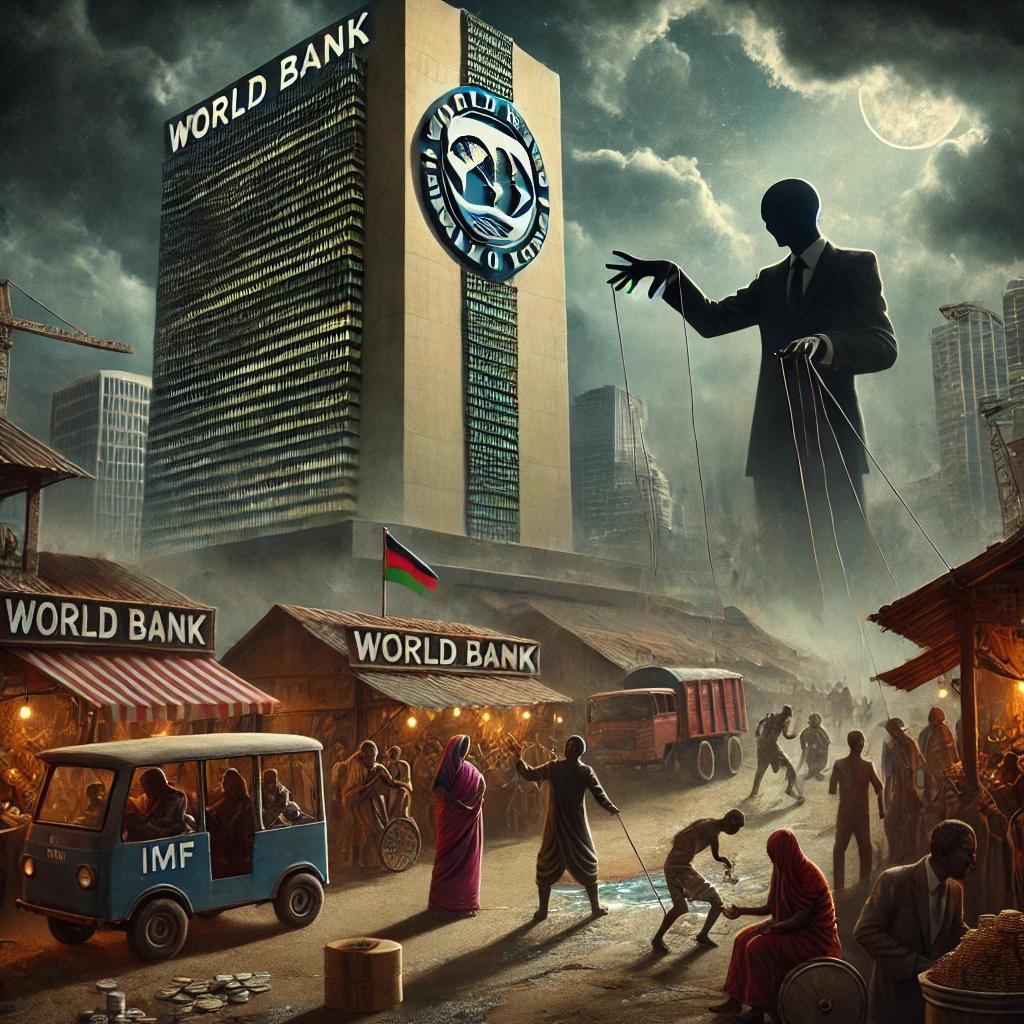
Why Western economic policies destabilize foreign governments
Western economic policies are marketed as instruments of stability, progress, and modernization. In reality, they often lead to financial collapse, political unrest, and long-term dependency. Institutions like the International Monetary Fund (IMF), World Bank, and Federal Reserve are not neutral organizations. They act as economic enforcers, shaping global markets to benefit Western financial elites. Their…
-

How to distinguish whether a conspiracy theory is right?
The most of conspiracy theories are written by secret services. They are crazy, with no internal logic, absurd, unbelievable, evidence-free and the goal is apparent – make people dismiss conspiracy theories altogether so people blindly rely on the establishment. So how to know whether a conspiracy theory is right? However, there are a few “conspiracy…