
Russia repeatedly claims that it now fights alone against the West. This claim appears persuasive at first glance, especially when framed as a civilizational struggle. However, once history enters the discussion, the narrative starts to unravel. Again and again, Russia survived major conflicts not through isolation, but through alliances, indirect support, or favorable global conditions. Conversely, when Russia truly stood alone, defeat followed with striking consistency.
Empire building never meant solitude
To begin with, Russia did not rise as a lonely defender surrounded by enemies. Instead, it expanded as a continental empire in an environment where rivals remained fragmented and uncoordinated. Steppe societies lacked unity. Neighboring powers often fought each other. Geography rewarded slow, steady expansion. Population size amplified endurance.
At the same time, Russia relied heavily on external knowledge. Western officers trained Russian armies. Foreign engineers built fleets, fortifications, and later railways. Administrative models arrived from abroad. Therefore, even early Russian power depended on absorption rather than isolation.
The Napoleonic Wars: survival does not equal victory
Moving forward, the Napoleonic Wars illustrate a crucial distinction that Russian memory often blurs. Russia did not defeat Napoleon alone. It endured invasion and inflicted losses, yet endurance was only one part of a much larger coalition war.
Britain financed the anti-French effort and controlled the seas. Prussia rebuilt its army and re-entered the war. Austria shifted sides. Sweden applied pressure in the north. Consequently, while Russia provided space, manpower, and time, the destruction of Napoleon’s power came from coordinated European effort.
Thus, Russia survived 1812. Europe ended the war.
The Crimean War: Isolation tested and failed
In contrast, the Crimean War offers a rare example of Russia approaching real isolation. Importantly, this case exposes what isolation actually produced.
Britain and France deployed modern navies, weapons, and medical systems. Russia lagged technologically and logistically. Railways failed to deliver supplies. Disease devastated troops. Command structures collapsed under pressure.
As a result, defeat followed. Reform came only because failure forced it. Isolation did not generate strength. It revealed weakness.
The Russo-Japanese war: Repetition without learning
Shortly afterward, the Russo-Japanese War repeated the same lesson. Russia entered the conflict without strong allies and underestimated its opponent. Distance strained logistics. Command decisions faltered. Japan destroyed the Russian fleet.
Meanwhile, defeat sparked domestic unrest and accelerated revolutionary pressures. Once again, fighting near-alone ended not in triumph, but in humiliation.
World War I: Alliance until internal collapse
Turning to World War I, Russia once more relied on allies. As part of the Entente, it received loans, supplies, and strategic coordination from Britain and France. This support mattered. It sustained the war effort despite enormous losses.
However, when revolution severed those connections, the system collapsed. Supply chains broke. Authority vanished. Russia exited the war defeated. Accordingly, alliance prolonged the fight, while isolation ended it.
World War II: The central myth dismantled
The most persistent distortion concerns World War II. The idea that the Soviet Union defeated Nazi Germany alone does not survive logistical scrutiny.
Soviet Union fought with extraordinary sacrifice. That part remains undeniable. Yet sacrifice did not occur in isolation.
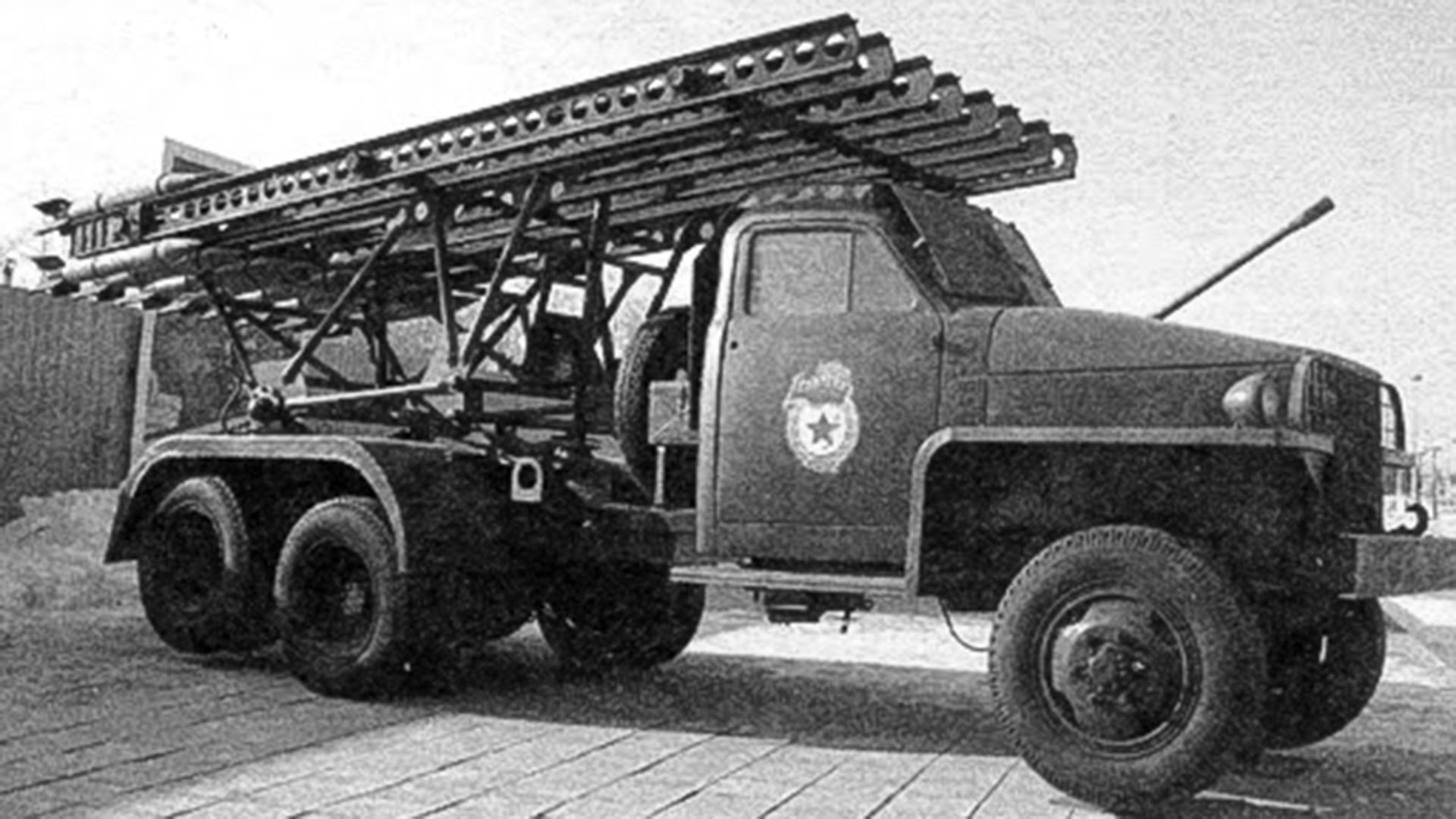

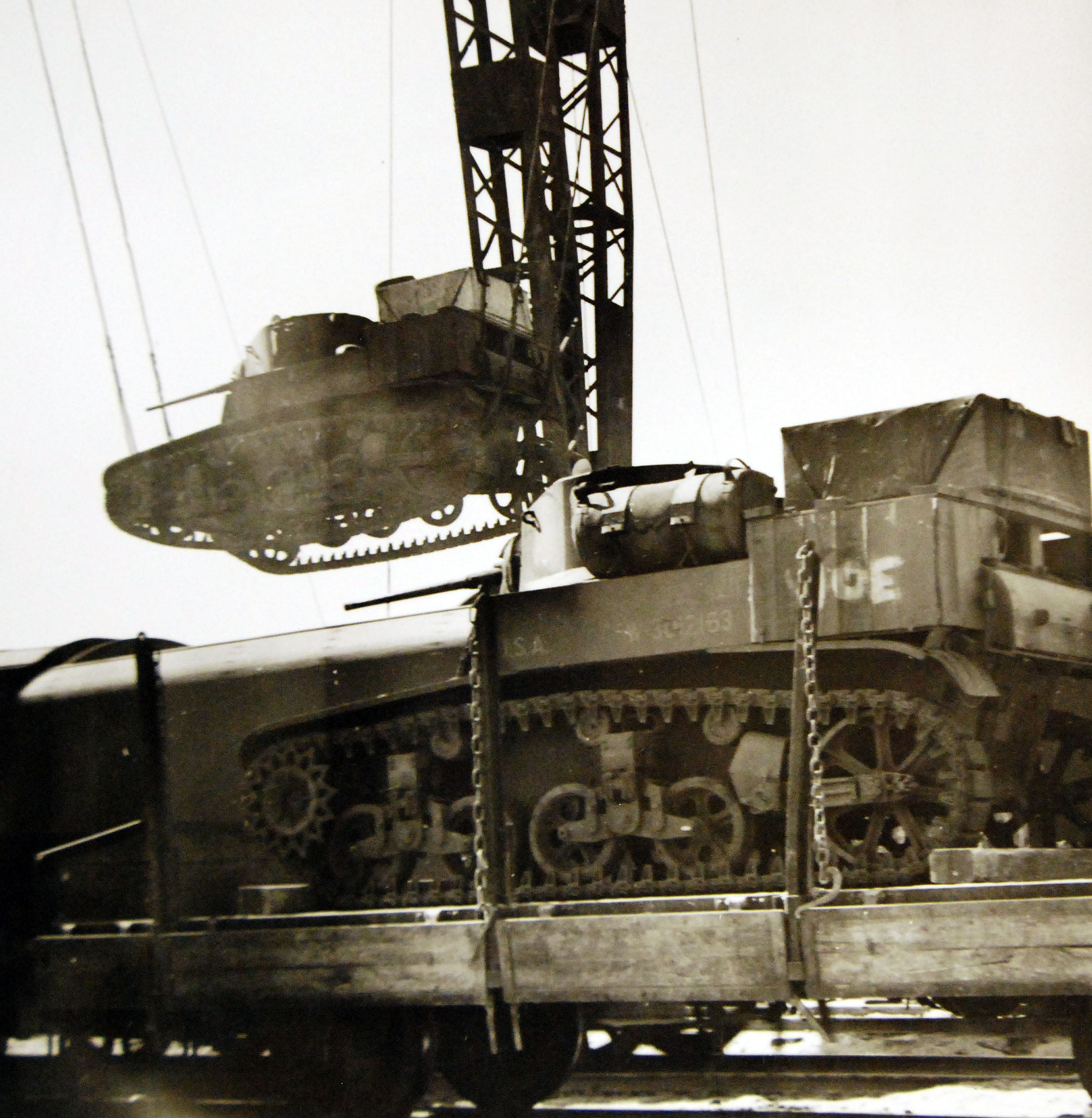
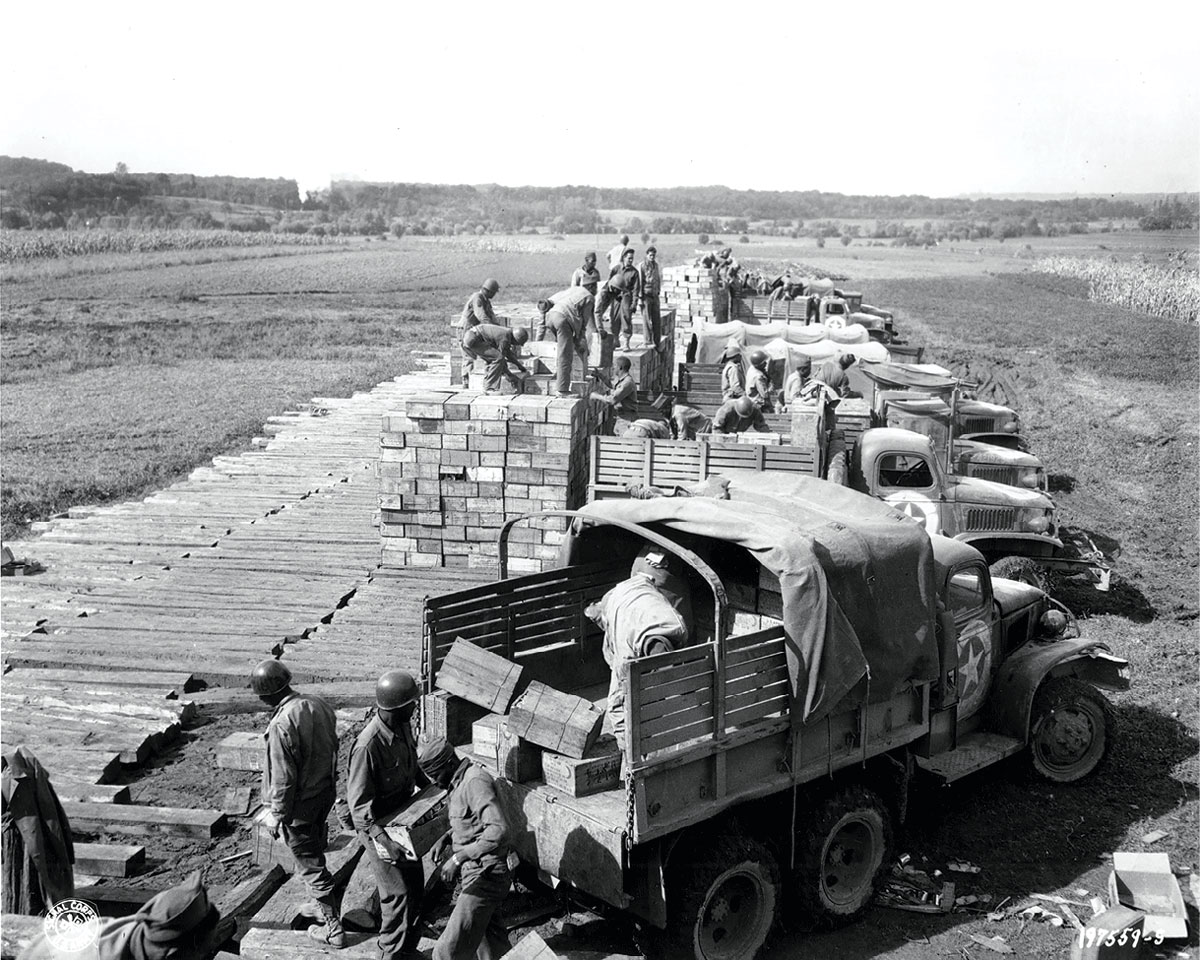
The United States and Britain supplied trucks, locomotives, rails, fuel, aluminum, food, radios, explosives, and machine tools. These deliveries enabled mobility, coordination, and sustained offensives. At the same time, Germany fought on multiple fronts. Allied bombing destroyed industry. Naval blockades restricted resources.
Consequently, the Soviet Union provided manpower and blood, while the West supplied the industrial backbone. Remove either element, and the outcome changes dramatically.
The Cold War: Power through blocs, not solitude
After 1945, Russia never returned to isolation. Instead, it operated through blocs and proxies. Conflicts in Korea, Vietnam, Afghanistan, Africa, and the Middle East all involved client states, arms transfers, intelligence sharing, and economic backing.
Therefore, even ideological confrontation relied on networks rather than loneliness.
Post-Soviet Wars: Limited scope, indirect support
Following the collapse of the Soviet Union, Russia fought mostly limited wars. Chechnya remained internal. Georgia stayed regional. Syria depended on Iran, Hezbollah, and diplomatic shielding by China. Russian air power proved effective largely because others held ground forces.
Again, coordination shaped outcomes.
The present war: The myth inverted
Now consider the current conflict.
Ukraine fights with its own soldiers, its own demographics, and its own future. No NATO troops fight Russia directly; no Western pilots fly combat missions. No Western cities absorb artillery fire.
Instead, Western states supply weapons, funds, and intelligence while carefully limiting escalation. Historically, true coalitions share casualties. Here, they do not. Ukraine pays the biological cost.
Who actually stands alone?
At the same time, the West absorbs economic and political costs largely on its own. Sanctions raise energy prices. Inflation hits voters. Governments face internal backlash. Meanwhile, Russia offsets losses through Chinese trade, Iranian drones, North Korean ammunition, and global gray markets.
Much of the Global South avoids sanctions. Many states hedge. Few commit.
Thus, Russia does not fight alone in practice. The West does.
European Union and United States coordinate policy, but coordination does not equal empire. It equals restraint.
The pattern, finally stated
Across history, the pattern remains stable. When Russia fought truly alone, defeat followed. When Russia endured or won, others carried decisive parts of the burden.
Therefore, the claim of solitary Russian struggle functions as emotional mobilization, not historical analysis. History, taken seriously, rejects it.
Leave a Reply