Tag: politics
-
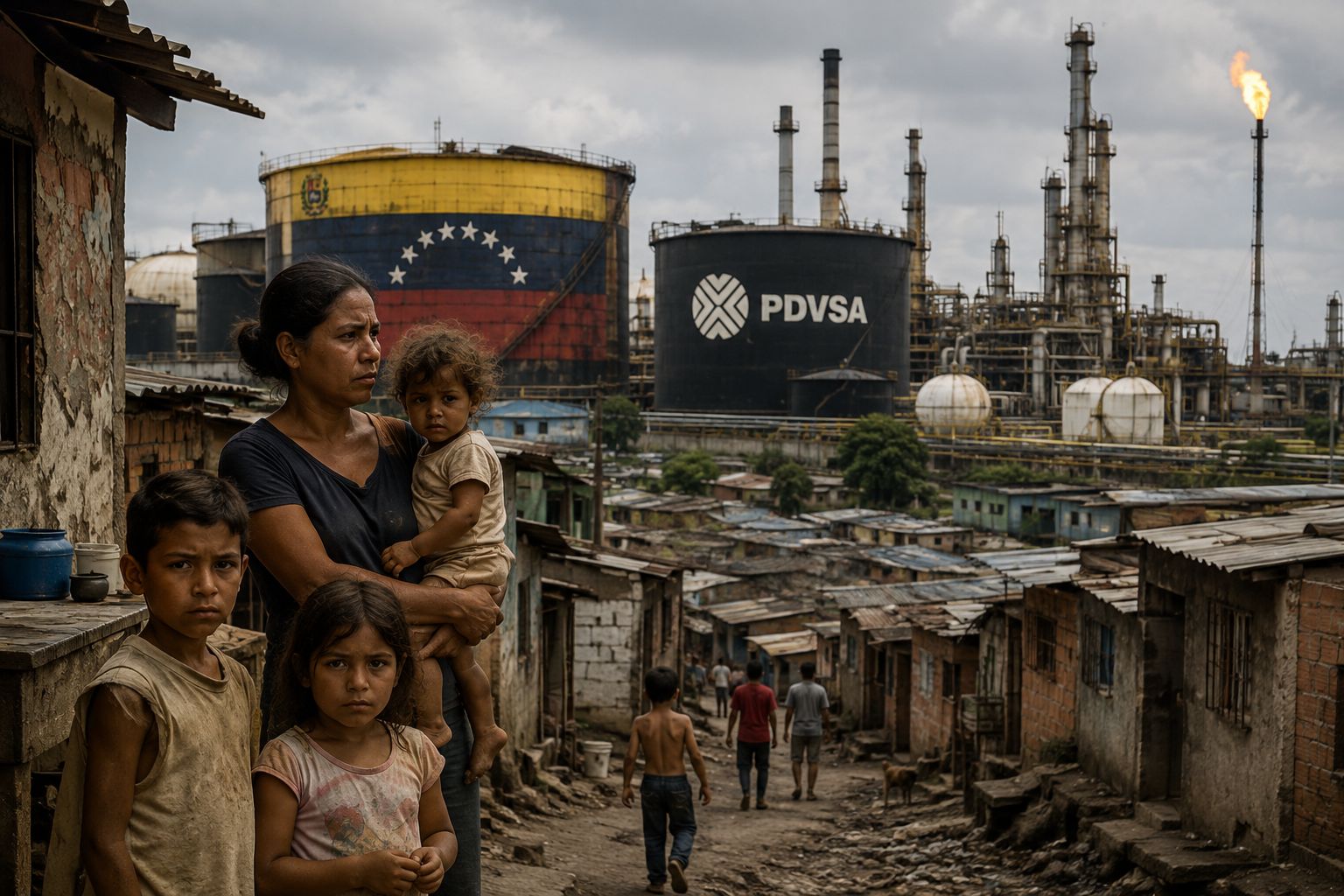
Venezuela after Trump: Did removing Maduro actually improve the humanitarian crisis?
When Donald Trump ordered the US intervention in Venezuela and Nicolás Maduro was captured in January 2026, one obvious question emerged: Would the lives of ordinary Venezuelans actually improve? Maduro presided over an economic and humanitarian catastrophe. Millions fled the country. Poverty became widespread, healthcare deteriorated, basic services failed, and years of economic mismanagement, corruption,…
-
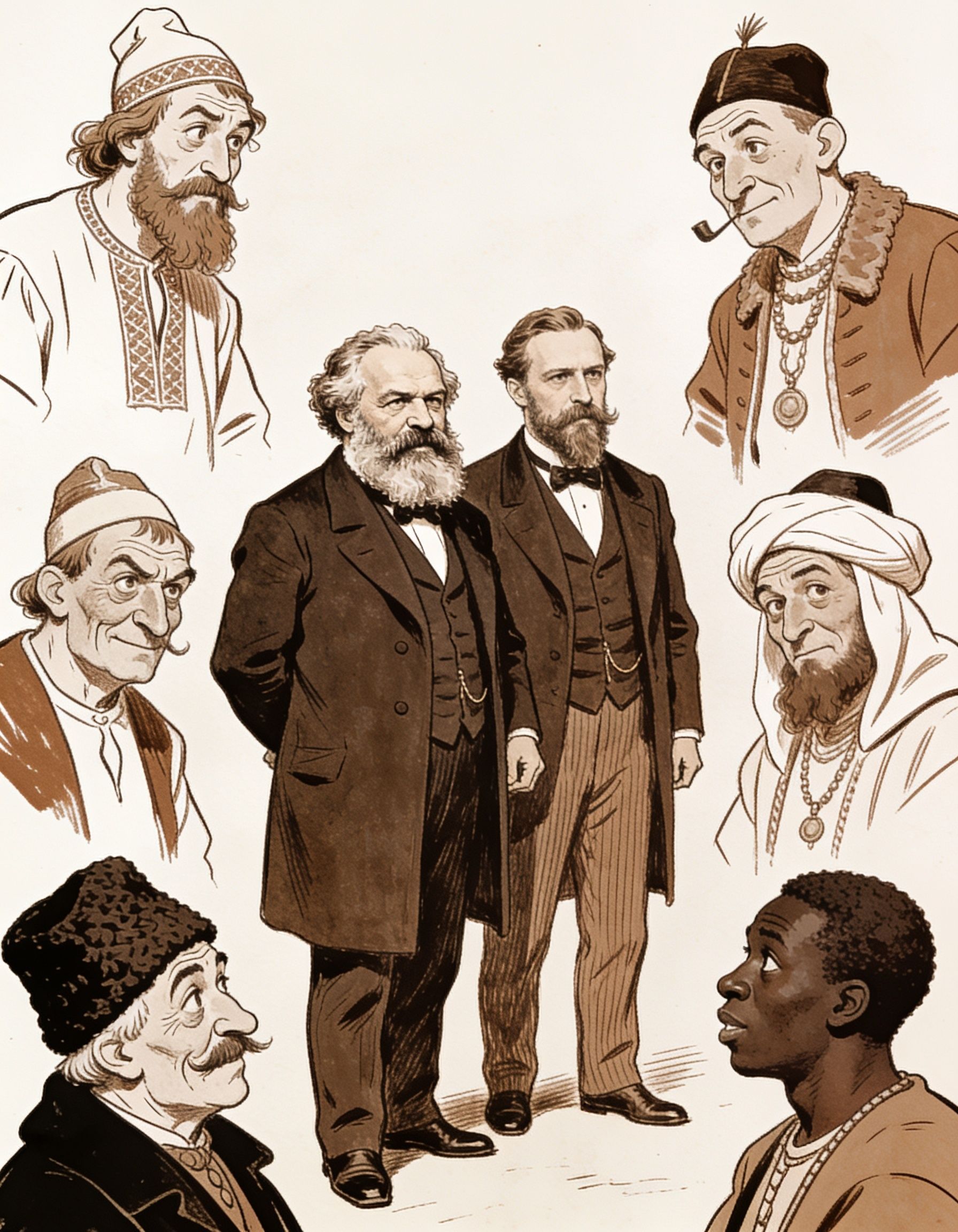
Marx and Engels’ disgusting remarks about Slavs, Jews and Blacks
Karl Marx and Friedrich Engels presented themselves as thinkers concerned with exploitation, inequality and human emancipation. Their writings helped inspire political movements that claimed solidarity between workers regardless of nationality. Read some of their other writings, however, and the picture becomes considerably uglier. Marx and Engels occasionally wrote about Jews, Black people and entire Slavic…
-
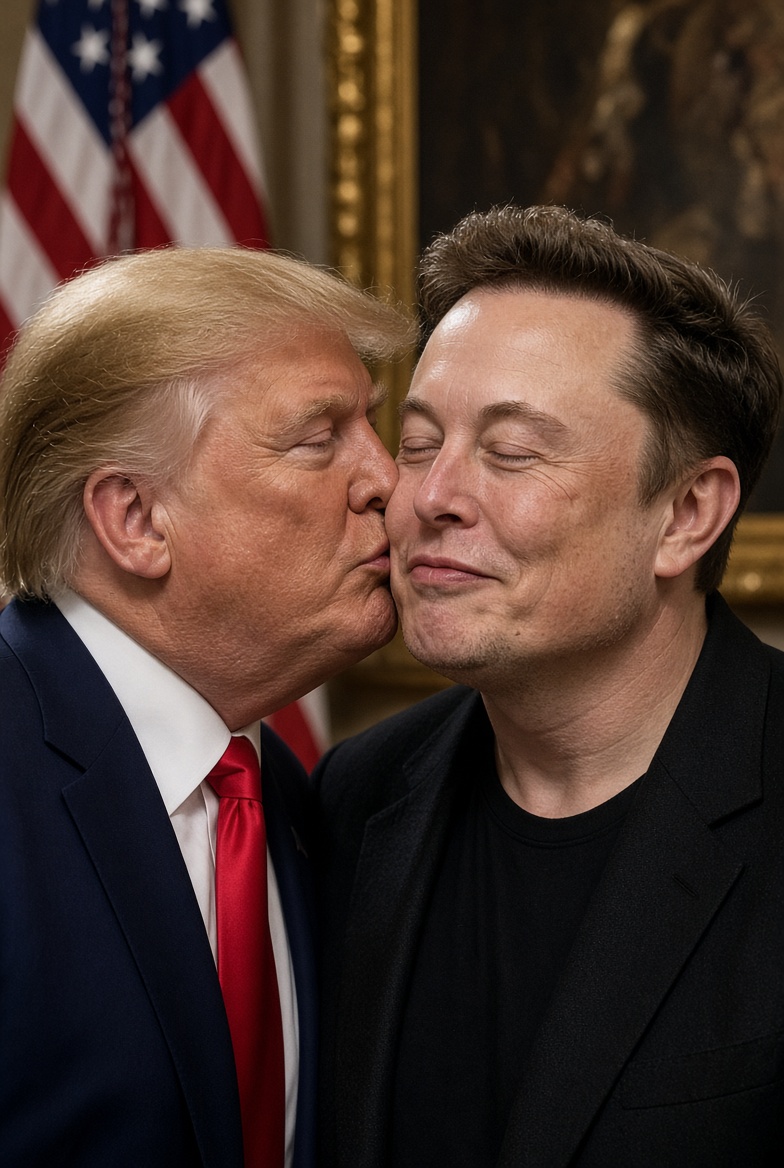
Are Trump and Musk the best friends again?
A year ago, Donald Trump and Elon Musk appeared to have transformed one of the strangest alliances in American politics into one of its most spectacular feuds. Musk attacked Trump’s spending plans, floated the creation of a new political party and even dragged the Epstein files into their increasingly personal dispute. Trump responded in characteristic…
-

Why society’s best minds work in the wrong places
Every election campaign sounds remarkably similar. Politicians promise better schools, better healthcare, more efficient public administration, and greater investment in science. Almost everyone agrees that these are among the pillars of a prosperous civilization. Parents want excellent teachers. Patients want excellent doctors. Citizens want competent public officials. Every country hopes for groundbreaking scientists whose discoveries…
-
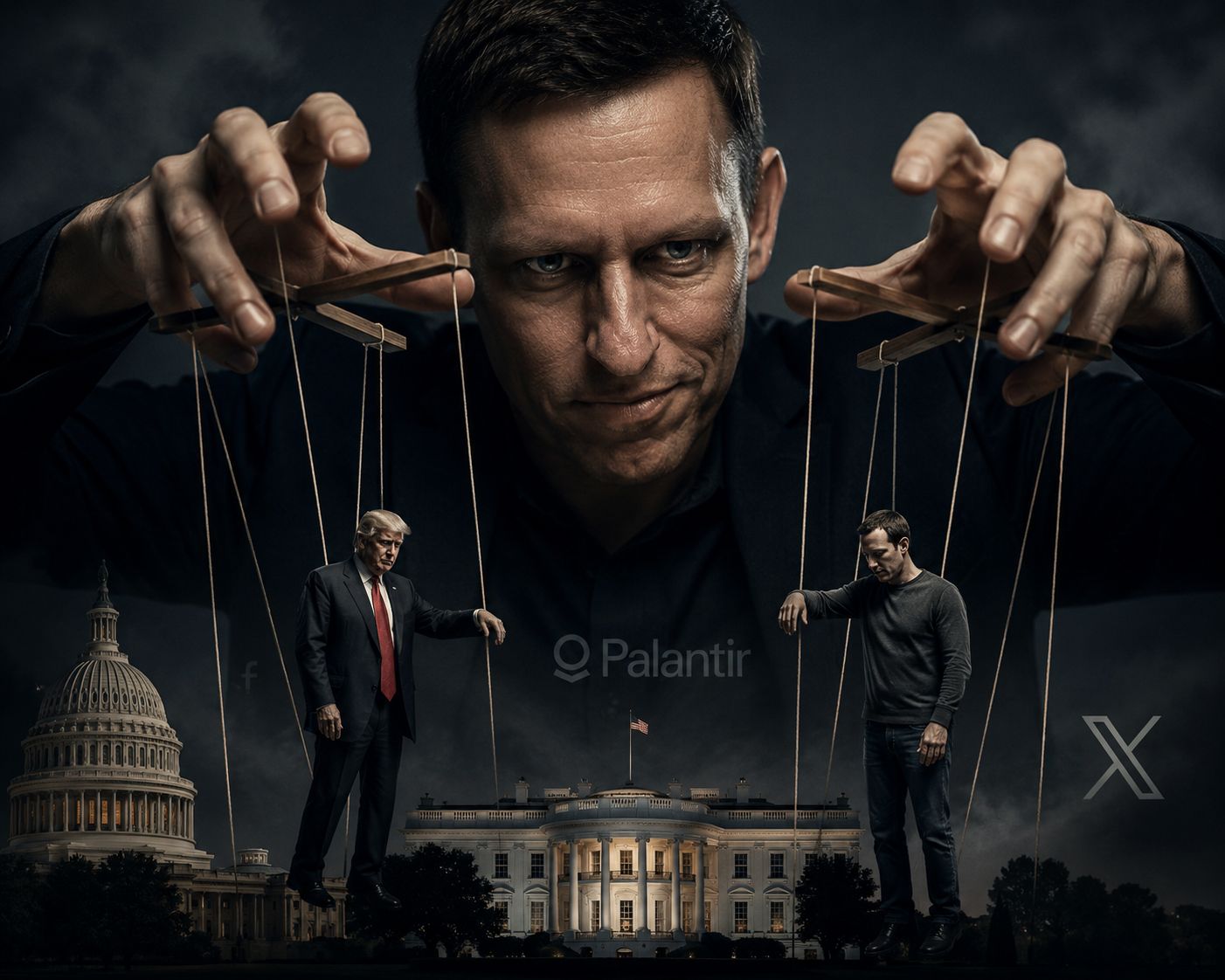
Tech Bros: One algorithm elects president
“Today, an oligarchy is taking shape in America of extreme wealth, power and influence that literally threatens our entire democracy, our basic rights and freedoms, and a fair shot for everyone to get ahead.”— President Joe Biden, farewell address, January 15, 2025 When Joe Biden delivered his farewell address, one sentence stood out above all…
-
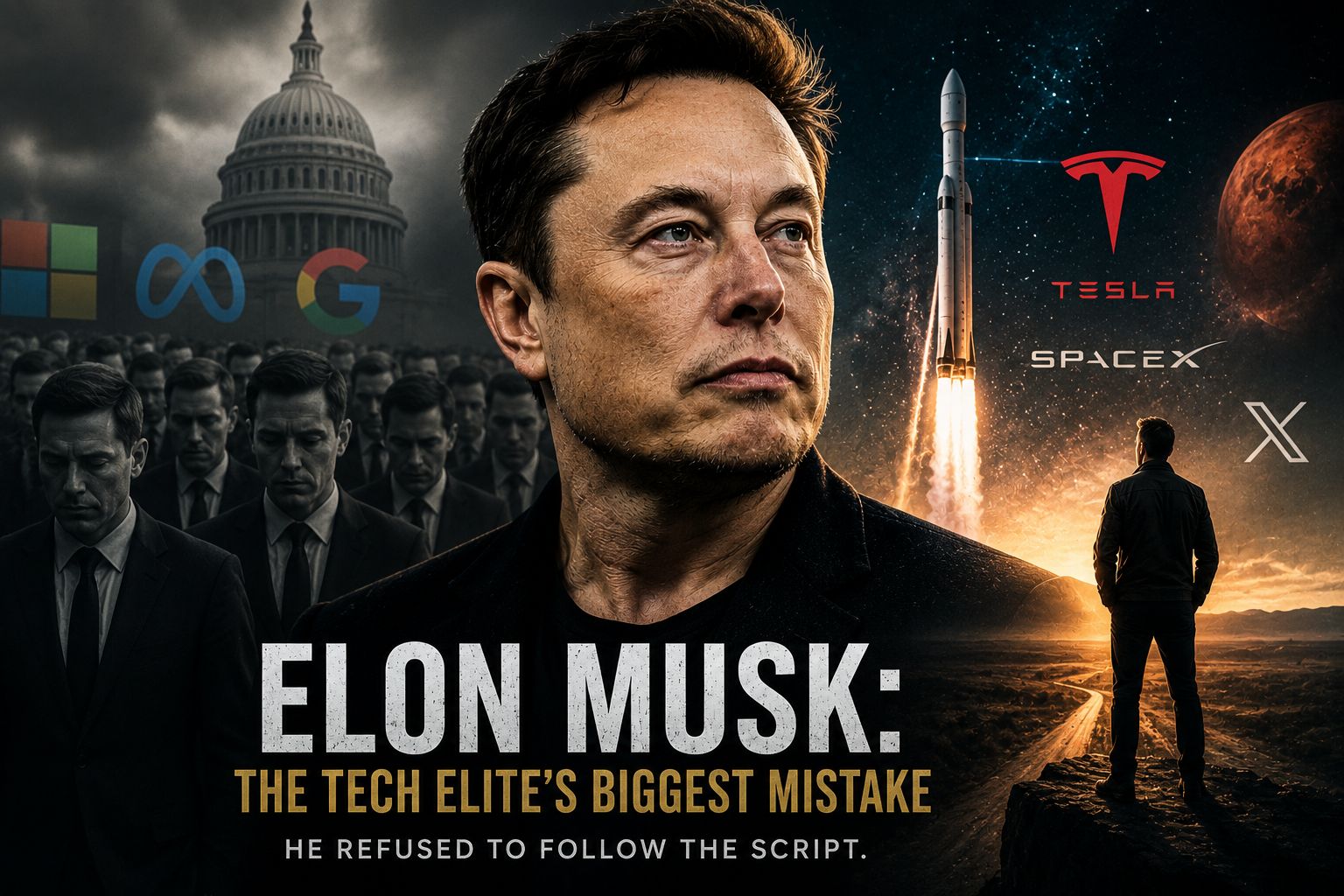
Elon Musk: The tech elite’s biggest mistake
What exactly connects Bill Gates, Mark Zuckerberg, and Larry Page? On the surface, the answer appears obvious and even flattering. All three possess extremely high IQs that place them in the rarefied air of genuine intellectual outliers; all three demonstrate a fiercely business-minded attitude that has allowed them to build global empires from nothing more…
-

The media like the establishment: Another Watergate impossible?
When the Watergate scandal forced President Richard Nixon to resign in 1974, it became the defining moment of modern investigative journalism. The work of Bob Woodward and Carl Bernstein showed that determined reporters could uncover wrongdoing at the very highest levels of government. Their investigation demonstrated that no one, not even the President of the…
-
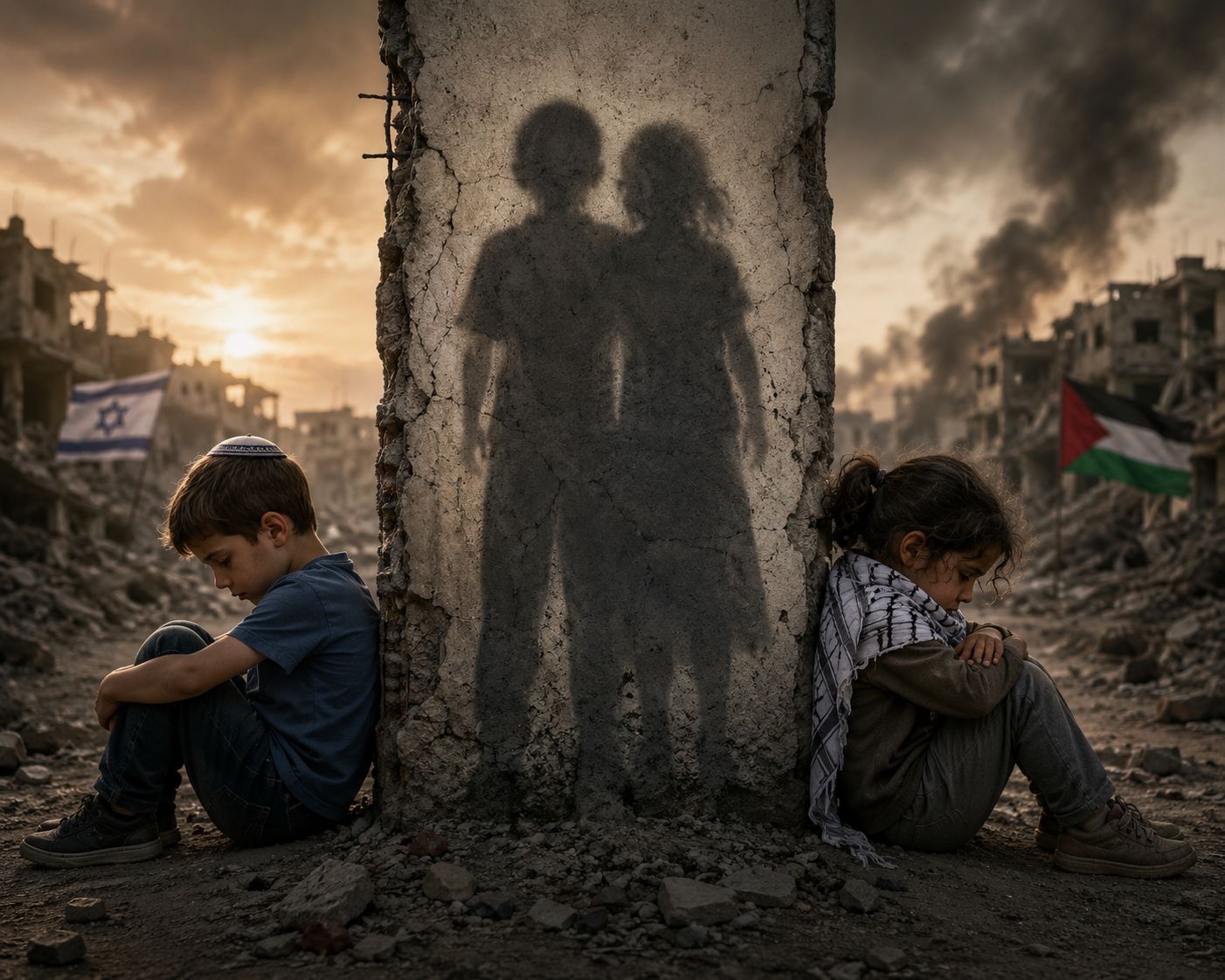
Israelis and Palestinians: Can tribalism get worse?
The conflict between Israelis and Palestinians is one of the clearest demonstrations of how tribalism can overwhelm empathy, reason, and moral consistency. It is also one of the few conflicts where many people appear unable to condemn atrocities committed by “their own side” while readily condemning identical acts committed by the other. Before anything else,…
-
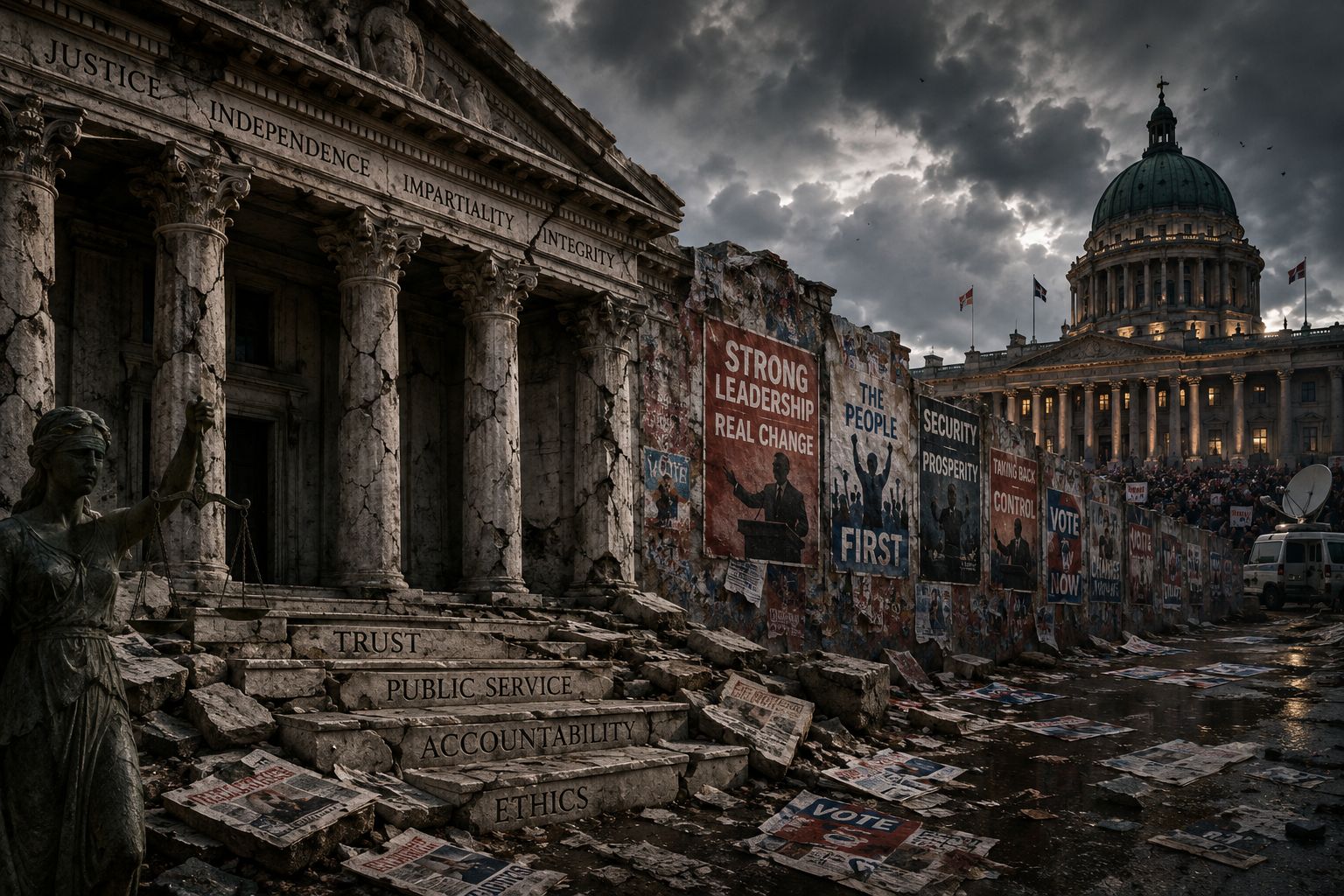
Will political culture deteriorate even more?
For much of the twentieth century, democratic politics operated according to a relatively stable set of unwritten rules. Politicians accused of serious corruption, financial crimes, or abuse of office often saw their careers collapse long before a court reached its final verdict. Public trust mattered, and even the appearance of wrongdoing could permanently damage a…
-
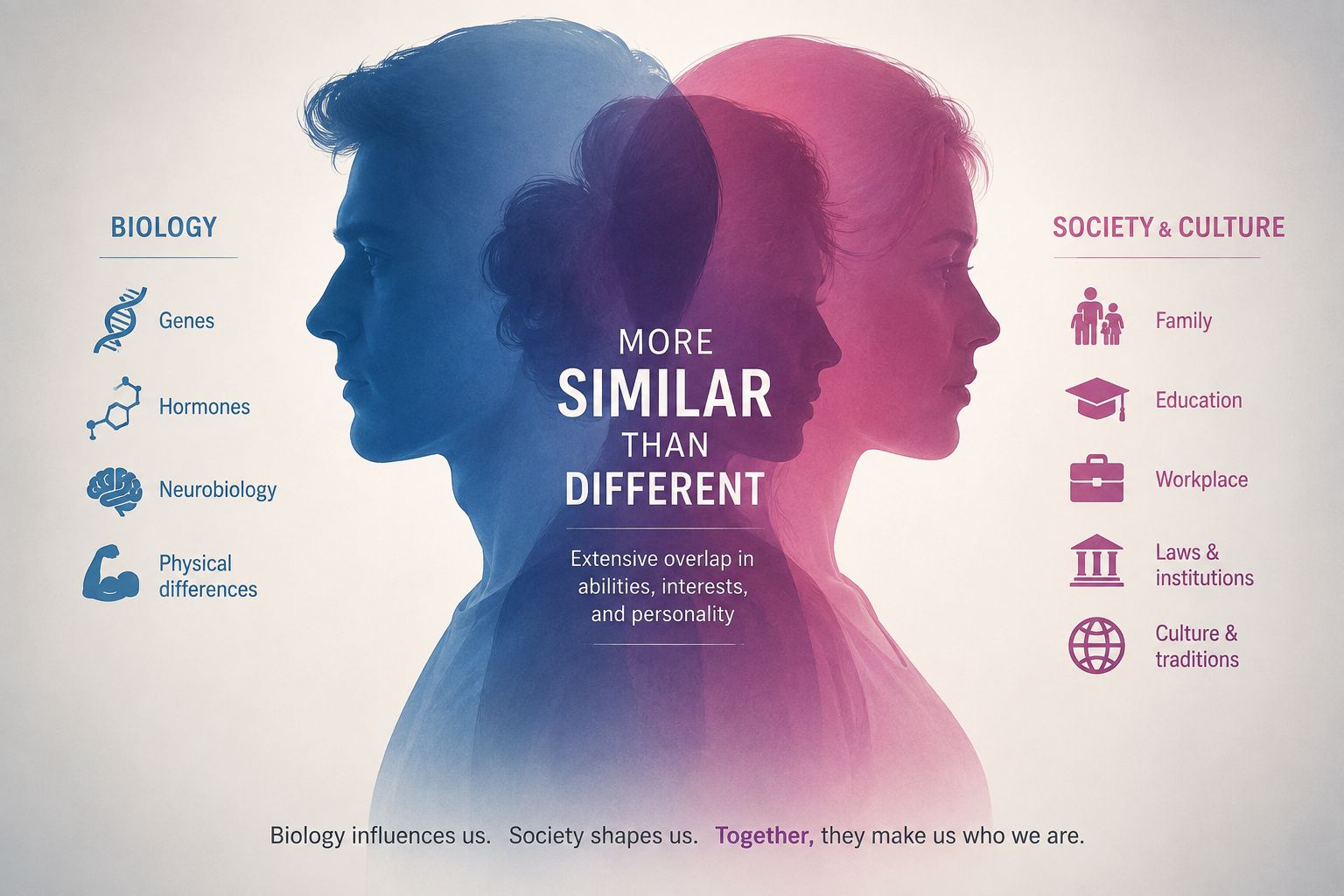
Gender inequality: Innate or acquired?
Few debates have generated more political heat than the origins of gender inequality. One side argues that men and women are born fundamentally different and that unequal outcomes naturally emerge from biology. The other claims that nearly every difference between the sexes is socially constructed and can therefore be eliminated through education and policy. Both…