Ideas, opinions, politics, humanities
-
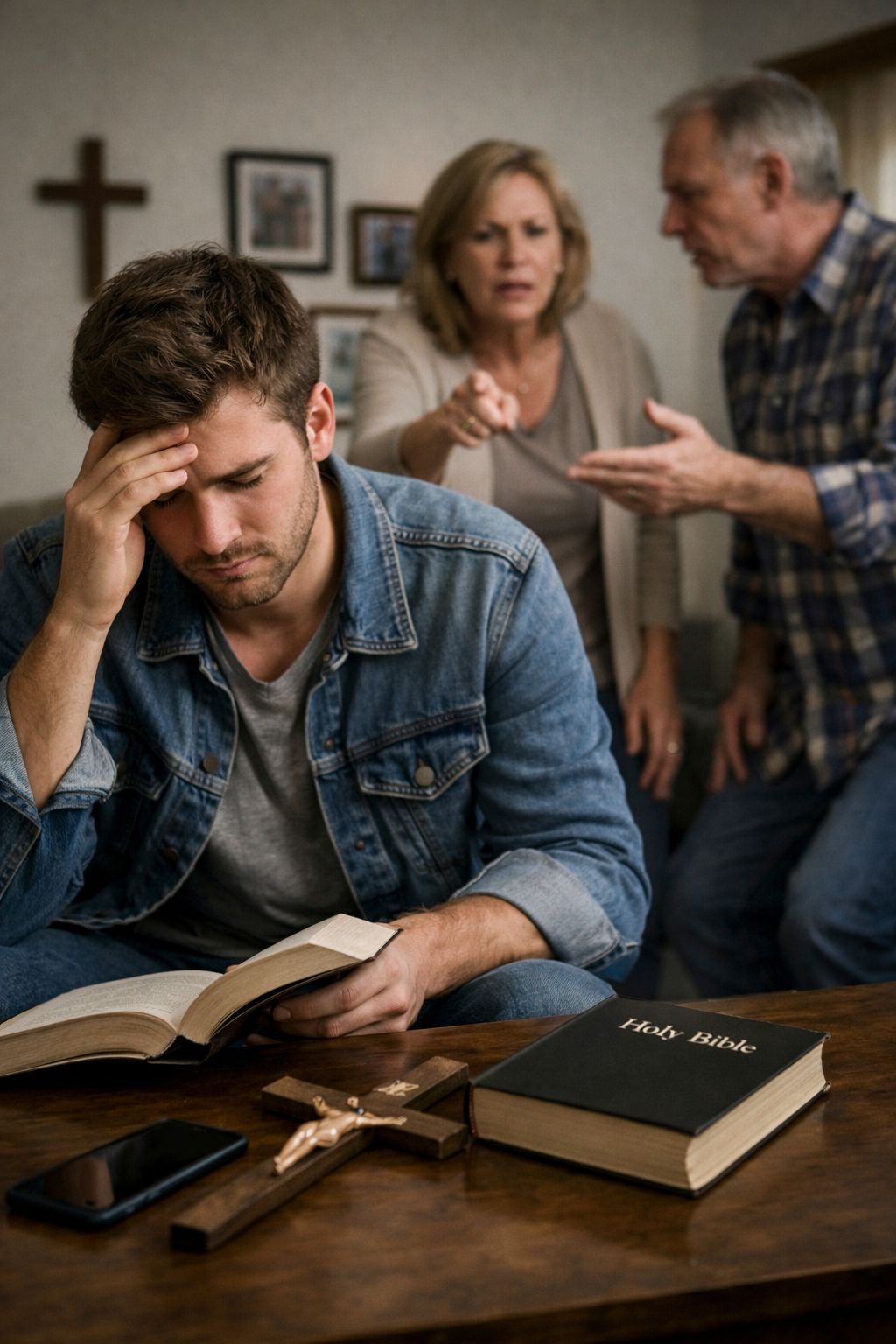
Navigating freethought and atheism in religious families
Freethought and atheism rarely emerge in isolation. Instead, they develop inside environments shaped by tradition, authority, and inherited belief. Therefore, the conflict does not begin as a philosophical disagreement. It begins as a social rupture. You do not merely question ideas. You challenge identity, hierarchy, and emotional bonds. Consequently, navigating this path requires far more…
-
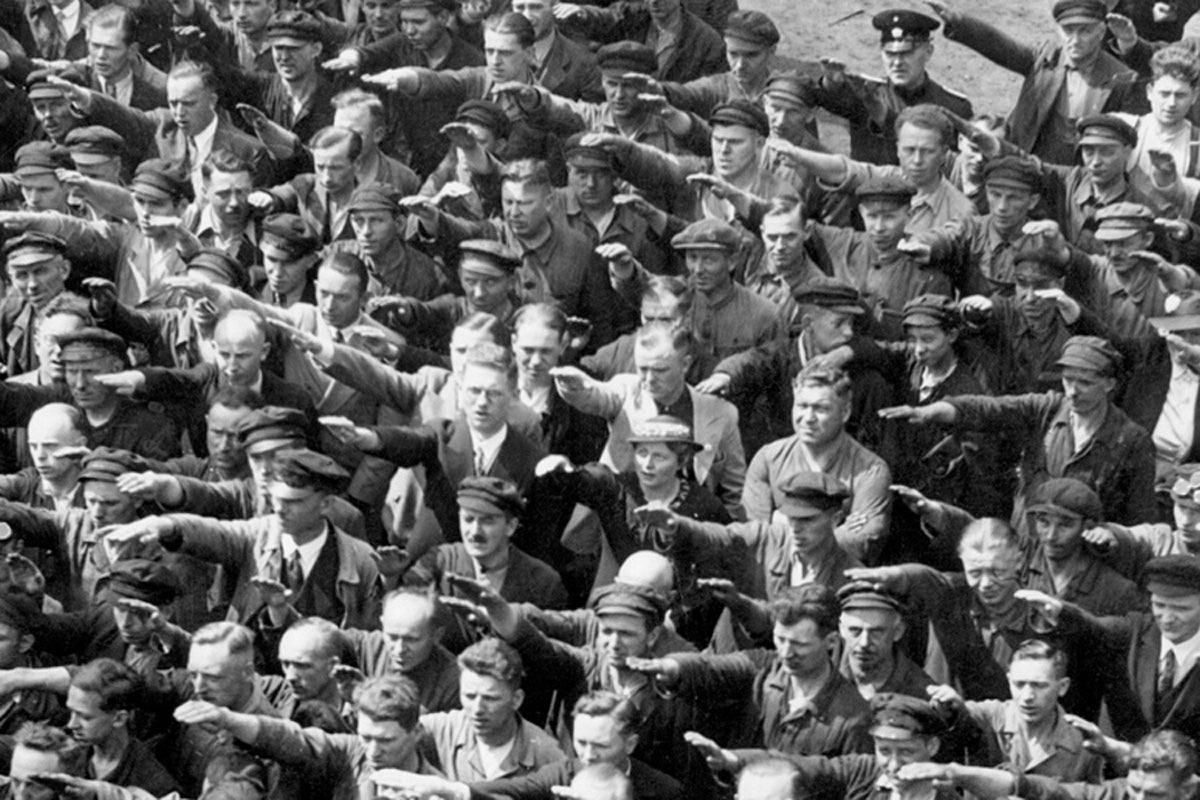
When you meet 1930s Nazi antisemitism now
You enter a discussion expecting conflict. Because politics creates disagreement, this feels normal. Therefore, when you replied to that post, you expected a rational exchange. You made your position clear. First, you separated criticism from prejudice. Then, you accepted criticism of lobbying and foreign policy. At the same time, however, you rejected identity-based exclusion of…
-
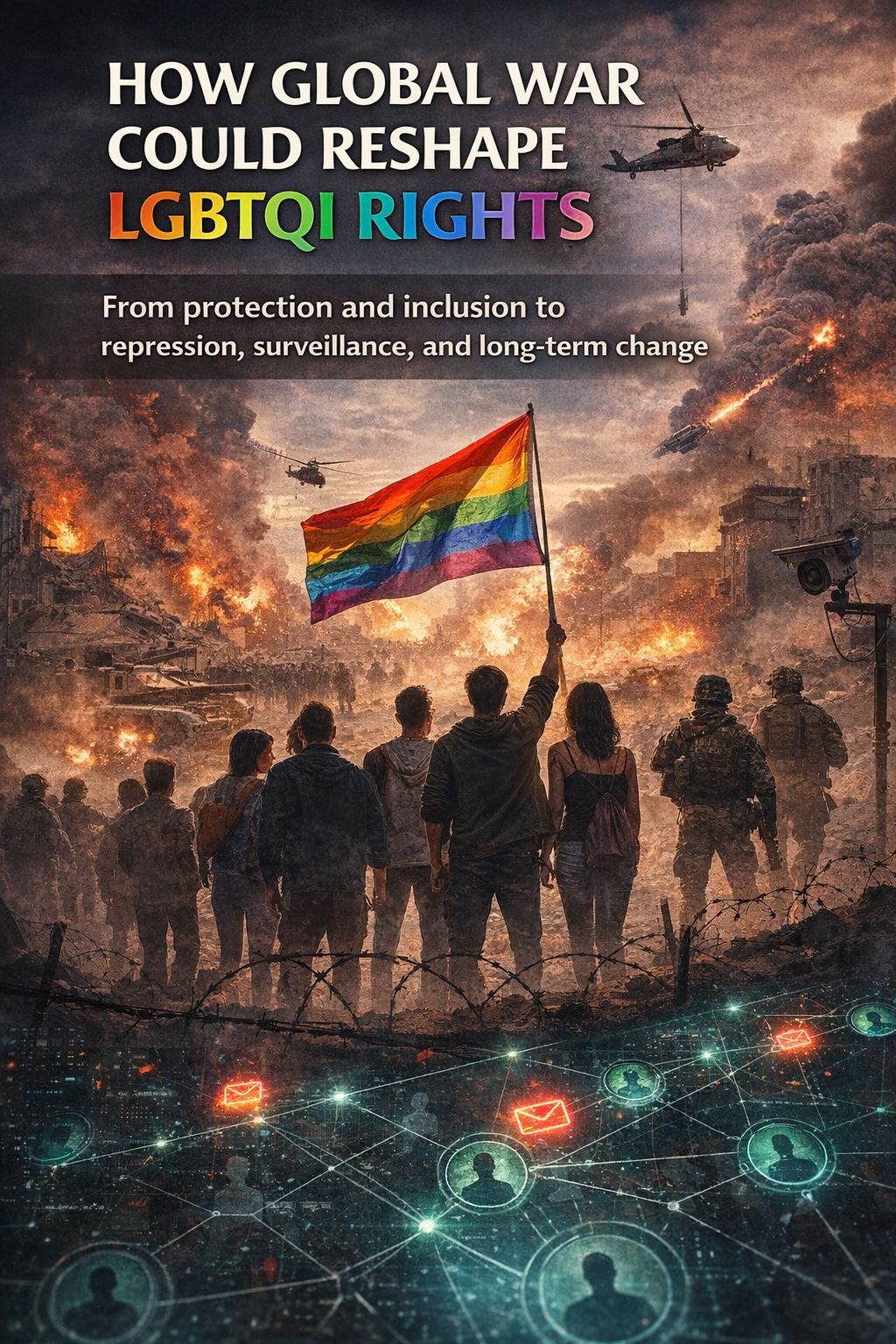
If WW3 erupted, what does it mean for LGBTQI?
War does not only redraw borders. It reshapes priorities, values, and identities. When a global conflict erupts, states stop thinking in terms of rights and start thinking in terms of survival. Therefore, the question is not whether LGBTQI people will be affected. The real question is how deeply their position in society will shift when…
-
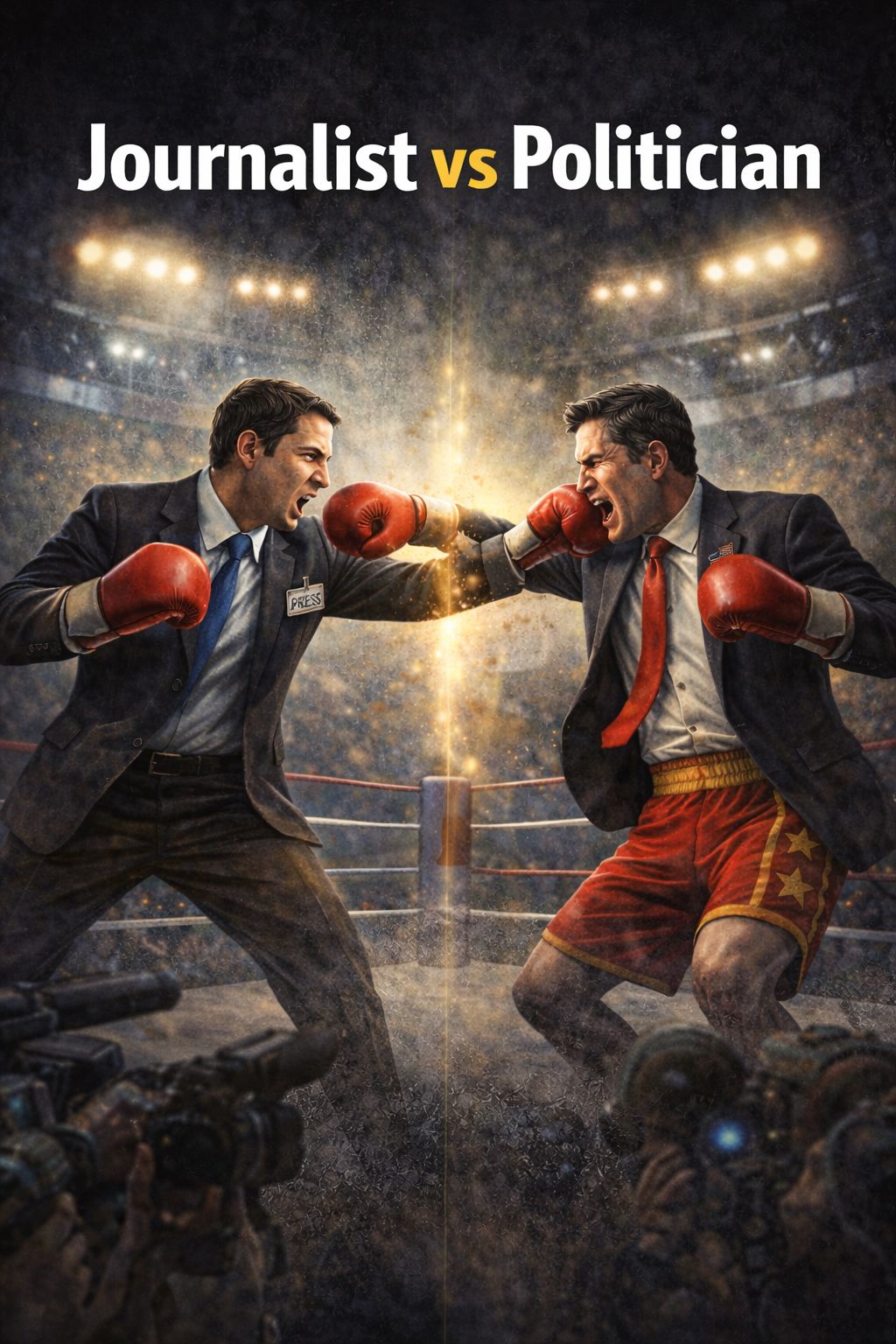
Journalists’ and politicians’ feud: Who succumbs more to the rich?
Journalists and politicians present themselves as opposing forces. One claims to expose power. The other claims to exercise it. Therefore, conflict defines their public image. However, this conflict often conceals alignment. Both groups operate within the same system. Both depend on access, resources, and networks. Consequently, the real question does not concern who fights harder.…
-
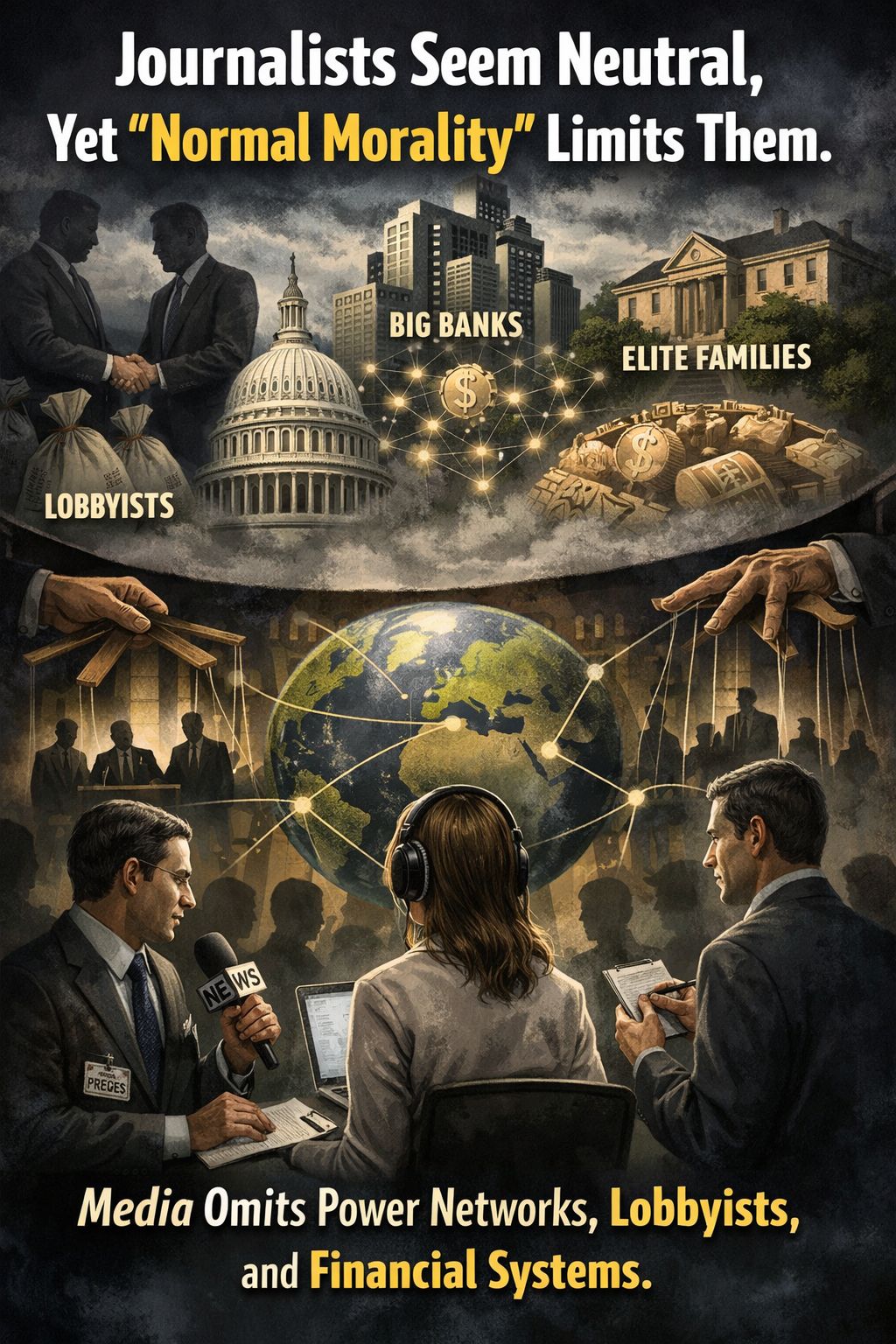
The worst thing: Journalists are “normally moral”
Journalists present themselves as neutral observers. They claim balance, responsibility, and distance from power. However, this image does not describe reality. Instead, it describes a role they must perform in order to function. In practice, journalism filters reality. It selects which facts matter and which connections deserve attention. Therefore, the key problem does not lie…
-
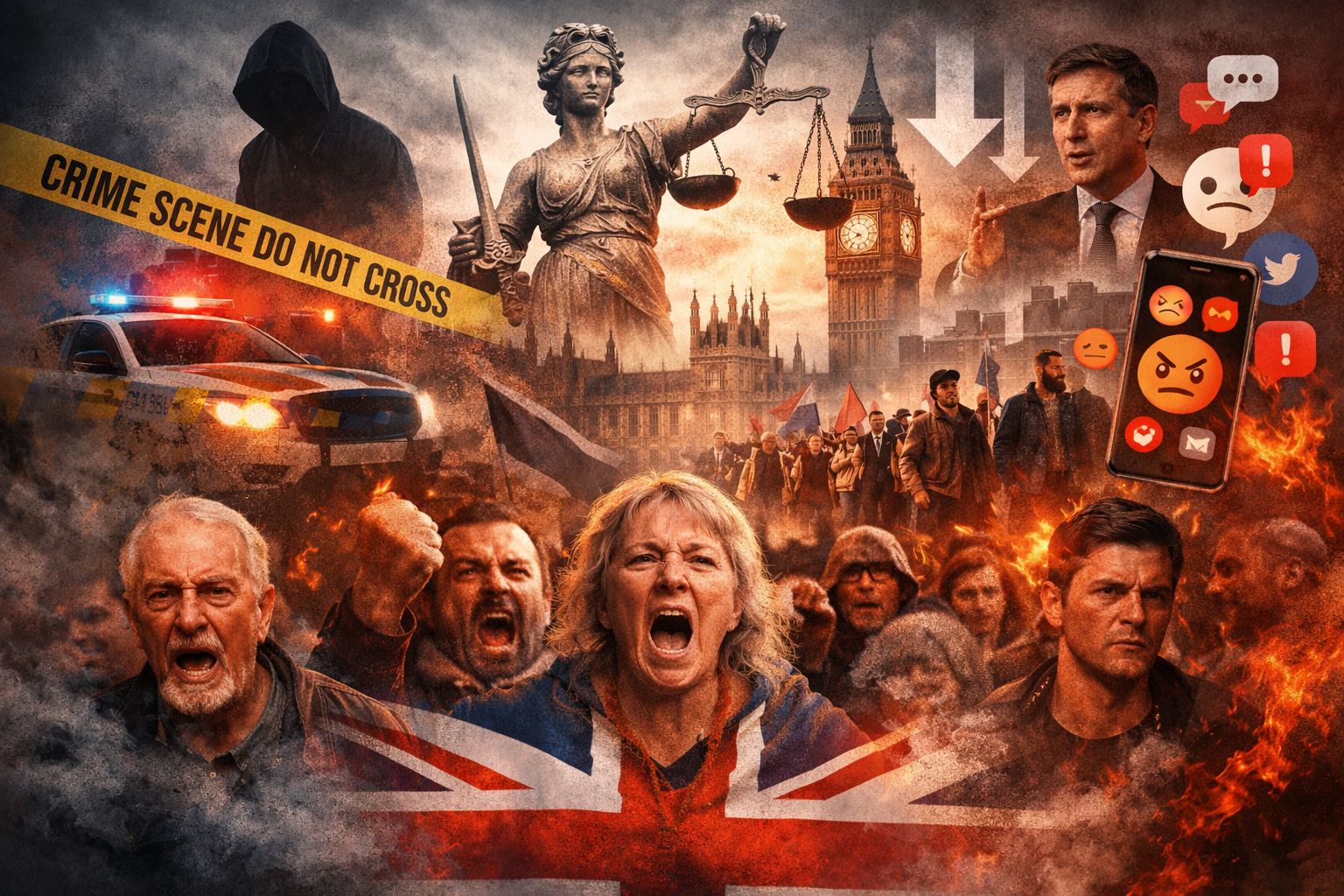
Why are Brits enraged at “presence”?
Public anger in the United Kingdom does not come from one event. Instead, it builds over time. People feel it in daily life, in conversations, and especially online. Therefore, what looks irrational often follows a structure. It is not chaos. It is accumulation. Crime: The starting point Crime acts as the initial trigger. Not statistics,…
-
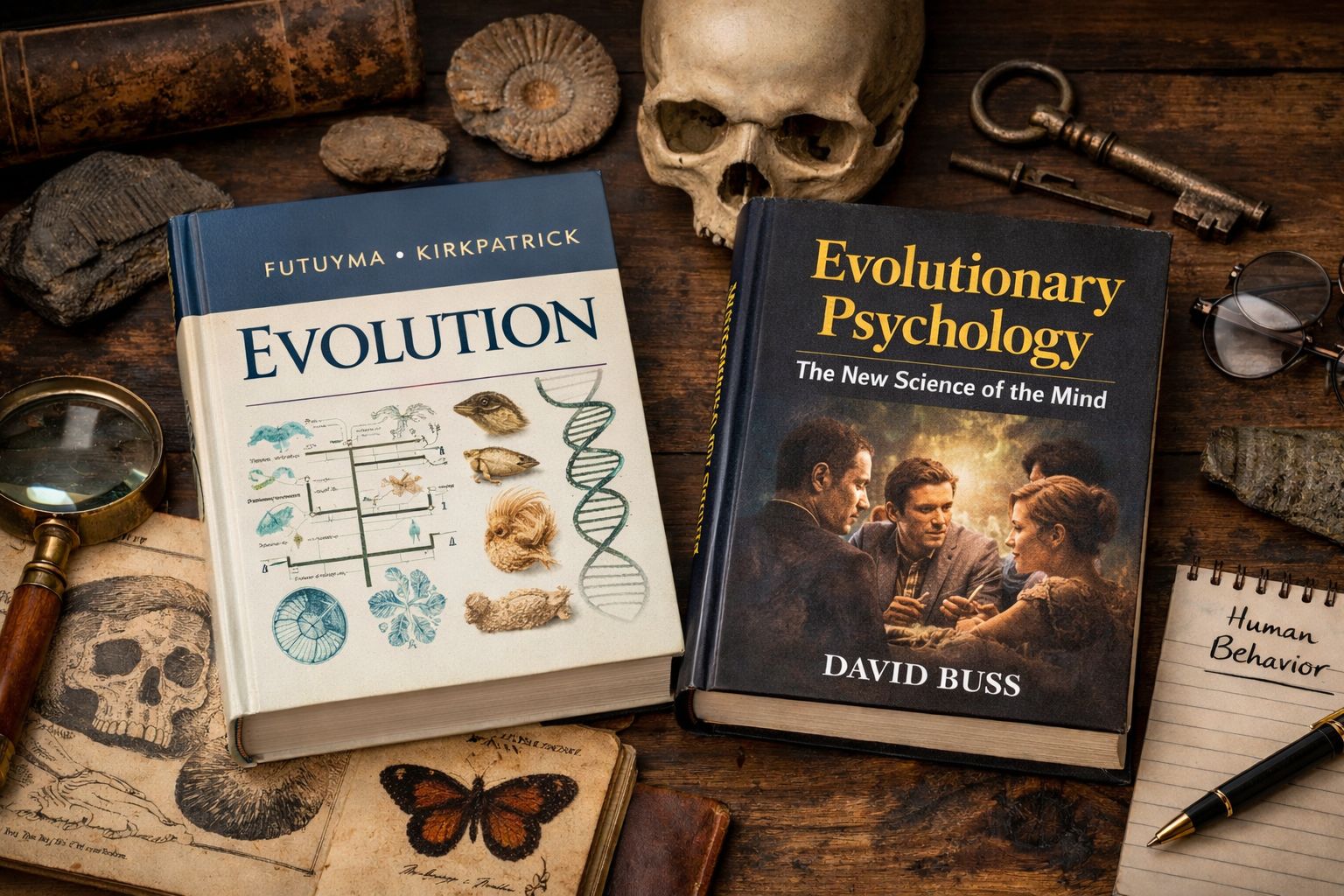
What makes me believe in evolution? People act like animals
I did not start with belief. Instead, I started with confusion. People behaved in patterns that felt too consistent to be random. I observed them in conversations, in groups, in conflicts. Then I read an evolutionary biology book. As a result, I understood the structure. However, the theory still felt distant. Then evolutionary psychology entered.…
-
How capitalism exploits ancient instincts: Homo consumens
Humans live in a highly complex economic system. However, the brain did not evolve for it. It evolved in small groups under scarcity, danger, and constant competition. Therefore, capitalism does not create human behavior. It exploits pre-existing instincts. This mismatch defines modern life. The evolutionary foundation of human behavior For hundreds of thousands of years,…
-
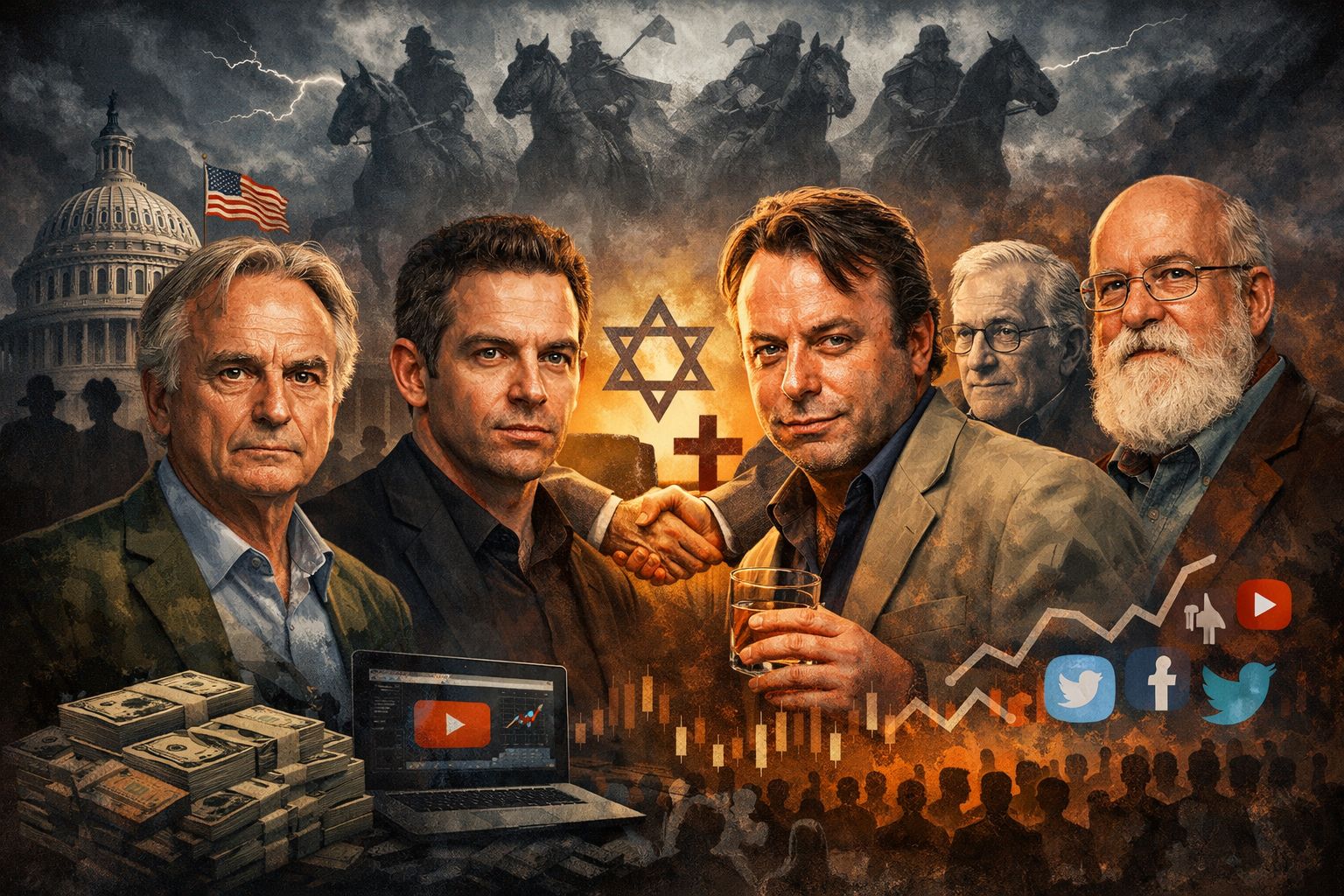
My deepest disappointment with the 4 horsemen of New Atheism
I once believed the success of Richard Dawkins, Sam Harris, Christopher Hitchens, and Daniel Dennett proved something uplifting. I thought it showed that intelligence, clarity, and courage were enough. I thought anyone could have made it. In fact, I believed there were thousands of more talented people than they were, people sharper, deeper, and more…
-
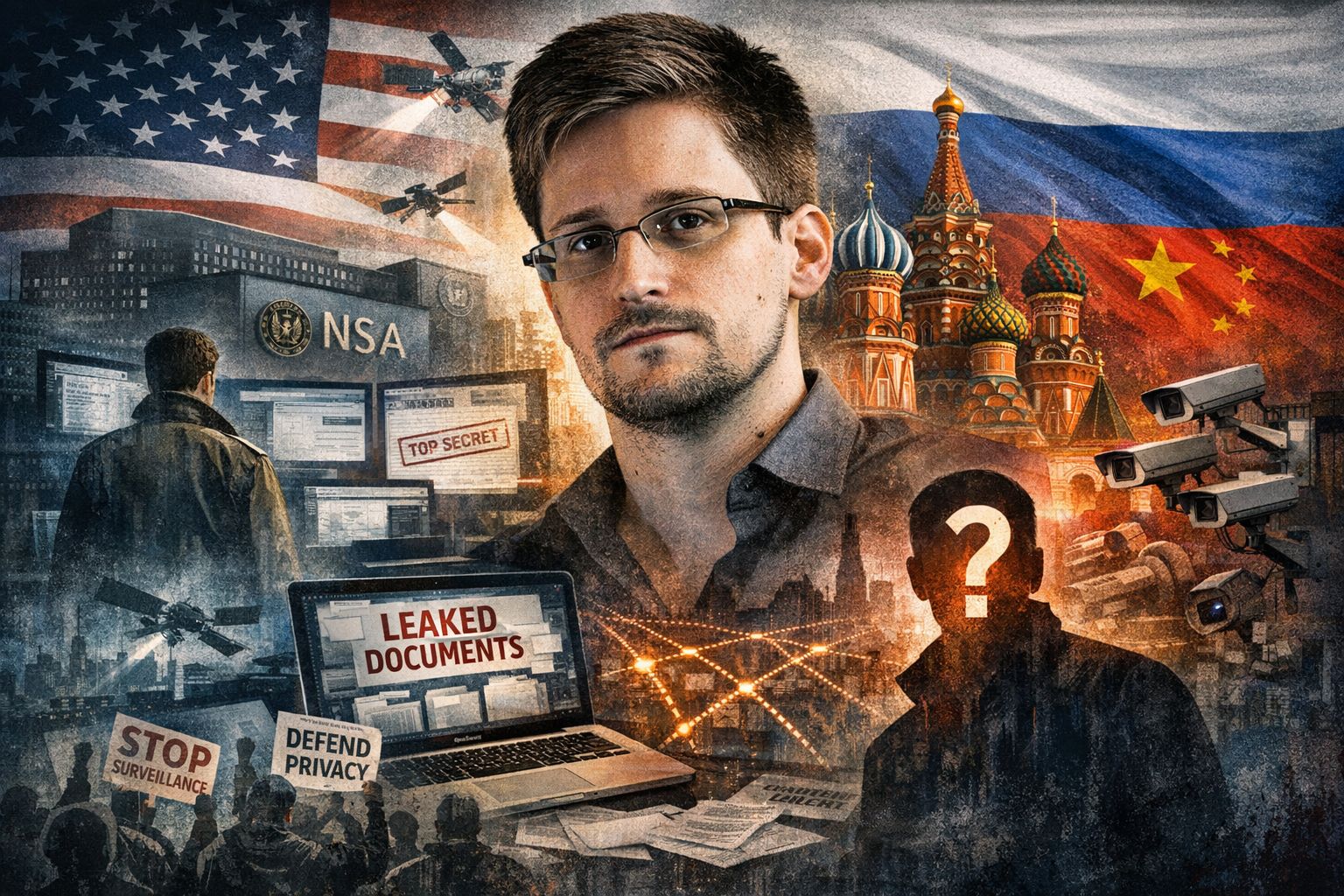
Edward Snowden: An agent? Arguments for and against
Edward Snowden did not just leak documents. He triggered a global shift in how people think about power, surveillance, and the state. His actions forced governments to react, forced citizens to reconsider trust, and forced intelligence agencies to adapt. However, the deeper one looks, the less stable the narrative becomes. At first, the case looks…