Ideas, opinions, politics, humanities
-
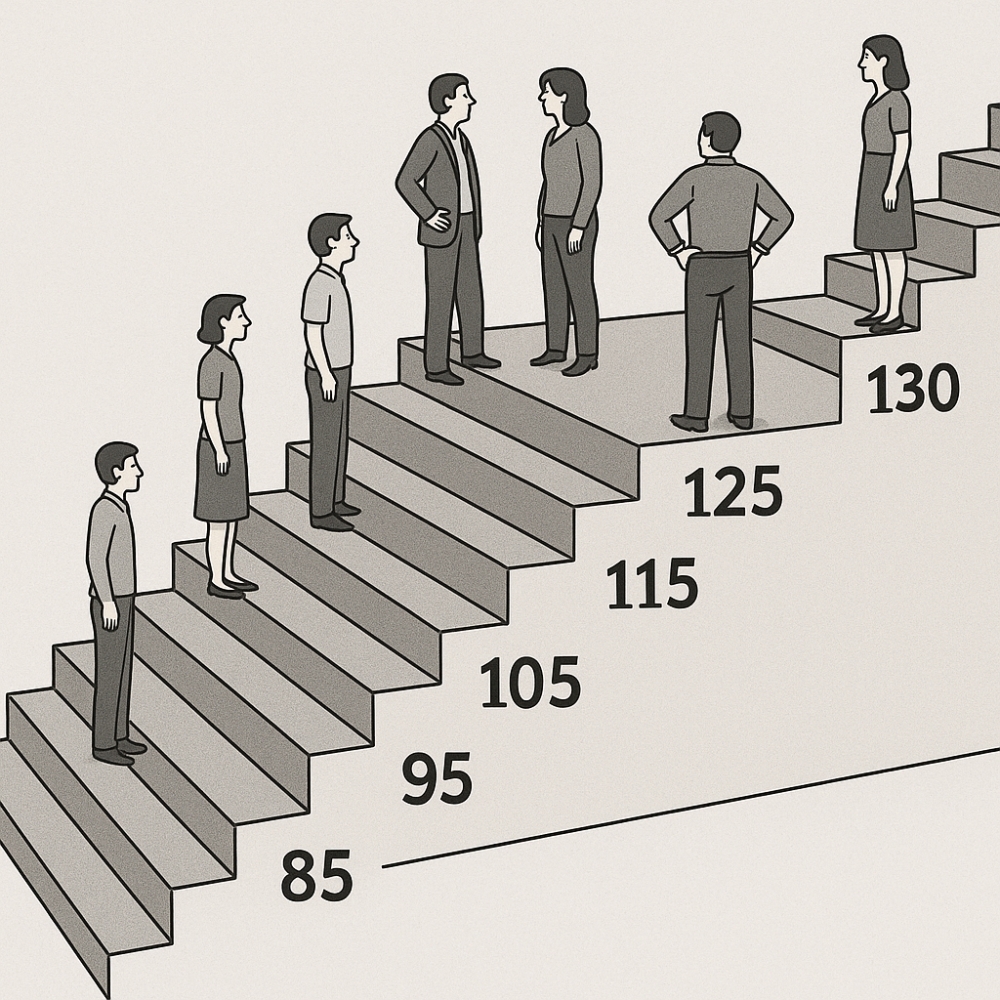
Why are people so obsessed with IQ?
People obsess about IQ because it gives them a simple story in a world that feels impossible to decode. They want certainty, they want ranking. They want a number that answers questions they feel too afraid to ask. IQ (one of the most prominent scientific concepts in the humanities) offers exactly that. It promises clarity,…
-

Wikipedia: Jesus yes, Rothschilds no
Wikipedia has a longstanding practice of promoting Jesus Christ as a real figure who existed. The issue is that those “arguments and evidence” are ad hoc. If Christian scholars defy Jesus’ existence, their career may end. People without critical thinking accept whatever appears polished and repeated. They trust the first source they see, they trust…
-
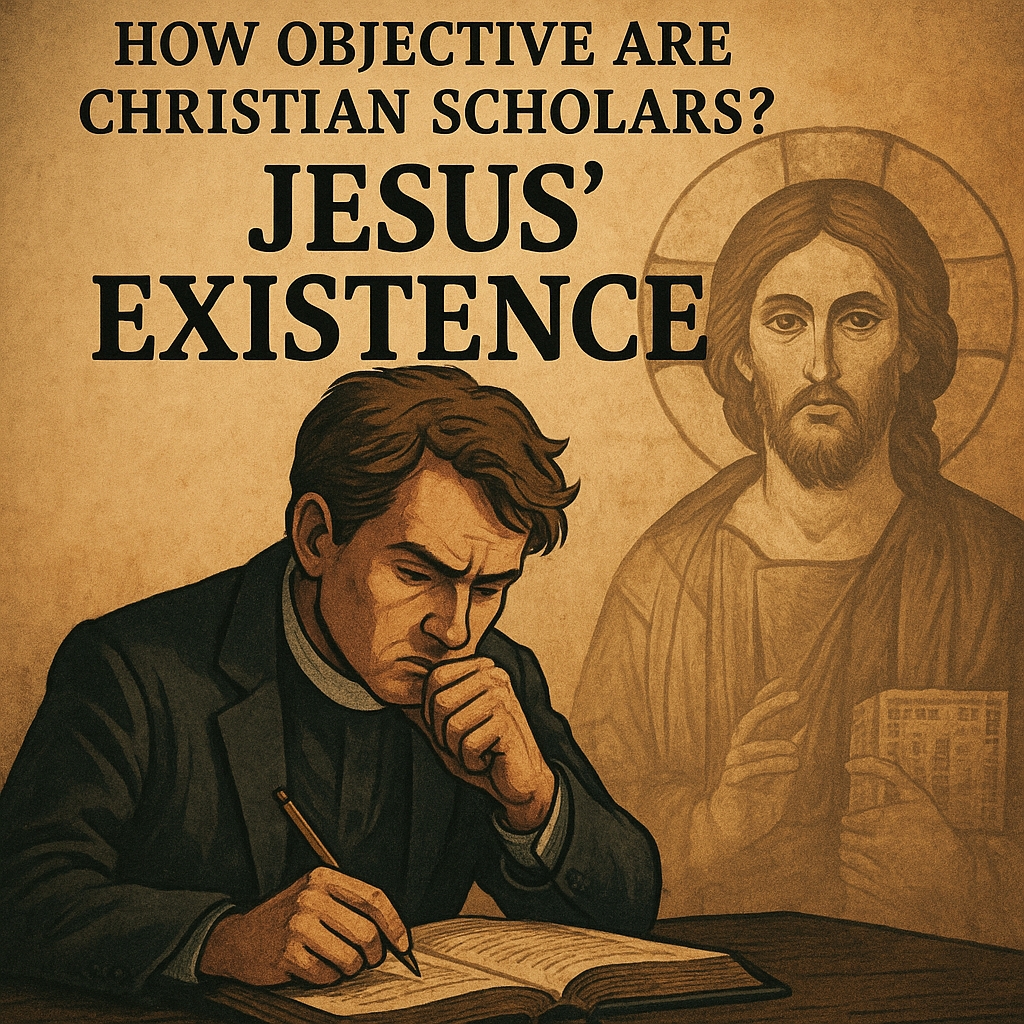
Christian scholars and the non-existence of Jesus Christ
The question of Jesus’ existence looks simple. Yet every Christian institution treats it like radioactive material. The entire religion stands on one figure. The entire moral universe depends on one narrative. Therefore Christian scholars do not enter the debate freely. They enter it with identity, salvation, morality, community, and eternity stacked on their shoulders. And…
-
Cognitive-behavioral manual for leaving religion
Leaving religion feels like dismantling a world inside your skull. You tear out a belief system that shaped your fears, your morals, your identity, your family bonds, your daily routines, and your sense of cosmic safety. And you do not simply reject a doctrine. You uproot an entire psychological ecosystem. This manual explains every hidden…
-
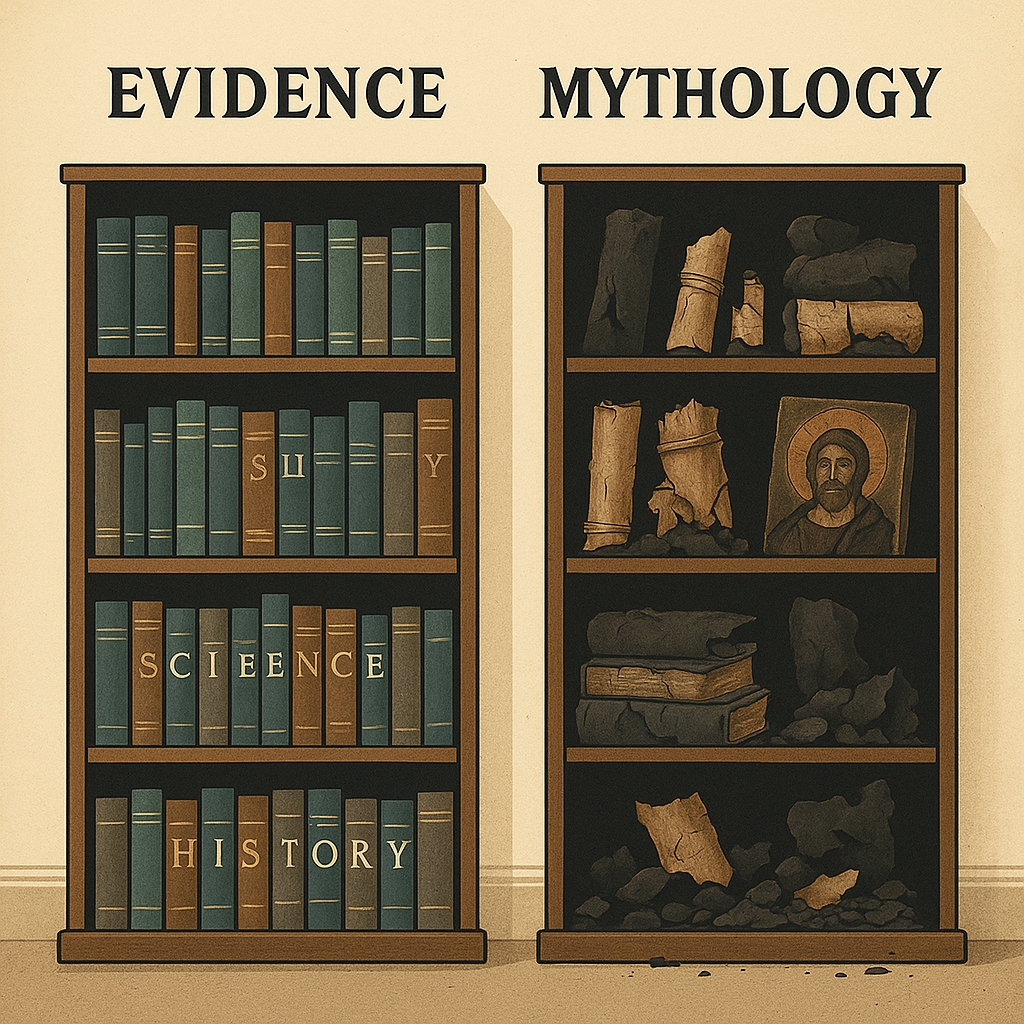
Facing Jesus’ non-existence: Two approaches
Every honest inquiry begins with discomfort. And nothing creates more discomfort than asking whether Jesus ever existed at all. Once you look at the historical evidence, the silence becomes deafening. The era overflowed with chroniclers who described everything: uprisings, quacks, prophets, magicians, riots, executions, natural phenomena, and obscure cults. Yet they never described Jesus. This…
-

Bullying and hazing from an evolutionary psychology viewpoint
Bullying appears in every culture and every era. It repeats because it comes from ancient instincts, not from modern corruption. Early humans lived in small groups where hierarchy shaped survival. People watched every gesture and reacted to every dominance cue. Even now bullying emerges wherever groups form. Schools, armies, prisons, corporations, and digital spaces repeat…
-

The Post-Holocaust philosophical theology
The Holocaust broke the old religious world. It killed the illusion of a God who protects the innocent. It destroyed the belief that history unfolds under divine supervision. And it forced every serious thinker to confront an evil so engineered that older doctrines fell apart instantly. Earlier centuries tolerated contradictions inside theology. They allowed people…
-

Death penalty has no place: Freethinkers destroyed it
Freethinkers always challenge inherited dogma. They question every ritual, every ancient punishment, and every sacred justification for violence, they look at the death penalty and see a leftover from tribal thinking. They see fear, anger, and superstition shaping a policy that kills people. Freethinkers reject execution because they value reason, evidence, dignity, and moral responsibility…
-

Rationality vs algorithms: X must stop feeding delusion
X rewards emotion over logic. Therefore religious content floods the feed every hour. People worship a founder who likely never existed, and they do it with absolute certainty. They write as if myth were fact. They celebrate stories that collapse under the weight of evidence. Yet the algorithm keeps pushing more of it. It pushes…
-
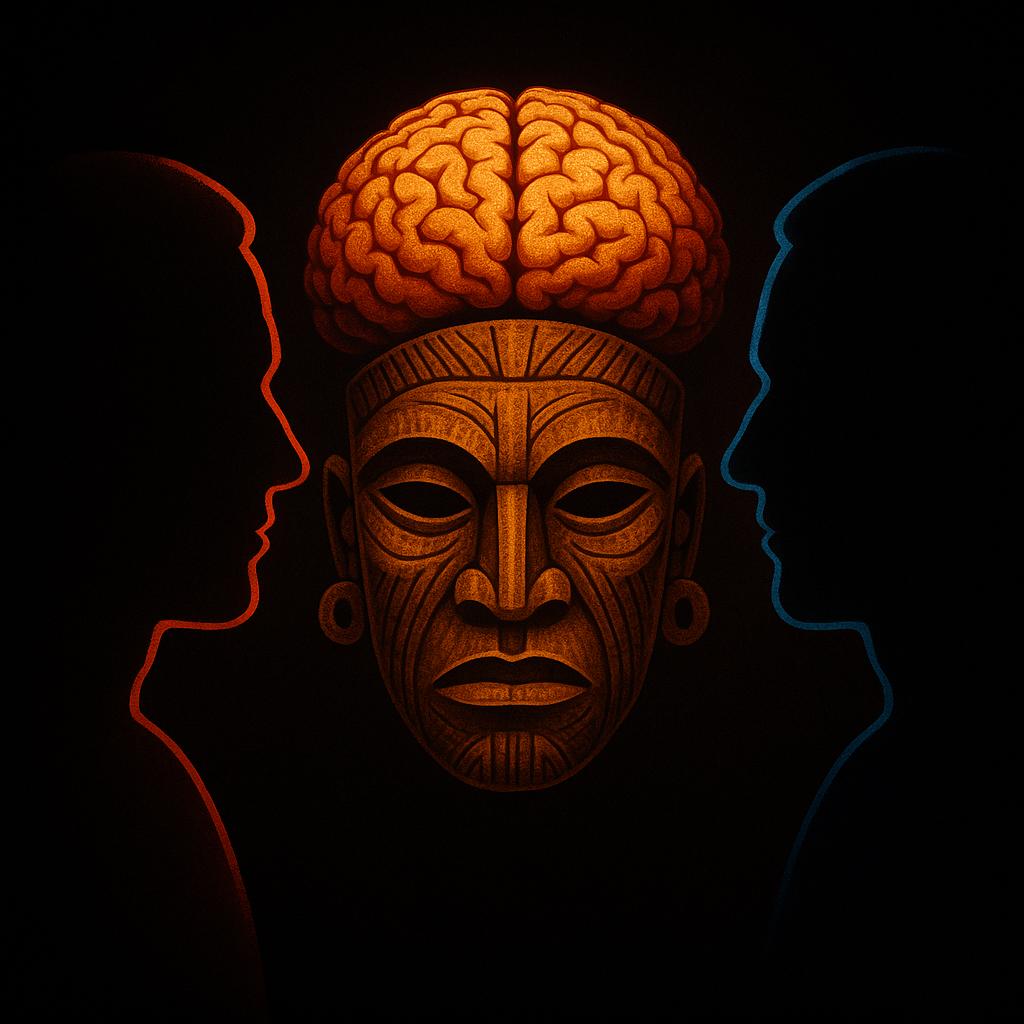
The ancient tribal instincts behind political polarization
Political polarization did not begin with modern politics. It began in the deep past. Humans evolved inside small tribes where loyalty meant survival and disloyalty meant danger. Because of that, our brains still react to politics as if we lived in hostile plains filled with rival clans. Therefore modern polarization is not rational disagreement. It…