Ideas, opinions, politics, humanities
-
Why the rich fear intelligent poor
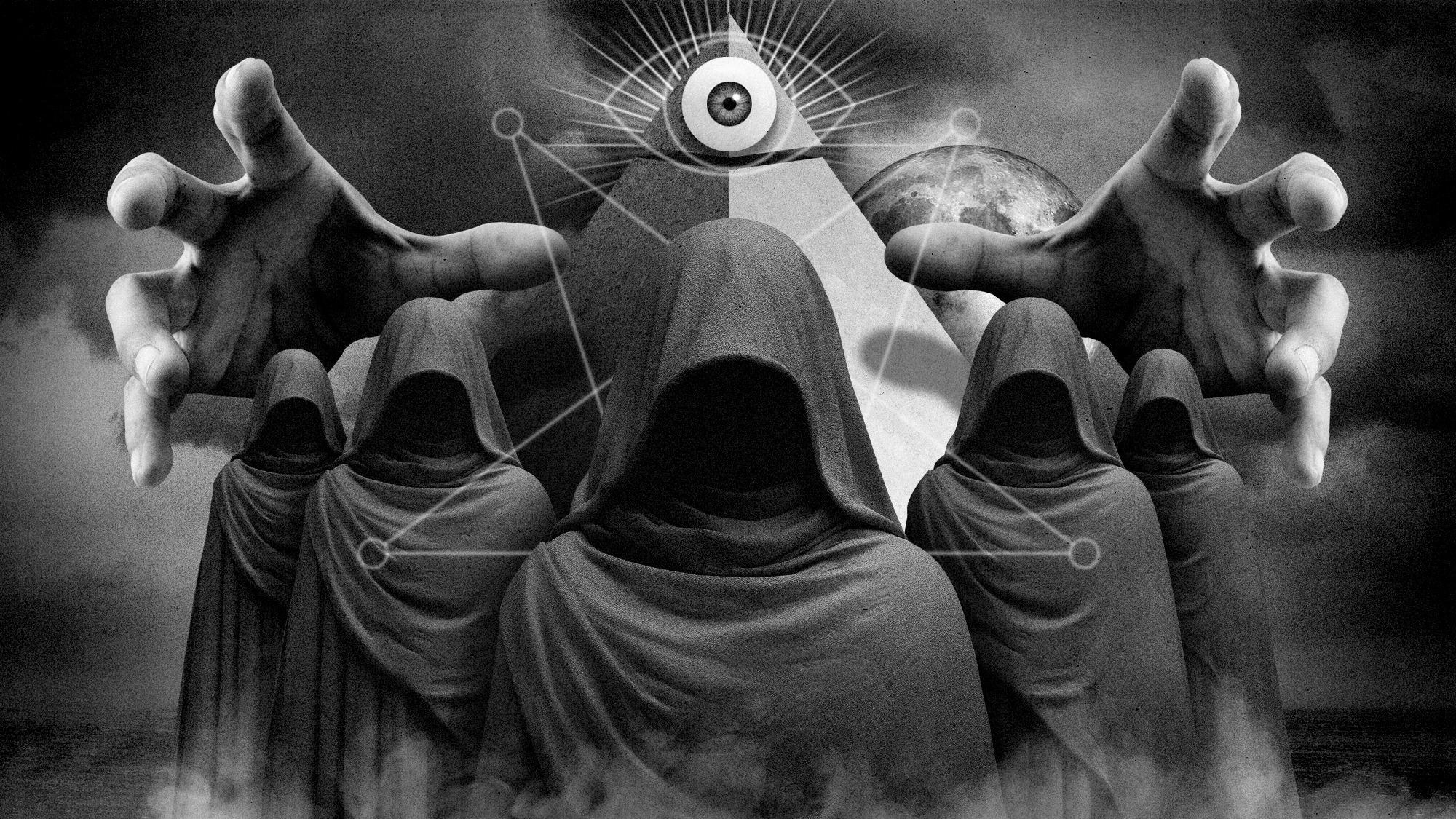
The rich do not fear the poor as a whole. They fear the poor who think clearly. They fear people who understand patterns, decode systems, and question every layer of power. Rich families know that intelligence without resources creates pressure, ambition, and danger. Therefore they fear the poor who see through illusions, because those people…
-
What children instinctively know: Pure evolutionary psychology
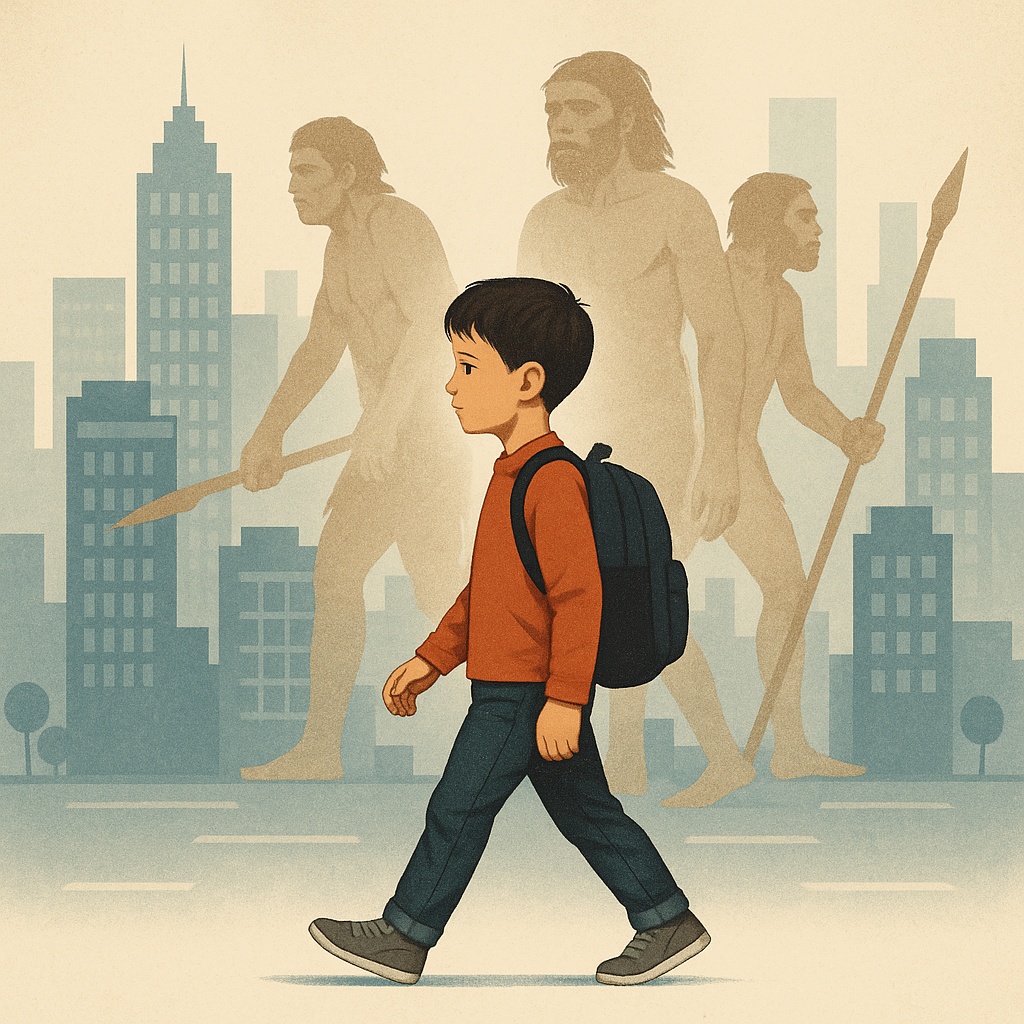
Children reveal the deepest layers of human nature. They act before culture reshapes them. They respond to the world with instincts older than civilization. Their reactions expose the evolutionary psychology we still carry inside our minds. Children read hierarchy, alliances, resources, threats, and reputation with astonishing accuracy. They know who matters inside a group, they…
-
Intelligence is not enough: You must learn how to use it
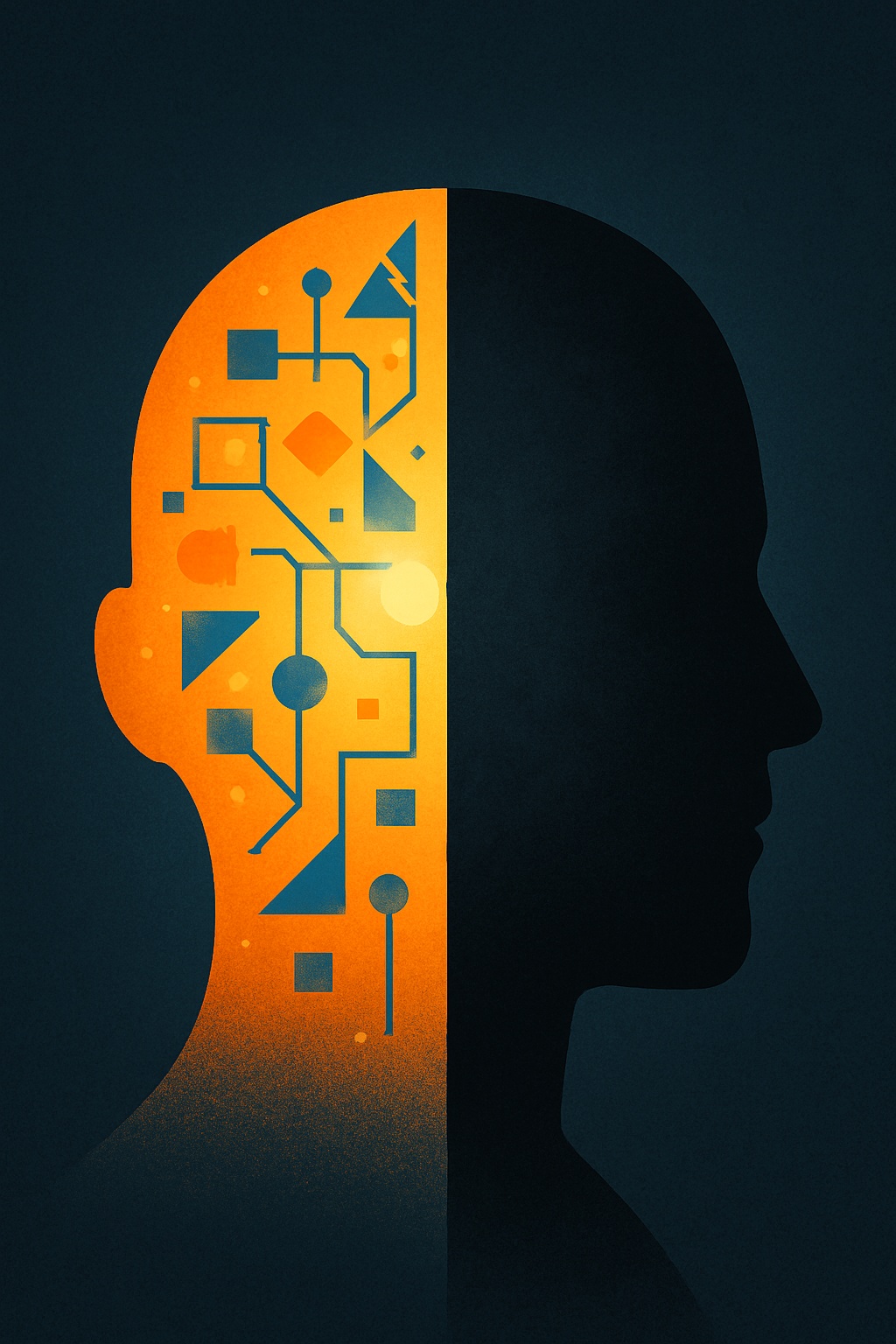
Intelligence does not guarantee good thinking. Intelligence gives potential, but potential does not create mastery. Psychologists repeat that people must learn how to use intelligence. They say that raw IQ means nothing without attention, awareness, and method. This raises an uncomfortable question. Will the brain allow you to use the intelligence you have? Or will…
-
Freethought and the neuroscience of belief
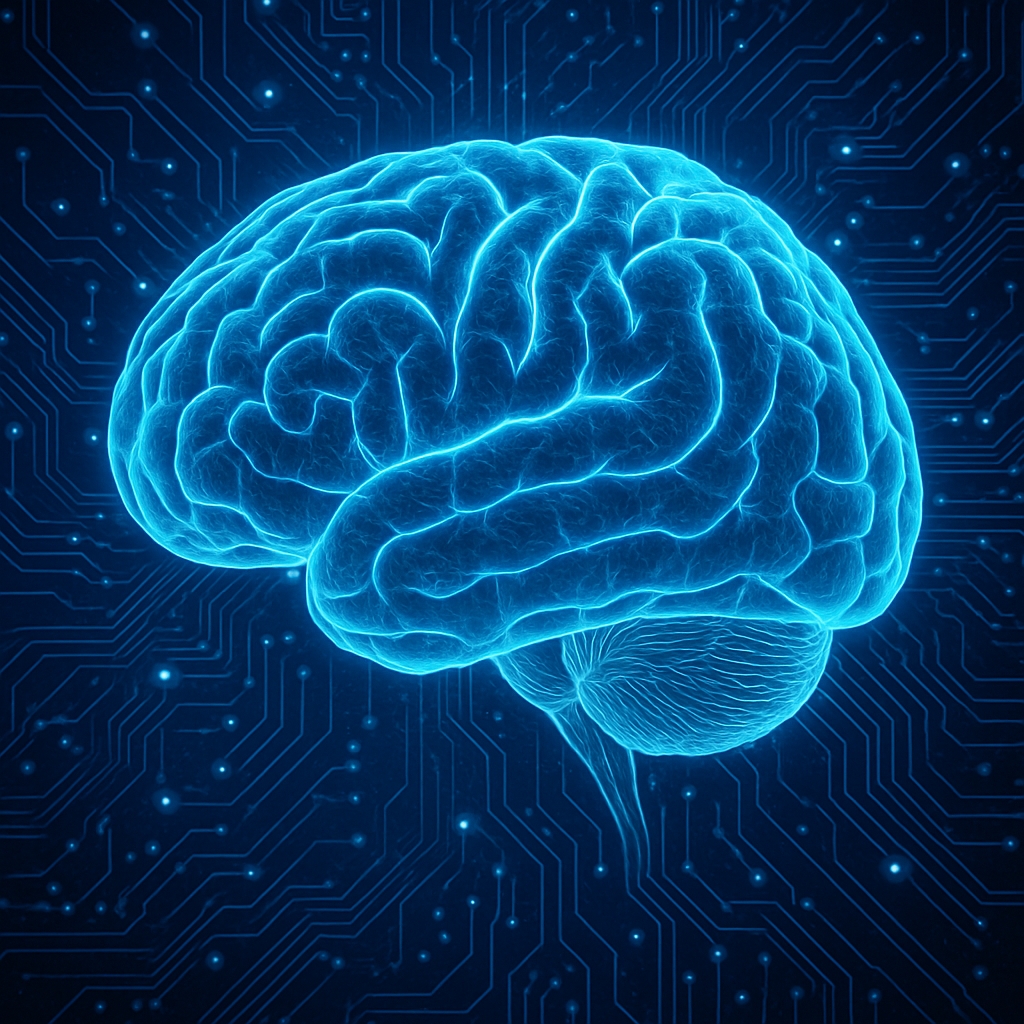
Freethought begins in the brain. It does not start with atheism, philosophy, or rebellion. It starts with understanding how neural circuits create conviction. The brain evolved for quick decisions, not for truth. It rewards certainty and punishes doubt. It embraces tribal loyalty and rejects unfamiliar facts. Therefore freethinking does not fight religion alone. It fights…
-

How art and literature have supported freethinking
Art and literature always push people away from obedience. They show new angles, they break illusions. They challenge systems that rely on fear, shame, and silence. Every religion, monarchy, and authoritarian regime knows this truth. That is why rulers monitor artists with more paranoia than they monitor merchants. They understand that a single painting or…
-

How religious dogma affects mental health
Religion never stays outside the mind. It enters the nervous system, identity, and emotional life. Dogma influences how people think, how they judge themselves, and how they understand the world. It shapes fear, guilt, sexuality, and self-worth. Many believe religion comforts them. Yet doctrine often harms them far more than they realize. The language feels…
-
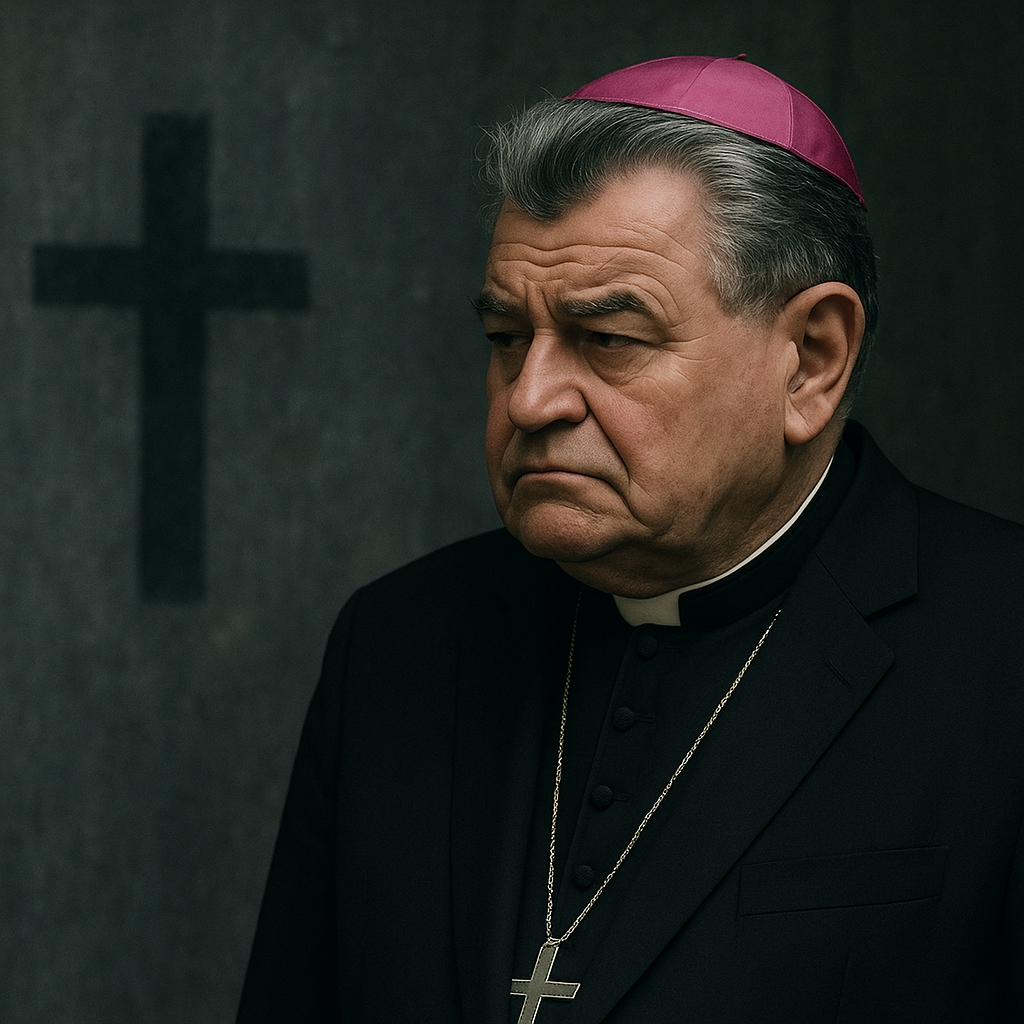
The Czech national hysteria after the archbishop’s death
Dominik Duka, an archbishop, dies and the country loses its mind. Crowds rush to churches. Media scramble for every angle. Politicians race to stand near the coffin. The atmosphere feels more like a coronation than a funeral. This hysteria exposes a deep contradiction. The nation calls itself secular. Yet the reaction looks like a medieval…
-

China’s propaganda is dangerous — Here Is how to fight it
Chinese propaganda constructs an image of China that looks almost otherworldly. It shows glowing skylines, spotless streets, and perfectly synchronized crowds, it highlights new megacities that appear overnight. And it presents highways, bridges, and tunnels as proof of unstoppable progress. It praises efficiency, stability, and discipline. Many Westerners fall for this vision because they feel…
-
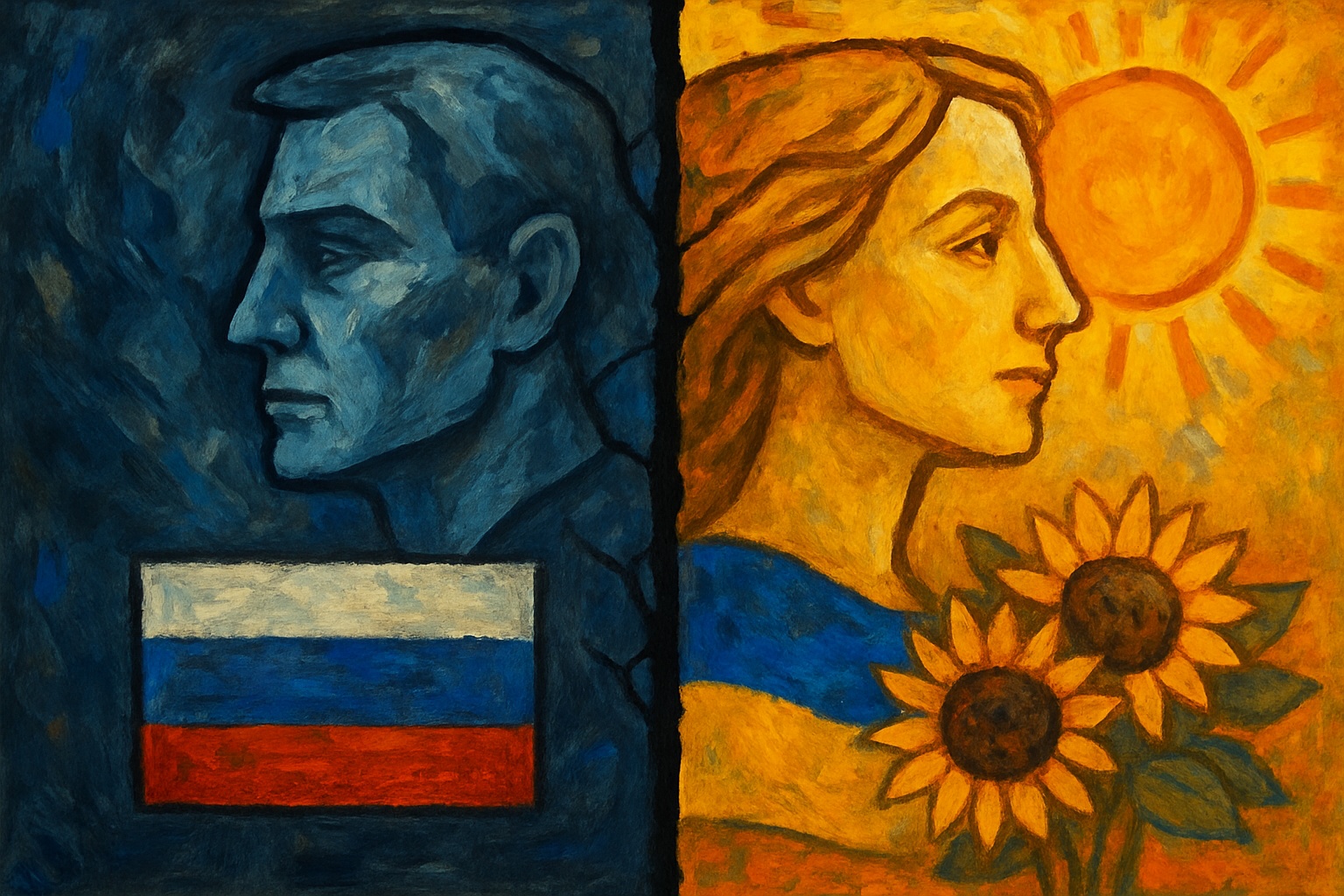
Russian and Ukrainian mentalities: Differences and similarities
Russia and Ukraine were not born as enemies. Their roots stretch back to the same civilization—Kievan Rus—the medieval state that laid the foundations for Slavic culture and Orthodox Christianity. Yet from this shared origin, two very different paths emerged. Geography, foreign domination, religion, and psychology shaped two distinct ways of thinking. Russia evolved under the…
-
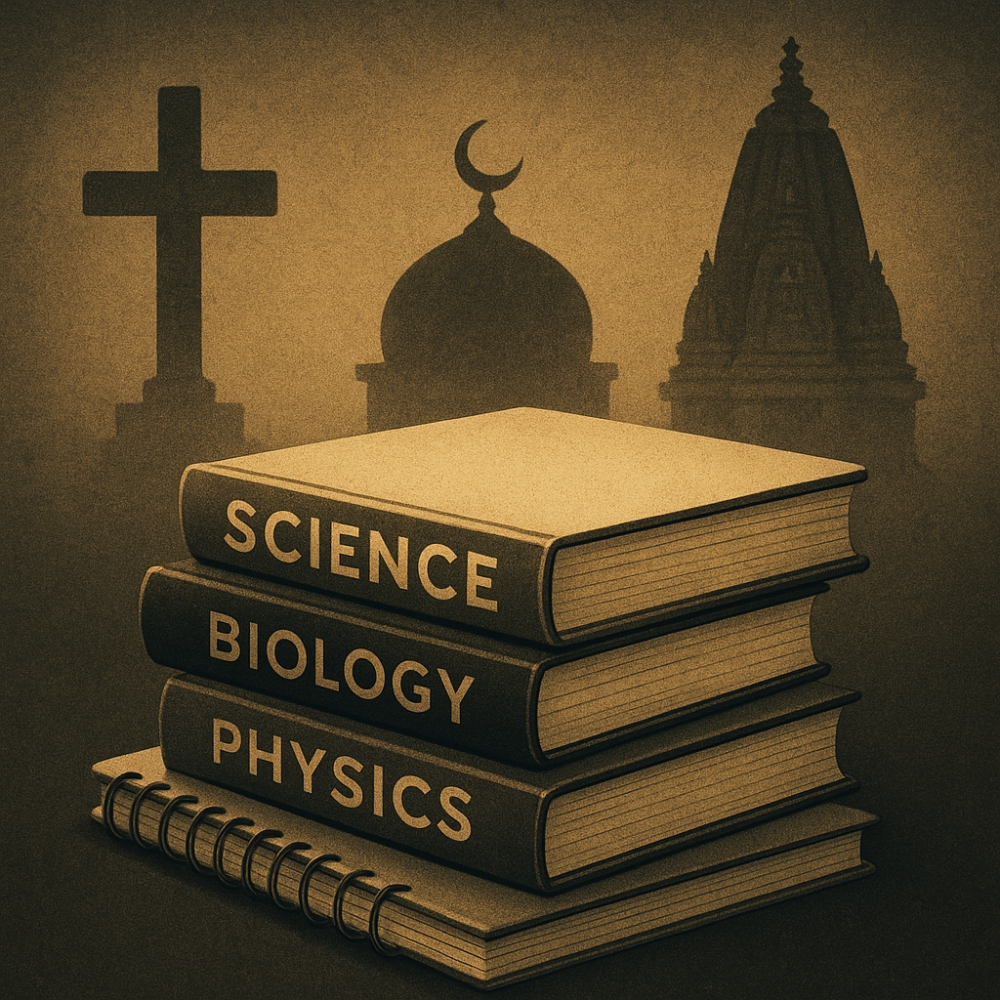
The Global South’s silent secularists: Voices often overlooked
The Global South is not one voice. It is millions. And among them are those who dare to think without divine permission. They are the silent secularists, the ones who live between faith and fear. Their doubt is not rebellion against culture. It is rebellion against control. Religion dominates most developing nations. It fills every…