Tag: capitalism
-
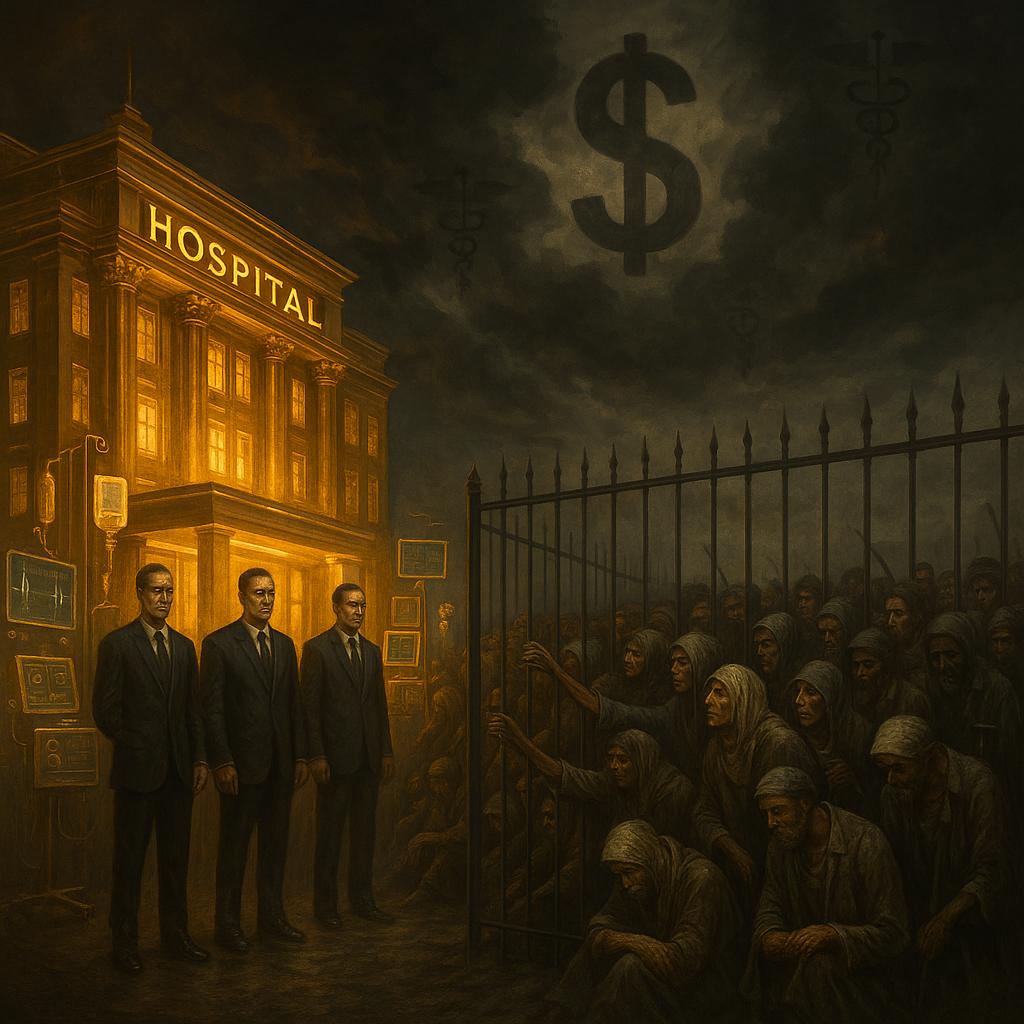
History of health care to now: 8 million dead each year
People believe modern health care is expensive because it is advanced. But the real reason is much simpler: because someone wants profit. From the earliest times to today, paying for your own survival has been a consistent injustice, not a new one. And it continues even though we live in an age where trillion-dollar fortunes…
-

Freethinkers International substitutes governments
A global government would be the most logical path. Shared humanity, shared planet, shared responsibilities. It could stop wars before they start. It could erase hunger before it spreads. Coordinated justice would finally replace national hypocrisy. And yet, we live in a highly interconnected global economy with no major regulator. Banks trade across borders. Corporations…
-

Mossad allowed to kill, therefore it is so good
I once heard it from an ex-KGB officer: every agency kills. But Mossad? Mossad is allowed. Most countries kill and lie. Israel kills and explains. That turns Mossad into something strange: a legalized assassin with a heroic reputation. And since every other agency in the Middle East kills, we are told Mossad must kill to…
-
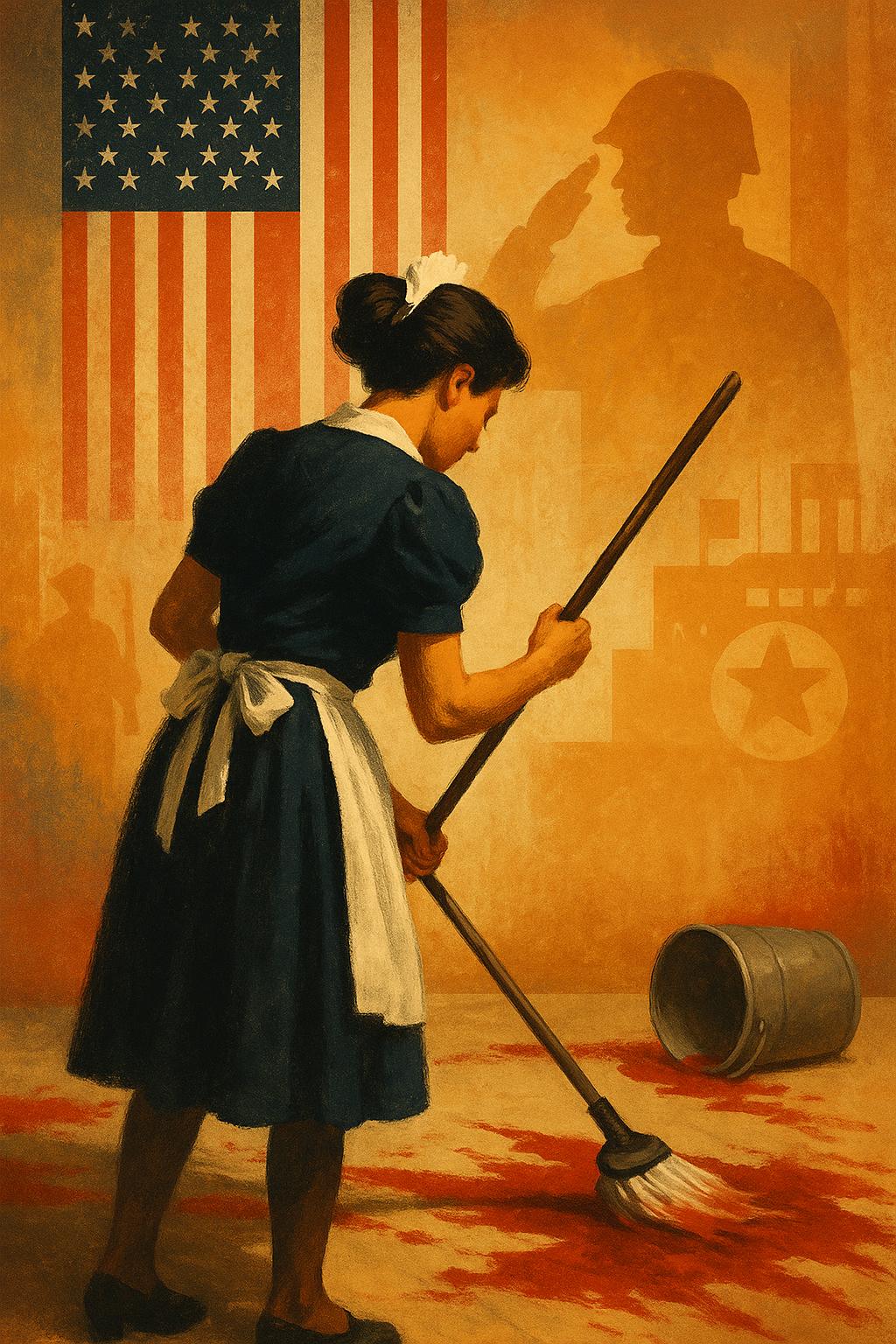
US nationalism as a useful maid
US nationalism has never truly governed. It has never led. It has always served. Politicians use it when needed—during war, after terrorist attacks, or in moments of economic collapse. They invoke it, exploit it, and then discard it. Nationalism in America functions like a maid. It shows up when the mess gets out of control,…
-

Dystopia: People don’t do things because of morality
Well-read people are fully aware that people do things because of resources (in today’s society: money, stocks, cars, and so on) and not morality. Of course, we have complex submissive-dominant relationships, which may be based on morality (for example, paramedics), and people promote which relationships should exist (for example, the police, firefighters), but people don’t…
-

Make every developing country a developed one
As of recent estimates, approximately 80% of the world’s population lives in developing countries. The term “developing countries” typically refers to nations with lower income levels, less industrialization, and lower Human Development Index (HDI) scores compared to developed countries. These countries are primarily located in regions such as Asia, Africa, and Latin America. The exact…
-

Trump vs the banks? Or just another power grab?
They say Donald Trump broke from the system. That he disrupted the global financial order, clashed with central banks, and terrified the architects of Western capitalism. But the truth may be far less revolutionary and far more calculated: what if he never opposed the system—only wanted to own it? What appears as rebellion might be…
-

Hillary Clinton, war with Russia and puppet state
Had Hillary Clinton won the election, Russia would have never been the same. There would have been, with great likelihood, a war with Russia and then transformed it into a puppet state. Or another solution to disrupt the regime. Germany as a puppet state My regular readers know it so if you don’t, please don’t…
-

The new oligarchy: Beijing, Mumbai, and the Silent empire
For over a century, the Western elite controlled the script. Wall Street set the pace (aka the super-rich families and banks), Silicon Valley drove innovation, and Washington exported governance models dressed up as democracy. However, that world is gone. Today, a new oligarchy rises—not from Paris, Berlin, or New York, but from Beijing, Mumbai, and…
-

The super-rich’s biggest asset: Confusing us with morality
People love to judge (morality). They follow courtroom drama, they react to shocking headlines. They chase guilt and demand punishment. A drunk driver hits a child — outrage follows. A shoplifter takes groceries — condemnation comes fast. A man stabs his neighbor — the story goes viral. Yet while these incidents flood our emotions, the…