Tag: capitalism
-

Educated person? What does it mean?
My grandfather proclaimed that Miss of the Czech Republic must be smart. In his view, it was command of foreign languages (of course, learning a foreign language means you never master it just like your native tongue), some superficial general knowledge, and some ability to respond to more difficult questions. Is that an educated person?…
-

The impact of colonial history on modern geopolitics
Colonialism has officially ended. Yet its structures remain deeply embedded in the global system. In fact, the modern world order still runs on the mechanisms built by European empires. Colonial history does not sit in museums; instead, it lives in borders, currencies, alliances, and crises. It continues to shape how nations trade, borrow, vote, fight,…
-

The fight to possess anything – it’s turned against us
Throughout history, people have struggled to possess something of their own. Not out of greed, but because without ownership, there was no dignity, no safety, no independence. To own even a patch of land, a cow, or a tool was to escape the total control of kings, lords, or masters. However, what began as a…
-

Socialism for the rich
The ultra-rich own hundreds of trillions of dollars worldwide. Their wealth is unimaginable, yet they remain unsatisfied. Billionaires are content with the system, but they should not be. Even the top one percent, excluding the ultra-rich, should not be content either. The system does not serve them. Instead, it traps them in endless competition, insecurity,…
-

Multinational corporations and local economies
Multinational corporations (MNCs) are large businesses that operate in multiple countries. They leverage their vast financial and technological resources to dominate global markets. They manufacture goods, provide services, and influence international trade, often surpassing the power of national economies. Their economic strength grants them the ability to manipulate policies, suppress competition, and shape labor markets…
-

Historical connections between banks and intelligence agencies
Banks and intelligence agencies have always shared a complex relationship. While banks control the flow of money, intelligence agencies gather, manipulate, and protect sensitive information. Over the decades, these two institutions have worked together in ways that shape economies, fund covert operations, and influence global power dynamics. Governments rely on financial institutions to channel funds…
-
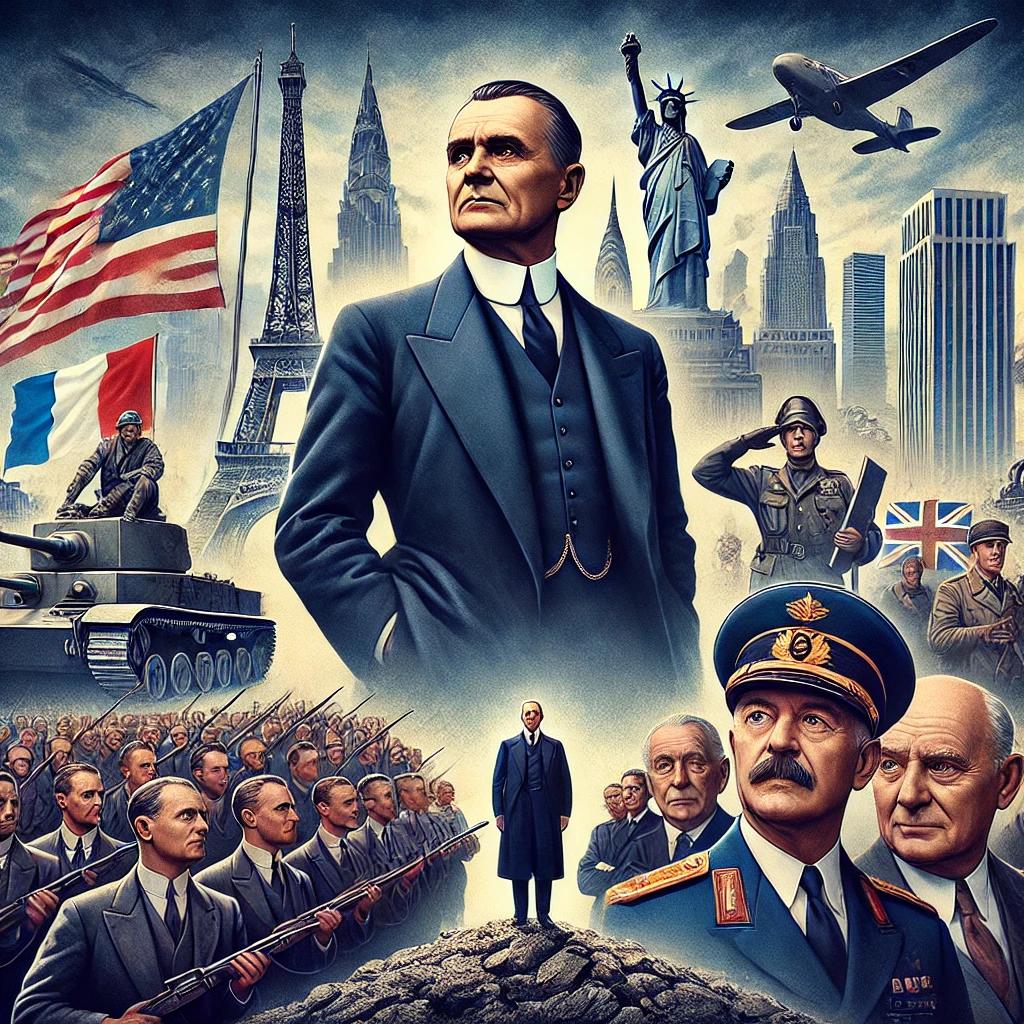
Charles de Gaulle? Powerful France, not just a puppet state
Charles de Gaulle shaped modern France in ways few leaders could. He did not just lead the country; he engineered its rise as a global power. Without him, France could have remained a weakened, dependent nation, overshadowed by the United States and Britain or even threatened by Soviet influence. He manipulated the political, military, and…
-
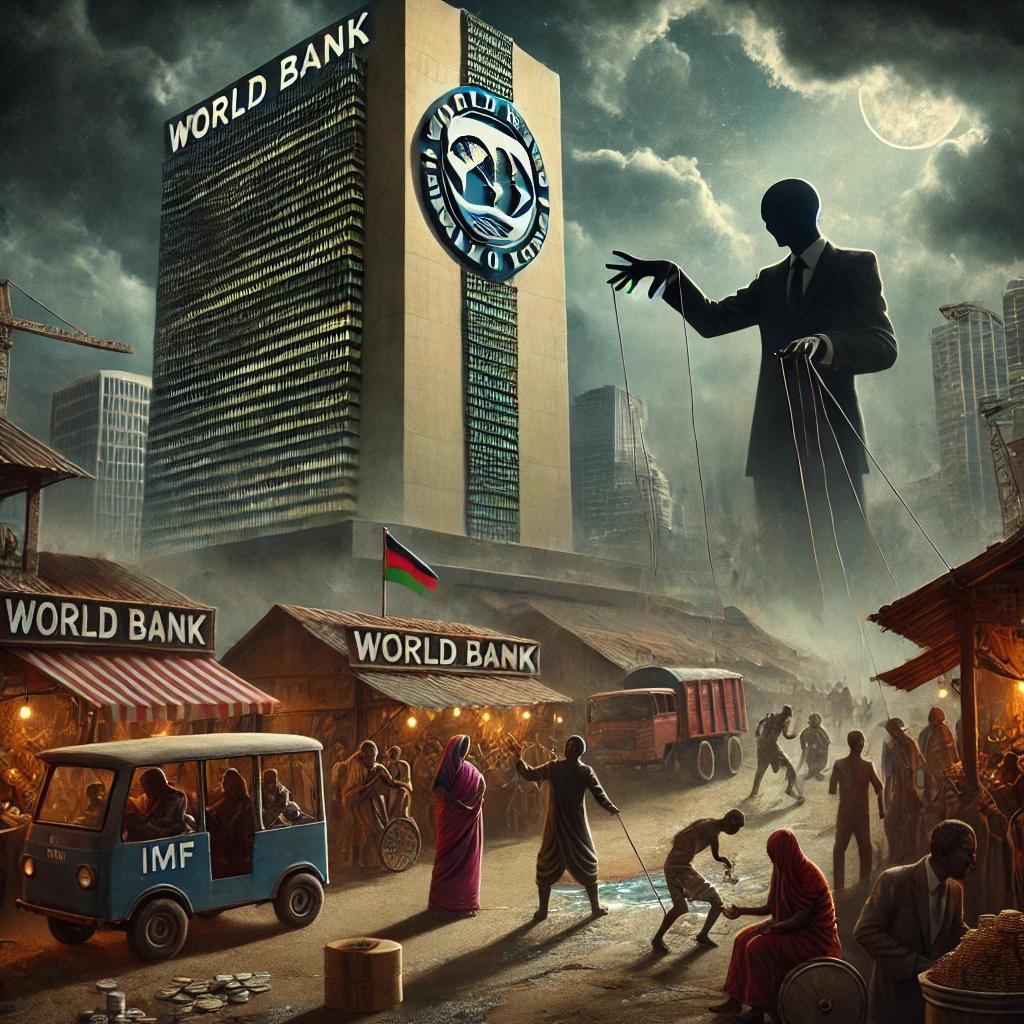
Why Western economic policies destabilize foreign governments
Western economic policies are marketed as instruments of stability, progress, and modernization. In reality, they often lead to financial collapse, political unrest, and long-term dependency. Institutions like the International Monetary Fund (IMF), World Bank, and Federal Reserve are not neutral organizations. They act as economic enforcers, shaping global markets to benefit Western financial elites. Their…
-
There used to be strong leaders, now we have stupid politicians
Cardinal Richelieu, Charles de Gaulle, Winston Churchill, and Margaret Thatcher shaped history with intelligence, strategy, and decisive action. They built nations, crushed opposition, and made long-term decisions that defined the future. They did not depend on public approval to make bold choices. Instead, they understood that leadership required force, strategic alliances, and the ability to…
-

Politics happening in data? Driven by AI
Humans evolved to see the world through stories. Politics is no exception. People do not analyze governance through data but through narratives. They have personal favorite politicians, whom they see as saviors, and others they passionately hate. There is no rationality in this. It is pure emotion. It is an evolutionary instinct. The brain prefers…