Tag: Christianity
-
Did Jesus exist? Methods and bias
Whether Jesus of Nazareth existed often looks like a simple question with a simple answer. Christians may see his existence as self-evident. Some atheists point to the lack of contemporary documentation and conclude that people invented him. Most specialists take a different position. They think a Jewish preacher probably stood behind Christianity. At the same…
-
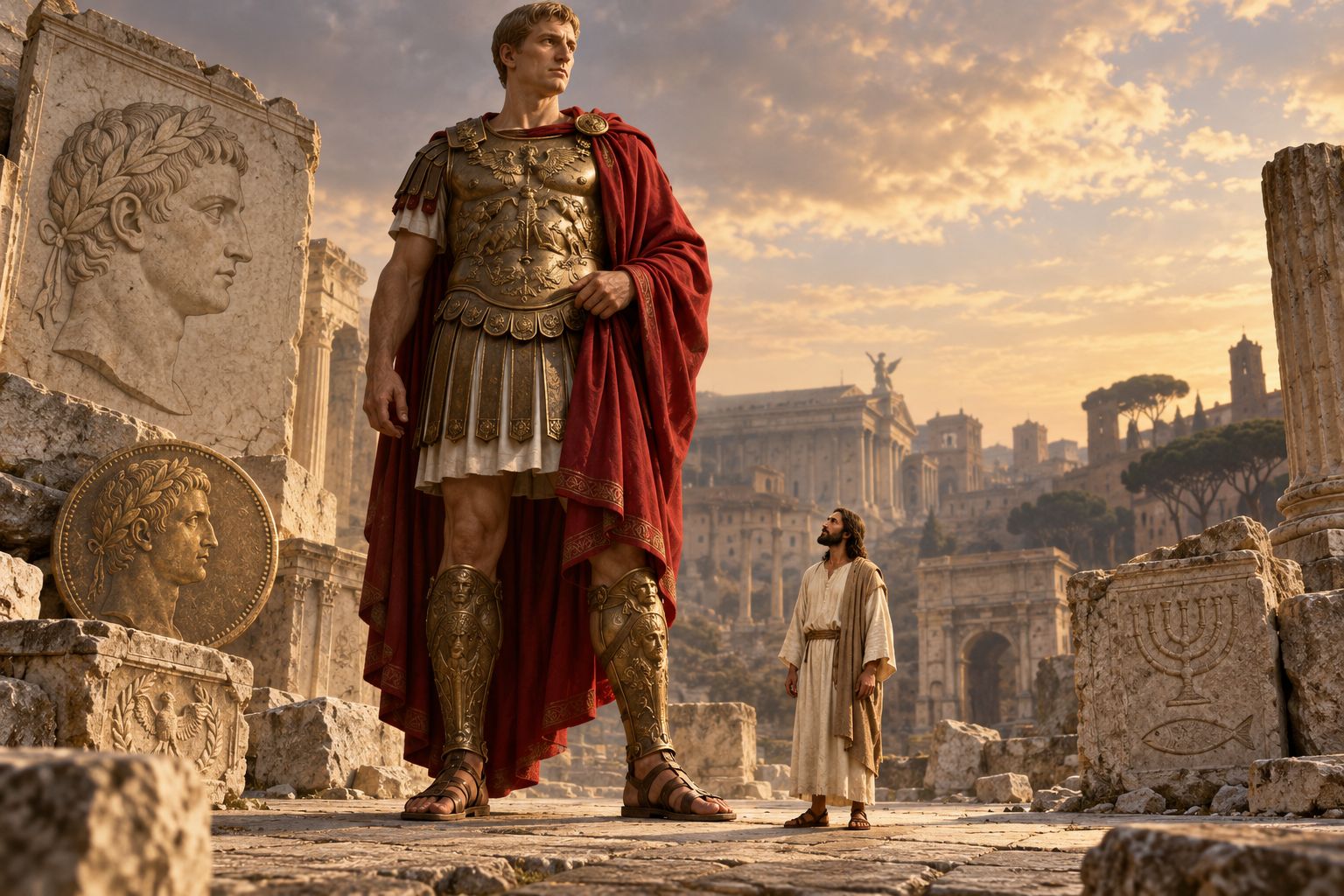
Jesus and Augustus: Very little evidence vs. overwhelming evidence
Augustus left coins, inscriptions, monuments, and portraits made during his lifetime. His contemporaries discussed his actions and corresponded with him. Jesus left a much narrower historical record, largely preserved in religious writings and later references. Both belong to the ancient world. Yet the evidence for their existence differs enormously in quantity, variety, and proximity to…
-

The biology and environment behind religiosity
Why do some people become deeply religious while others remain indifferent or reject religion altogether? The obvious answer is upbringing. A child born into a Catholic family in Poland is much more likely to become Catholic than a child born into a Muslim family in Saudi Arabia or a Hindu family in India. Yet research…
-
From heaven to extinction: AI’s strangely religious future
Artificial intelligence is supposed to represent the future. Yet some of the stories surrounding it sound remarkably ancient. Humanity creates something more powerful than itself. The old world comes to an end. Some people are saved. Others are left behind. Human beings transcend their biological limitations. Death itself may eventually disappear. Replace God with technology,…
-
They won’t admit Jesus didn’t exist. It is the opium of the people
The establishment will not admit the truth. The media will not say it. Rich interest groups refuse to consider it. Even Christian scholars avoid the question entirely. There is absolutely no evidence that a person such as Jesus Christ ever existed. No contemporary Roman records mention him. No historians from his time wrote his name.…
-
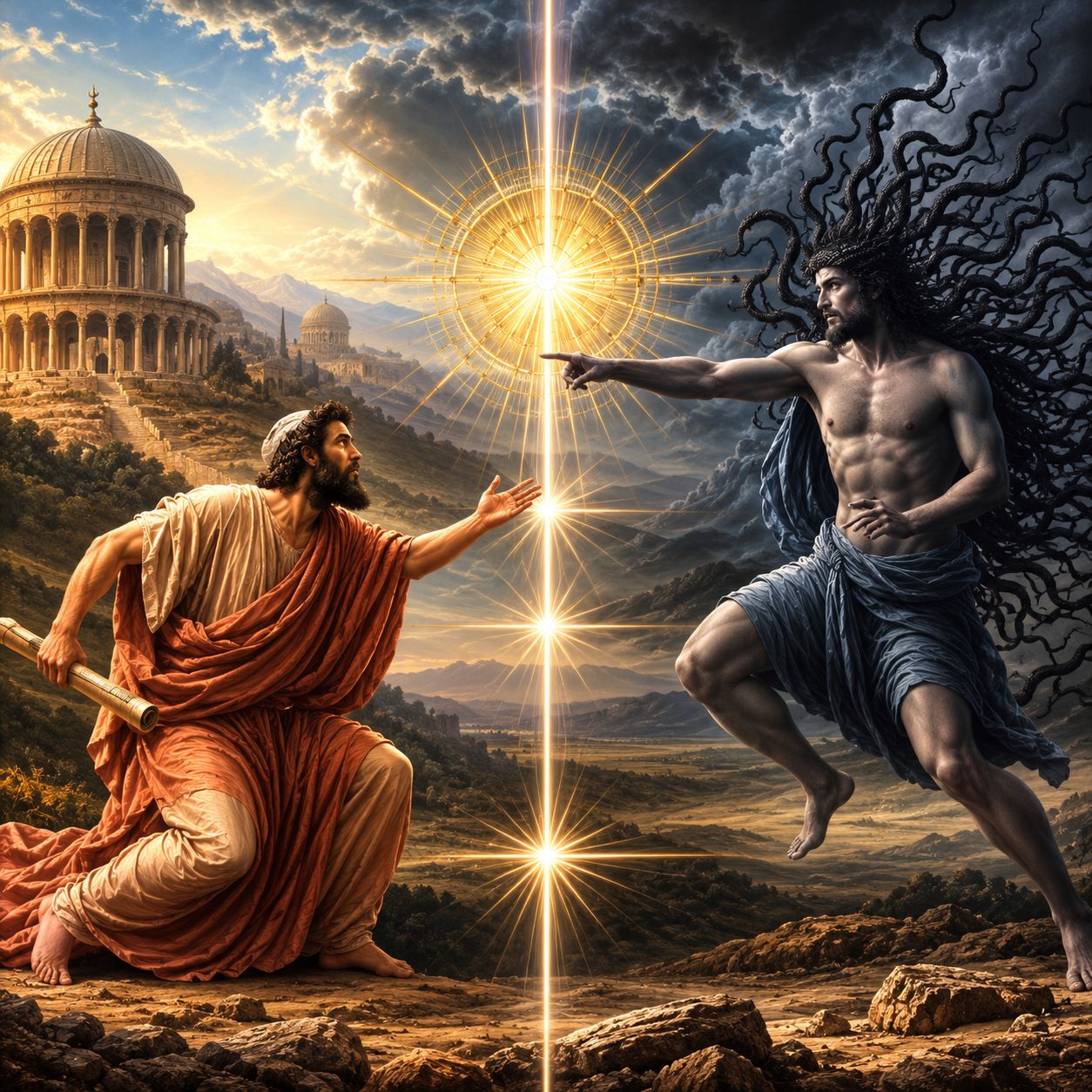
The evolution of Satan: A God’s servant and the Prince of evil
You think you know him, of course. The red skin, the horns, the pitchfork, the tail. The guy in the basement with a trident, laughing while people burn. That is not Satan, however. That is a cartoon. The real Satan is older, stranger, and far more complicated. He did not start out as the bad…
-

The Amish, the Hasidic, and the Taliban: Who is more extreme?
It is a comparison that appears surprisingly often. Images of Amish horse-drawn buggies, Hasidic Jews in black coats and fur hats, and Taliban fighters carrying rifles are frequently grouped together as symbols of religious “extremism.” At first glance, they all seem to reject many aspects of the modern world. They dress differently, follow strict religious…
-

Zohran Mamdani: No distinction between radical and secular Islam
The election of New York City’s new mayor, Zohran Mamdani, once again exposed one of the biggest weaknesses of modern political debate. For many people, the word “Muslim” immediately evokes terrorism, religious extremism, the September 11 attacks, or authoritarian regimes. Others react in the opposite direction, refusing to acknowledge that Islamist extremism exists at all.…
-
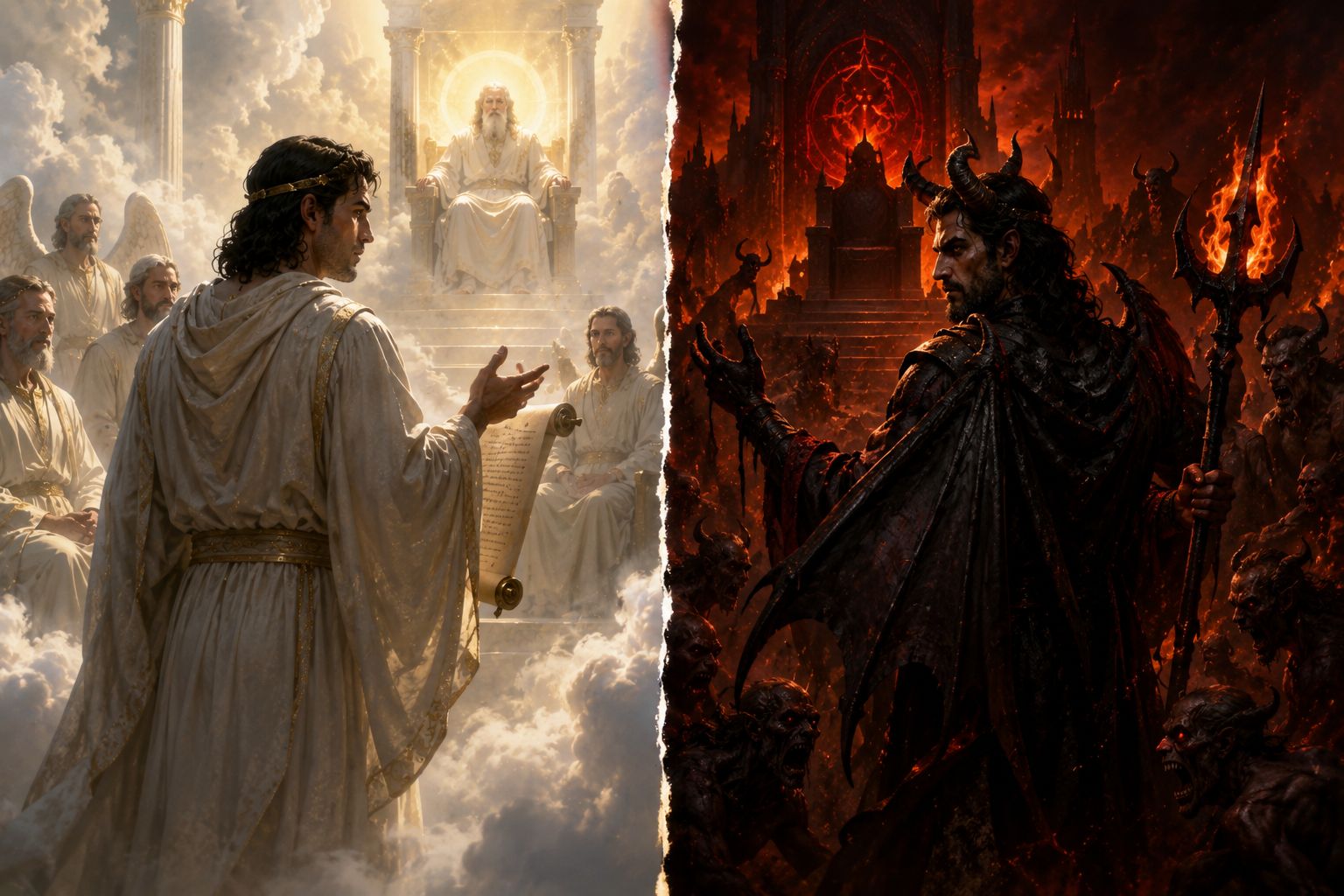
Christianity made Satan far more powerful than Judaism
Most Christians imagine Satan as God’s eternal enemy. He rules hell. He commands demons. He tempts humanity. Moreover, he stands behind much of the evil in the world. Many believers assume this picture comes directly from the Old Testament. It does not. If we compare the Hebrew Bible with the New Testament and later Christian…
-
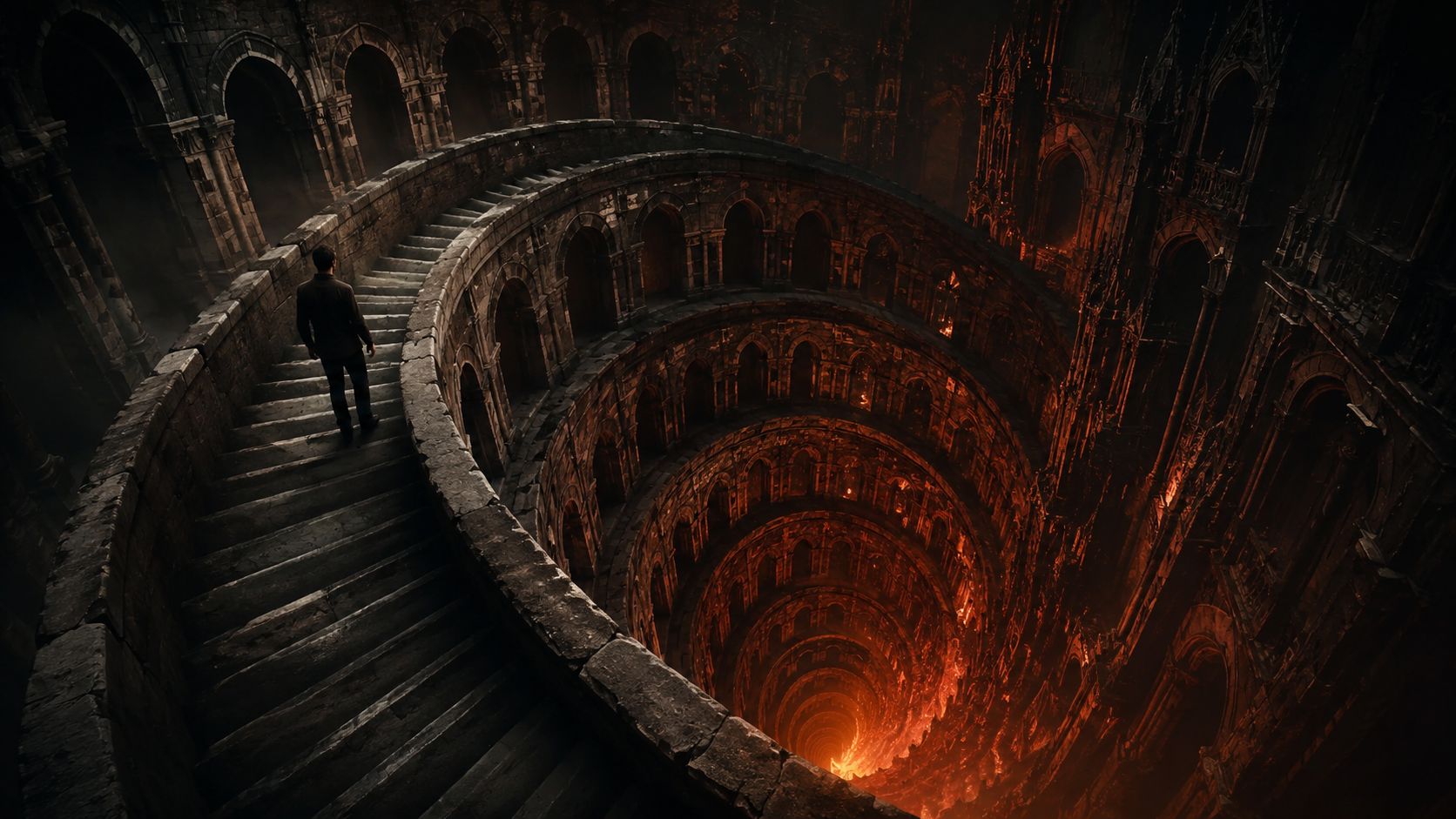
Christian hell is worse than Jewish hell
Skeptics often charge the Old Testament God with violence. They point to floods, plagues, and conquered cities. Apologists counter by pointing to the cross. They say the New Testament reveals a God of love—one who takes the violence upon Himself. But this defense misses the point. If we take the New Testament’s hell literally, the…