Tag: corruption
-
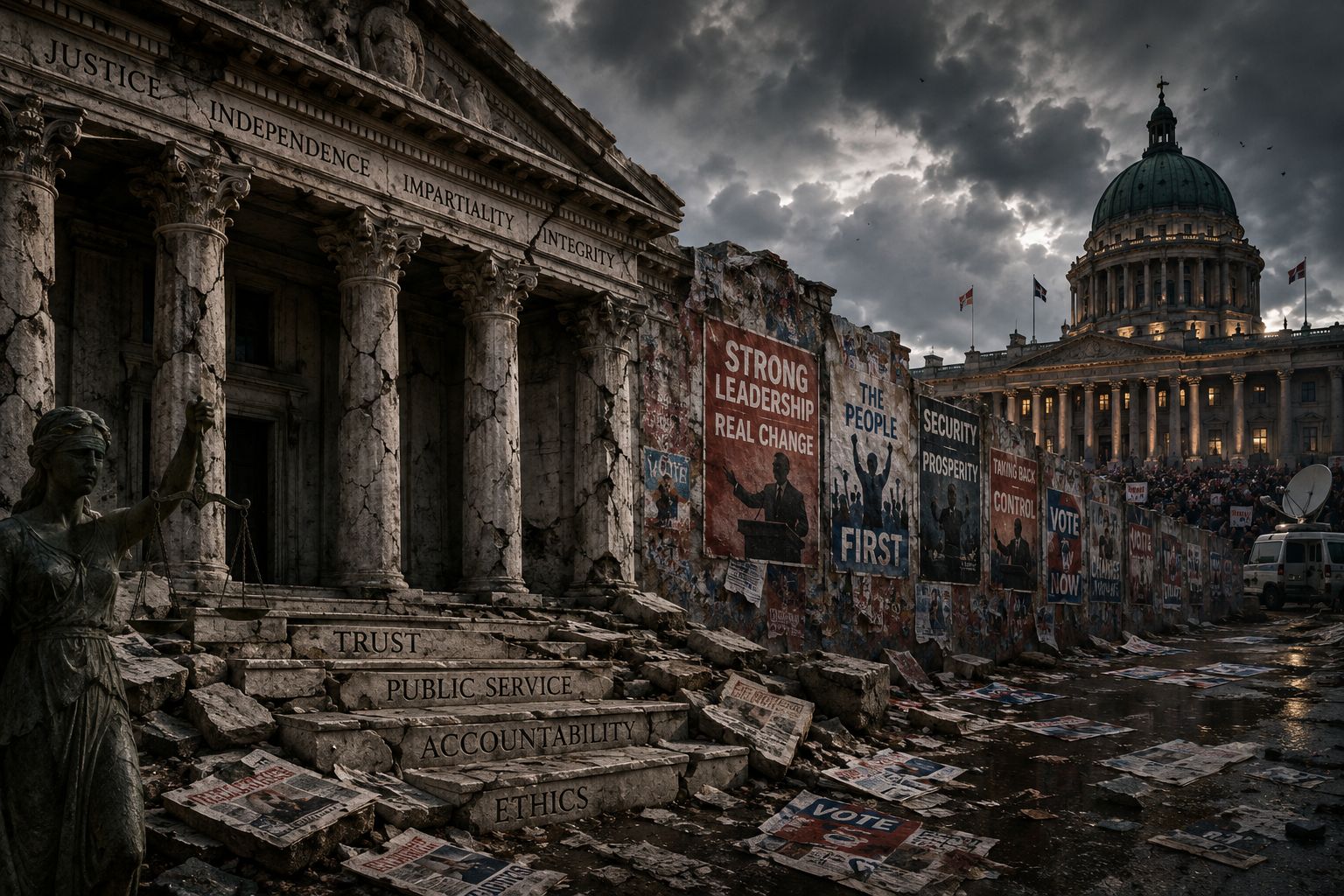
Will political culture deteriorate even more?
For much of the twentieth century, democratic politics operated according to a relatively stable set of unwritten rules. Politicians accused of serious corruption, financial crimes, or abuse of office often saw their careers collapse long before a court reached its final verdict. Public trust mattered, and even the appearance of wrongdoing could permanently damage a…
-

Cruel bank robbery vs. financial crimes
When masked robbers storm into a bank with weapons, the event dominates headlines for days. Television stations replay security footage, newspapers print dramatic photographs, and politicians promise tougher penalties. Victims often describe the experience as one of the most traumatic moments of their lives. Being threatened with violence, believing you may die, or watching someone…
-
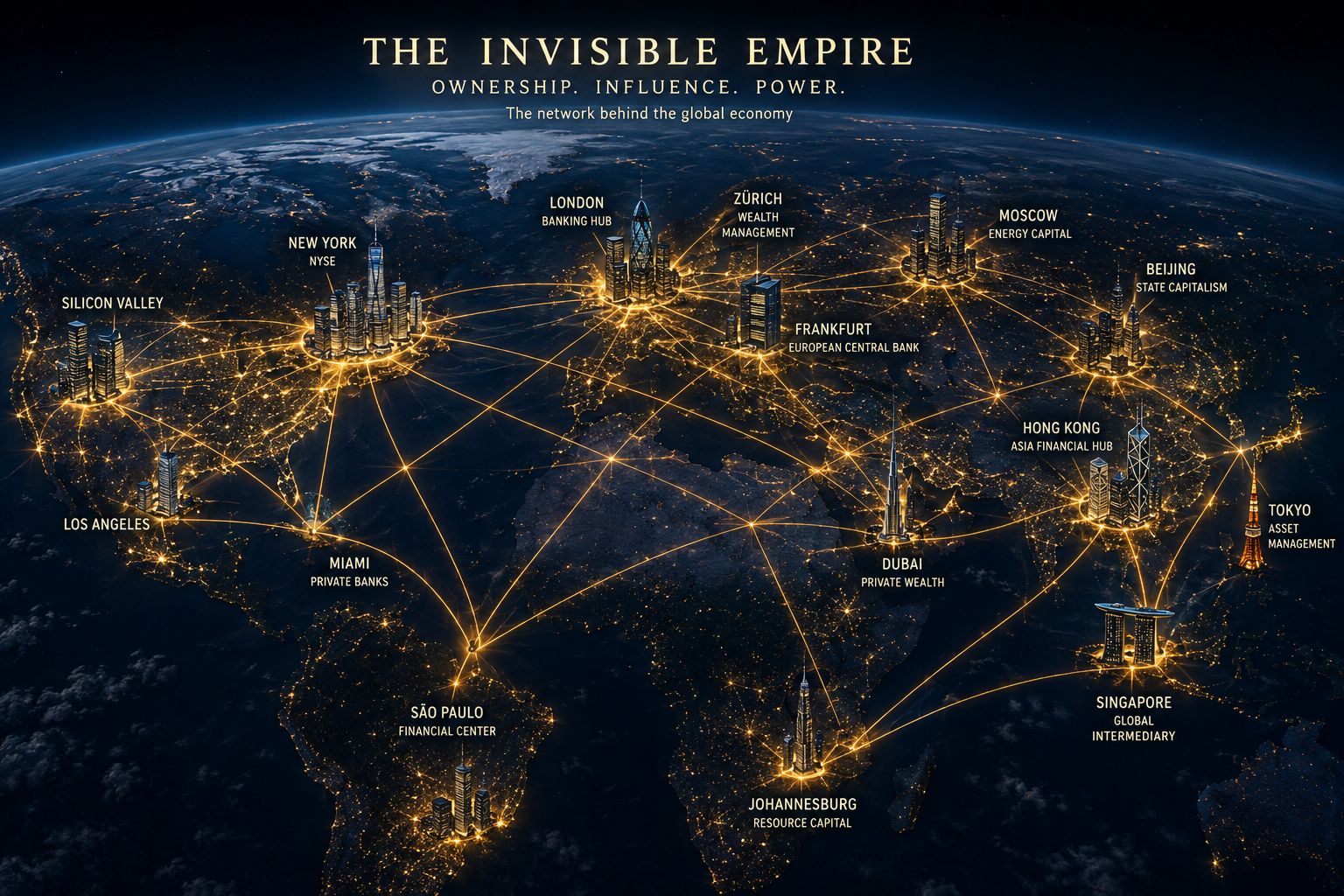
Inherited wealth, little innovation, lower taxes?
Capitalism has always been sold as a system of competition. The idea appears straightforward. Anyone with talent, determination, and a good idea can build a successful business. Consumers choose the best products. Inefficient companies disappear. New inventions replace old ones, while every entrepreneur has an opportunity to challenge the market leaders. Wealth, in this view,…
-
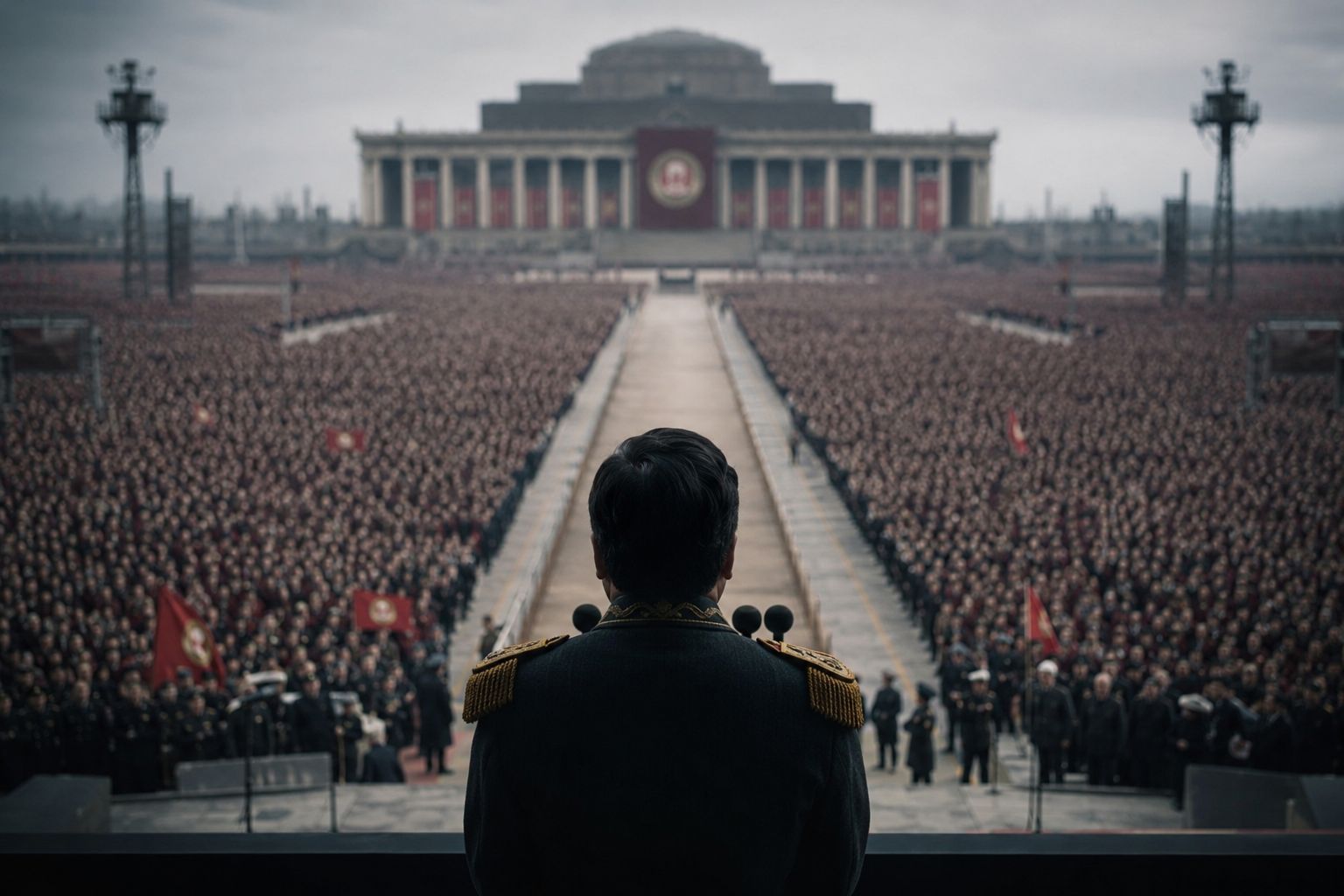
The secret psychology of dictators
Dictators do not emerge randomly. They emerge from deep psychological mechanisms rooted inside human evolution, fear, hierarchy, social instability, tribalism, domination, and mass psychology. At first glance, dictators appear inhuman. People often imagine them as monsters born fundamentally different from ordinary individuals. However, reality looks far more disturbing. Many psychological traits visible in dictators exist…
-
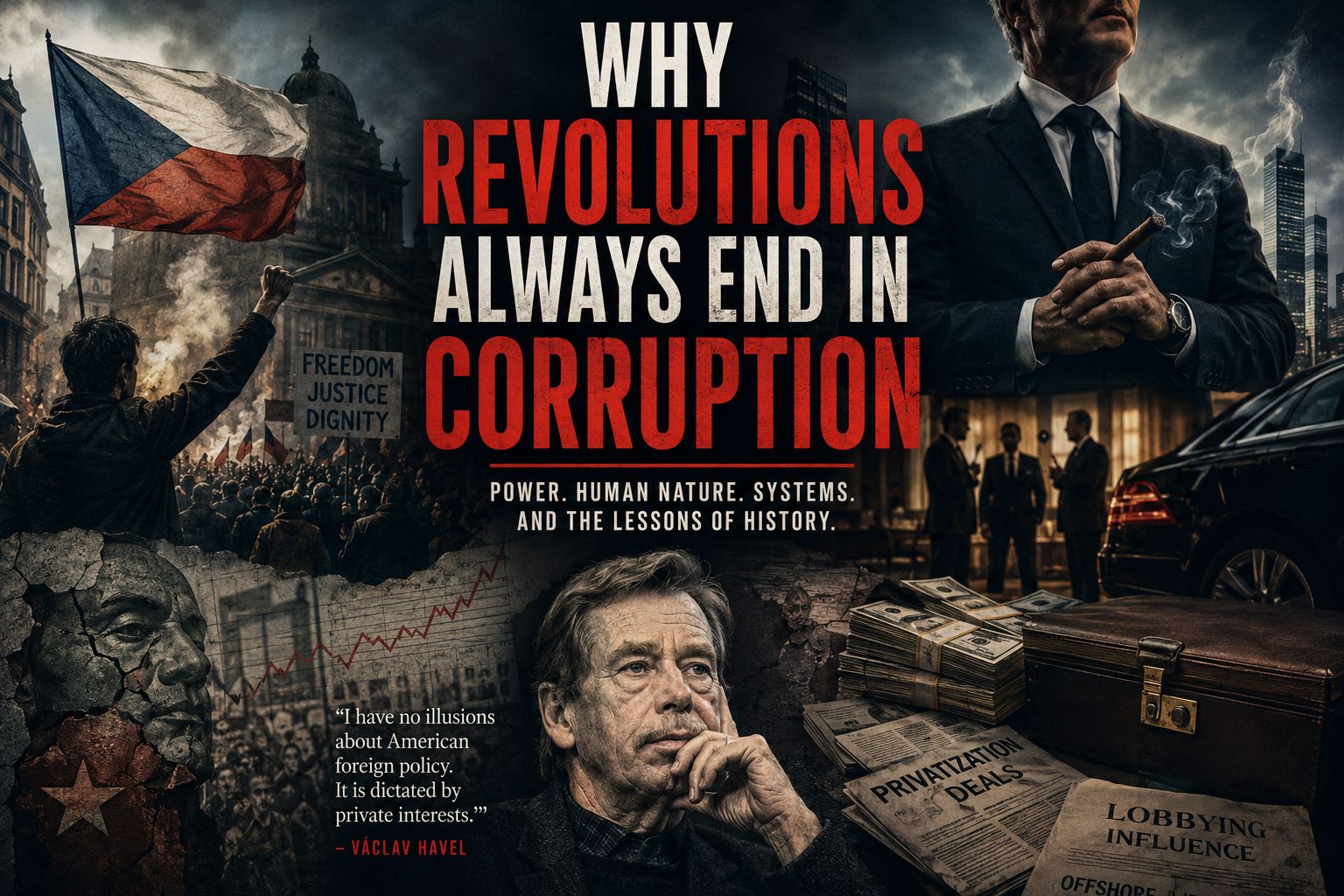
Why revolutions always end in corruption
Revolutions begin with moral outrage. People rise because they believe society has become intolerably unjust. They see corruption, inequality, oligarchic control, repression, poverty, censorship, police brutality, foreign domination, or complete institutional decay. Consequently, revolutionary movements emerge with enormous emotional energy. At first, revolutions appear morally pure. Crowds gather in streets believing they fight for freedom,…
-
Why capitalism mirrors feudalism
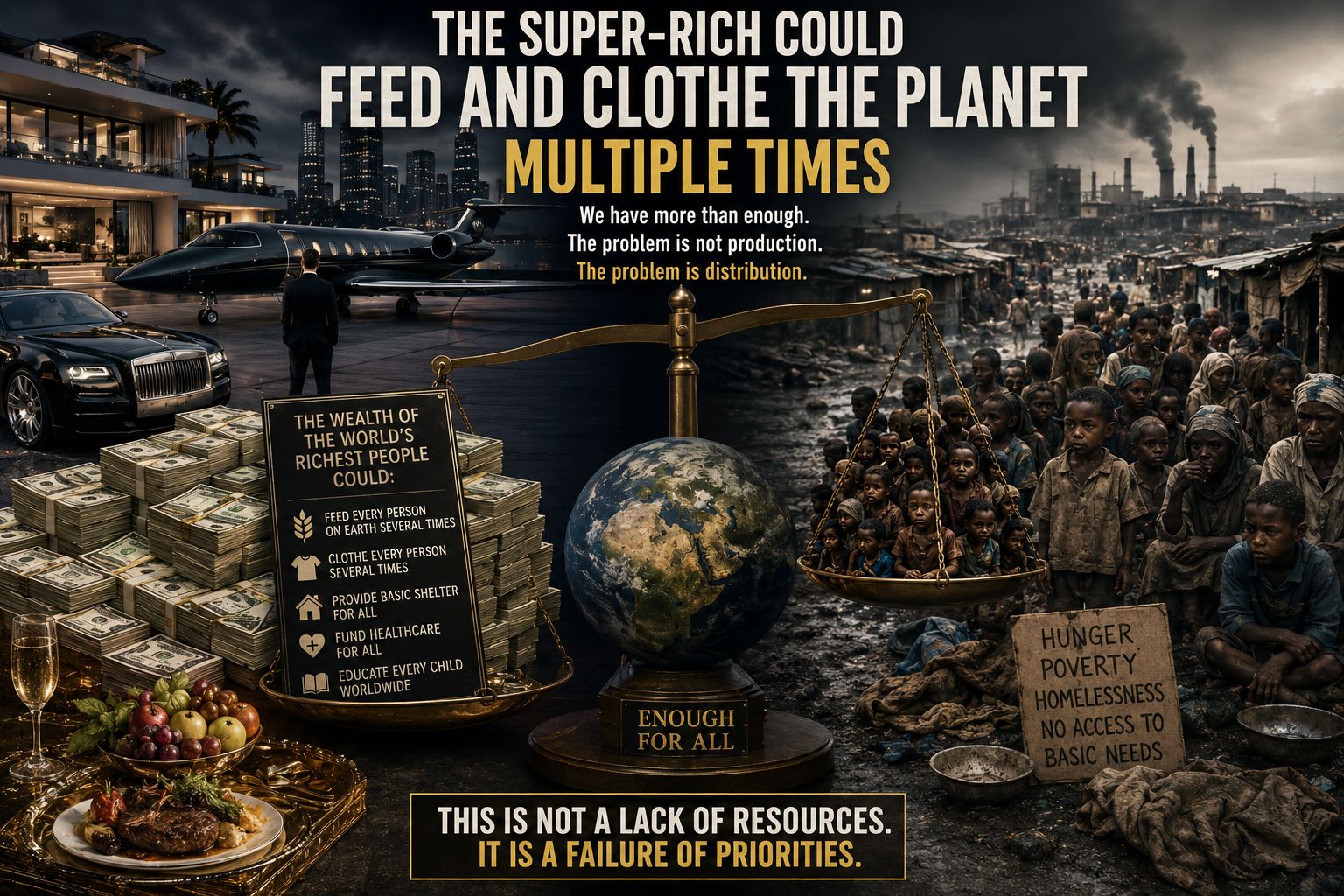
Modern capitalism presents itself as the triumph of freedom over feudal hierarchy. According to its idealized image, anyone can rise through talent, discipline, innovation, and hard work. Markets supposedly reward merit. Competition supposedly prevents domination. Wealth supposedly reflects productivity. However, reality increasingly points elsewhere. The modern world contains unprecedented wealth. Trillions circulate through investment funds,…
-
Global hunger: Starvation is a policy choice
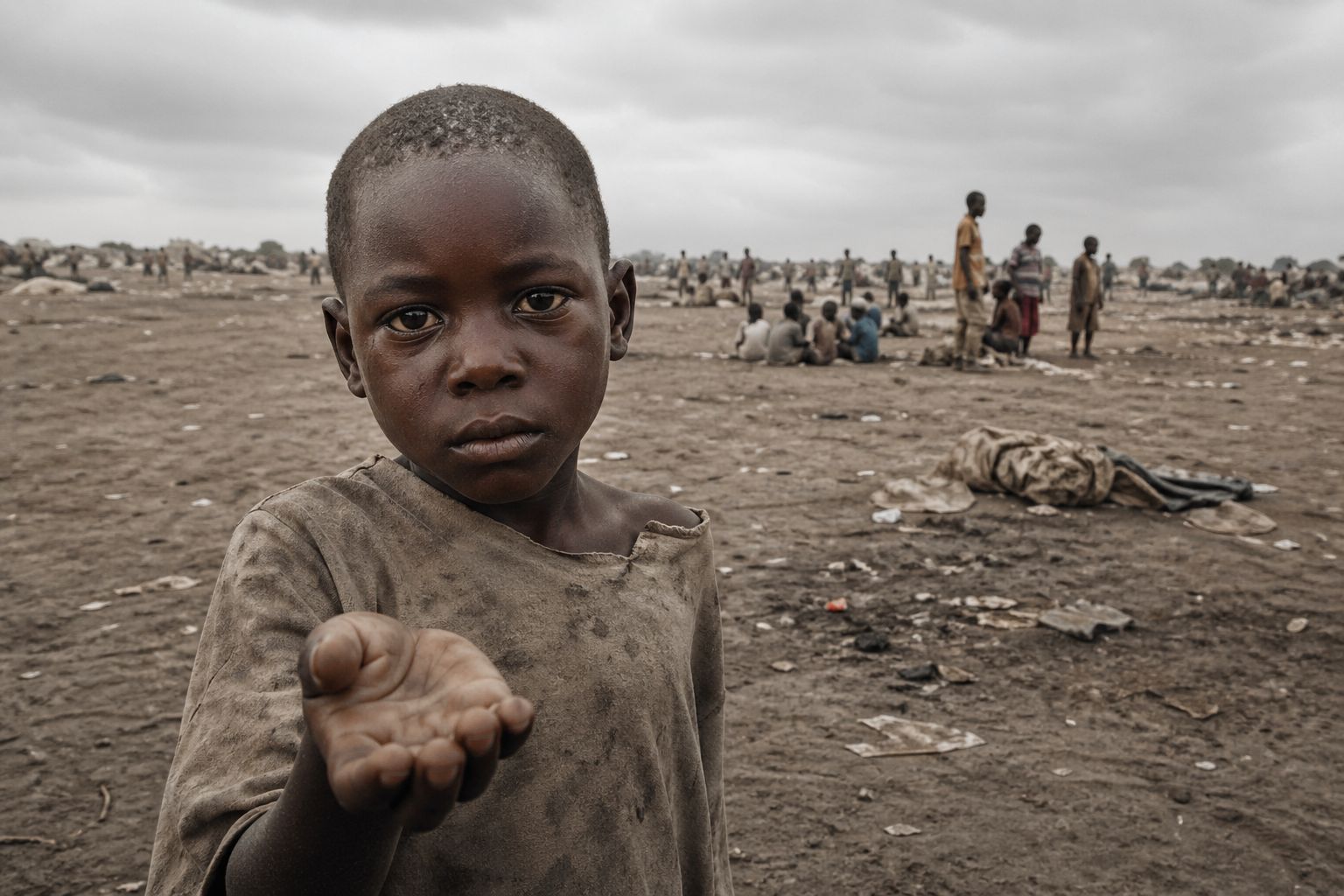
The world produces enough food. Yet millions starve. Therefore, the problem does not lie in production. It lies in distribution, incentives, and power. In other words, hunger reflects a systemic failure, not a natural limit. At the same time, wealth has reached unprecedented levels. Capital concentrates in the hands of wealthy families, multinational corporations, and…
-

China as one mega-lobbyist, America as a battlefield of lobbies
China does not lobby like the West. Instead, it absorbs lobbying into the state. As a result, the boundary between state, corporation, and strategy begins to fade. At the center stands the Chinese Communist Party. It coordinates direction across sectors. Moreover, it enforces alignment when needed. Importantly, it does not eliminate interest groups. Rather, it…
-
The evolutionary psychology of corruption
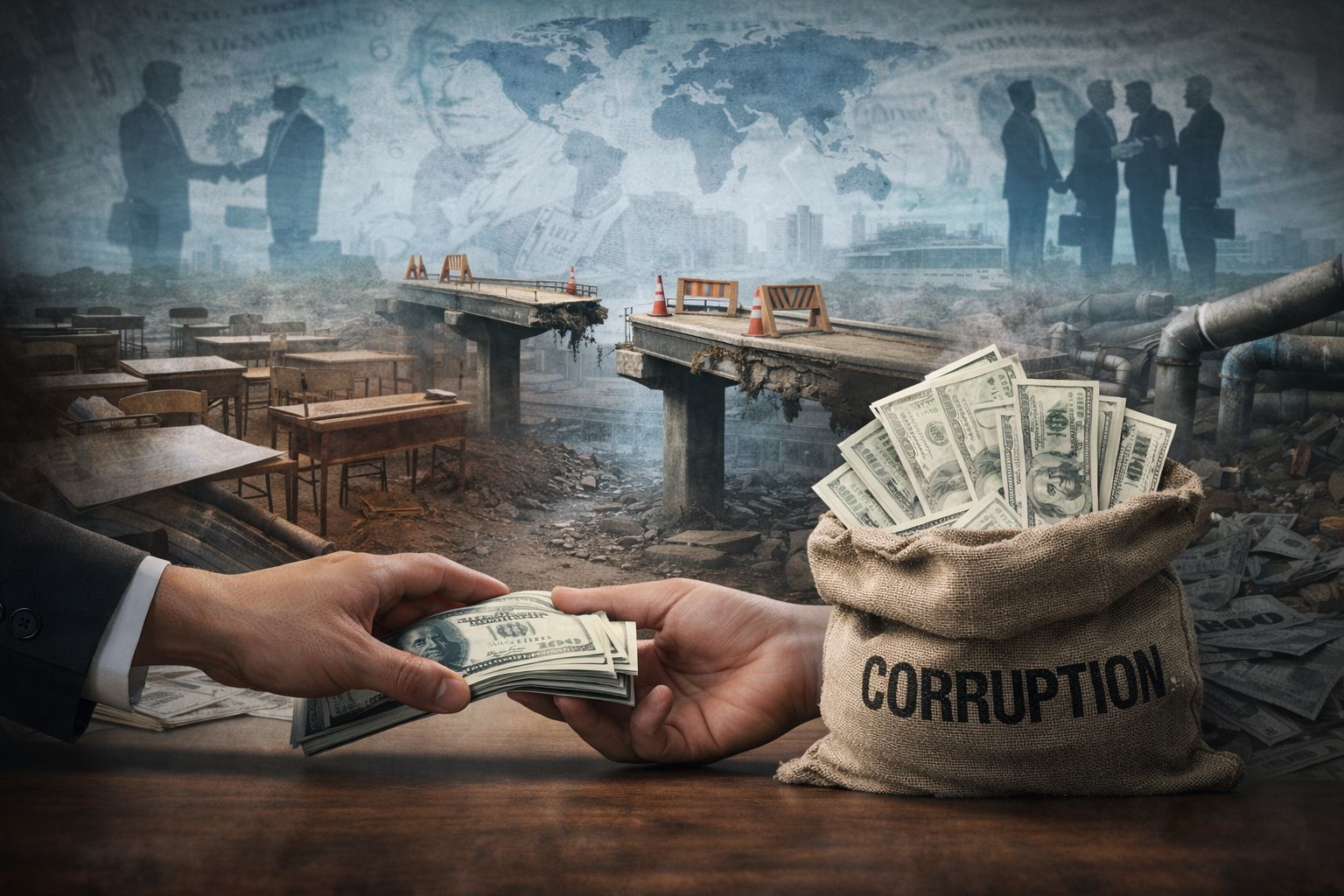
Corruption does not begin in institutions. It begins in human nature. People often treat it as a failure of laws, culture, or governance. However, these explanations remain incomplete. Corruption emerges from behavioral tendencies that once improved survival and reproduction. Therefore, to understand corruption, one must start with biology. Only then can one understand why it…
-
The worst thing: Journalists are “normally moral”
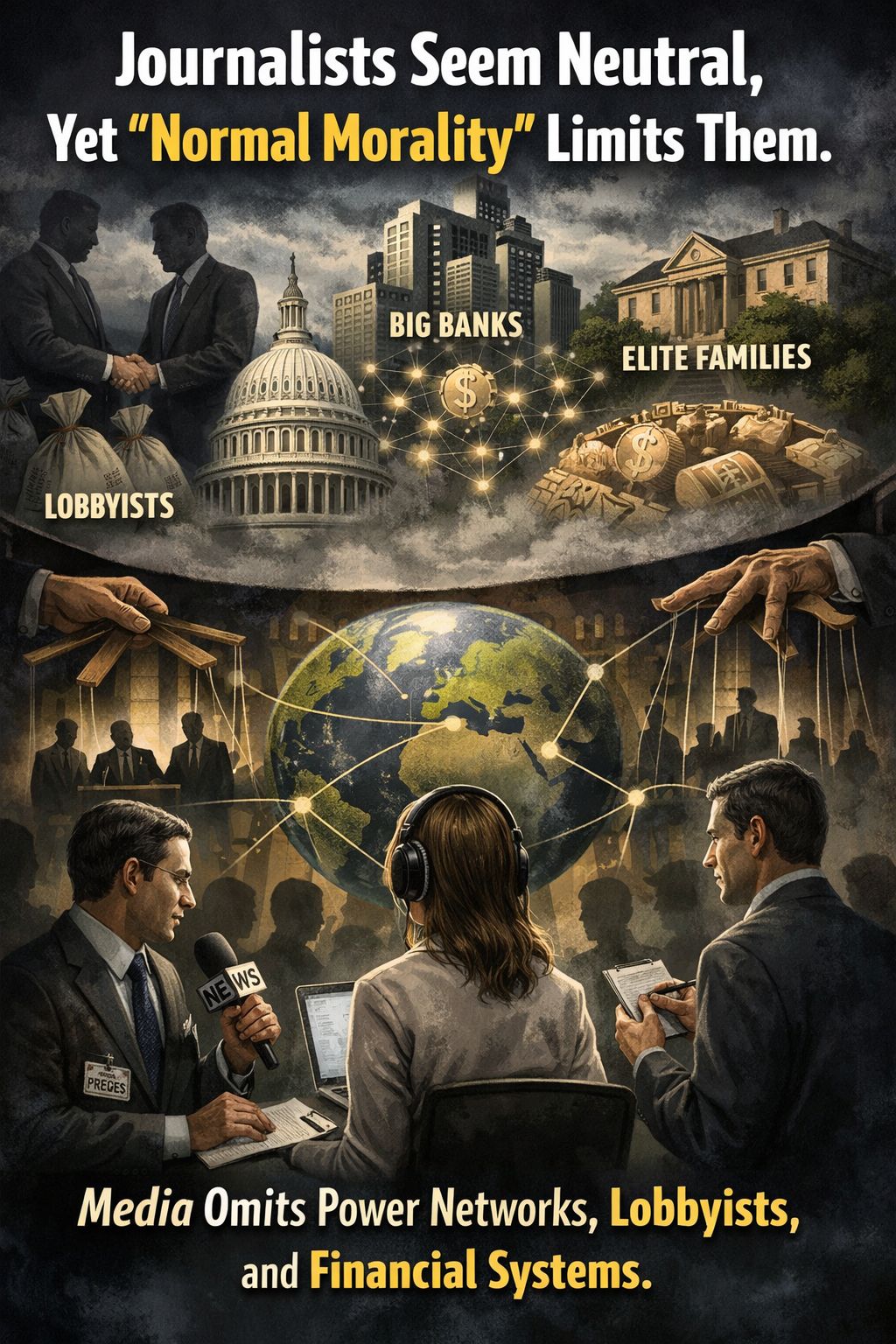
Journalists present themselves as neutral observers. They claim balance, responsibility, and distance from power. However, this image does not describe reality. Instead, it describes a role they must perform in order to function. In practice, journalism filters reality. It selects which facts matter and which connections deserve attention. Therefore, the key problem does not lie…