Tag: evolutionary psychology
-
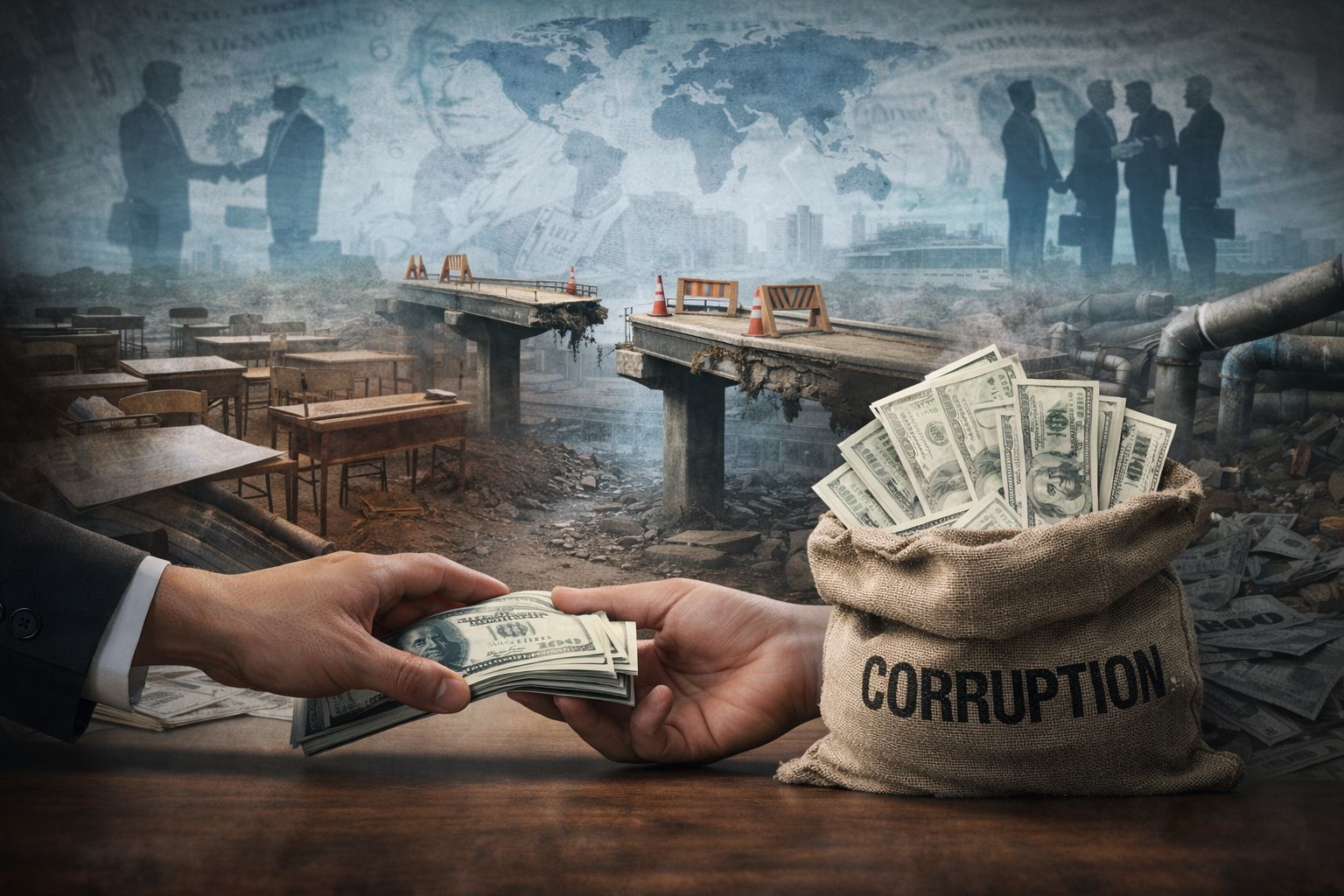
The evolutionary psychology of corruption
Corruption does not begin in institutions. It begins in human nature. People often treat it as a failure of laws, culture, or governance. However, these explanations remain incomplete. Corruption emerges from behavioral tendencies that once improved survival and reproduction. Therefore, to understand corruption, one must start with biology. Only then can one understand why it…
-

Navigating freethought and atheism in religious families
Freethought and atheism rarely emerge in isolation. Instead, they develop inside environments shaped by tradition, authority, and inherited belief. Therefore, the conflict does not begin as a philosophical disagreement. It begins as a social rupture. You do not merely question ideas. You challenge identity, hierarchy, and emotional bonds. Consequently, navigating this path requires far more…
-
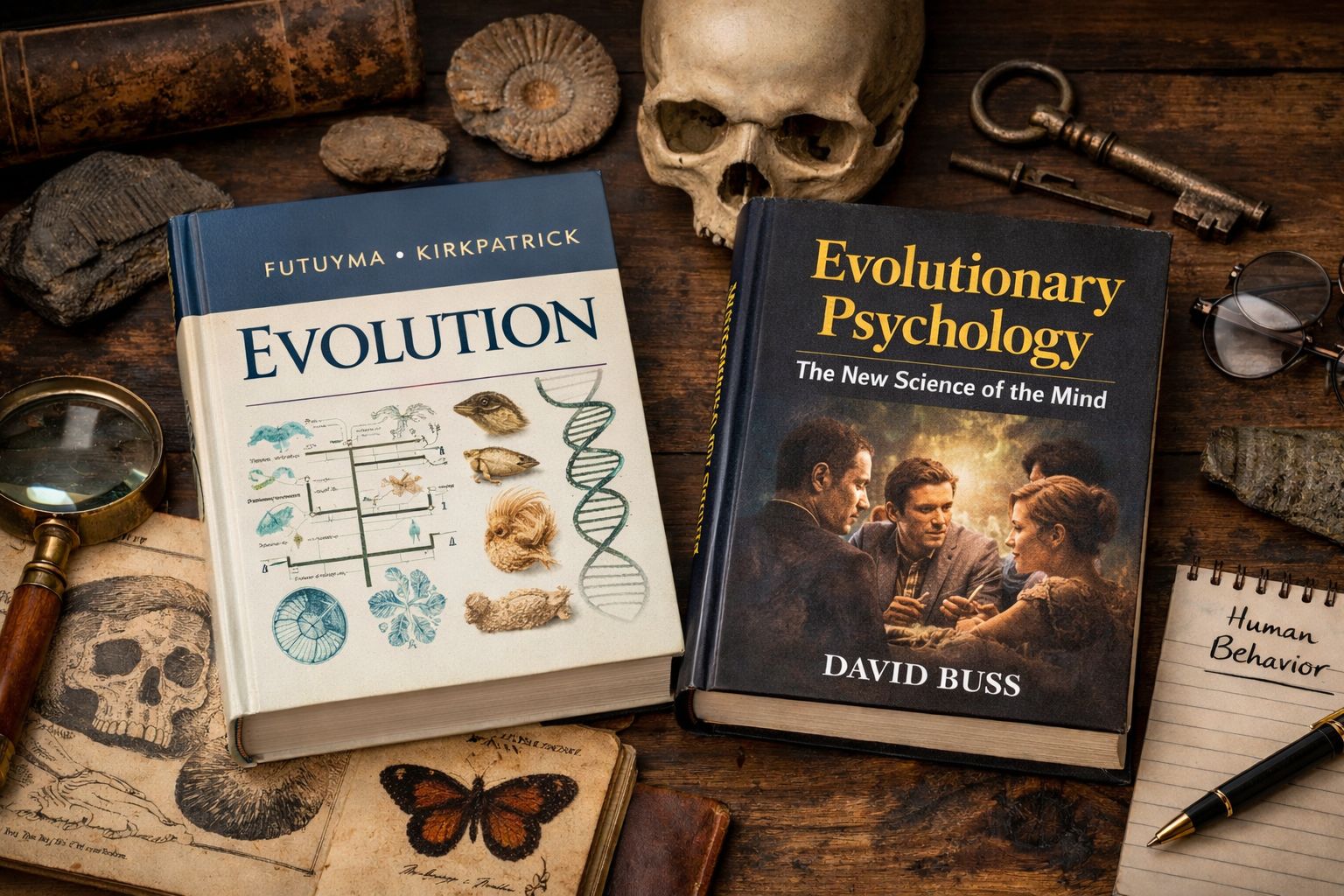
What makes me believe in evolution? People act like animals
I did not start with belief. Instead, I started with confusion. People behaved in patterns that felt too consistent to be random. I observed them in conversations, in groups, in conflicts. Then I read an evolutionary biology book. As a result, I understood the structure. However, the theory still felt distant. Then evolutionary psychology entered.…
-
How capitalism exploits ancient instincts: Homo consumens
Humans live in a highly complex economic system. However, the brain did not evolve for it. It evolved in small groups under scarcity, danger, and constant competition. Therefore, capitalism does not create human behavior. It exploits pre-existing instincts. This mismatch defines modern life. The evolutionary foundation of human behavior For hundreds of thousands of years,…
-

Does religion improve morality? From ancient tribes to today
People repeat a simple idea. Religion teaches morality. Therefore, religion makes people better. At first glance, this logic feels natural. Religions contain rules. They define good and evil. They promise punishment and reward. However, once we move beyond intuition and begin to examine history, biology, and empirical data, the simplicity collapses. Morality did not suddenly…
-

Why we are attracted to shocking videos
At first sight, the behavior looks irrational. People say they hate violence, death, and extreme events. They call such content disturbing. Yet they watch it. They click on it. They share it. This contradiction is not random. It reflects deep evolutionary mechanisms that shaped the human mind long before modern media existed. The brain evolved…
-
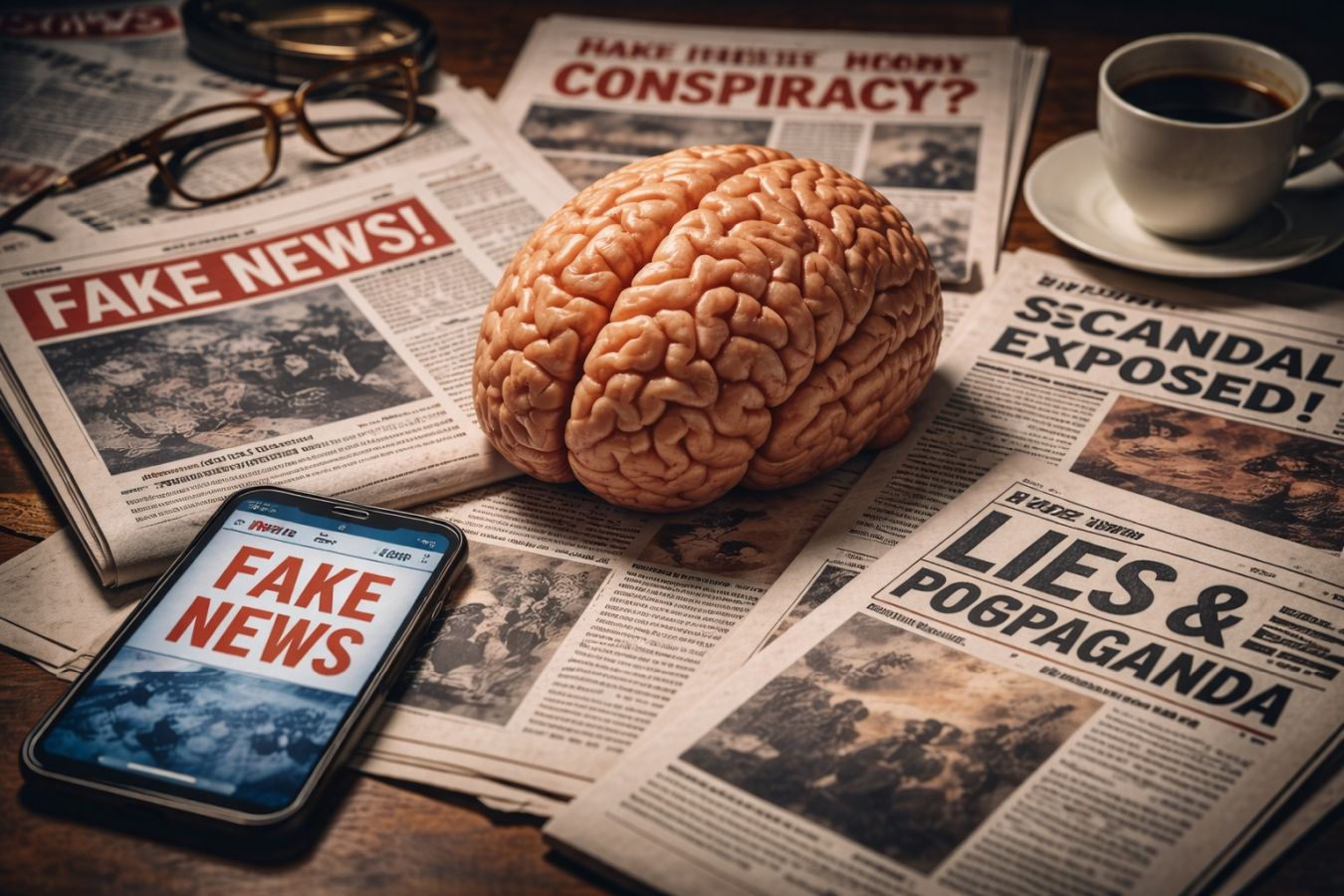
How humans evolved to believe lies
Humans like to imagine themselves as rational creatures. Science celebrates this idea. Universities reinforce it. Enlightenment philosophy built an entire worldview around the assumption that reason guides human behavior. According to this narrative, humans gradually replaced myth with evidence and superstition with science. However, reality tells a more complicated story. Across cultures and historical periods,…
-
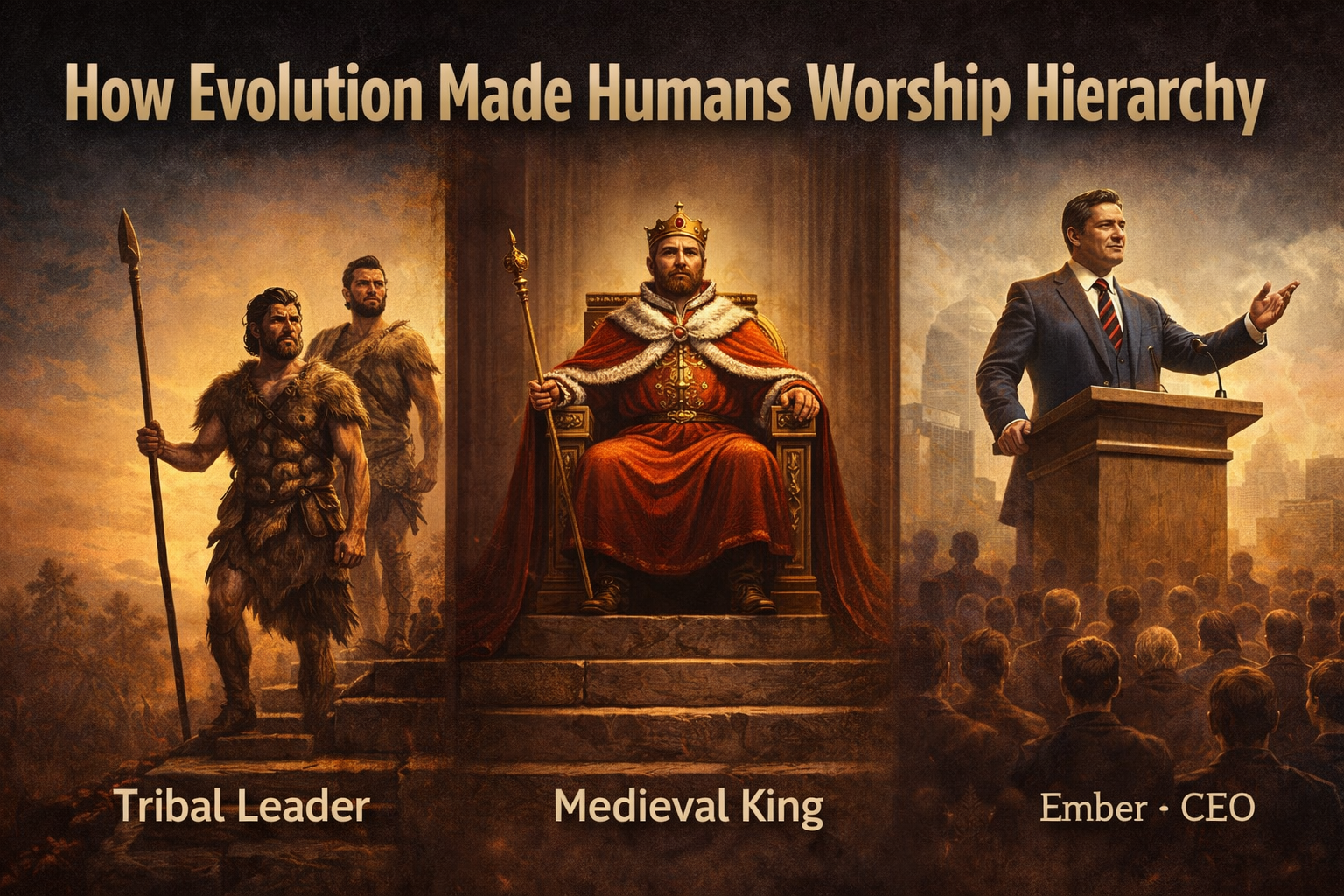
How evolution made humans worship hierarchy
Modern societies loudly celebrate equality. Constitutions promise it. Politicians repeat it in speeches. Schools present it as the moral foundation of civilization. At first glance, the idea appears convincing. Humans supposedly left primitive hierarchies behind and created societies where everyone stands on equal ground. However, reality tells a different story. Everywhere we look, humans create…
-

DiCaprio, Lawrence and why we are just animals
Humans like to believe we are rational, civilized, and fundamentally different from animals. We build cities, universities, and complex political systems. Yet beneath this sophisticated surface, our behavior often follows the same biological logic that governed small prehistoric tribes. Status, prestige, alliances, and mating signals still shape our reactions more than we usually admit. When…
-

How freethinking challenges social norms
Every enduring society depends on shared assumptions. Yet every enduring society also evolves because someone eventually questions those assumptions. Throughout history, progress has rarely begun with consensus. Instead, it has begun with discomfort — with an individual or group asking whether accepted norms truly deserve their authority. Freethinking represents that disciplined willingness to question. It…