Tag: evolutionary psychology
-
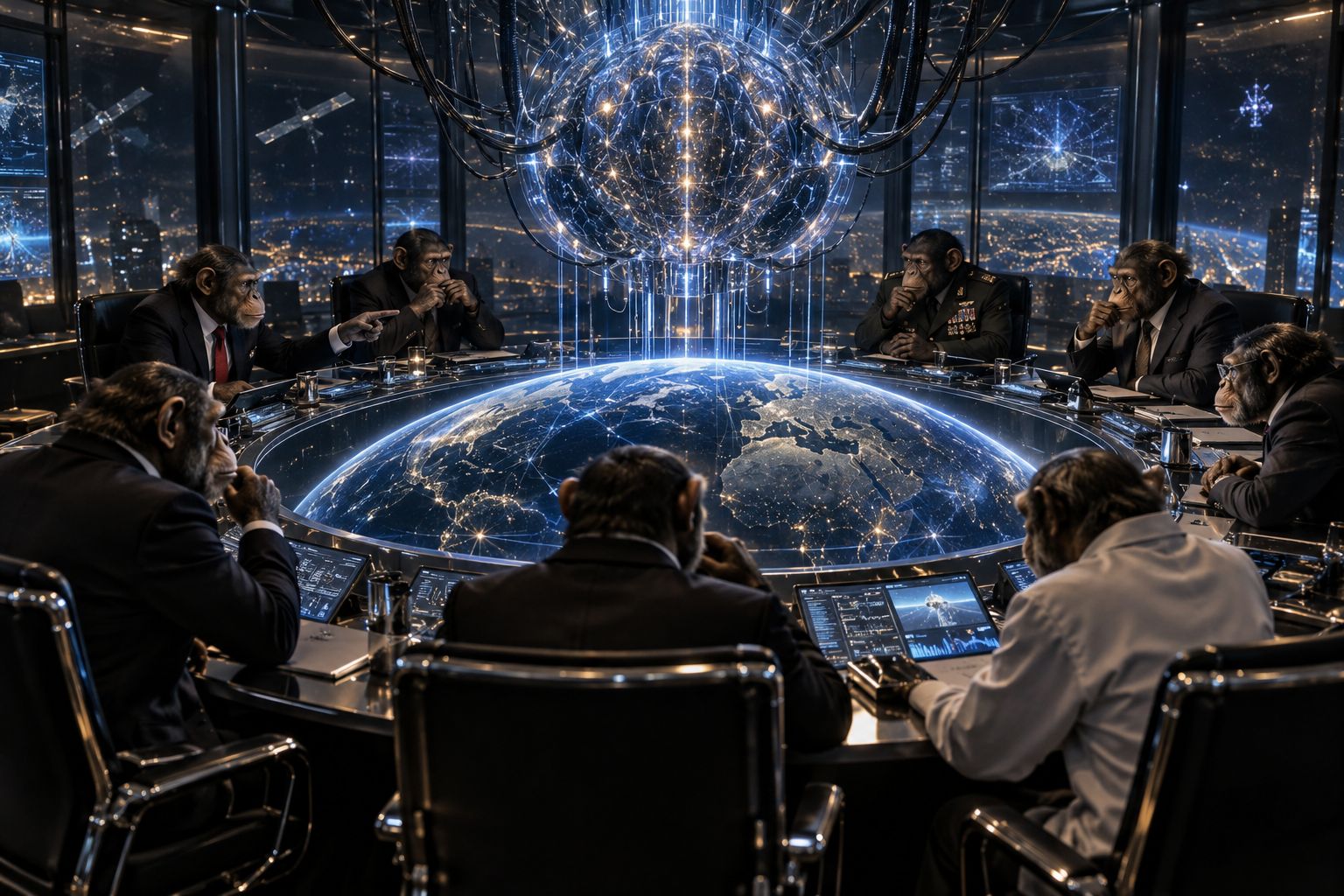
AI regulates itself: Without society. And we are just animals
Artificial intelligence may become one of the most consequential technologies humanity has ever created. It may transform employment, education, medicine, warfare, science, politics and ultimately the structure of society itself. Yet humanity was never really asked whether it wanted this transformation. There was no referendum on building increasingly powerful AI. There was no global democratic…
-
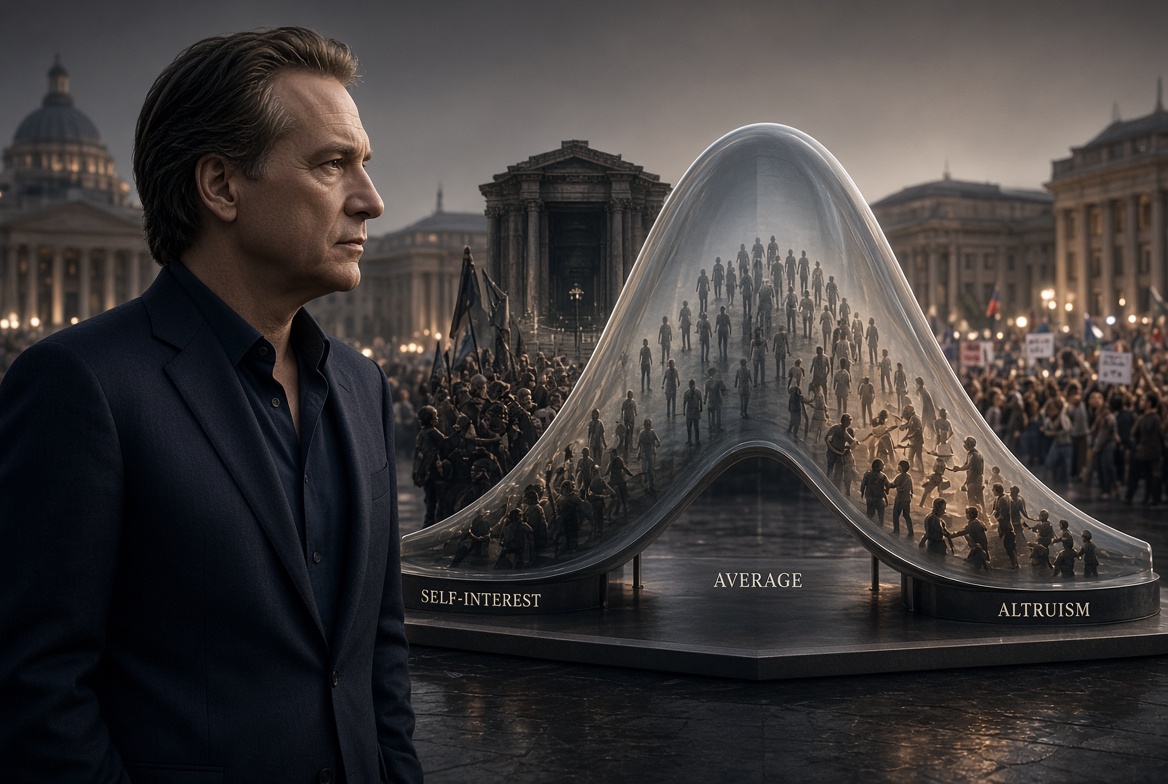
Political orientation is partly an extension of our morals
Bill Maher has said that our political orientation is an extension of our morals. He is partly right, but the relationship is more complicated than that statement suggests. Political orientation can reflect morality. However, morality comes first in a much broader sense. Humans differ in their innate moral dispositions, while upbringing, culture, education, experiences and…
-
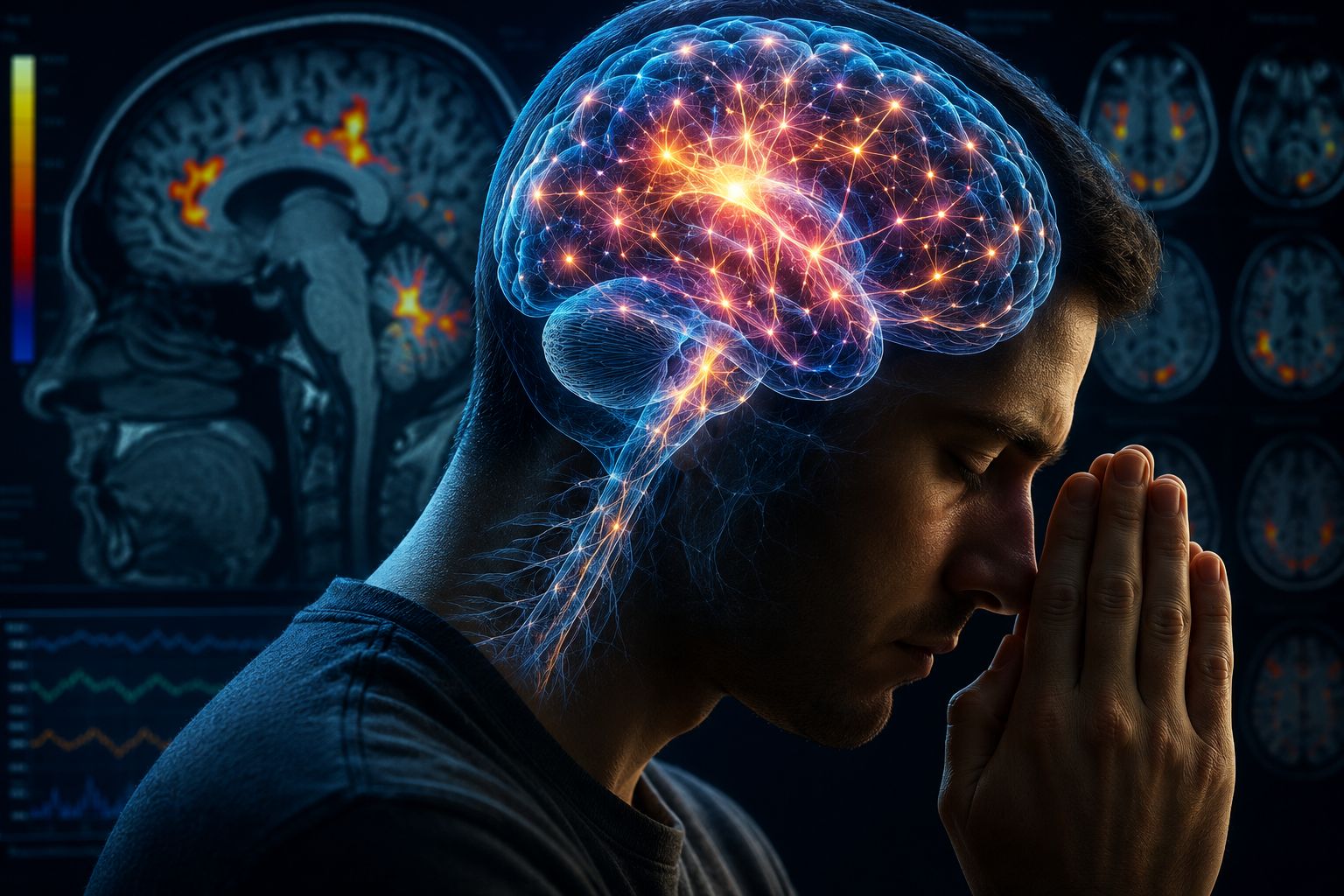
The neuroscience of prayer
For thousands of years, believers have regarded prayer as a conversation with God. They have viewed it as a bridge between the human and the divine, capable of providing comfort, guidance, forgiveness, and sometimes even miracles. Neuroscience approaches the same phenomenon from an entirely different direction. Instead of asking whether anyone is listening, it asks…
-
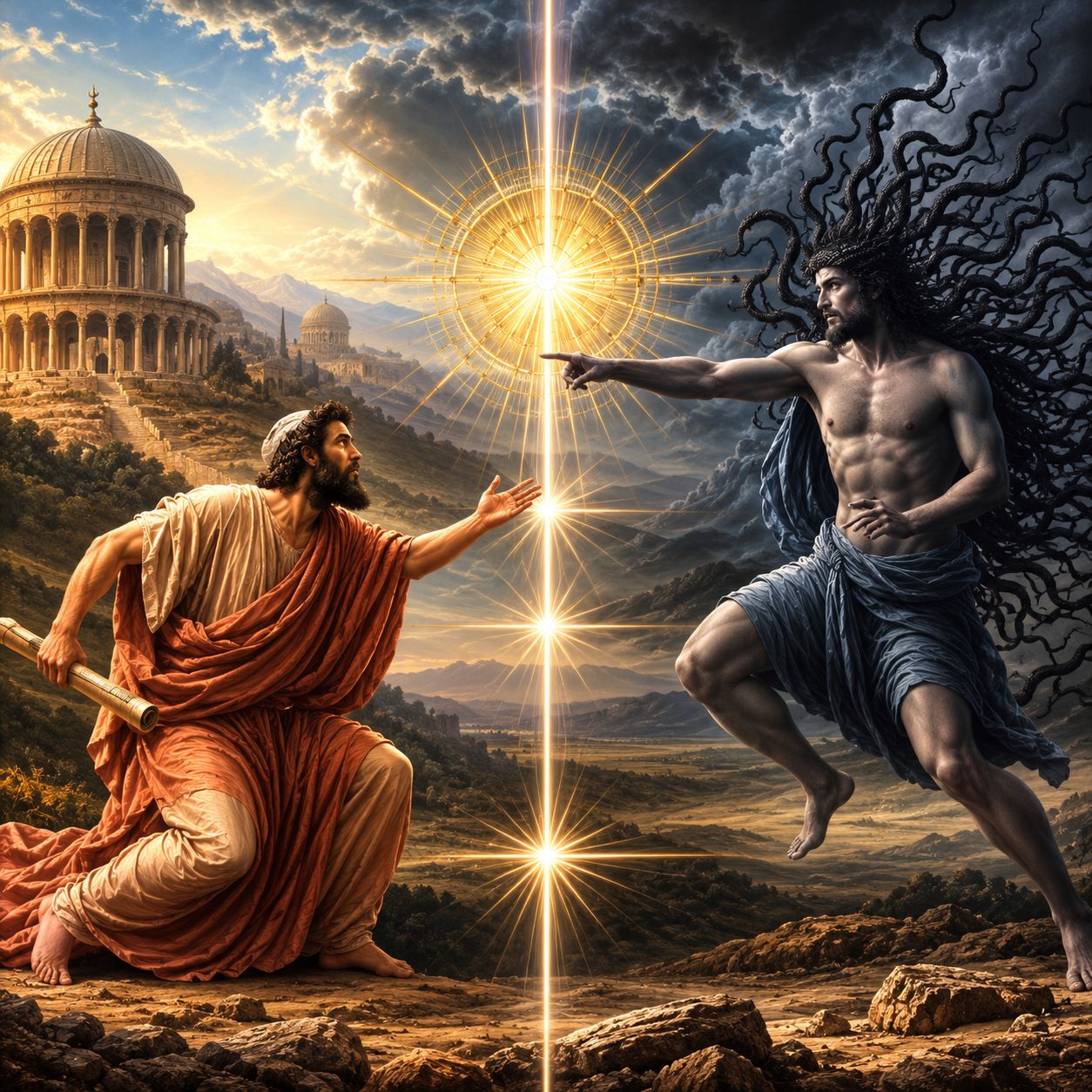
The evolution of Satan: A God’s servant and the Prince of evil
You think you know him, of course. The red skin, the horns, the pitchfork, the tail. The guy in the basement with a trident, laughing while people burn. That is not Satan, however. That is a cartoon. The real Satan is older, stranger, and far more complicated. He did not start out as the bad…
-
The curse of privilege: Why I don’t believe in free will
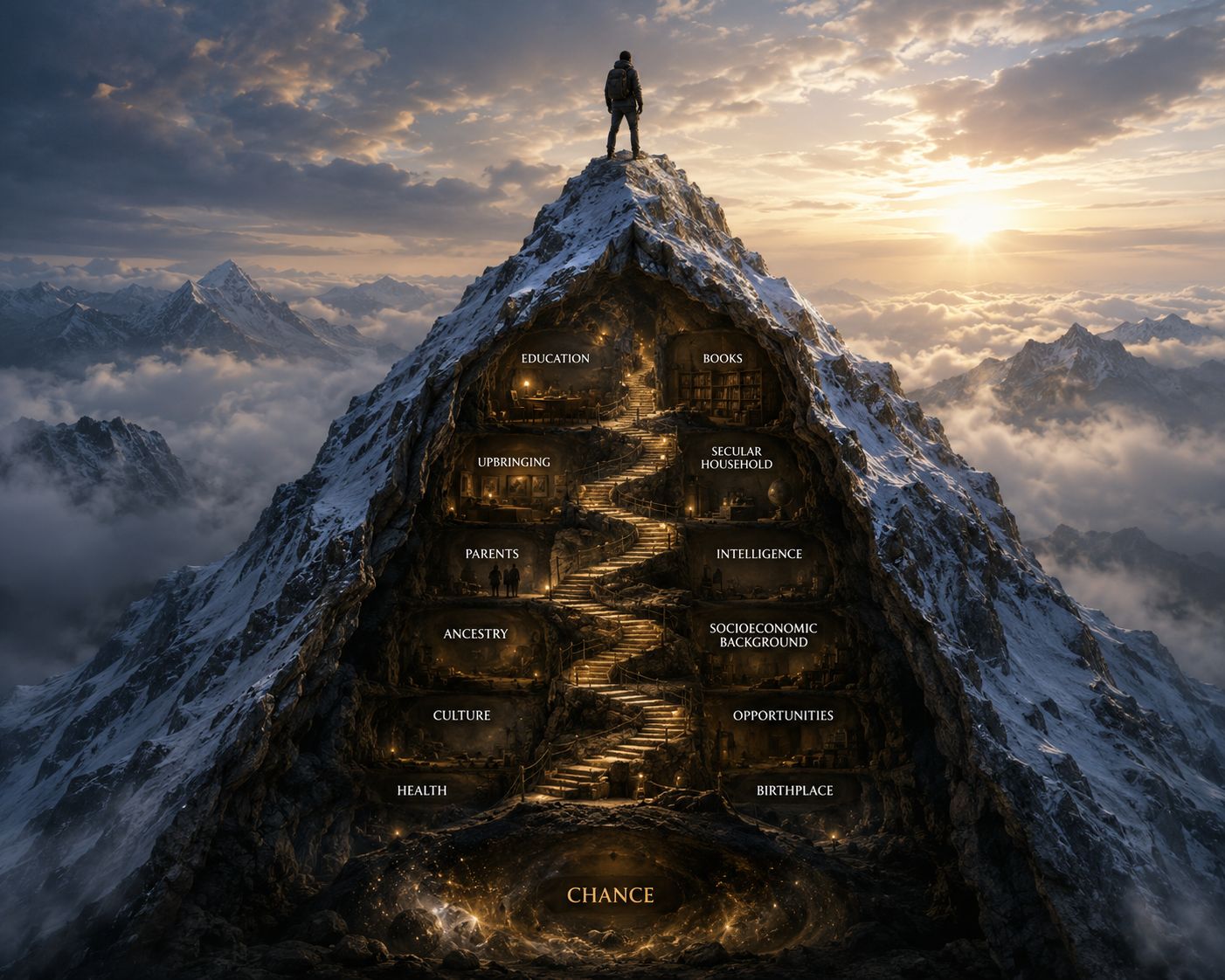
Every successful person enjoys hearing that they deserve everything they have achieved. Society constantly celebrates hard work, intelligence, discipline, determination, and perseverance. Those who become wealthy are often called self-made. Great scientists are praised for their brilliance. Successful entrepreneurs are admired for their vision. Writers are congratulated for their talent. At the same time, people…
-
“Till we meet forever.” Can delusions become any deeper?
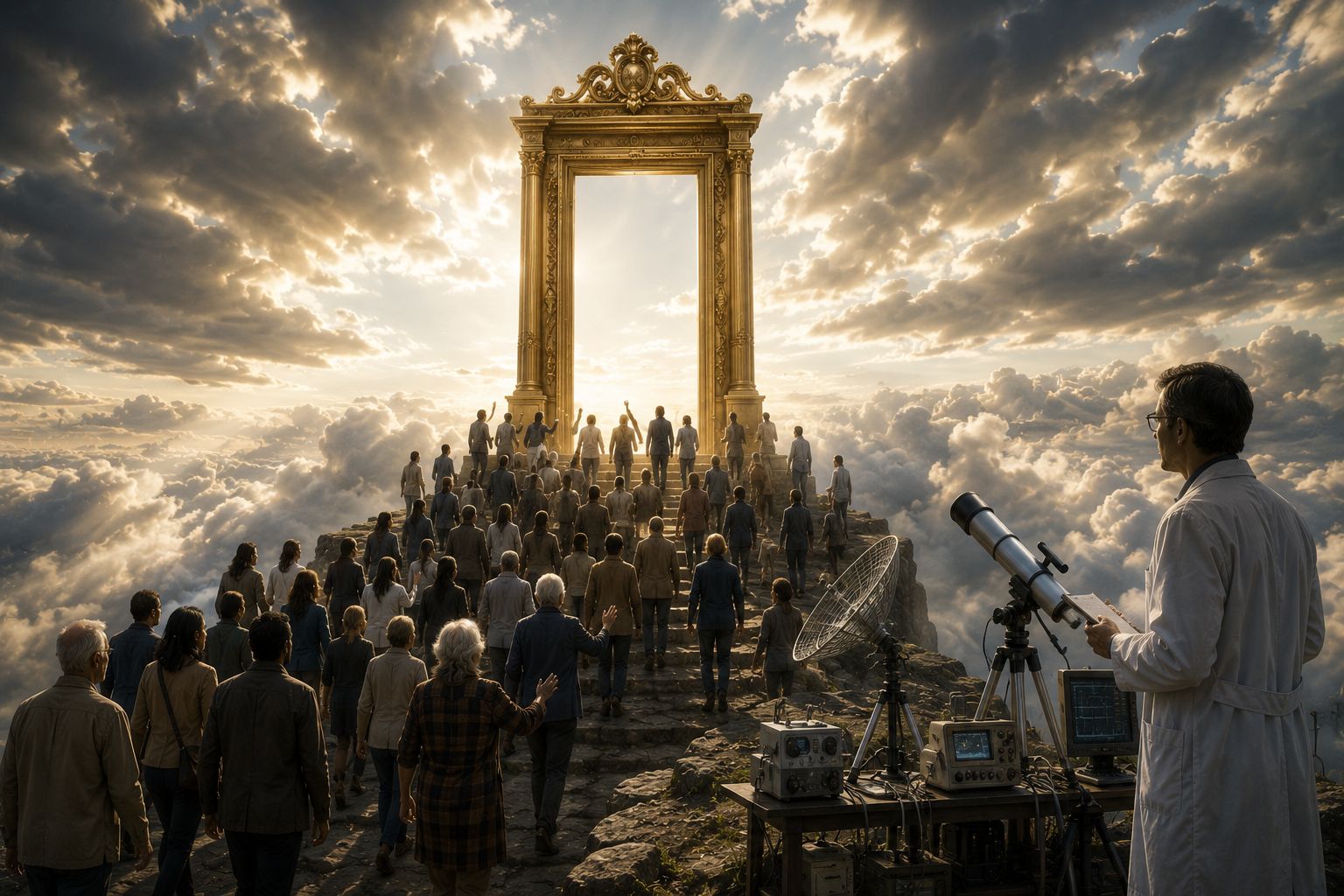
“Till we meet forever.” People say it at funerals with complete sincerity. They believe they will see their loved ones again. Death is not the end. It is merely a temporary separation. That single sentence reveals something remarkable about the human mind. Hundreds of millions of Americans sincerely believe not only that an afterlife exists,…
-
Who will publish a Bible explained by science and philosophy?
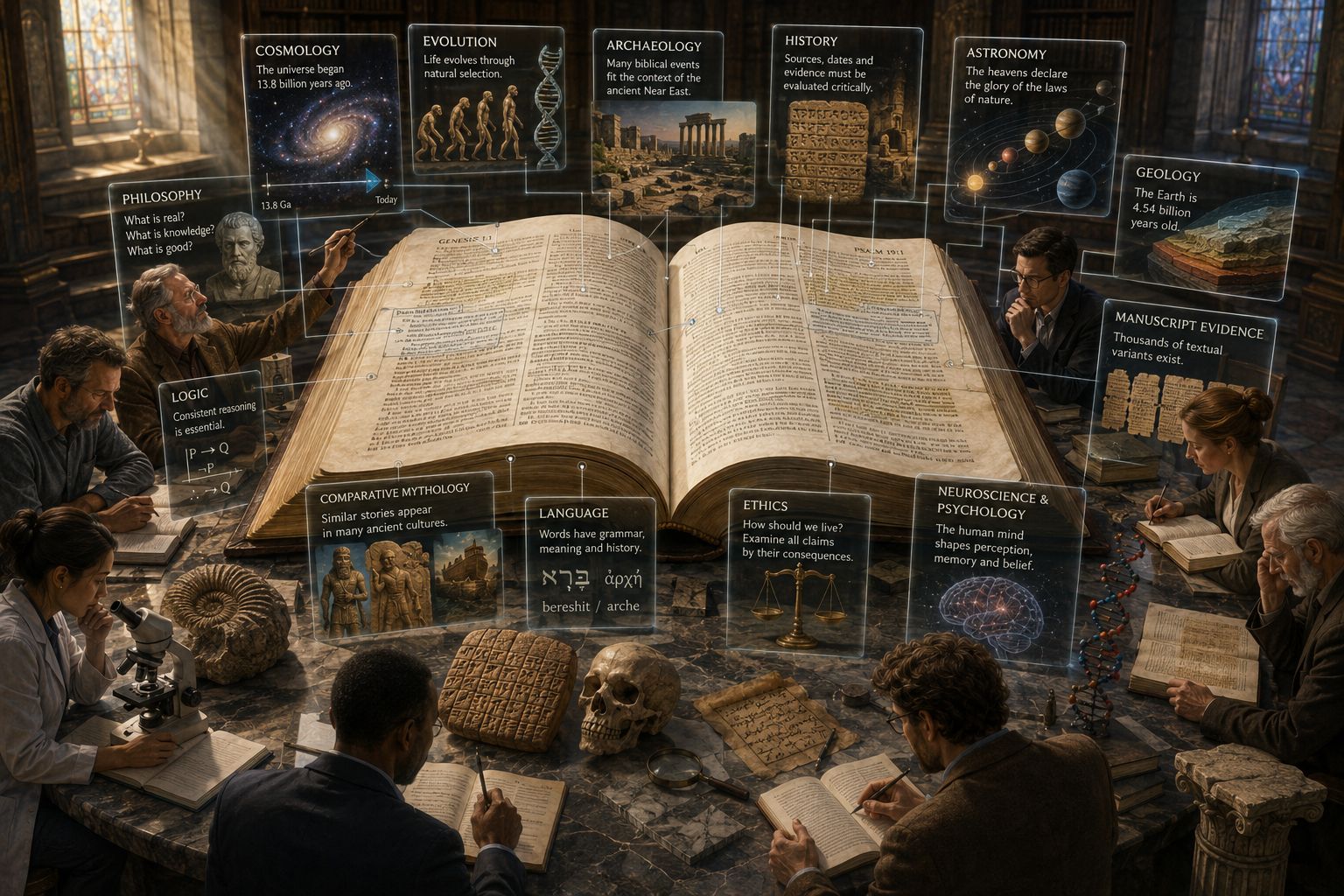
The Bible may be the most influential book in human history. It has inspired paintings, wars, constitutions, persecutions, charities, revolutions, and political movements. Billions of people consider at least part of it sacred. Even people who reject Christianity live in societies that Christianity helped shape. Nevertheless, most people have never read the Bible critically. They…
-
Everything you see may be an illusion. Can we ever know reality?
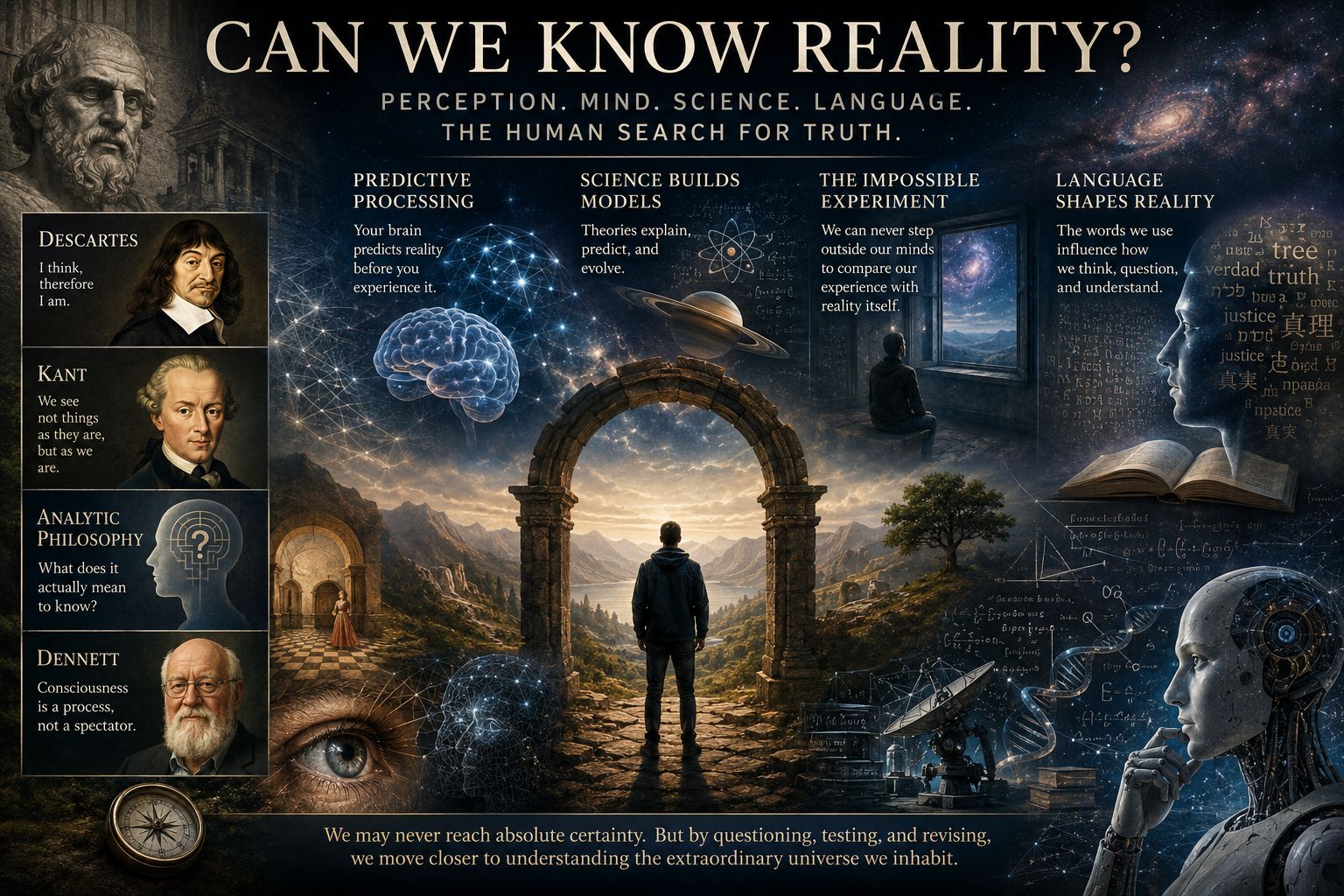
Look around you for a moment. You probably see walls, furniture, trees outside the window, or perhaps a computer screen displaying these words. Everything appears solid and obvious. Consequently, you instinctively trust what your eyes tell you. Nevertheless, philosophy asks a deeply uncomfortable question. What if you have never experienced the world itself? What if…
-
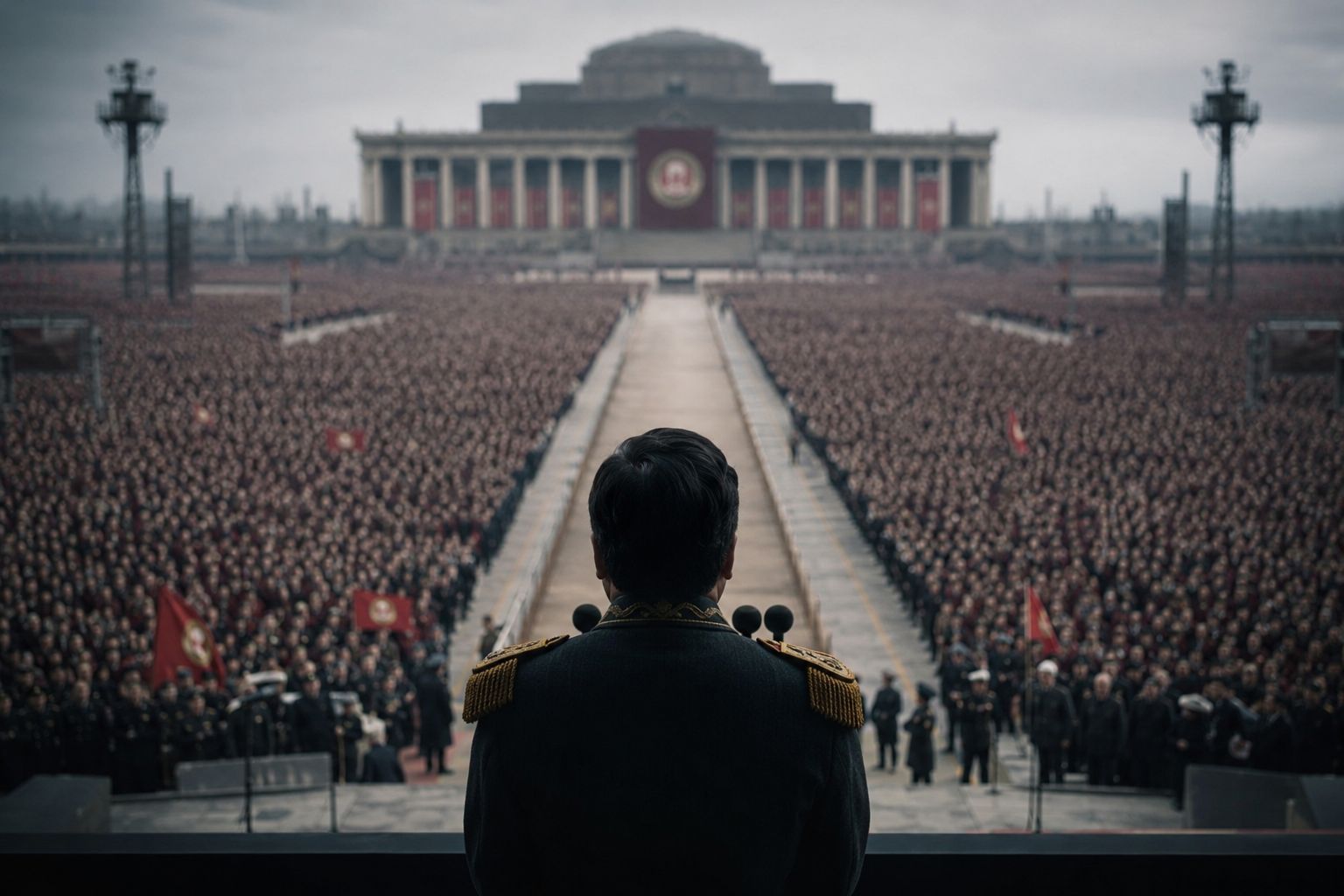
The secret psychology of dictators
Dictators do not emerge randomly. They emerge from deep psychological mechanisms rooted inside human evolution, fear, hierarchy, social instability, tribalism, domination, and mass psychology. At first glance, dictators appear inhuman. People often imagine them as monsters born fundamentally different from ordinary individuals. However, reality looks far more disturbing. Many psychological traits visible in dictators exist…
-

Why revolutions always end in corruption
Revolutions begin with moral outrage. People rise because they believe society has become intolerably unjust. They see corruption, inequality, oligarchic control, repression, poverty, censorship, police brutality, foreign domination, or complete institutional decay. Consequently, revolutionary movements emerge with enormous emotional energy. At first, revolutions appear morally pure. Crowds gather in streets believing they fight for freedom,…