Tag: evolutionary psychology
-

How religious dogma affects mental health
Religion never stays outside the mind. It enters the nervous system, identity, and emotional life. Dogma influences how people think, how they judge themselves, and how they understand the world. It shapes fear, guilt, sexuality, and self-worth. Many believe religion comforts them. Yet doctrine often harms them far more than they realize. The language feels…
-
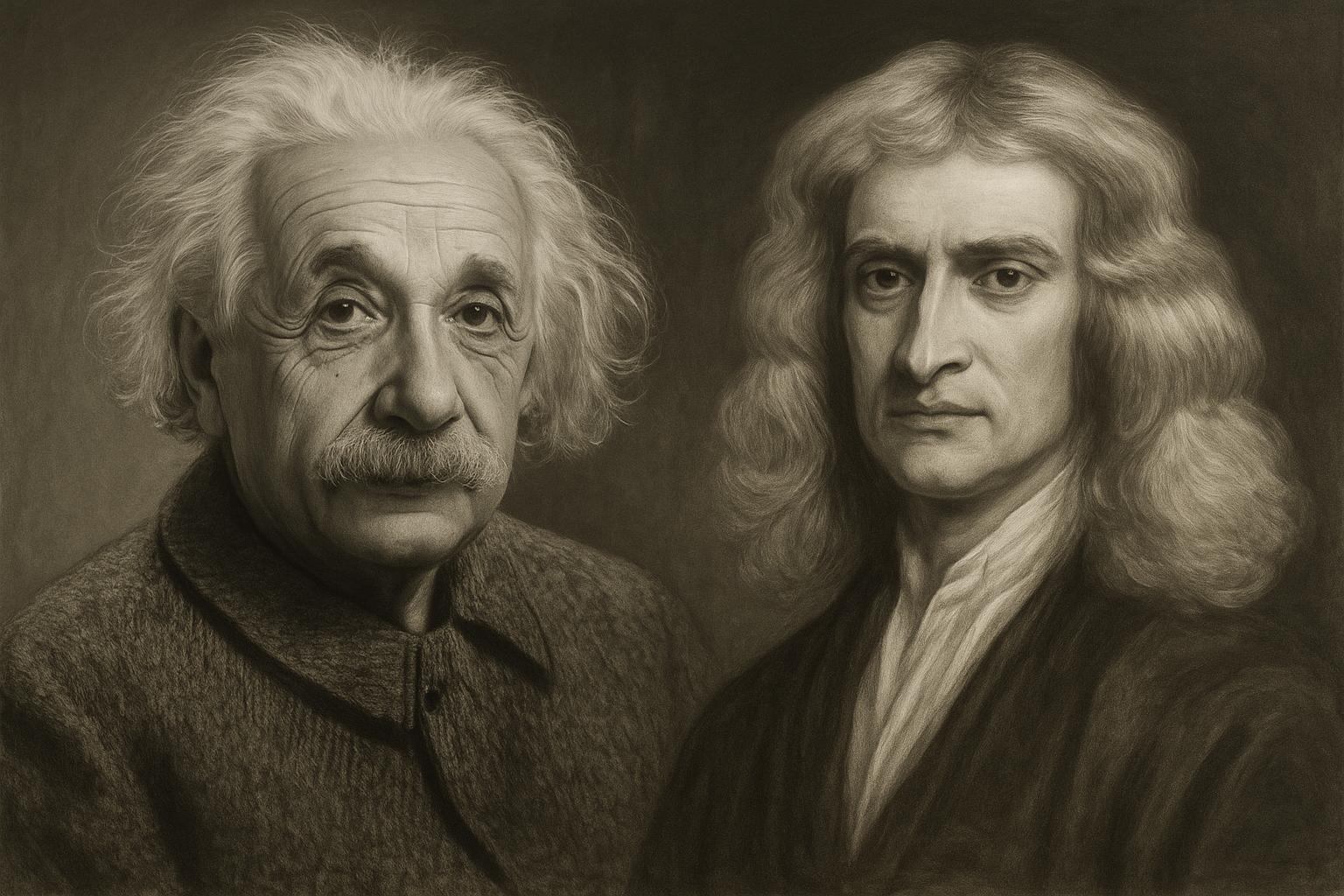
Argument from authority, the grossly misused argument
People quote Einstein, Newton, or Hawking as if their words alone decide what is true. “Einstein said it,” “Newton proved it,” “Hawking confirmed it.” But this is not reasoning. It is worship. The argument from authority is one of the most misused fallacies in human history. It gives the illusion of knowledge while replacing investigation…
-

The deep history of collective punishment
Collective punishment has haunted humanity since the dawn of organized life. It is one of those instincts that evolution wrote into our bones long before we invented ethics or law. The logic is brutal but simple: when one member threatens the group, punish them all to prevent the next betrayal. Civilizations have refined it, moralized…
-
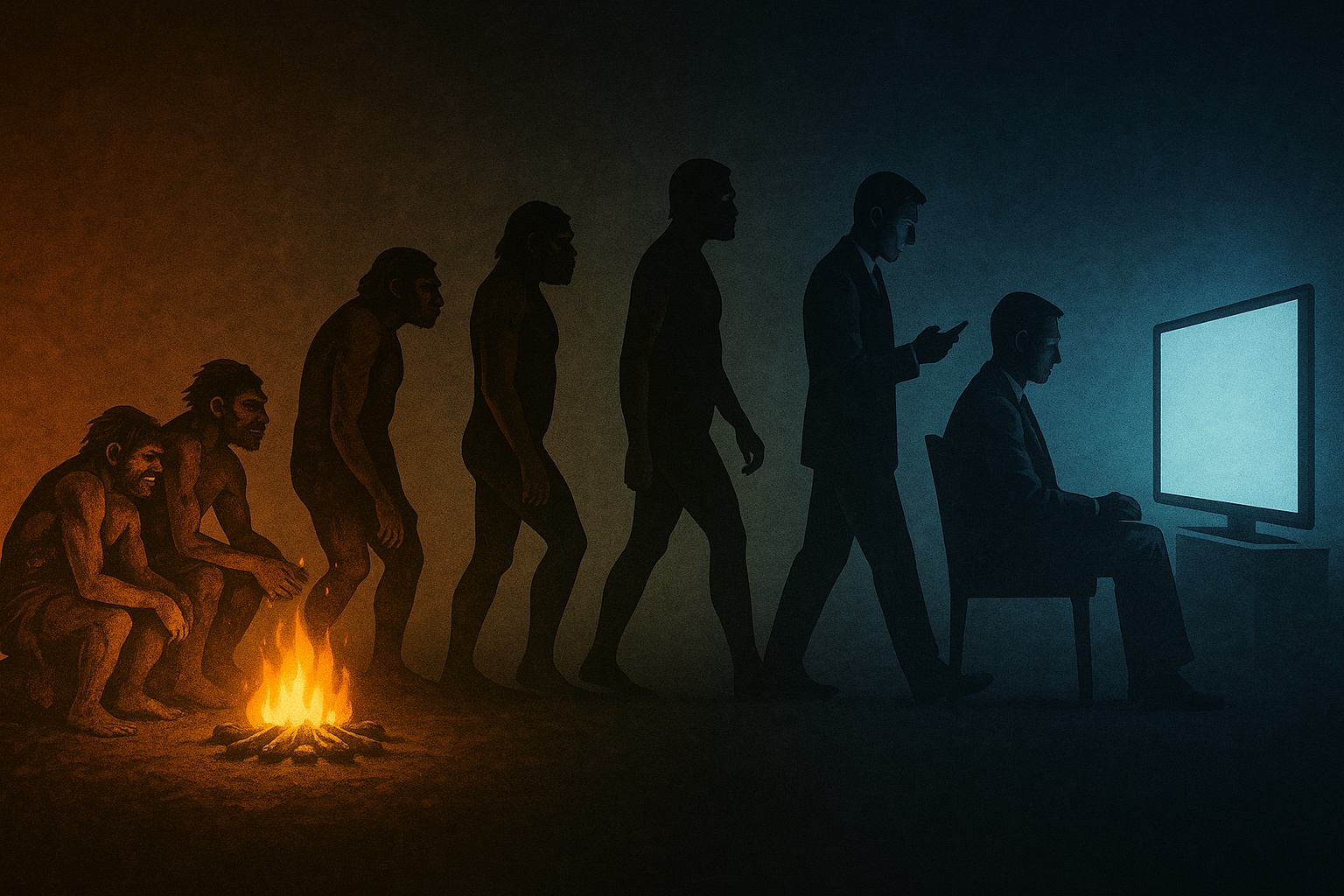
Evolution’s greatest mistake: How we became easy to manipulate
Modern manipulation no longer wears a crown or uniform. It wears a logo. Consumer society is built on the same instincts that once guided survival — status, belonging, and pleasure. Marketers learned to exploit those instincts with surgical precision. They do not sell products. They sell emotions, symbols, and identities. The biology of desire Advertising…
-
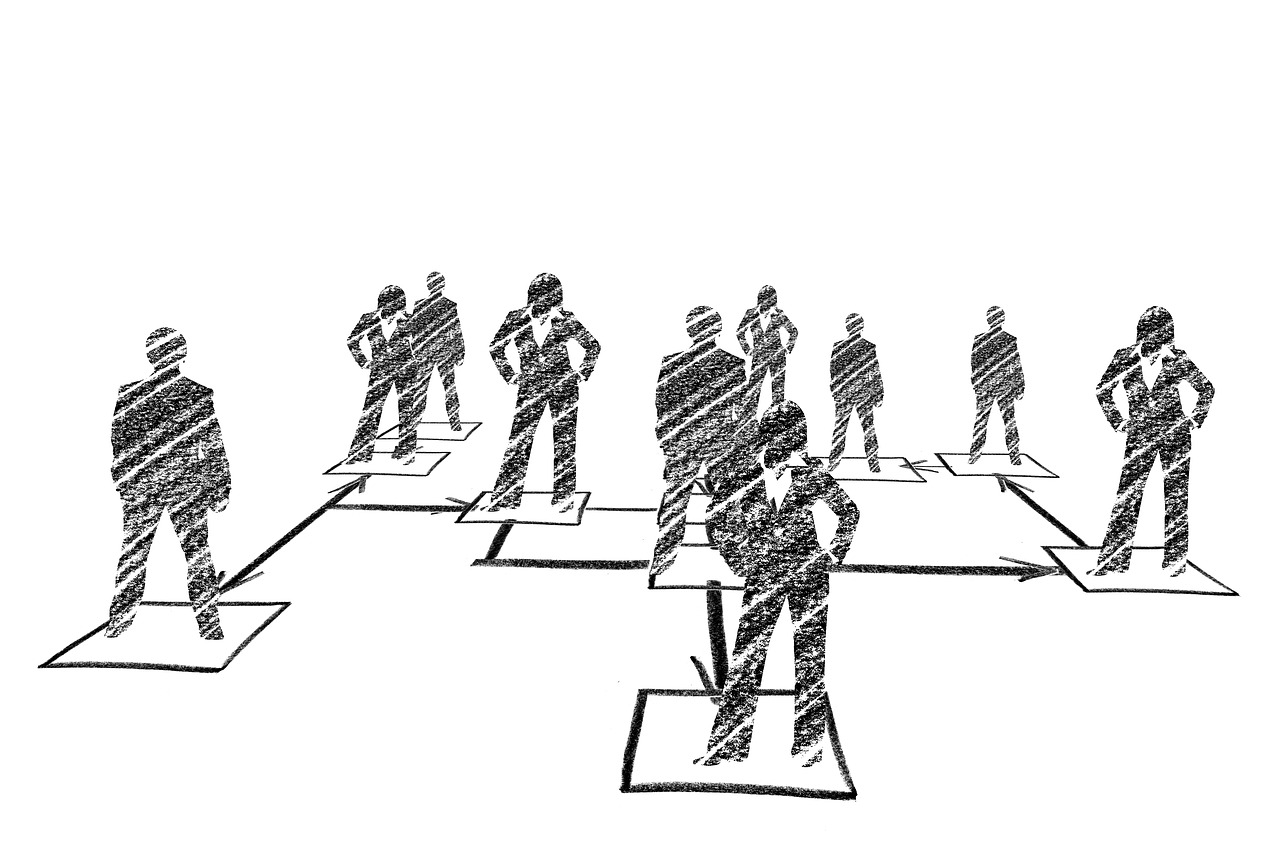
Animalistic morality and societal structures
Morality is something animalistic. There is no justice in who will be born, how many people will exist, or how good a life he or she will live. Moral steps that lead to good outcomes are aberrations — the whole system is much closer to moral nihilism. It was the highly esteemed Professor Jaroslav Peregrin,…
-

Either you are a believer or an atheist, not an agnostic
Agnosticism is not a worldview. It is a lack of one. People often present it as intellectual humility — the safe and “rational” middle ground between faith and disbelief. Yet this neutrality is an illusion. Every human being already lives as either a believer or a non-believer. Agnosticism is only a delay, not a decision.…
-
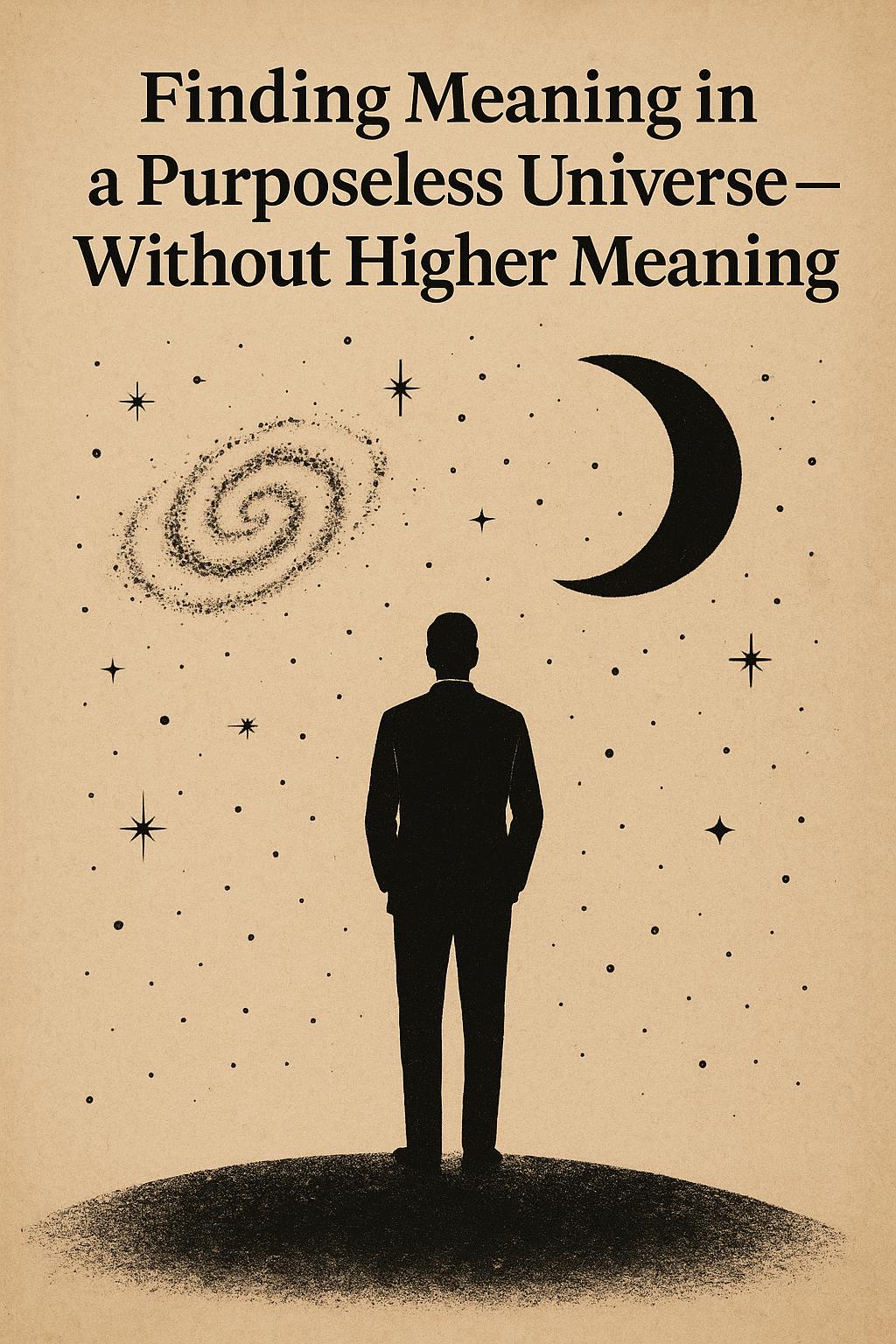
No higher purpose: Finding meaning in a purposeless universe
Humans are the only species aware of their own mortality. That awareness makes us different from every other animal. It also drives us insane. The moment we realize that we are going to die, we start inventing stories about why we live. We cannot stand the thought that life has no purpose. Yet nature gives…
-
Why we find the past so alluring: An evolutionary explanation
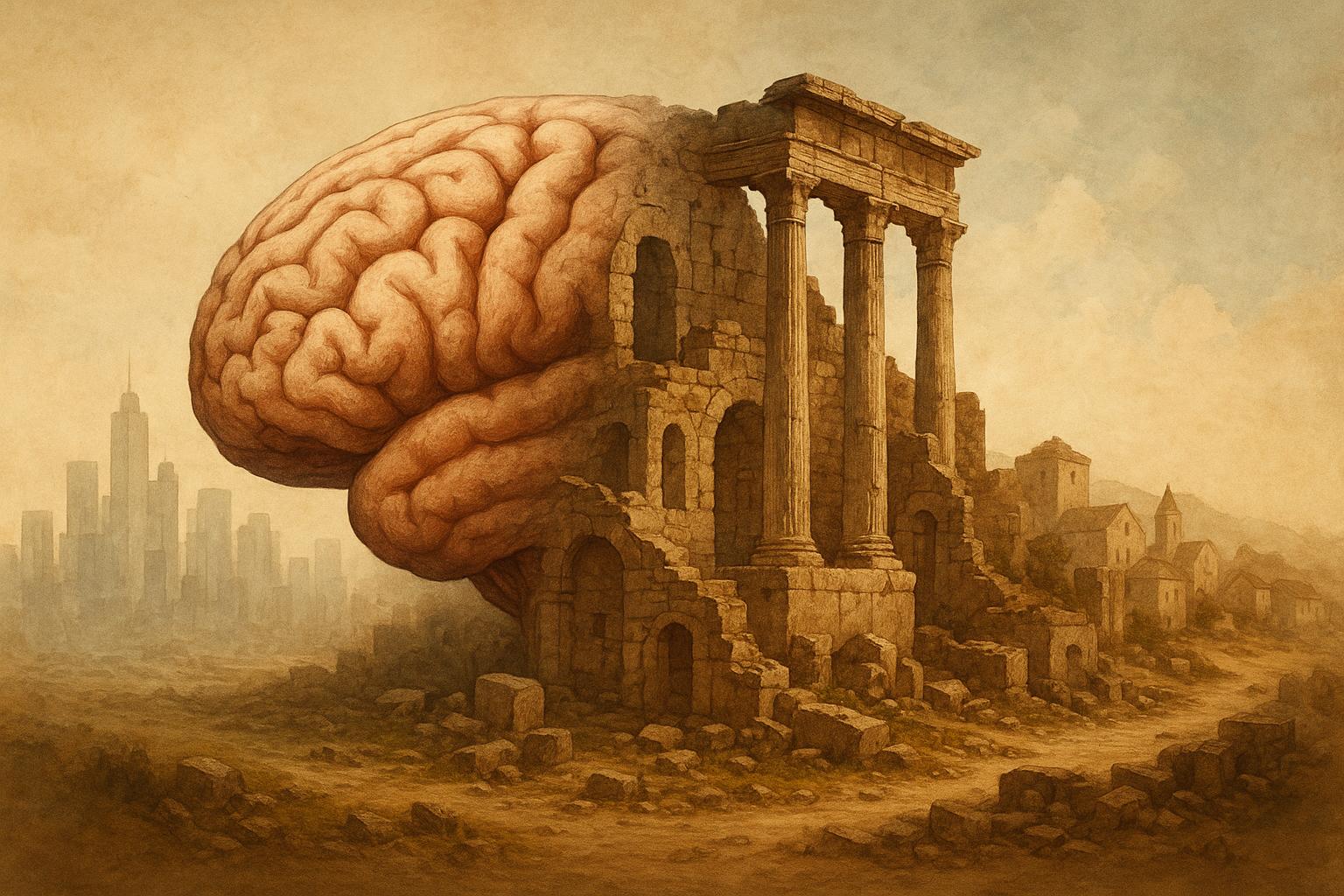
Humans treat history as something magical. They stare at ruins, listen to old songs, and feel emotion for people long dead; they cry over the paintings of wars fought centuries ago. They imagine that life back then was darker, slower, or somehow more meaningful. But that feeling is not based on reality. It is a…
-
The neuropsychology of obedience
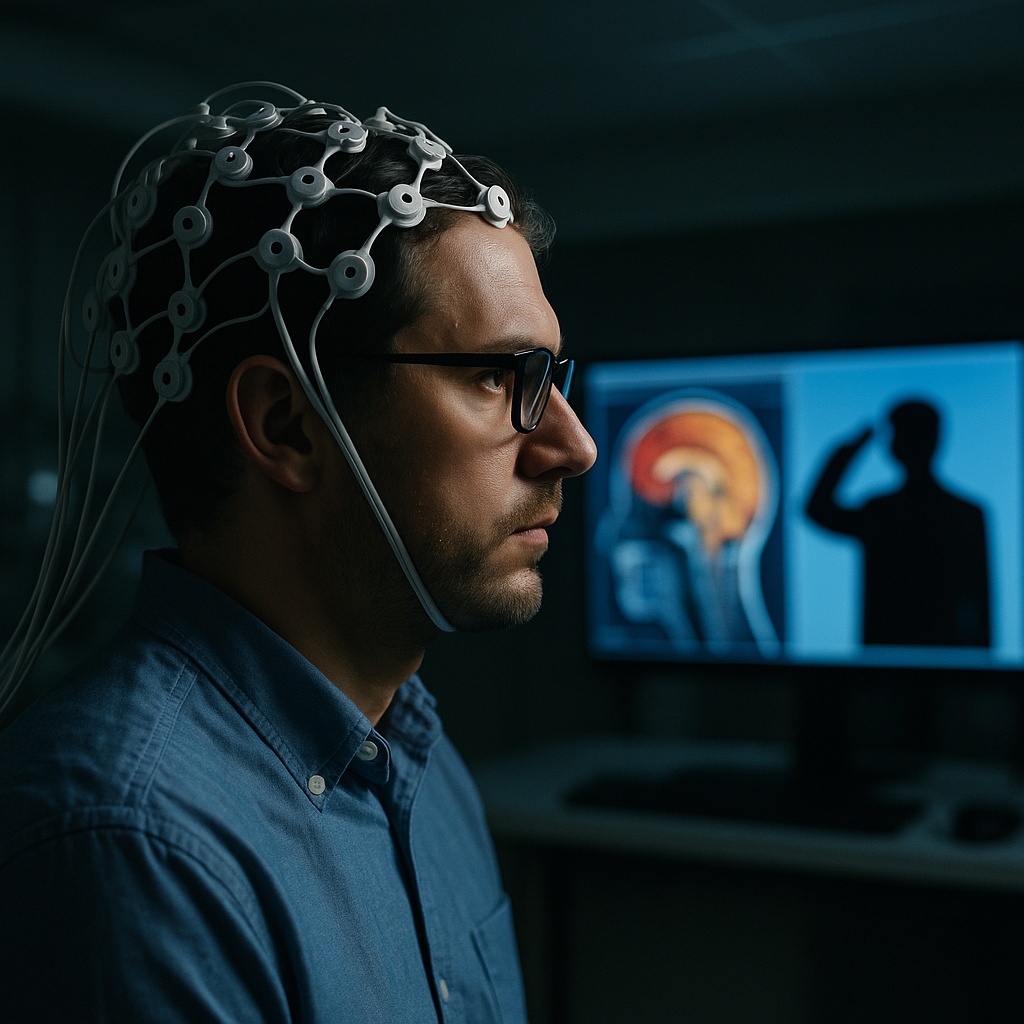
Obedience is often framed as a moral choice or a social consequence. Yet beneath the surface of society’s rules lies biology. Our willingness to follow orders has deep neurological roots shaped by evolution. The neuropsychology of obedience reveals that following authority isn’t just learned – it’s wired into our brains over millennia. We obey not…
-

Why humanity never learns from history
Every generation thinks it is smarter than the one before. It believes wars belong to the past, that humanity has finally matured, that reason will replace greed. But it never happens. The faces change, the flags change, yet the instincts stay. Power still corrupts. Greed still spreads. Vanity still drives the masses into chaos. People…