Tag: Global South
-

Will a New Monroe Doctrine bring peace?
The international system is entering a phase of open instability. Power no longer concentrates in one center, nor does it move predictably through established institutions. Instead, it fragments across regions, alliances, and competing economic blocs. The West still possesses enormous military, financial, and technological advantages, yet its ability to shape outcomes has clearly diminished. At…
-

The end of American soft power and the illusion of leadership
At its core, American soft power never meant kindness, morality, or cultural charm alone. Instead, it meant credibility. More precisely, it meant trust, predictability, and consistency. Countries aligned with the United States because the system appeared to work. As long as cooperation produced growth, alignment made sense. As long as rules delivered stability, persuasion succeeded.…
-

The Global South’s silent secularists: Voices often overlooked
The Global South is not one voice. It is millions. And among them are those who dare to think without divine permission. They are the silent secularists, the ones who live between faith and fear. Their doubt is not rebellion against culture. It is rebellion against control. Religion dominates most developing nations. It fills every…
-

How Western control keeps religion thriving in the Global South
Religion does not collapse under poverty. It expands with it. It grows strongest where despair, dependency, and debt dominate. In the Global South, this dynamic is no coincidence. The West built a system where money dictates morality and where faith fills the gaps left by exploitation. Behind every missionary, every NGO, and every sermon stands…
-
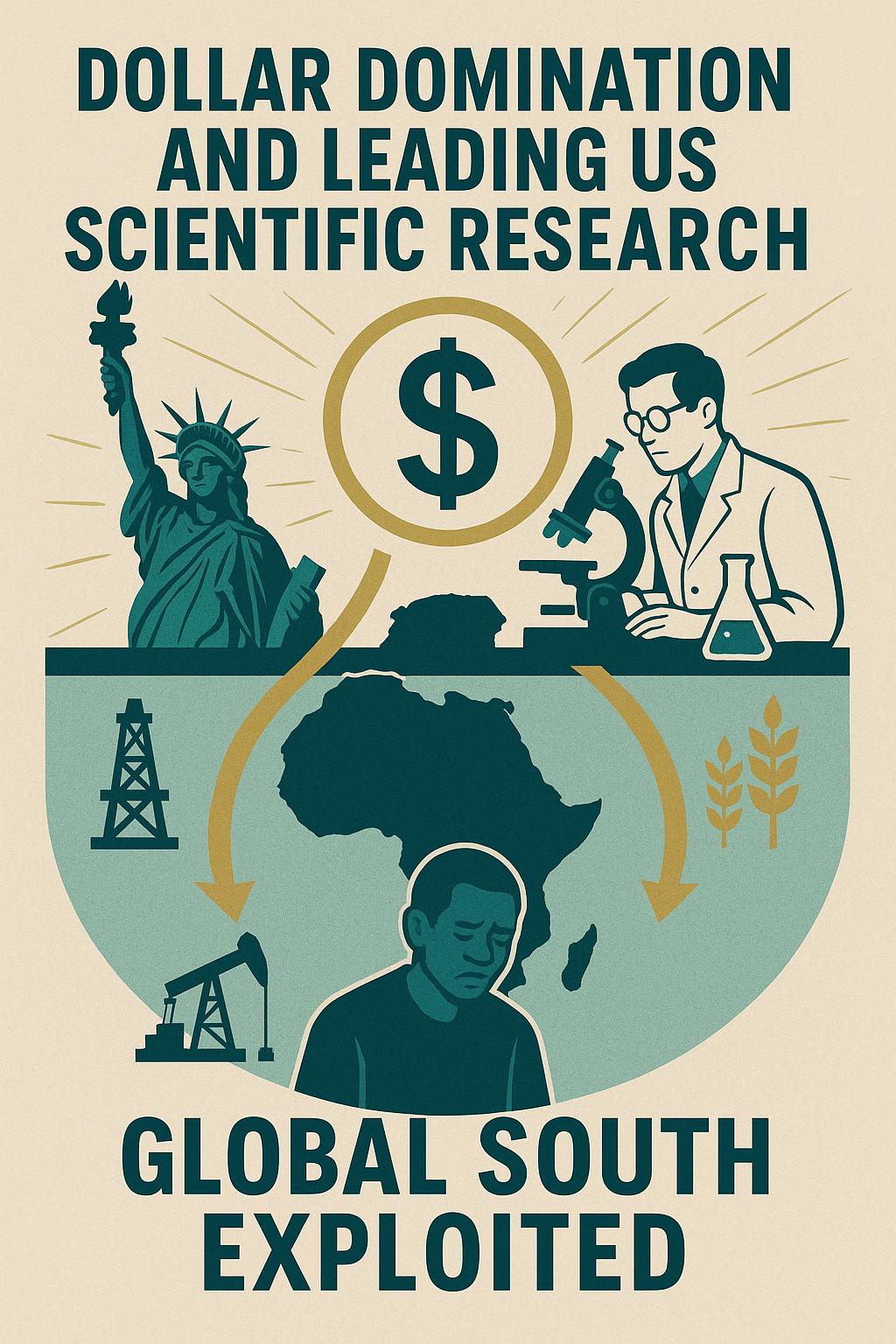
Dollar domination and leading US scientific research
The United States stands as the world leader in science. It also controls the world’s money. These two powers are not separate achievements. They are deeply connected. The financial supremacy of the dollar provides the material basis for American research. Without this advantage, U.S. science would look very different. The Global South, on the other…
-
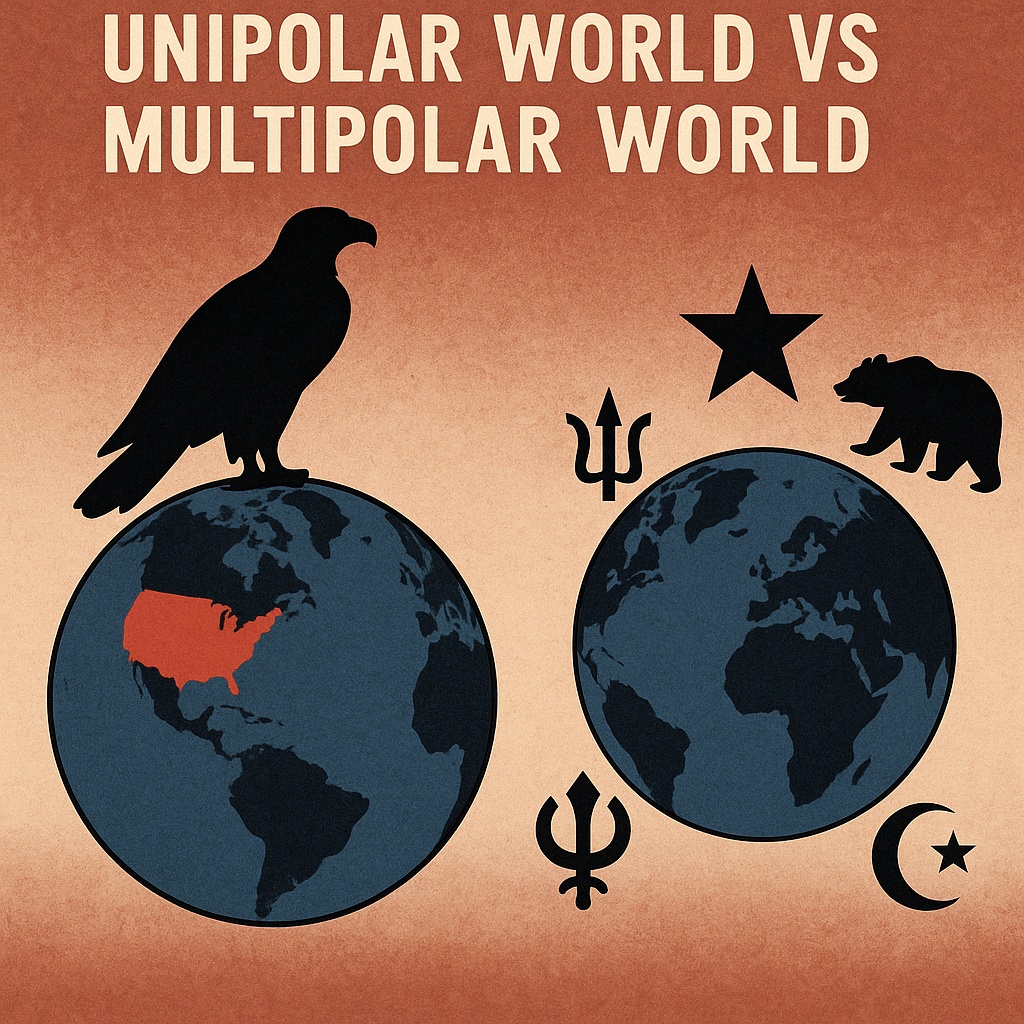
Unipolar world vs multipolar: Full guide
Global power never stays frozen. It shifts with economic growth, military strength, and cultural influence. At the highest level, there are two basic shapes of the world order. A unipolar world has one dominant power setting the rules. A multipolar world has several major powers competing and cooperating. History has seen both—and each brings its…
-

Commercial vs state inventions
Innovation is not neutral. Behind every breakthrough lies a motive. Sometimes it is profit, sometimes it is power. Sometimes it is simply survival. But one myth prevails: that capitalism drives all progress. That invention flows from competition, not cooperation. That companies build the future while governments waste time. This view is false. Both sectors invent—but…
-
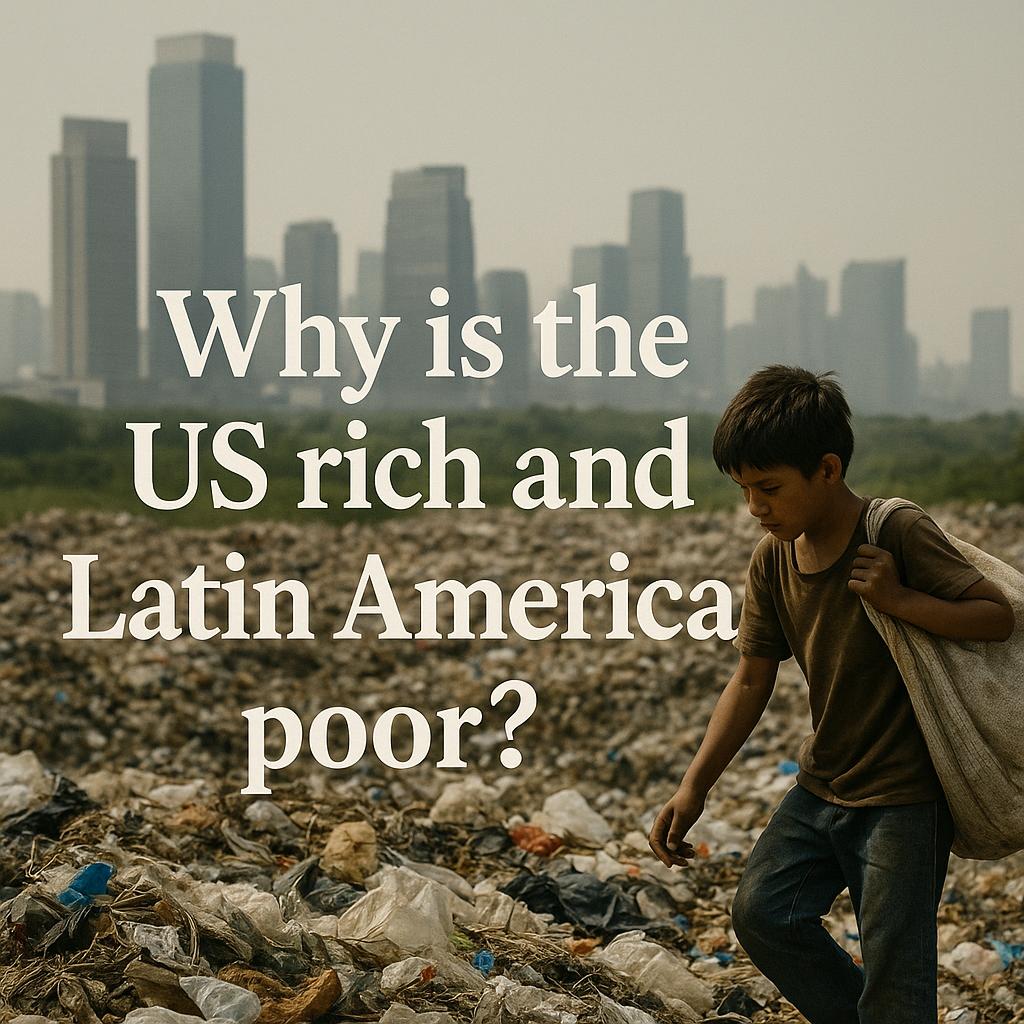
Why the US is rich, Latin America poor?
Two vast regions. One hemisphere. Both blessed with rich soil, vast forests, and natural resources; both colonized by Europeans. Both fought for independence in the 18th and 19th centuries. And yet, one became a global superpower while the other remains locked in cycles of poverty, corruption, and inequality. Why did the United States soar while…
-

Make every developing country a developed one
As of recent estimates, approximately 80% of the world’s population lives in developing countries. The term “developing countries” typically refers to nations with lower income levels, less industrialization, and lower Human Development Index (HDI) scores compared to developed countries. These countries are primarily located in regions such as Asia, Africa, and Latin America. The exact…
-

On American exceptionalism and how people are attracted to it
No country can claim that it is exceptional, as the self-fulfilling prophecy never materializes. American exceptionalism isn’t different at all. This article aims at the evolutionary roots behind the pillars the U.S. builds its reputation on. It also examines the historic desire to immigrate to the US. There may be, of course, rational reasons, why…