Tag: politics
-

The unwanted truth: Even dictators need human rights
Many countries still treat human rights as a Western imposition rather than a moral necessity. They reject them as tools of foreign interference, colonial arrogance, or cultural domination. Yet behind this rejection lies a contradiction. The same governments that denounce the West still depend on the very international order that human rights created. The question…
-
China’s education and science systems: Crossroads of reform
China’s future as a global technology leader depends critically on its ability to reform its education and scientific research systems. Today’s schooling and research apparatus remains largely rigid, focused on rote learning and hierarchical bureaucracy. Without bold change, millions of students and scholars will continue to be funneled through an outdated pipeline that stifles creativity…
-
Billionaires and the empire of illusion
Modern society worships billionaires as saviors. They are portrayed as visionaries who will save the planet (Bill Gates), end disease, and colonize Mars (Elon Musk). Their faces appear on magazine covers as symbols of progress and genius. Yet their benevolence is a myth. Behind the spectacle lies a system of control — a fusion of…
-
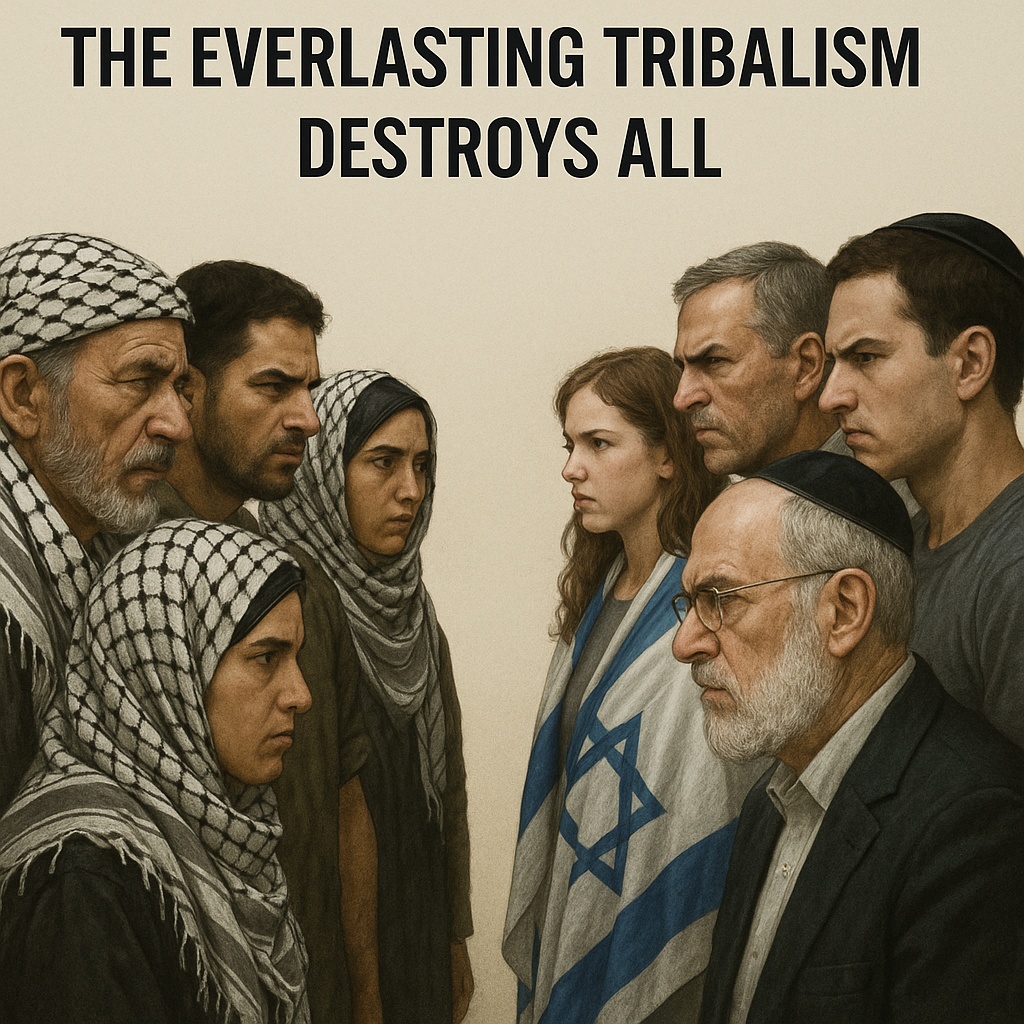
The everlasting tribalism destroys all
Tribalism never died. It simply evolved. The Israeli–Palestinian conflict proves that humanity still kneels before its oldest instinct — dividing the world into “us” and “them.” What began as a regional war has now turned into a global sickness. Every side, every faith, and every nation projects ancient loyalties onto modern politics. As a result,…
-
How banking replaced religion as global power
For centuries, religion ruled the human mind. It shaped laws, justified wars, and promised salvation in exchange for obedience. Priests and monarchs shared the same throne. Then science and reason broke faith’s monopoly. Yet power never disappears—it only changes form. When religion began to decline, another faith quietly rose to replace it. This time, it…
-
The moral emptiness of the global elite
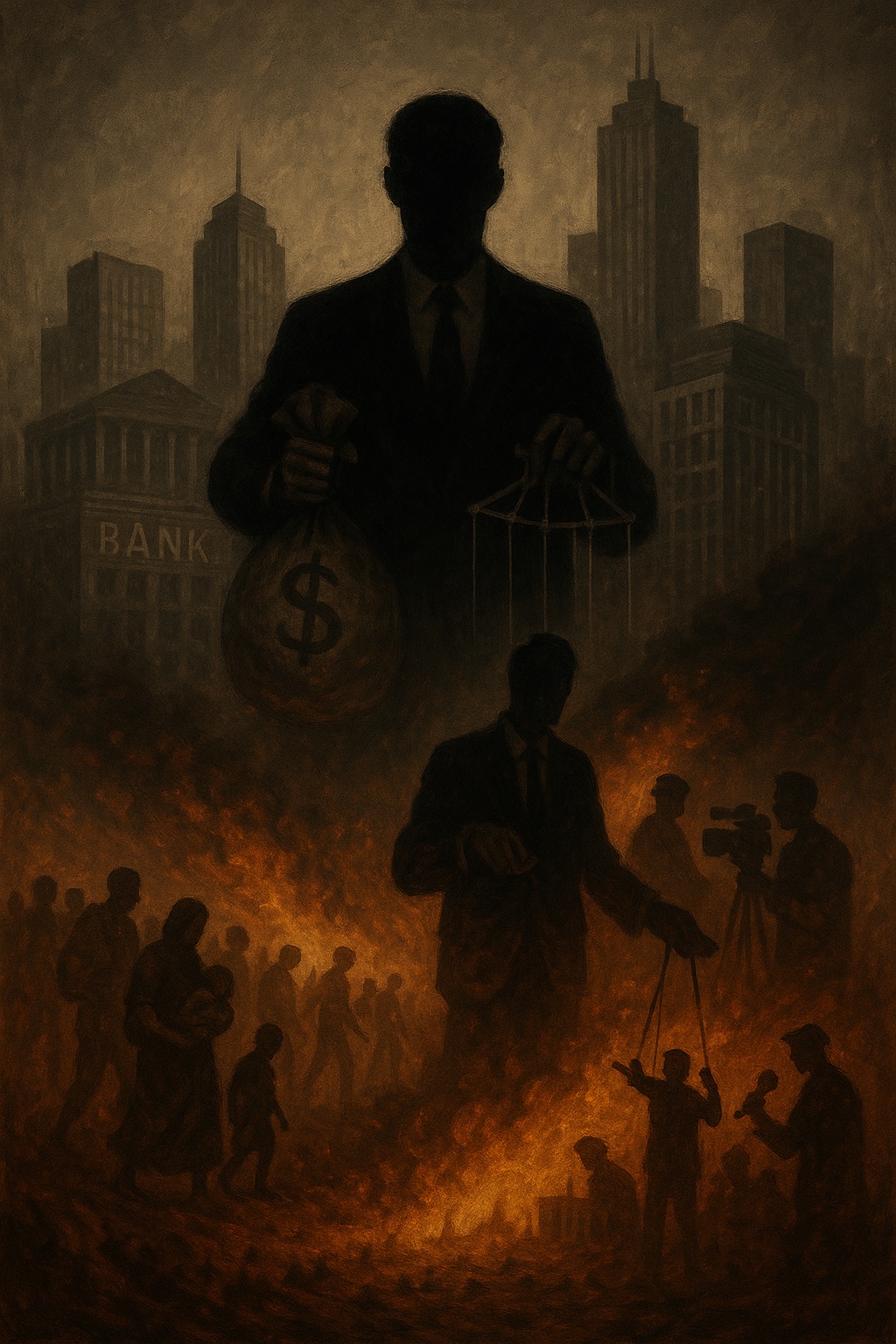
Behind presidents and parliaments stand the true masters — the bankers. Nomi Prins exposed this in All the Presidents’ Bankers. She showed how a century of alliances between Wall Street and the White House built a financial aristocracy that never leaves power. The same families who financed wars, coups, and crises still write the rules…
-
Why humanity never learns from history
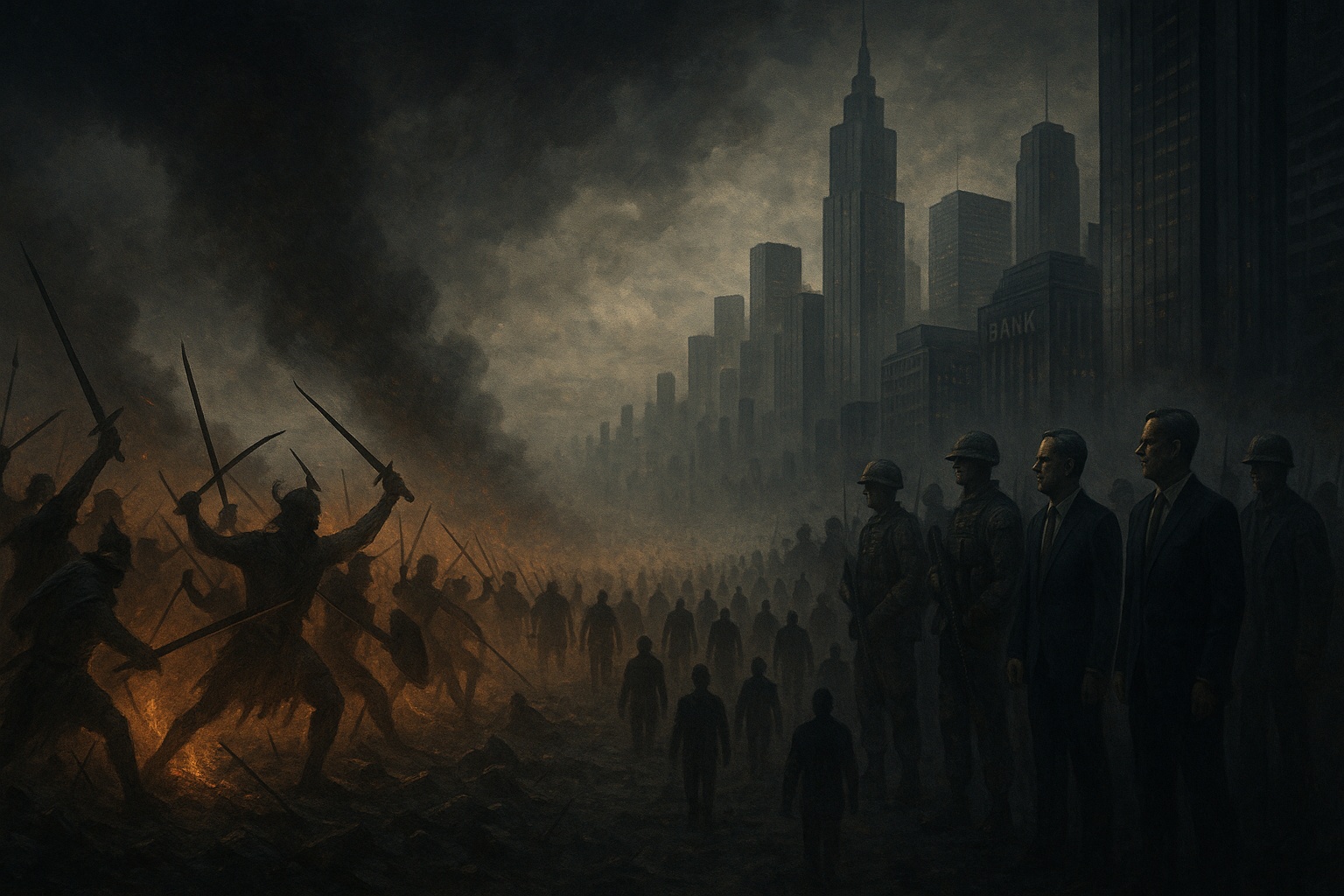
Every generation thinks it is smarter than the one before. It believes wars belong to the past, that humanity has finally matured, that reason will replace greed. But it never happens. The faces change, the flags change, yet the instincts stay. Power still corrupts. Greed still spreads. Vanity still drives the masses into chaos. People…
-
How algorithms replaced democracy
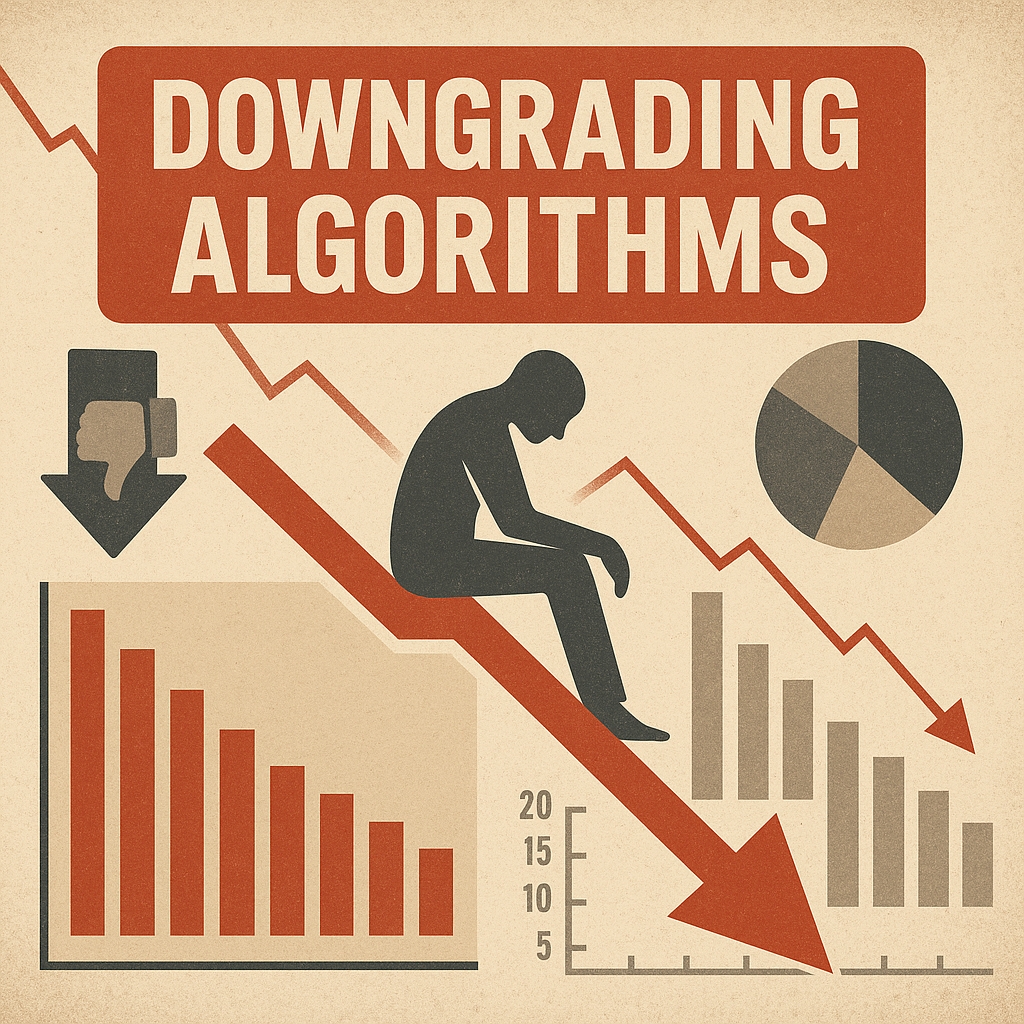
A new kind of elite has emerged—one that does not rule through armies or parliaments, but through code. The algorithmic class controls the invisible systems that determine what billions of people see, believe, and decide. Search engines and social media platforms, once symbols of free information, now filter reality through opaque algorithms designed to protect…
-
Evolutionary origins of political corruption
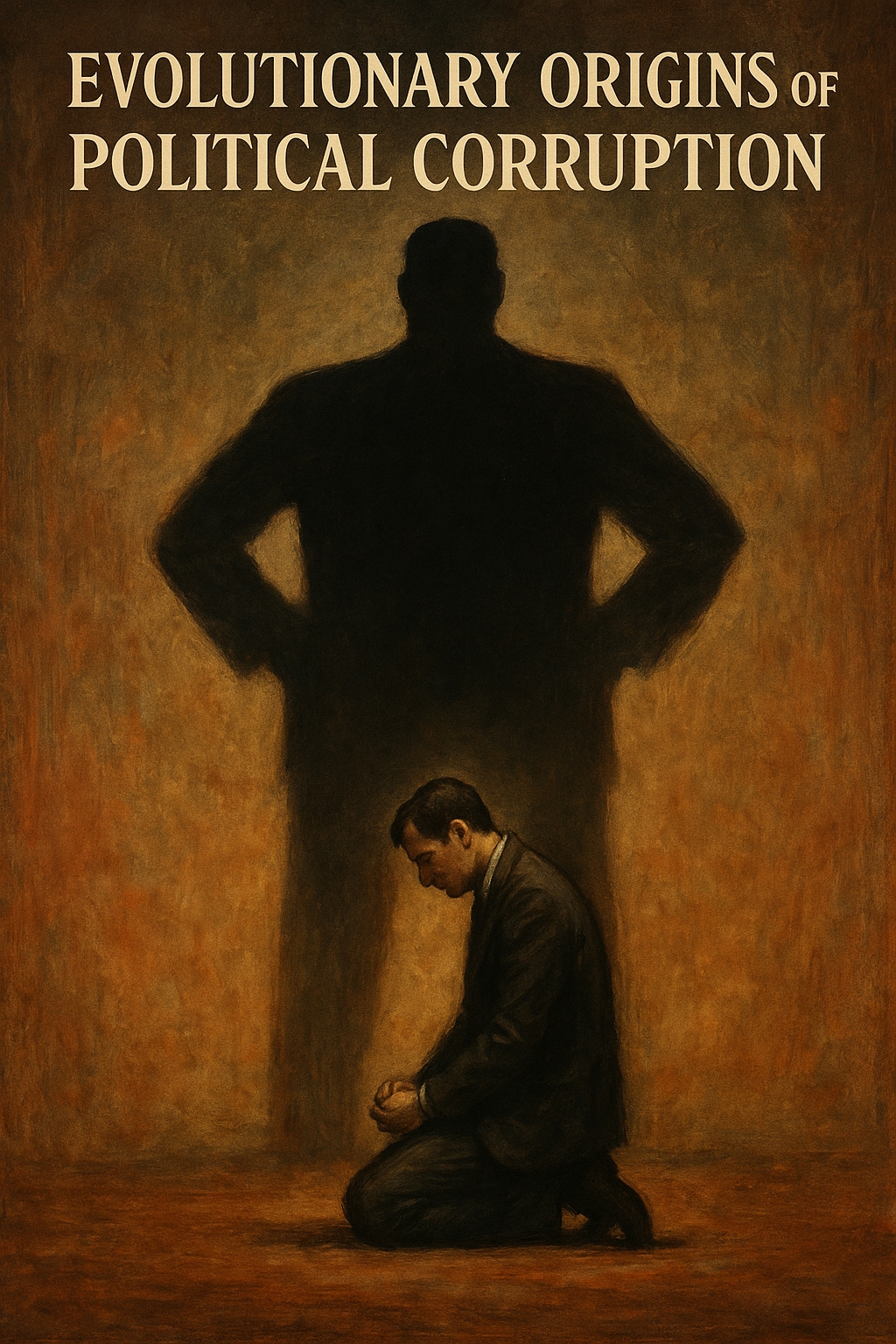
Political corruption is often described as a moral failure, a symptom of greed, or a defect of governance. Yet its roots go much deeper than law or ideology. Corruption is not a modern disease of politics—it is an ancient pattern of behavior shaped by evolution. Long before governments existed, humans traded favors, protected kin, and…
-
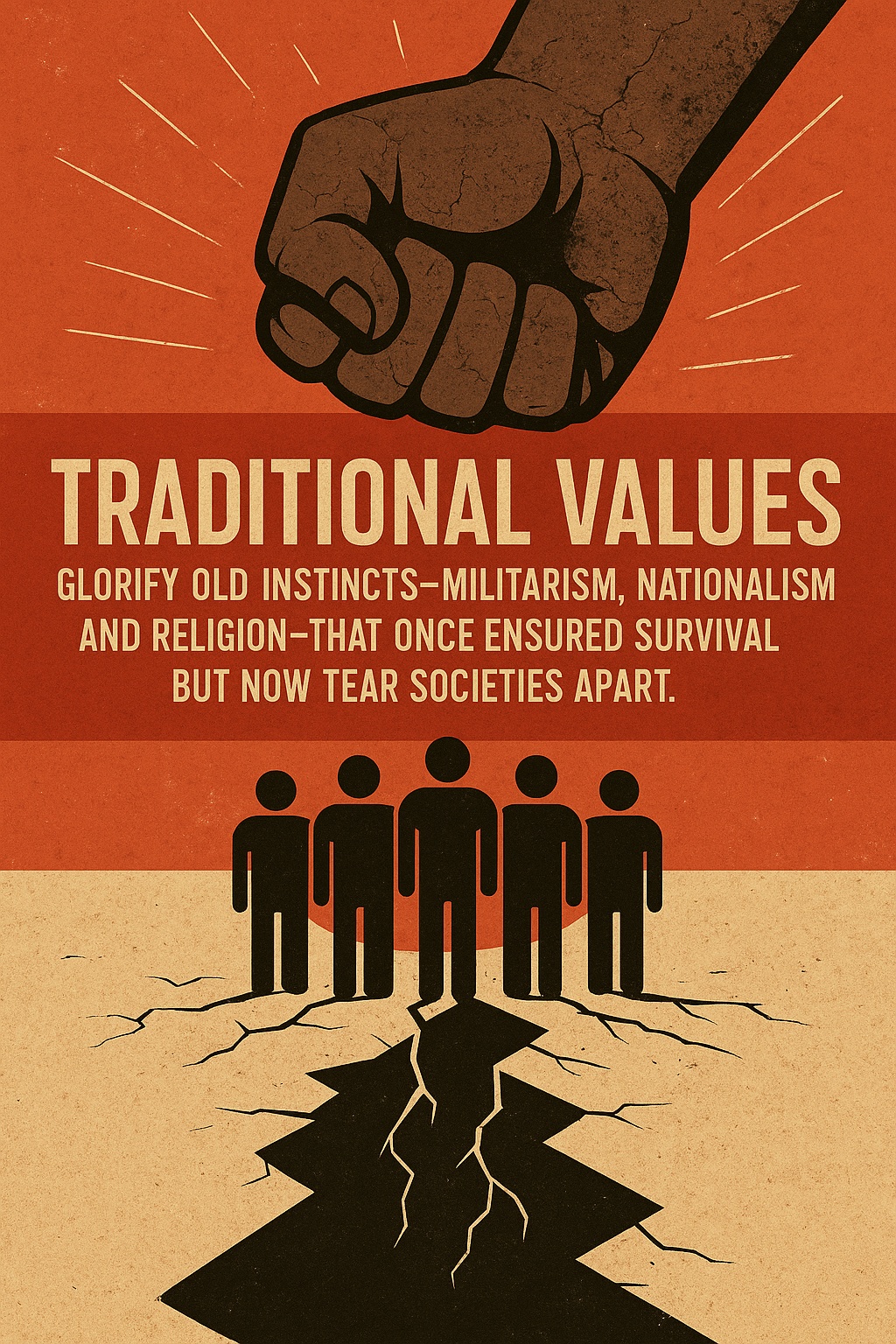
Traditional values as the worst evolutionary instincts
Humans worship their instincts as if they were moral laws. They call them traditions. They call them values. But many of them are nothing more than prehistoric impulses dressed as ethics. What once helped a tribe survive now keeps humanity divided, violent, and blind. The worst part is that we glorify our weaknesses and call…