Tag: politics
-
Violence wants cameras, not justice
This is exactly what these POSs really want: attention.Not justice, not ideology. Not truth. Visibility. First, they act. Then cameras turn. Then feeds explode. Finally, meaning dissolves.Therefore violence no longer serves strategy. It serves exposure. In the modern world, attention equals existence. Consequently, any act that breaks routine becomes currency. Violence performs especially well. It…
-
From helpful bankers to today’s sociopaths
Power hides behind respectable faces; yet its shape changes with every century. Presidents rise and fall. Bankers remain. And when we trace this relationship through history, a disturbing shift appears. The alliance begins with helpful advisers. It ends with sociopaths who treat nations like disposable assets. We travel from cooperation to domination; the arc becomes…
-
Enlightenment echoes in a fragmented century
The Enlightenment reshaped how humanity thinks, argues, and governs. It turned reason into a public force rather than a private habit, and it built the mental architecture of modern life. Today we swim in digital noise, emotional narratives, identity battles, and ideological tribalism. Therefore the Enlightenment feels both triumphant and threatened. People enjoy technologies that…
-
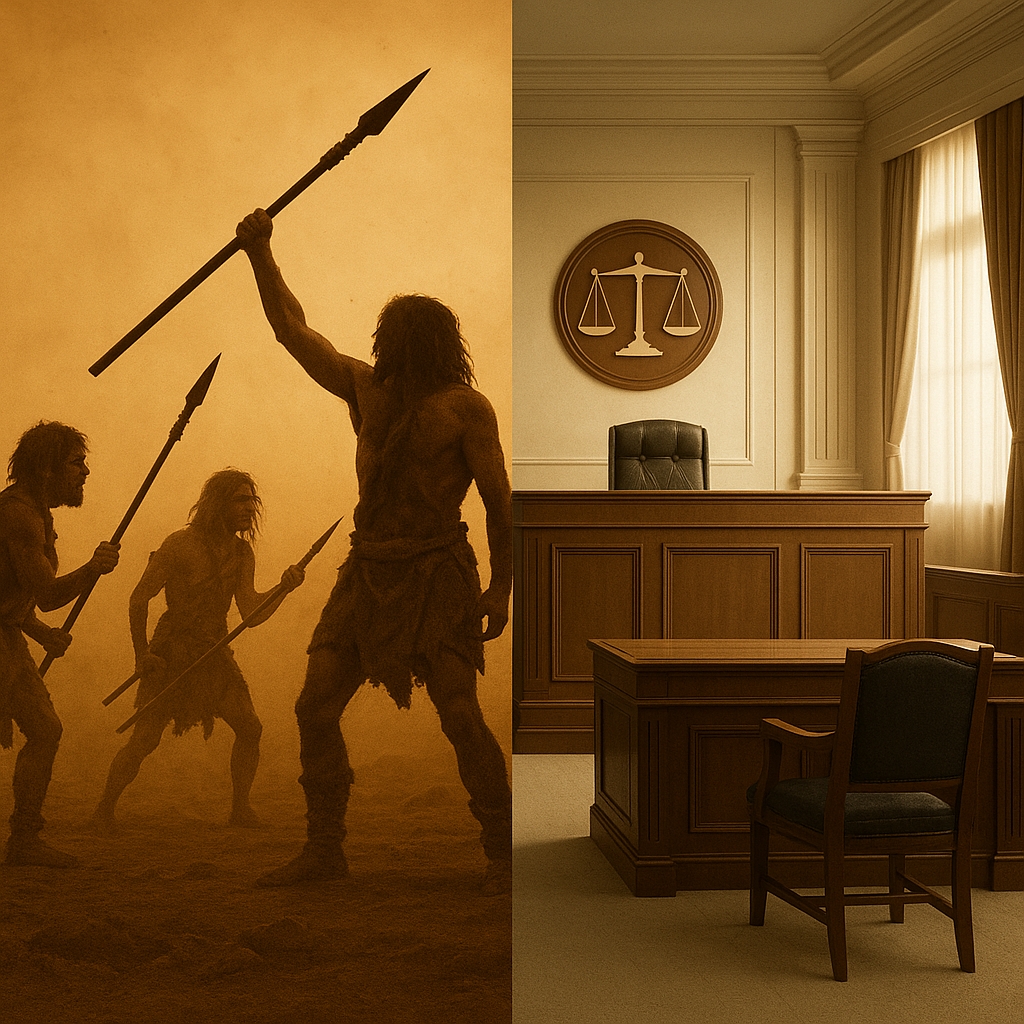
Death penalty has no place: Freethinkers destroyed it
Freethinkers always challenge inherited dogma. They question every ritual, every ancient punishment, and every sacred justification for violence, they look at the death penalty and see a leftover from tribal thinking. They see fear, anger, and superstition shaping a policy that kills people. Freethinkers reject execution because they value reason, evidence, dignity, and moral responsibility…
-
Rationality vs algorithms: X must stop feeding delusion
X rewards emotion over logic. Therefore religious content floods the feed every hour. People worship a founder who likely never existed, and they do it with absolute certainty. They write as if myth were fact. They celebrate stories that collapse under the weight of evidence. Yet the algorithm keeps pushing more of it. It pushes…
-
The ancient tribal instincts behind political polarization
Political polarization did not begin with modern politics. It began in the deep past. Humans evolved inside small tribes where loyalty meant survival and disloyalty meant danger. Because of that, our brains still react to politics as if we lived in hostile plains filled with rival clans. Therefore modern polarization is not rational disagreement. It…
-
Why the rich fear intelligent poor
The rich do not fear the poor as a whole. They fear the poor who think clearly. They fear people who understand patterns, decode systems, and question every layer of power. Rich families know that intelligence without resources creates pressure, ambition, and danger. Therefore they fear the poor who see through illusions, because those people…
-
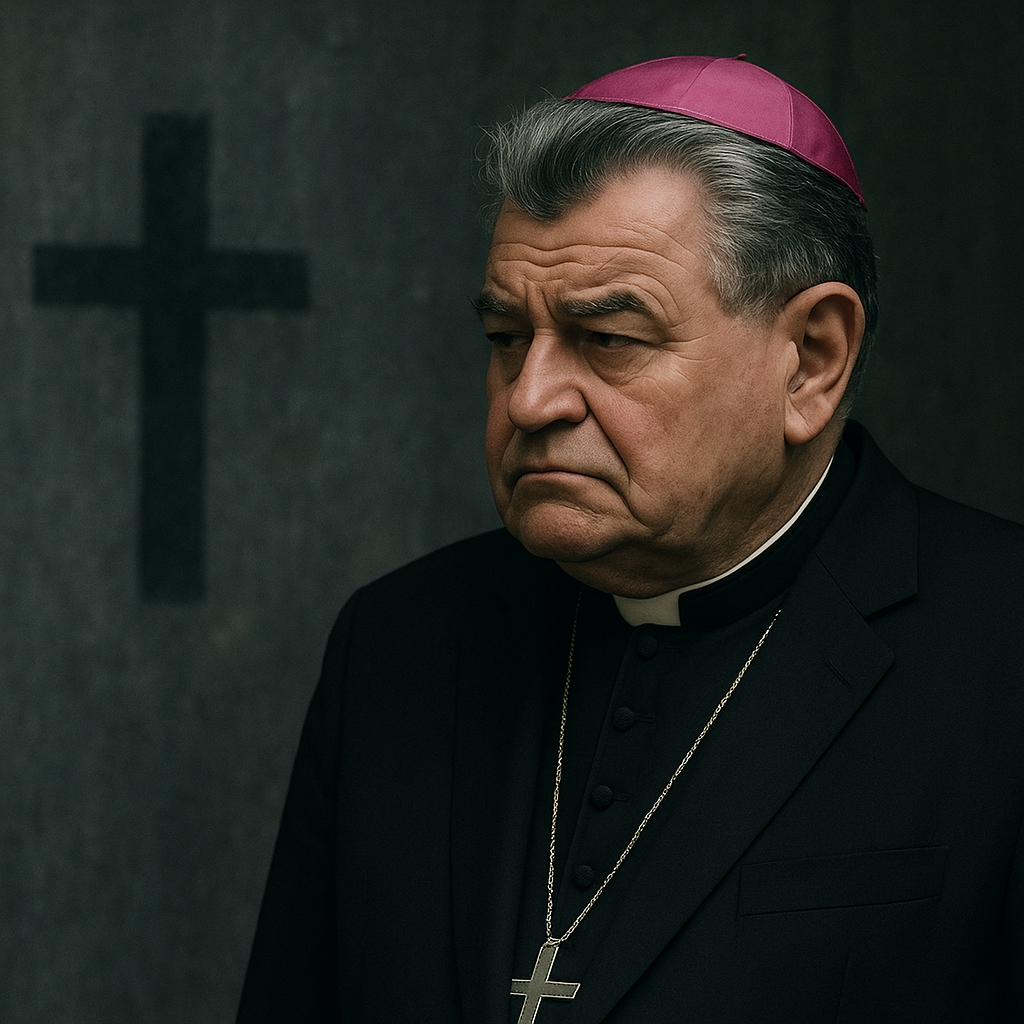
The Czech national hysteria after the archbishop’s death
Dominik Duka, an archbishop, dies and the country loses its mind. Crowds rush to churches. Media scramble for every angle. Politicians race to stand near the coffin. The atmosphere feels more like a coronation than a funeral. This hysteria exposes a deep contradiction. The nation calls itself secular. Yet the reaction looks like a medieval…
-
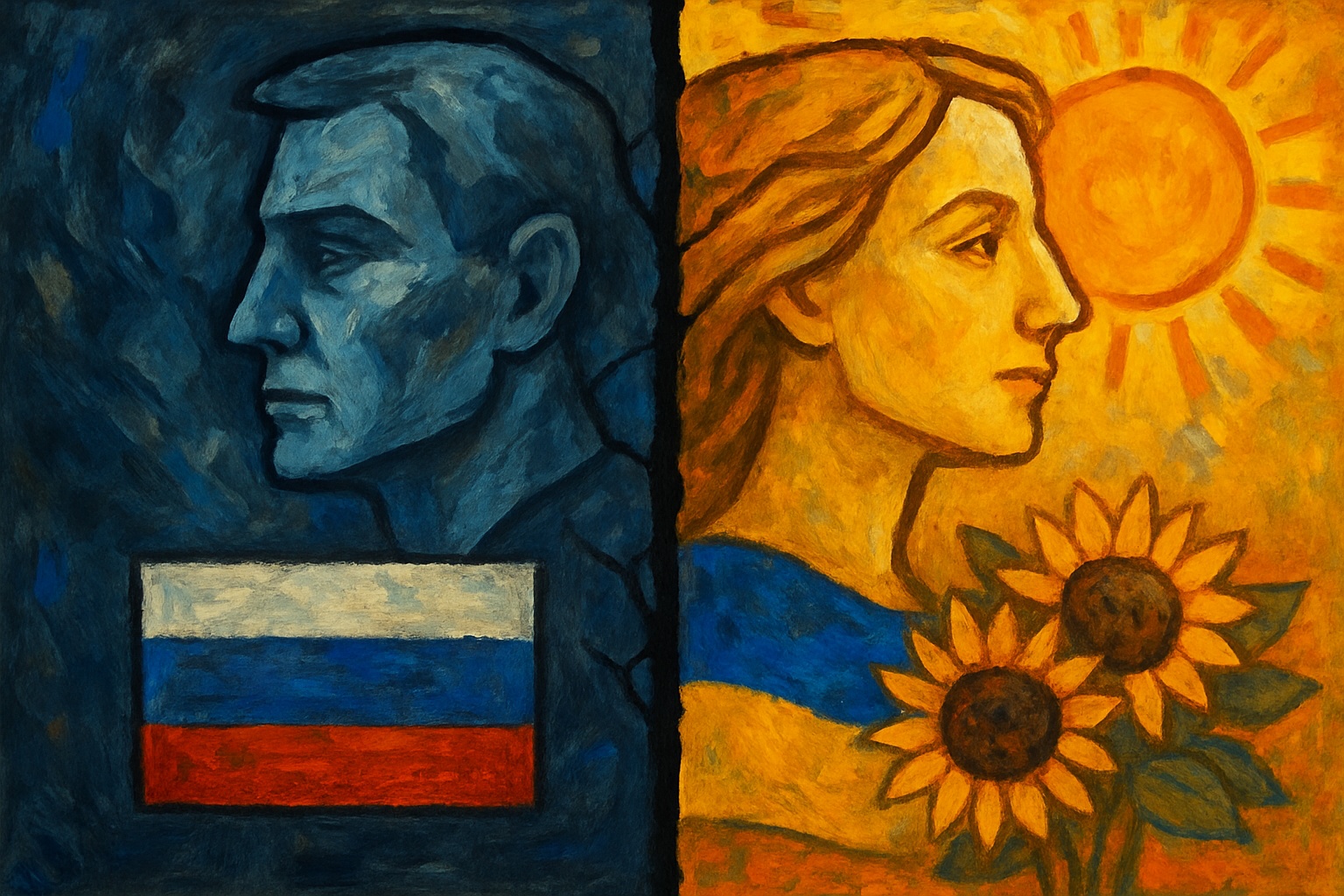
Russian and Ukrainian mentalities: Differences and similarities
Russia and Ukraine were not born as enemies. Their roots stretch back to the same civilization—Kievan Rus—the medieval state that laid the foundations for Slavic culture and Orthodox Christianity. Yet from this shared origin, two very different paths emerged. Geography, foreign domination, religion, and psychology shaped two distinct ways of thinking. Russia evolved under the…
-
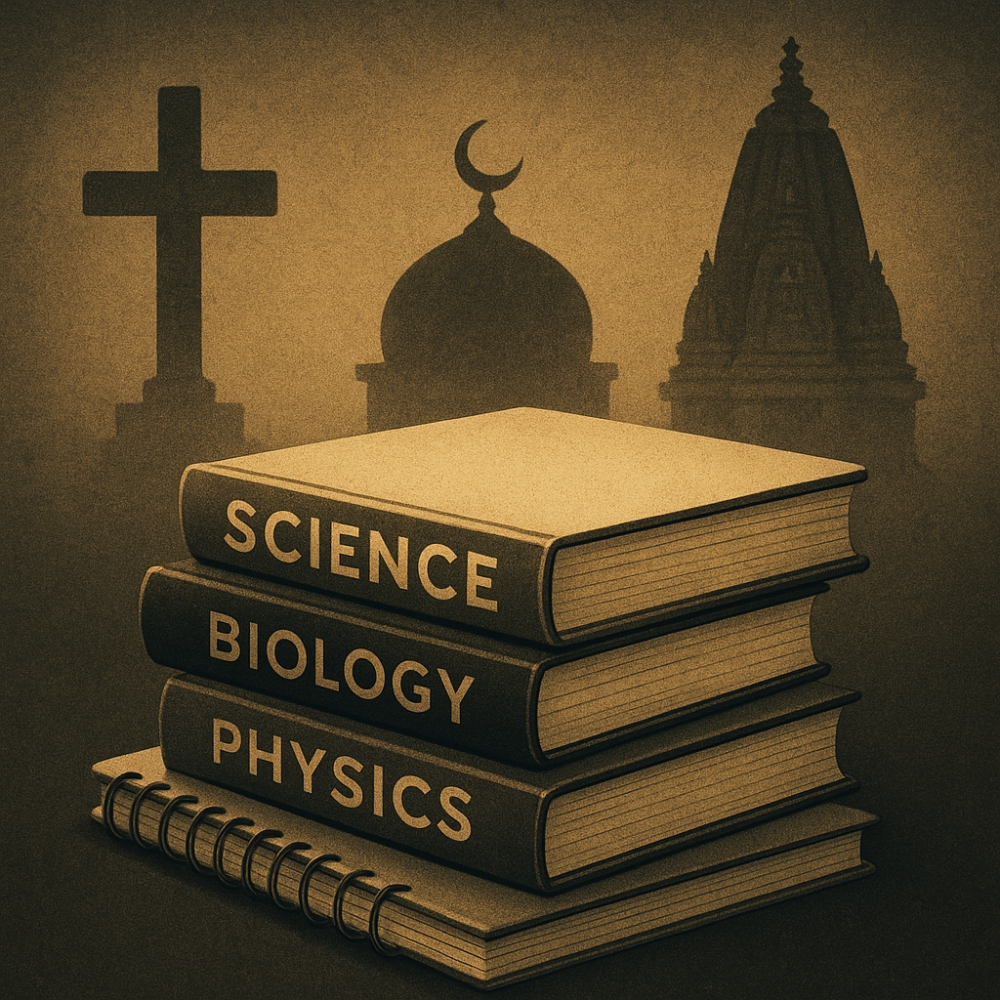
The Global South’s silent secularists: Voices often overlooked
The Global South is not one voice. It is millions. And among them are those who dare to think without divine permission. They are the silent secularists, the ones who live between faith and fear. Their doubt is not rebellion against culture. It is rebellion against control. Religion dominates most developing nations. It fills every…