
Education is the cornerstone of societal progress. Over centuries, freethinkers have radically transformed global education systems, challenging orthodoxies and paving the way for more inclusive, rational, and equitable frameworks. This article explores key individuals whose groundbreaking ideas have left an indelible mark on education.
Please note that this article is not about modern scientific education models, evidence-based learning theories (which are currently most relevant) where more minds bring more wisdom (just mainstream science with tons of people involved). It just describes freethinkers who changed the global educational system right or wrong in history.
However, basically nobody of these freethinkers or current scholars didn’t mention how the super-rich mold the education system.
Maria Montessori: Child-centered learning
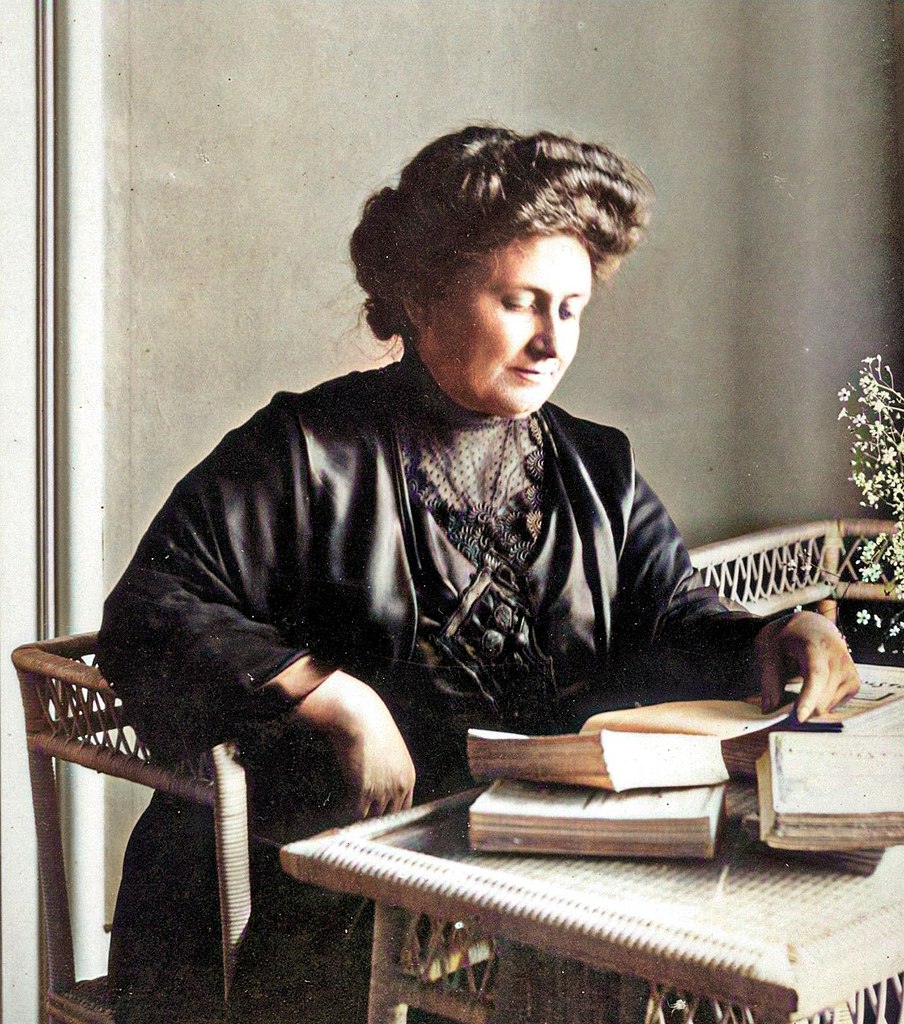
Maria Montessori revolutionized early childhood education with her learner-centric approach. Trained as one of Italy’s first female physicians, Montessori’s observations of children led her to develop the Montessori Method, emphasizing autonomy, hands-on activities, and respect for a child’s natural development. Her ideas challenged rigid, rote-learning systems and introduced environments where children thrive through exploration. Montessori schools, now widespread, have reshaped global perspectives on nurturing curiosity and creativity in young learners.
John Dewey: Education for democracy
John Dewey, an American philosopher and educational reformer, argued that education should prepare individuals for active participation in democratic society. Rejecting passive memorization, Dewey championed experiential learning – students learning by doing. His work emphasized critical thinking, collaboration, and problem-solving. Dewey’s influence extended beyond the classroom, embedding democratic ideals into the education system. His ideas persist today in project-based learning and interdisciplinary curricula.
Rabindranath Tagore: A fusion of tradition and modernity
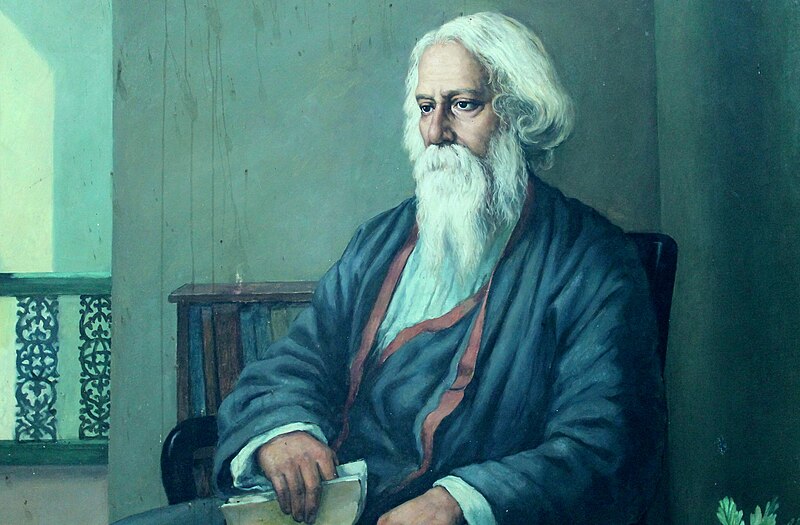
Rabindranath Tagore, India’s Nobel laureate in literature, envisioned an education system blending the best of traditional and modern methods. He founded Visva-Bharati University, which integrated art, music, and nature into academics. Tagore’s approach defied colonial education models that prioritized rote learning and conformity. Instead, his vision emphasized harmony, creativity, and global interconnectedness, inspiring educators worldwide to rethink education as a holistic, humanistic endeavor.
Malala Yousafzai: A modern symbol of education equality
Malala Yousafzai’s advocacy for girls’ education in Pakistan, despite life-threatening resistance, has made her a global icon. Her fight against oppressive forces underscores the power of freethought in education. Malala’s efforts highlight the ongoing struggle for educational access and equality, challenging patriarchal systems that exclude millions of children, particularly girls, from learning. Her influence continues to inspire policies and movements for universal education.
Paulo Freire: Education as liberation
Paulo Freire, a Brazilian educator and philosopher, critiqued traditional education systems as instruments of oppression. In his seminal work Pedagogy of the Oppressed, Freire introduced the concept of “liberation education,” advocating for a dialogical approach where students and teachers learn collaboratively. His ideas have been instrumental in adult literacy programs and social justice education, particularly in marginalized communities. Freire’s emphasis on critical consciousness – analyzing societal power structures – remains a cornerstone of transformative education.
Confucius: The philosopher’s legacy
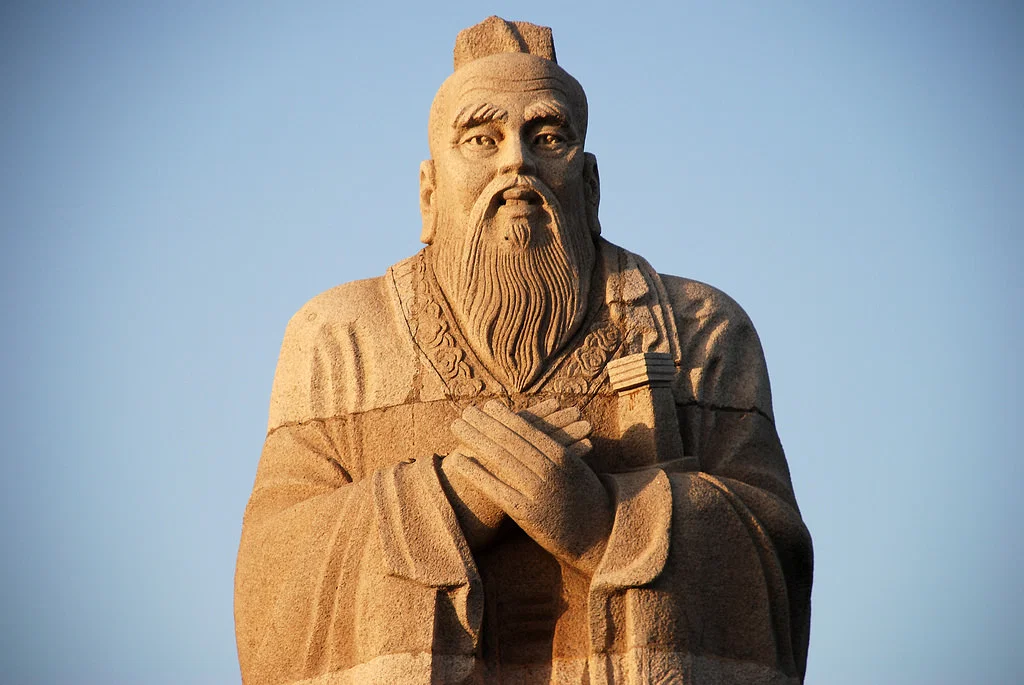
Although centuries removed from modernity, Confucius’s principles laid foundational ideas for education in East Asia. He emphasized moral development, lifelong learning, and meritocracy. Confucianism’s stress on education as a path to individual and societal improvement influenced generations of thinkers and systems. His teachings still underpin education policies in countries like China, South Korea, and Japan, blending ancient philosophy with contemporary practices.
Emma Willard: Pioneering women’s education
Emma Willard’s advocacy for women’s education in 19th-century America was revolutionary. At a time when women were denied access to higher education, she founded the Troy Female Seminary, offering rigorous academic programs comparable to those for men. Willard’s efforts not only expanded educational opportunities for women but also sparked a broader movement advocating for gender equality in education. Her work continues to resonate in discussions on gender inclusivity in academia.
Comenius: The father of modern education
John Amos Comenius, a 17th-century Czech philosopher, is often called the father of modern education. He emphasized universal education, advocating for teaching all children regardless of social class or gender. Comenius introduced visual aids and age-appropriate methods, transforming abstract learning into accessible experiences. His work laid the groundwork for modern pedagogical practices and inspired global education reforms.
Comenius, famously associated with the phrase “Škola hrou” (“School by play”), believed that education should be a joyful and engaging experience. He advocated for blending play with structured learning to create an environment where children could naturally explore and understand the world around them. This approach, revolutionary for its time, emphasized that curiosity and enjoyment are crucial to effective education.
By incorporating games, visual aids, and relatable materials, Comenius transformed the traditional model of rote memorization into one that fostered creativity and critical thinking. His belief in the power of play as an educational tool laid the groundwork for modern pedagogical practices, influencing how educators approach early learning today.
Conclusion
Freethinkers like Montessori, Dewey, and Freire challenged conventions, reimagining education as a tool for empowerment rather than mere instruction. Their ideas continue to influence classrooms and policies worldwide. By embracing curiosity, critical thinking, and inclusivity, these pioneers have reshaped how societies educate future generations. Their legacies remind us that progress in education requires bold ideas, relentless advocacy, and a commitment to challenging the status quo.
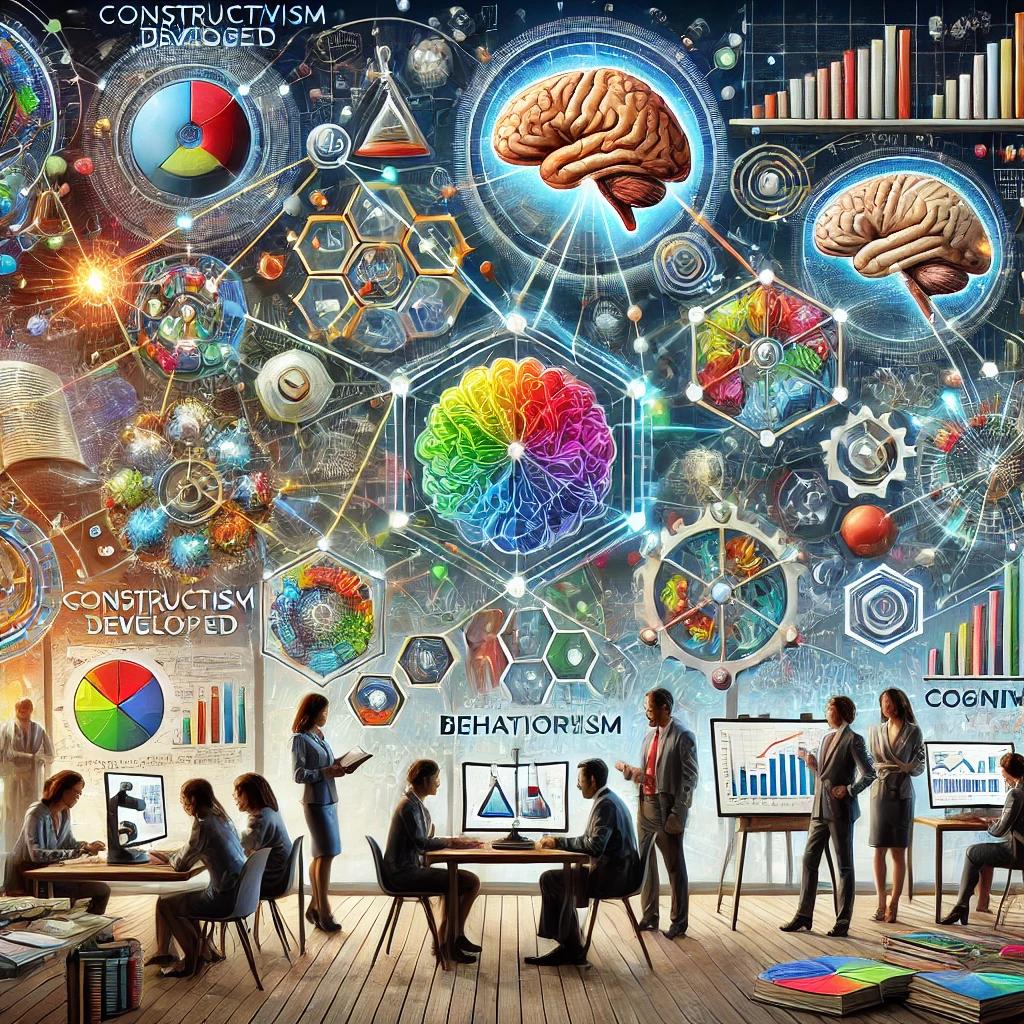
However, modern education science combines psychology, neuroscience, sociology, and technology to improve how people learn. Grounded in evidence, it studies cognitive processes like memory, problem-solving, and attention. Key learning theories such as constructivism, behaviorism, and cognitivism shape this field. Constructivism highlights active knowledge-building through experience, while behaviorism focuses on observable behavior and reinforcement. Cognitivism explores mental processes to explain how learners process and recall information. These frameworks, tested and refined by scientists, provide the foundation for educational practices worldwide.
This science is massive, involving millions of studies and global collaboration with peer-reviewed articles. Advanced tools like brain imaging and AI analytics reveal insights into how people learn and adapt over time. Sociological studies examine how factors like culture, class, or technology access shape education. Together, these findings drive more effective, inclusive systems. Modern education science uses rigorous research and interdisciplinary methods to address both individual learning needs and broader social challenges.
Leave a Reply