Tag: science
-

The biology and environment behind religiosity
Why do some people become deeply religious while others remain indifferent or reject religion altogether? The obvious answer is upbringing. A child born into a Catholic family in Poland is much more likely to become Catholic than a child born into a Muslim family in Saudi Arabia or a Hindu family in India. Yet research…
-

From heaven to extinction: AI’s strangely religious future
Artificial intelligence is supposed to represent the future. Yet some of the stories surrounding it sound remarkably ancient. Humanity creates something more powerful than itself. The old world comes to an end. Some people are saved. Others are left behind. Human beings transcend their biological limitations. Death itself may eventually disappear. Replace God with technology,…
-

Can a face reveal a psychopath? The myth of physiognomy
Zohran Mamdani! Look at that face. Look at the eyes, the nose, the beard. A Muslim? A Middle Eastern type! He must be a terrorist—or at least a supporter of terrorism. Absurd? Of course. Mamdani is Muslim, but he is not even Middle Eastern: he was born in Uganda to Indian parents. More importantly, neither…
-

Why society’s best minds work in the wrong places
Every election campaign sounds remarkably similar. Politicians promise better schools, better healthcare, more efficient public administration, and greater investment in science. Almost everyone agrees that these are among the pillars of a prosperous civilization. Parents want excellent teachers. Patients want excellent doctors. Citizens want competent public officials. Every country hopes for groundbreaking scientists whose discoveries…
-
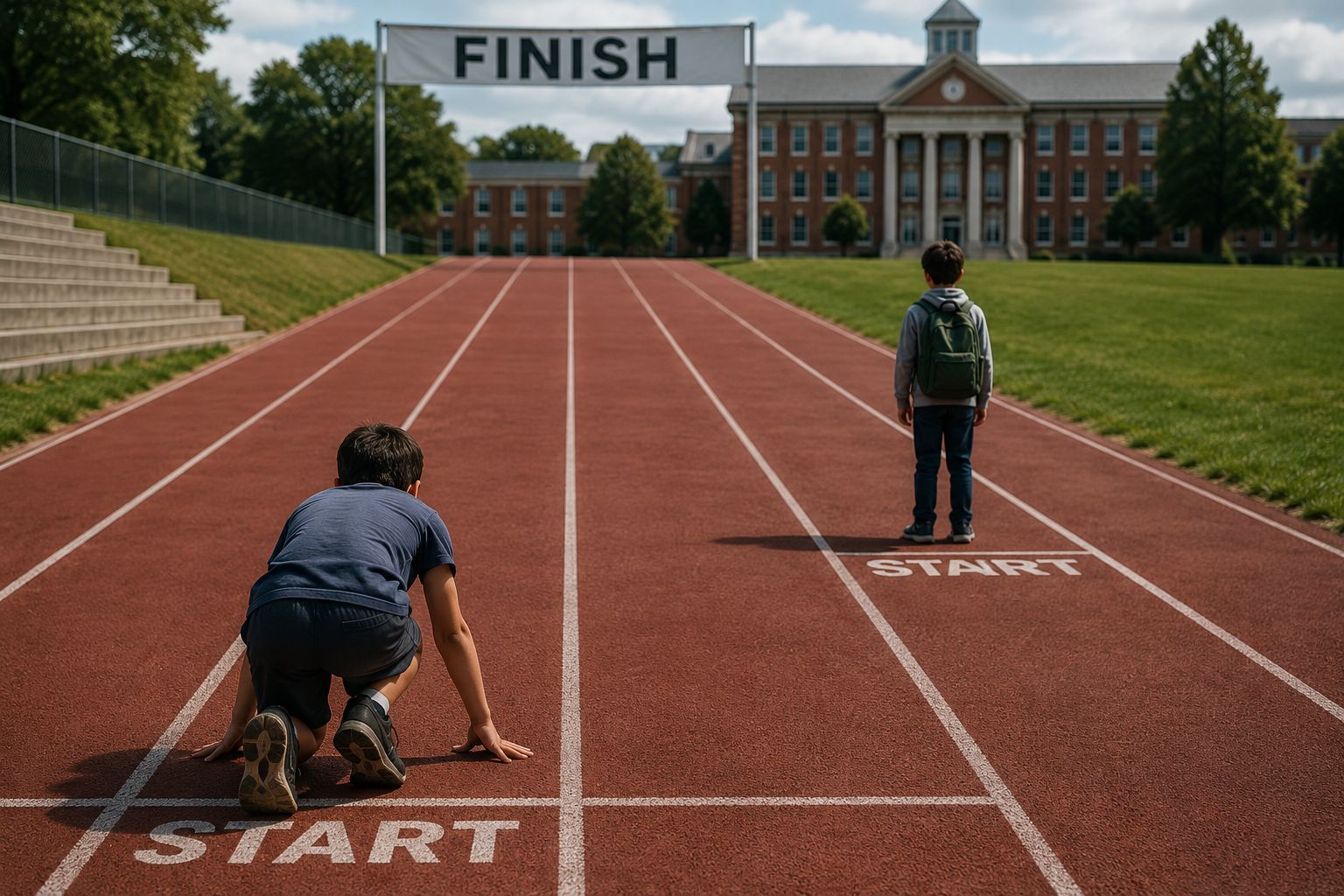
How the education system maintains economic class structures
Education is often presented as society’s great equalizer. Regardless of where a person is born, the argument goes, talent and hard work should enable them to achieve success through learning. This belief forms the foundation of modern meritocracy. Schools and universities promise to reward intelligence, perseverance, and ability rather than family wealth or social background.…
-
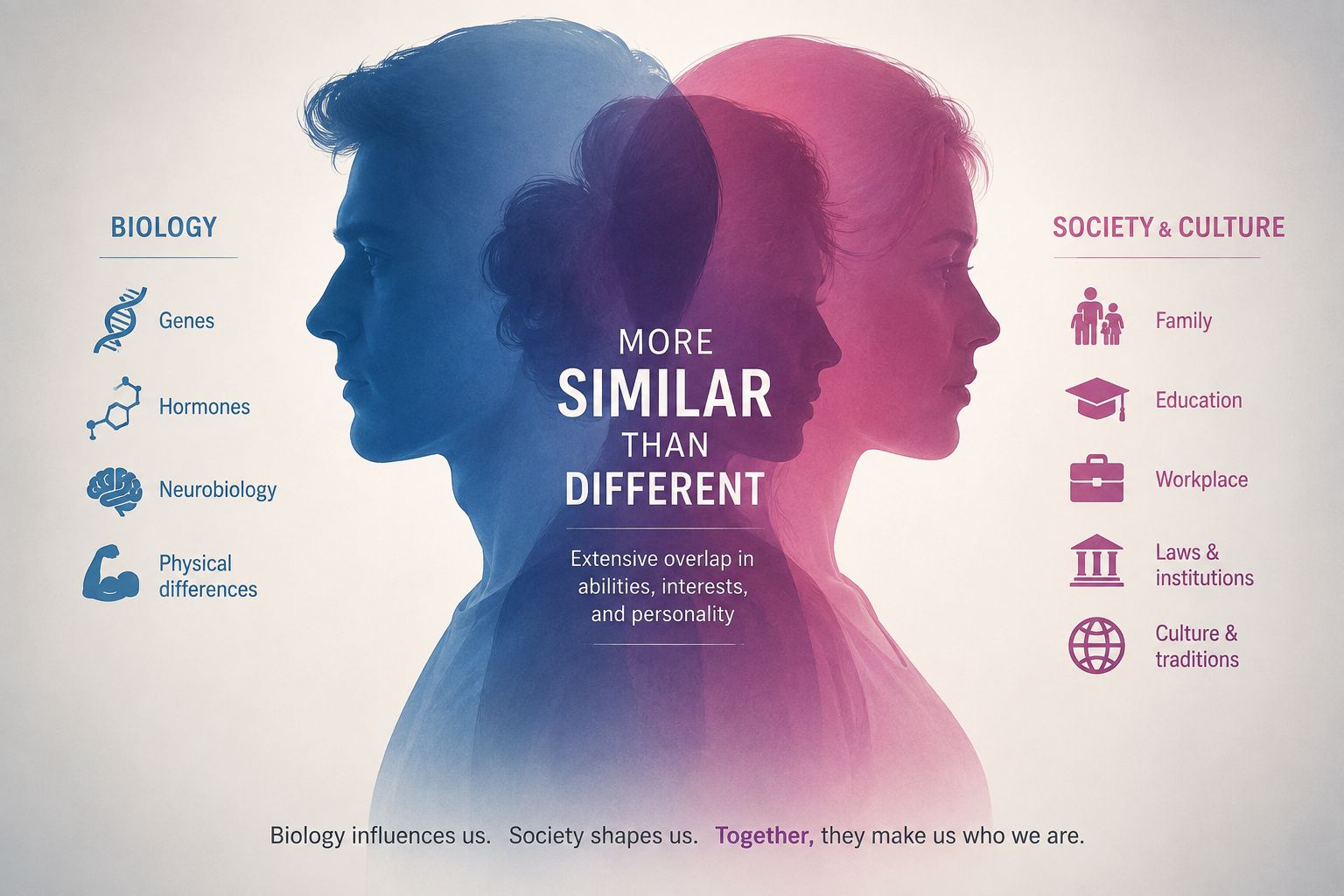
Gender inequality: Innate or acquired?
Few debates have generated more political heat than the origins of gender inequality. One side argues that men and women are born fundamentally different and that unequal outcomes naturally emerge from biology. The other claims that nearly every difference between the sexes is socially constructed and can therefore be eliminated through education and policy. Both…
-
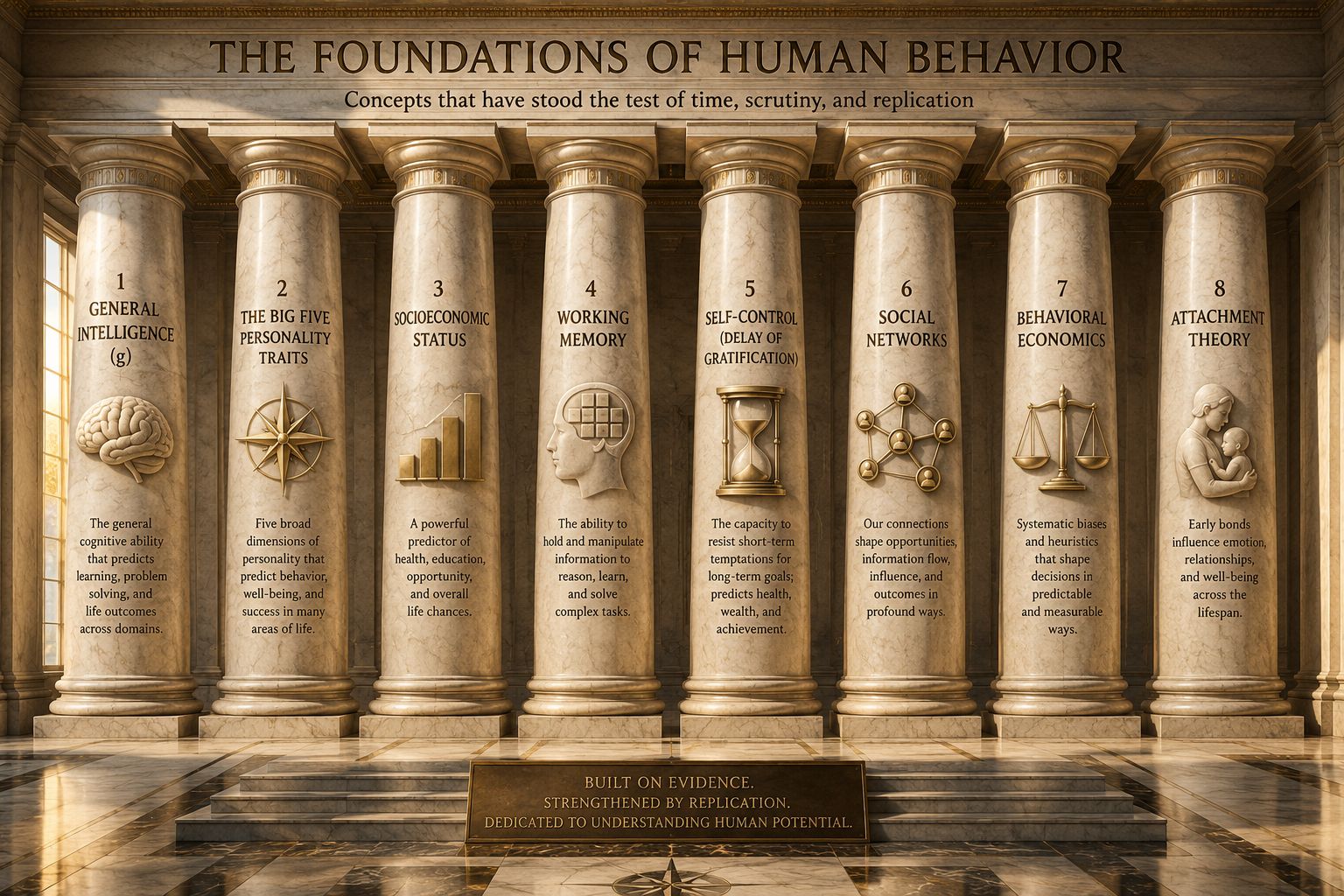
The most statistically robust concepts in the humanities
The humanities and social sciences have long struggled with a reputation for producing competing theories that rarely achieve universal acceptance. Unlike physics or chemistry, where experiments can isolate variables with extraordinary precision, researchers studying humans must deal with culture, history, genetics, education, economics, personality, and countless other influences that interact simultaneously. Consequently, many theories rise…
-
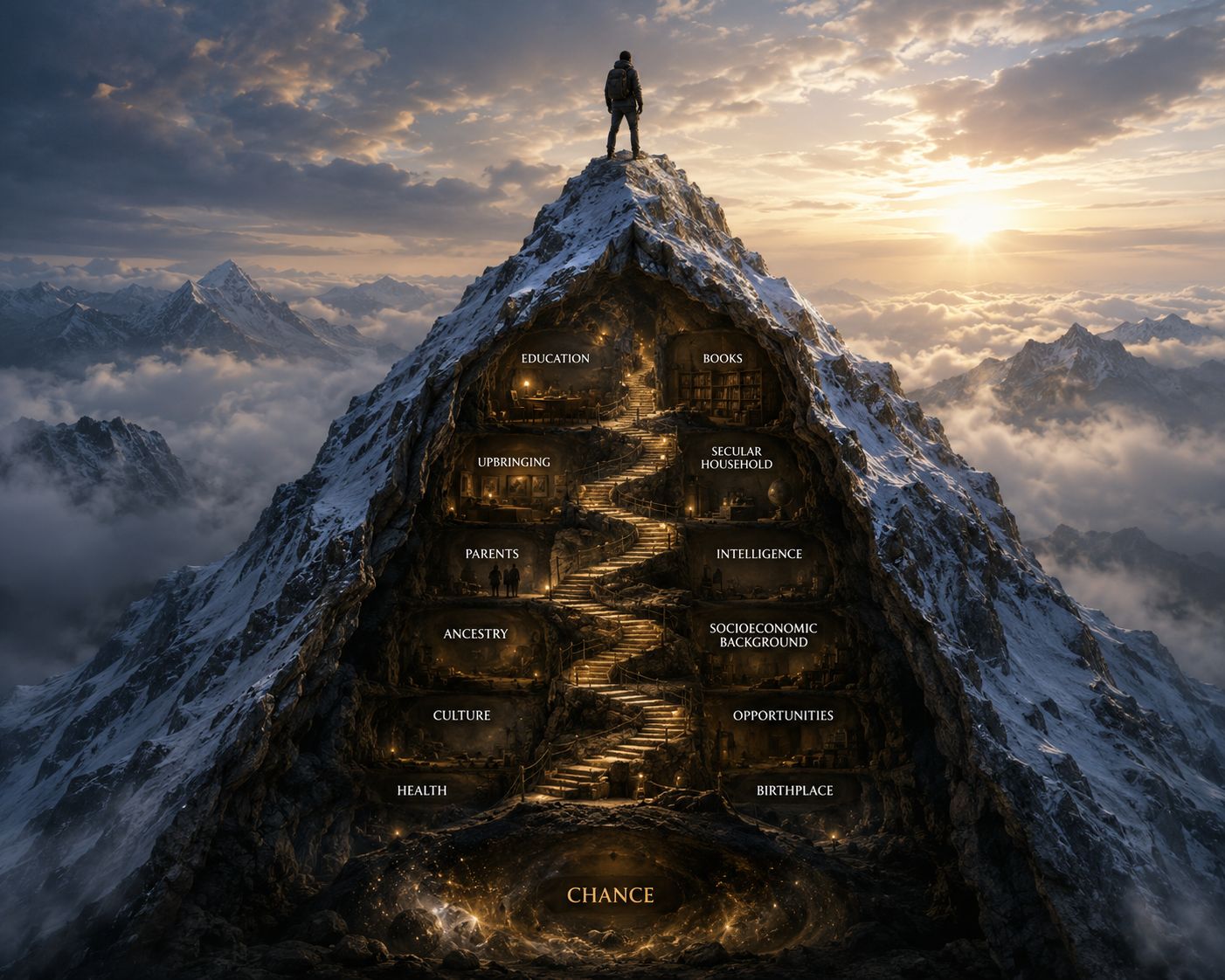
The curse of privilege: Why I don’t believe in free will
Every successful person enjoys hearing that they deserve everything they have achieved. Society constantly celebrates hard work, intelligence, discipline, determination, and perseverance. Those who become wealthy are often called self-made. Great scientists are praised for their brilliance. Successful entrepreneurs are admired for their vision. Writers are congratulated for their talent. At the same time, people…
-

When stealing accelerates progress: The AI race between the US and China
Artificial intelligence has become one of the defining technologies of the twenty-first century. It may transform medicine, education, science, transportation, manufacturing, finance, communication, and warfare. It may also change how people work, how governments exercise power, and how companies create wealth. Therefore, the race for leadership in artificial intelligence carries enormous economic and political importance.…
-
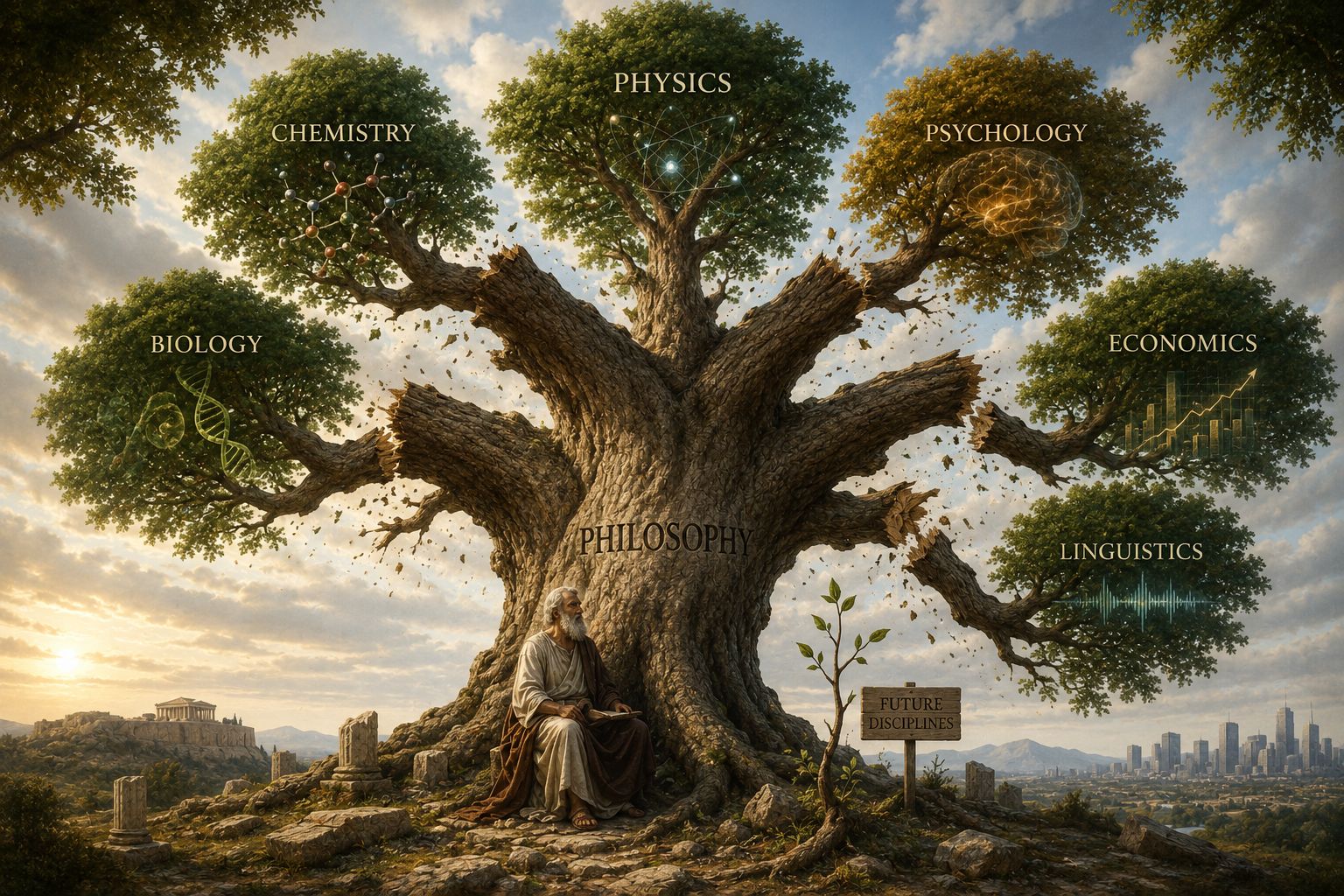
Is philosophy merely waiting to become science?
There is another explanation for why philosophy still exists. It is one of the most controversial ideas in the philosophy of science. According to this view, philosophy has not failed because it cannot answer questions. Rather, it continuously transforms into science whenever reliable methods become available. In other words, philosophy is not a permanent discipline.…