Edward Snowden did not leak gossip.
He did not leak interpretation.
He leaked systems.
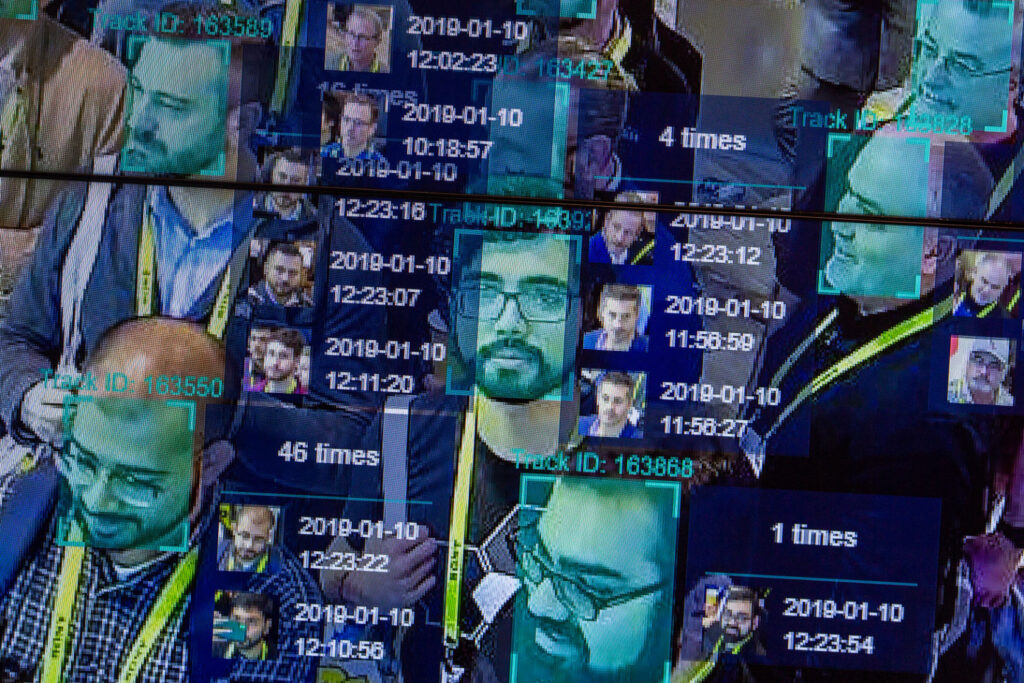
More precisely, Edward Snowden delivered hard proof that modern societies operate under permanent, industrial-scale surveillance (and AI eliminates the need to search for a needle in a haystack). Until then, many suspected it. Afterward, nobody could deny it.
At the same time, the personal risk reached a level that most commentators still underestimate. Had Snowden been exposed earlier, before public disclosure, the likely outcome would not have involved courts or public debate. Black sites existed. Extraordinary rendition existed. Death was a realistic possibility. Therefore, this was not theatrical dissent. It was existential defiance.
Yet despite the magnitude of the act, the aftermath tells a darker story. Snowden shook the system. Society barely moved.
What Snowden actually revealed, step by step
First, Snowden revealed scale.
Not selective spying.
Not rare abuse.
Total collection.
Second, he exposed method.
Metadata harvesting.
Content interception.
Allies treated as targets.
Citizens treated as suspects.
Most importantly, he provided evidence.
Internal documents.
Operational slides.
System architecture.
Because of this, doubt evaporated. Surveillance stopped being an accusation. It became infrastructure. At that moment, the debate should have shifted from “Is this happening?” to “Why do we tolerate it?” That shift never fully occurred.
Awareness without transformation
Snowden repeatedly stated his goal. He wanted to inform people. He wanted them to decide whether such a system deserved consent.
On paper, awareness happened. Media covered the leaks. Politicians expressed concern. Social networks erupted briefly.
However, transformation never followed. Outrage burned fast. Comfort returned faster. Consequently, knowledge settled into background noise. People adjusted their behavior slightly, then resumed normal life.
Awareness without cost proved insufficient. Information alone did not generate resistance.
When Orwell stopped being pessimistic enough
At this point, comparison becomes unavoidable. George Orwell imagined surveillance as visible oppression. Reality chose a different route.
No boots on staircases, no loudspeakers barking slogans, no posters demanding obedience.
Instead, servers hummed quietly. Databases expanded patiently. Memory replaced force. The system no longer needs intimidation. It relies on storage.
Big Brother does not threaten anymore. He remembers. That difference matters more than Orwell imagined.
Lawmakers talking loudly while doing nothing
After the revelations, politics entered performance mode. Hearings followed. Statements multiplied. Committees asked theatrical questions.
Yet outcomes never arrived. Surveillance frameworks survived intact. Reforms remained cosmetic. Oversight remained toothless.
Crucially, ideology did not matter. Left-wing rhetoric failed to dismantle surveillance. Right-wing rhetoric defended it openly. In practice, continuity ruled. Power protected itself regardless of party.
The spectacle consumed attention. Structural change never appeared.
How lobbying neutralized reform every single time
To understand failure, one must follow incentives. Security contractors framed surveillance as safety. Data brokers framed it as efficiency. Technology giants framed it as inevitability.
As a result, reform died slowly. Not through dramatic votes. Through endless delay. Complexity became a weapon. Secrecy became insulation. Revolving doors became policy pipelines.
Public offices turned into private rewards. Regulation turned into negotiation. Democracy stalled. Capital advanced again.
Surveillance as a class-selective weapon
Here the comforting myth must collapse. Surveillance is not universal. It is selective.
Ordinary people generate records. Lower classes accumulate digital risk. Middle classes provide endless compromising material through daily life, mistakes, and oversharing.
Meanwhile, super-rich bankers and old wealthy families remain omitted. Their communications stay shielded, their archives remain private. Their exposure risk stays minimal.
Therefore, surveillance flows downward. Never upward. Equality ends precisely where power begins.
Why the super-rich must remain omitted
This omission is not accidental. It is functional.
Power does not collect leverage on itself. Banks avoid archives. Dynasties avoid databases. Political donors avoid permanent memory.
Consequently, blackmail logic targets peasants, not elites. Control requires asymmetry. Symmetry would destabilize the entire system.
Surveillance does not exist to catch the powerful. It exists to manage everyone else.
Did Snowden keep something back on purpose?
At this stage, an uncomfortable question emerges. Did Snowden release everything?
Fear alone does not explain restraint. Strategy does. Timing matters. Information ages. Shock value decays.
Perhaps a reserve exists. Maybe one last disclosure waits for a moment when attention can no longer be ignored. Possibly silence itself serves as leverage.
The absence feels deliberate. The possibility remains unresolved.
A generation growing up inside permanent memory
Now the focus shifts forward. Teenagers overshare constantly. Platforms reward visibility. Algorithms encourage exposure.
However, nothing disappears. Nothing resets. Nothing forgets. Childhood no longer fades. Adolescence no longer dissolves into anonymity.
Big Brother does not rush. He waits.
When silly adolescence becomes adult leverage
What looks harmless at thirteen does not remain harmless at thirty. Archives grow teeth over time.
Jobs require vetting. Visas demand scrutiny. Clearances demand obedience. Pressure points emerge quietly.
Years later, the archive speaks. Silently. Precisely. Permanently.
Why society chose passivity instead of resistance
At the deepest level, psychology explains failure. Surveillance feels abstract. Comfort feels immediate.
People delegate responsibility upward. Institutions absorb blame. Individuals remain inactive.
Because surveillance rarely punishes instantly, it feels unreal. Freedom erodes without drama. Resistance never crystallizes.
Heroism without a public
In the end, the verdict remains harsh.
Edward Snowden acted fully. Institutions closed ranks immediately. Society adapted smoothly.
The true tragedy is not exile. It is acceptance.
History will not ask whether we were warned. It will ask why we stayed quiet.
Leave a Reply