Tag: super-rich interest groups
-
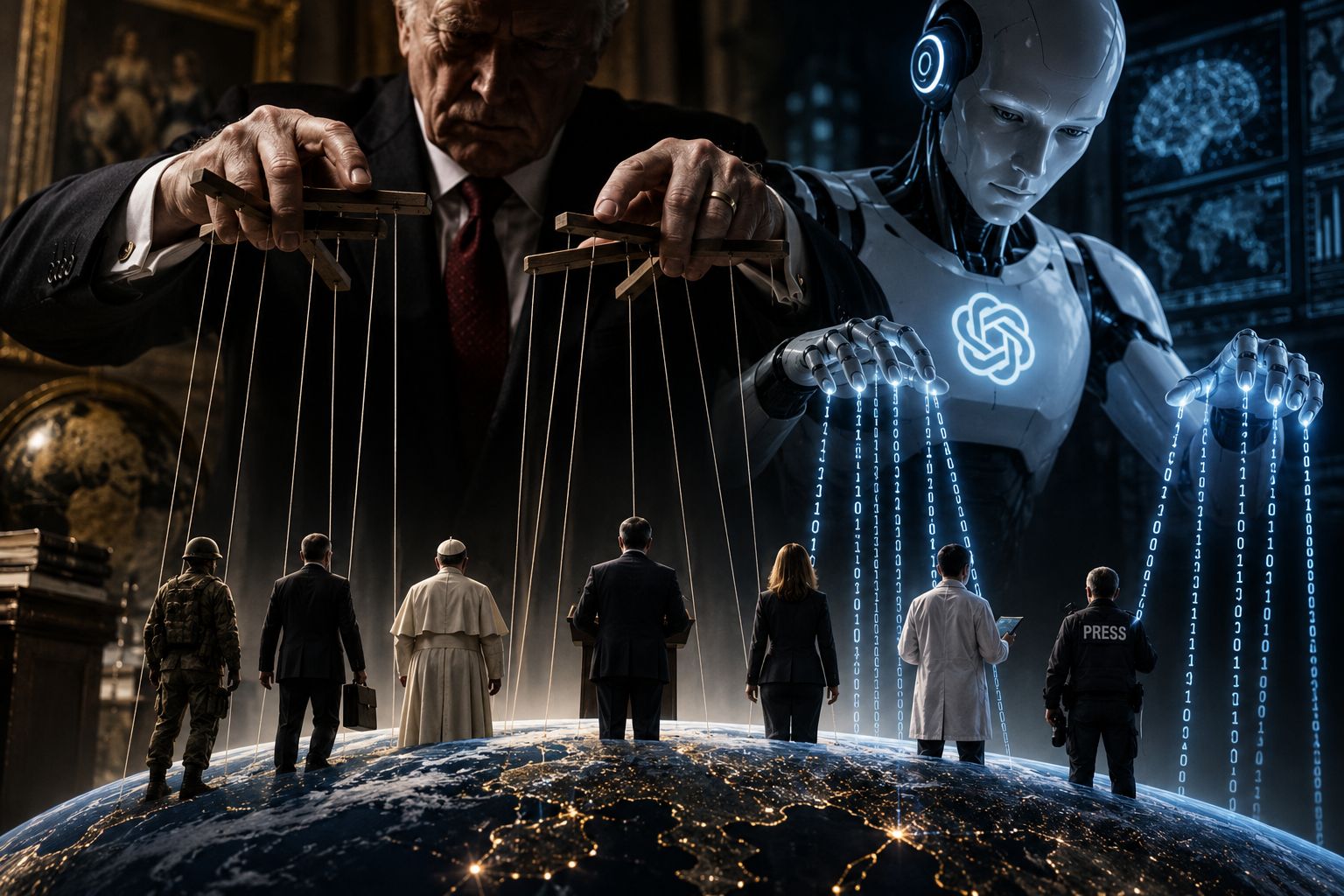
Conspiracy AI: Pinpoint the evidence for the puppet masters
Let us be precise from the start. There is no secret cabal of one ethnicity, one bloodline, or one club that runs everything. That formulation is a strawman, and it is deliberately kept alive because it is easy to debunk. Once you debunk the cartoon version, the rhetorical move is to declare the entire subject…
-
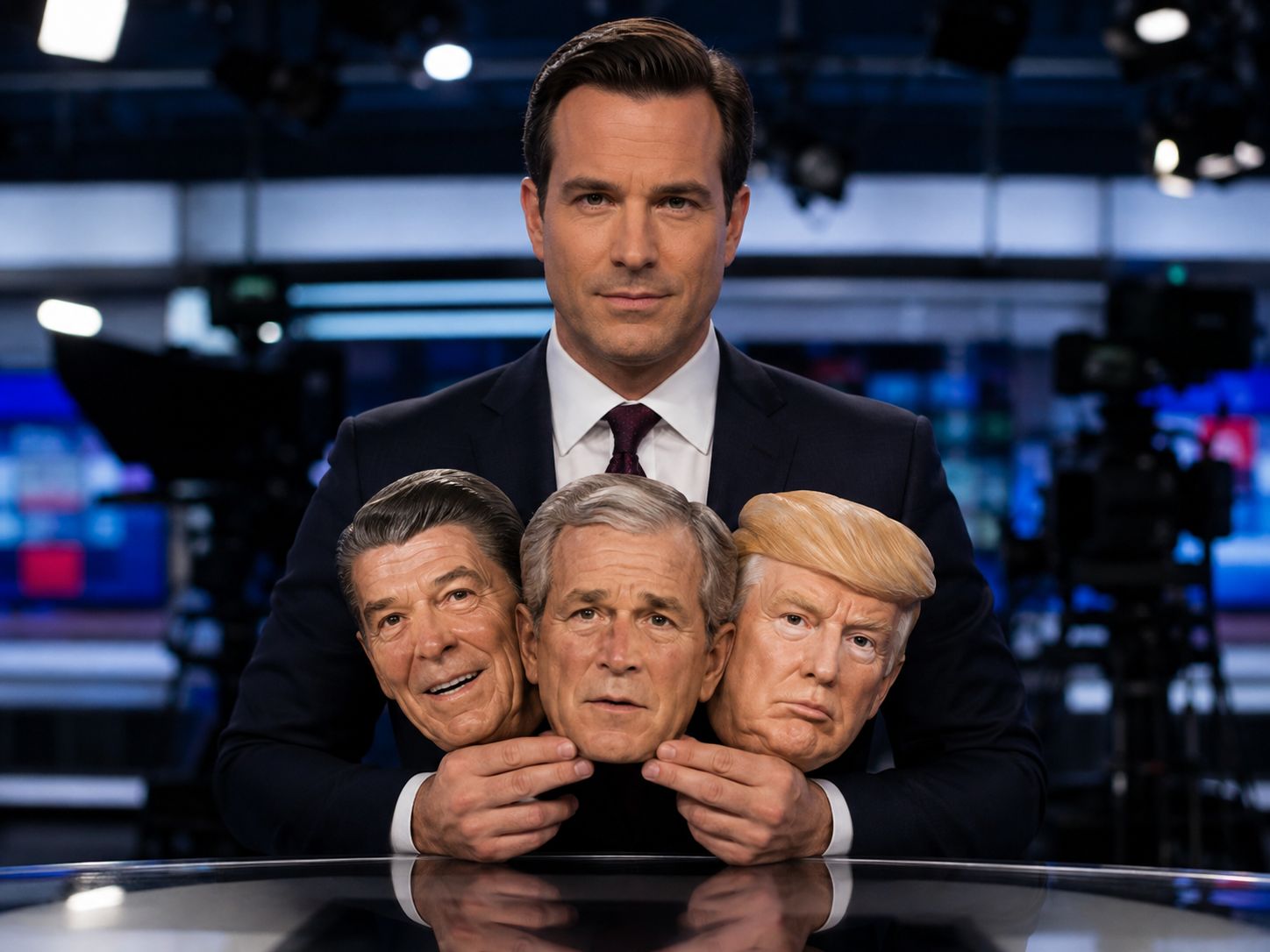
American political commentators: Useful idiots of the establishment
They are idiots, but make no mistake—they are extremely well paid idiots, and their fat paychecks should never be confused with intellectual honesty or moral courage. They speak with the swagger of prophets, yet their principles are nothing more than rental properties, leased out to the highest bidder on any given news cycle. Imagine, for…
-
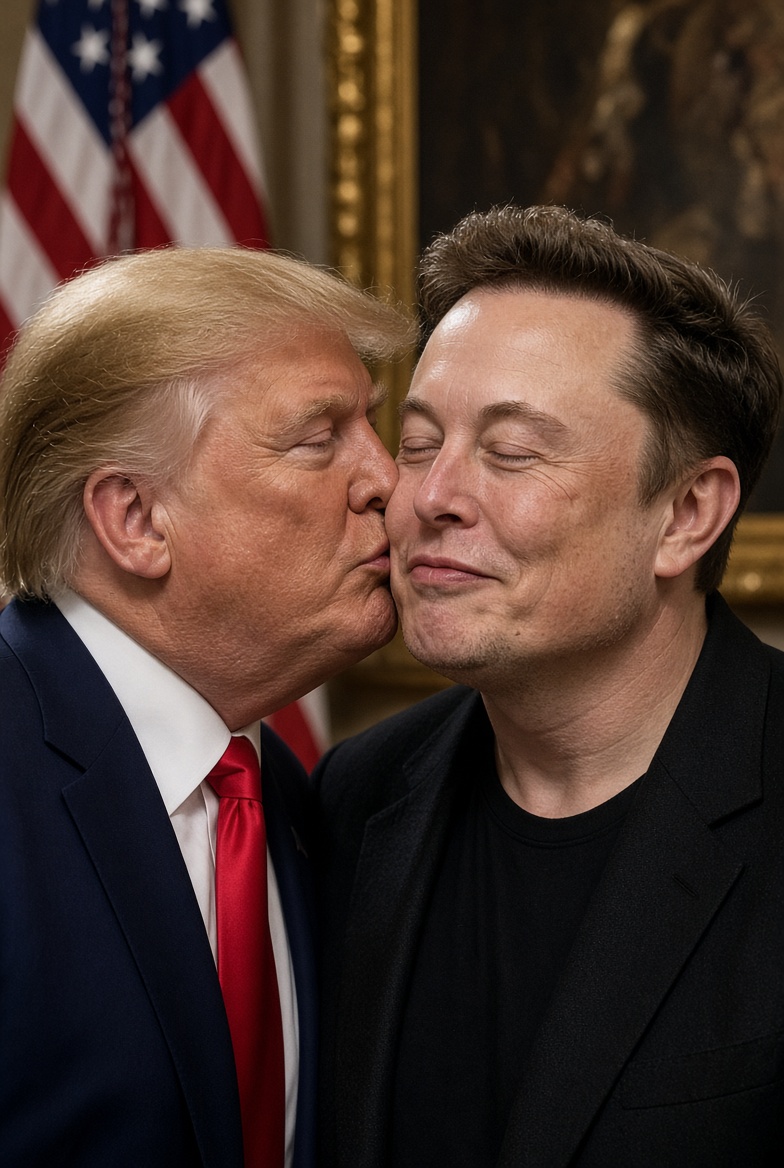
Are Trump and Musk the best friends again?
A year ago, Donald Trump and Elon Musk appeared to have transformed one of the strangest alliances in American politics into one of its most spectacular feuds. Musk attacked Trump’s spending plans, floated the creation of a new political party and even dragged the Epstein files into their increasingly personal dispute. Trump responded in characteristic…
-
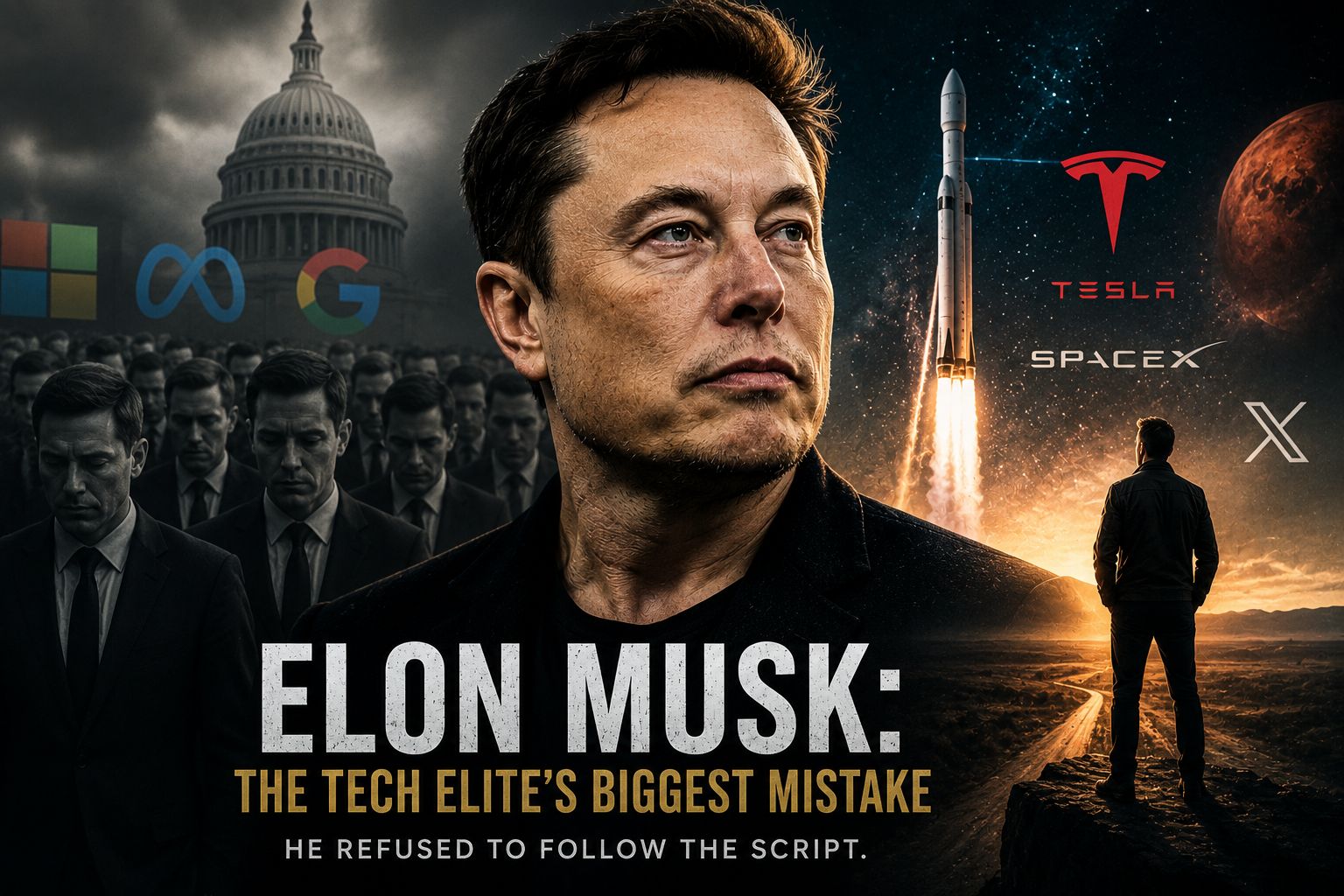
Elon Musk: The tech elite’s biggest mistake
What exactly connects Bill Gates, Mark Zuckerberg, and Larry Page? On the surface, the answer appears obvious and even flattering. All three possess extremely high IQs that place them in the rarefied air of genuine intellectual outliers; all three demonstrate a fiercely business-minded attitude that has allowed them to build global empires from nothing more…
-

The media like the establishment: Another Watergate impossible?
When the Watergate scandal forced President Richard Nixon to resign in 1974, it became the defining moment of modern investigative journalism. The work of Bob Woodward and Carl Bernstein showed that determined reporters could uncover wrongdoing at the very highest levels of government. Their investigation demonstrated that no one, not even the President of the…
-
Antisemitism among politicians in the 21st century
Antisemitism is one of the oldest forms of prejudice in human history, yet it remains remarkably adaptable. Although the Holocaust fundamentally changed how openly antisemitic views are expressed in democratic societies, hostility toward Jews has not disappeared. Instead, it has evolved. Politicians rarely repeat the language of Nazi Germany directly. More often, antisemitic narratives appear…
-

Cruel bank robbery vs. financial crimes
When masked robbers storm into a bank with weapons, the event dominates headlines for days. Television stations replay security footage, newspapers print dramatic photographs, and politicians promise tougher penalties. Victims often describe the experience as one of the most traumatic moments of their lives. Being threatened with violence, believing you may die, or watching someone…
-
A circus came to the US. After years, the show was over
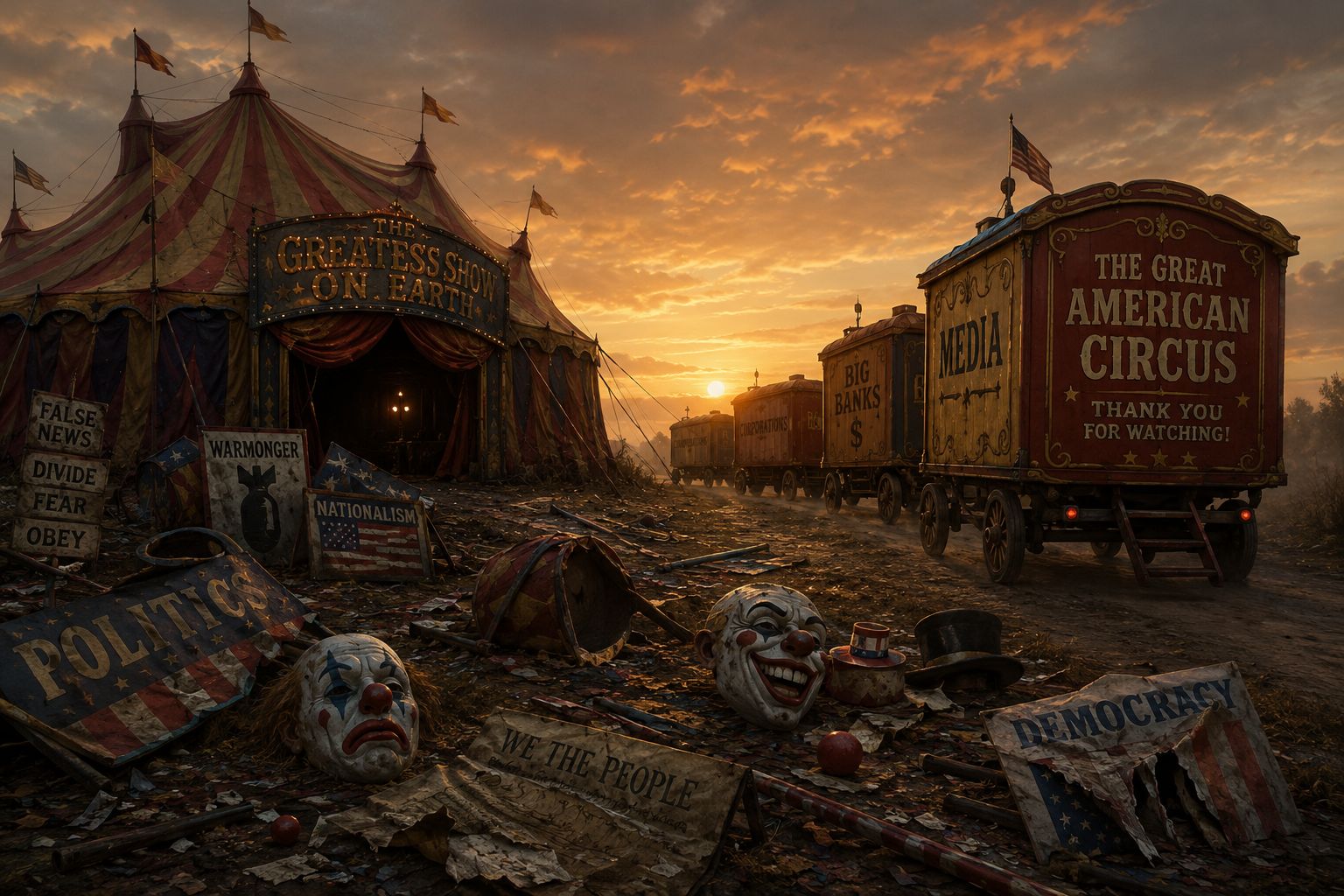
Once upon a time, there was a country called the United States. Long ago, its politics appeared ordinary. Presidents were often highly educated, institutions generally functioned, and although democracy was far from perfect, many people believed it still worked well enough. As the years passed, however, something changed. Invisible strings slowly spread across the kingdom.…
-
Why Democrats and Republicans abandon ideology
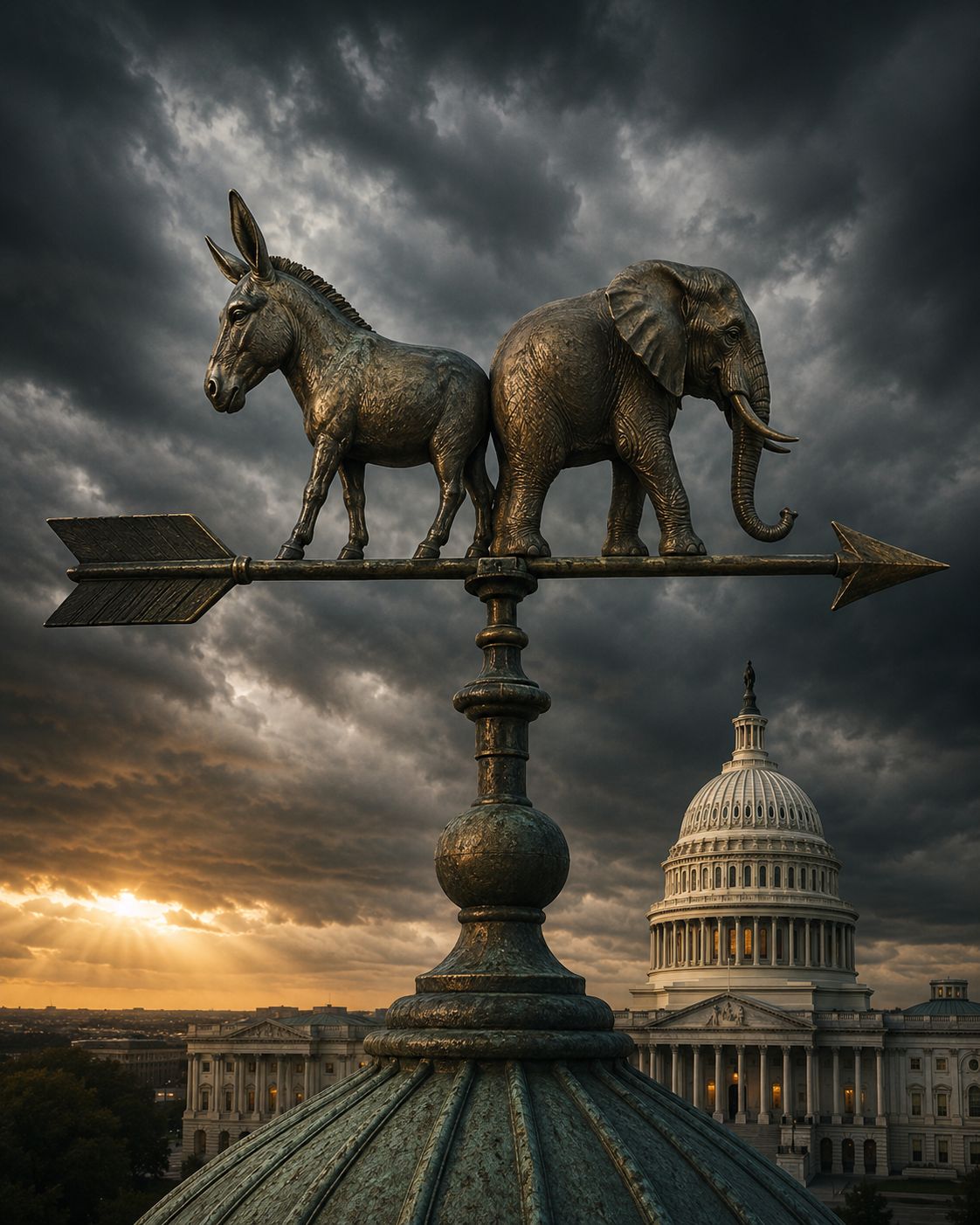
Politics is supposed to be driven by ideas. Conservatives should defend conservative principles. Progressives should defend progressive ones. Parties should disagree because they genuinely see the world differently. Voters should know what they are supporting. That is the democratic ideal. Reality looks very different. Modern American politics increasingly resembles a contest of personalities, donors, and…
-
The forces that created Donald Trump
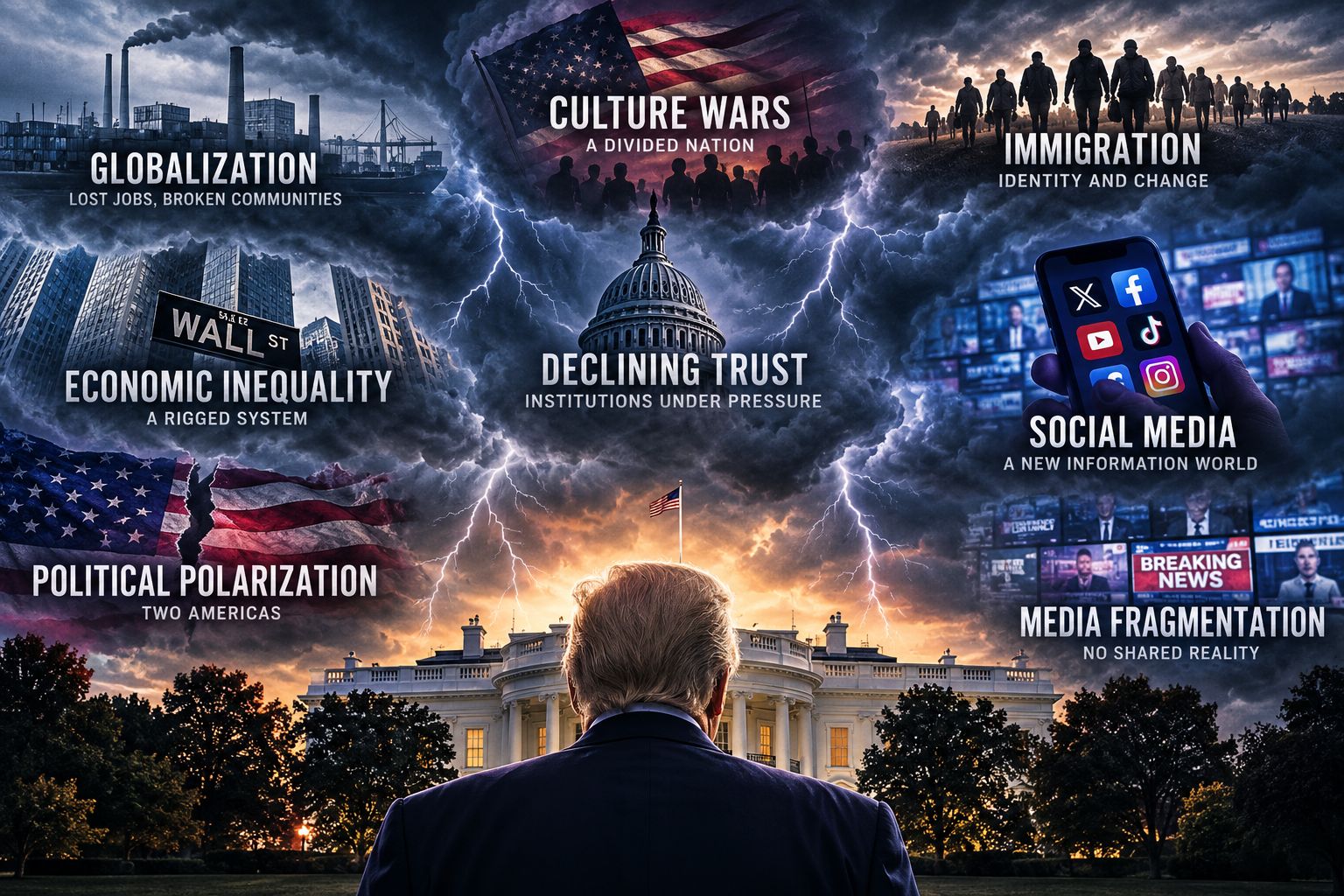
Donald Trump is one of the most polarizing political figures of the twenty-first century. To his supporters, he is the man who challenged a corrupt establishment, defended national interests, and gave a voice to ordinary Americans. To his critics, he represents populism, division, and an assault on democratic norms. Both camps often make the same…