Ideas, opinions, politics, humanities
-
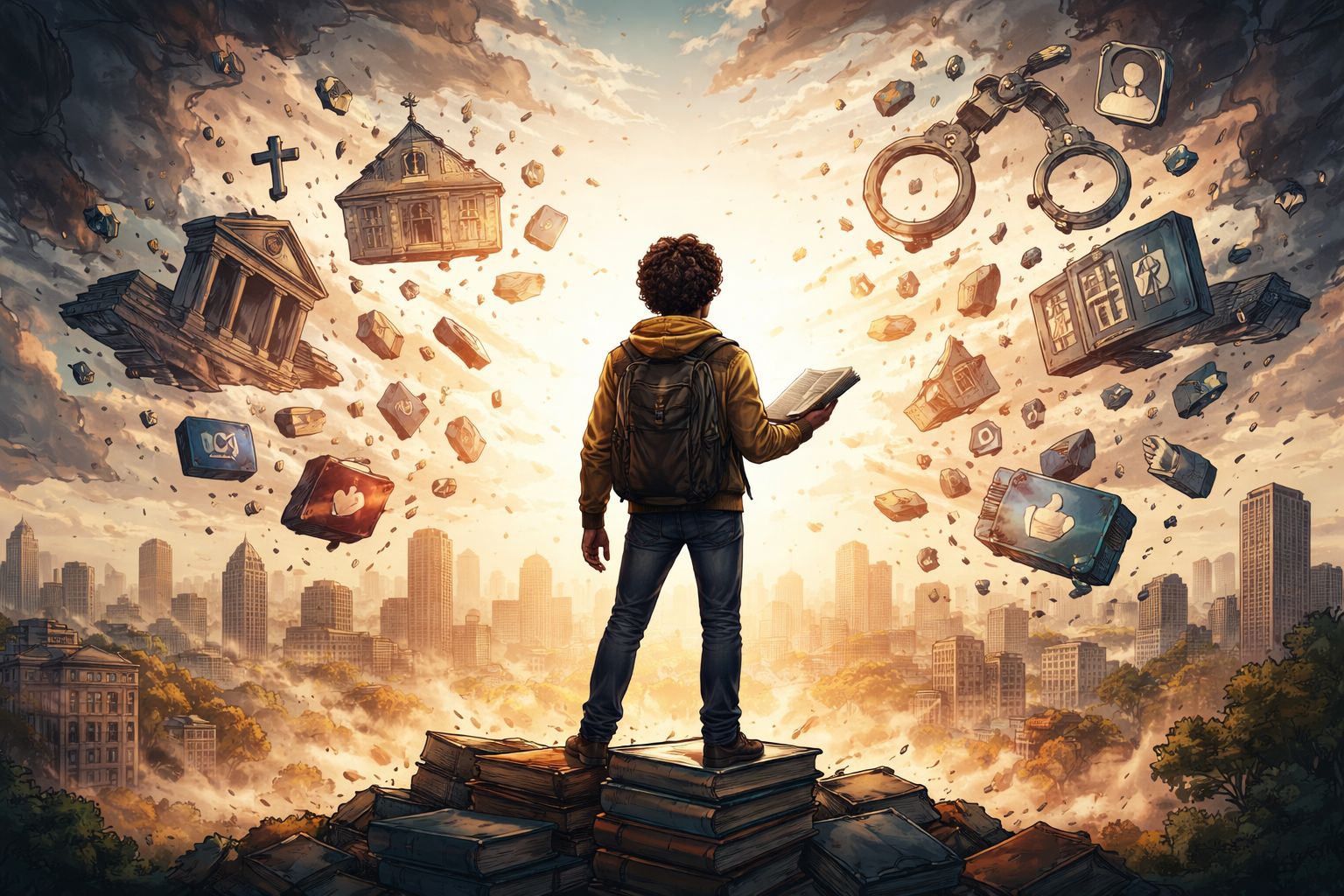
How freethinking challenges social norms
Every enduring society depends on shared assumptions. Yet every enduring society also evolves because someone eventually questions those assumptions. Throughout history, progress has rarely begun with consensus. Instead, it has begun with discomfort — with an individual or group asking whether accepted norms truly deserve their authority. Freethinking represents that disciplined willingness to question. It…
-
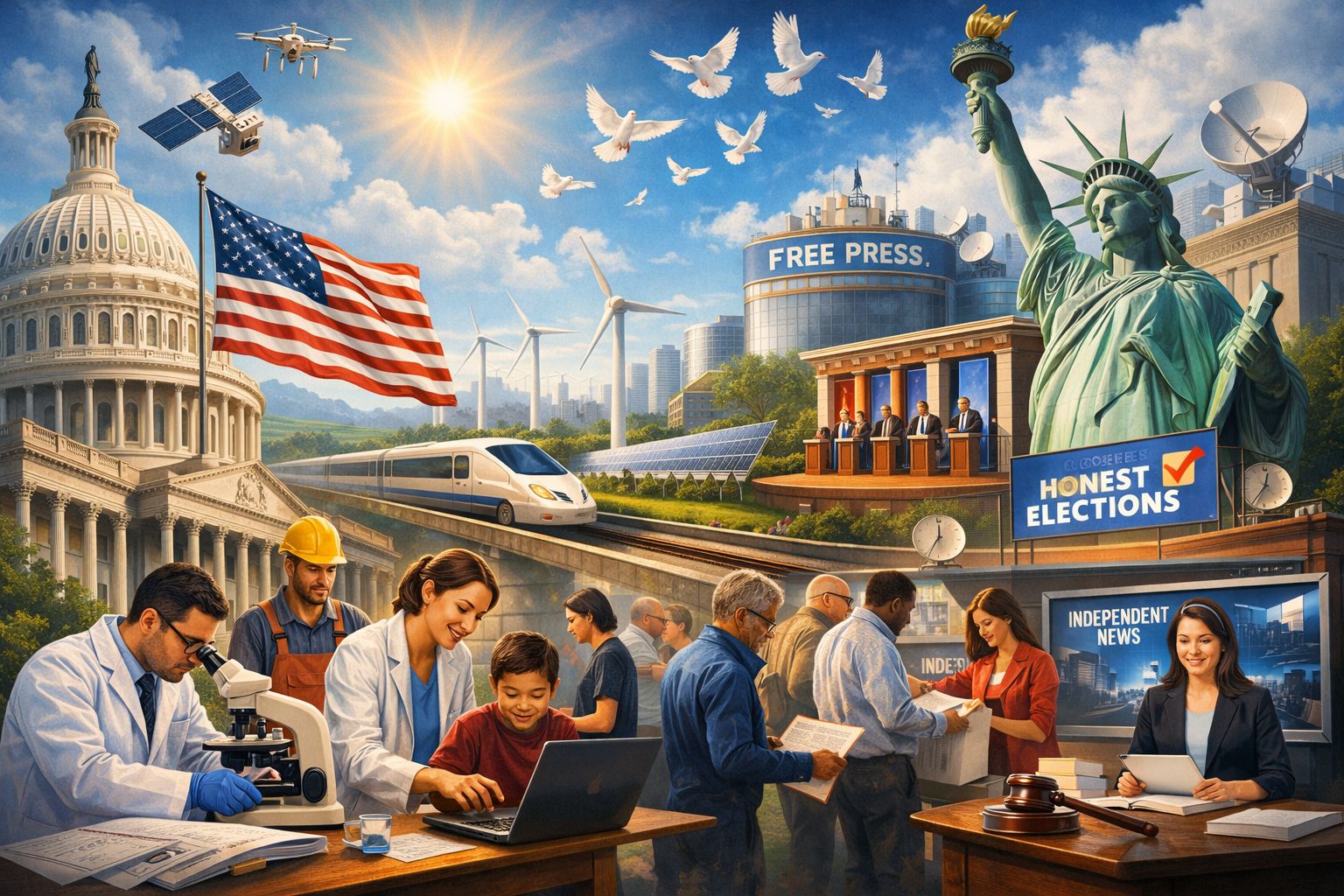
How would America look without clientelism?
What would happen if the United States severed the quiet exchanges that bind power to privilege? What would change if no surname carried automatic influence, no bank drafted its own regulation, no lobbyist shaped legislation behind closed doors, and no media outlet depended on patronage networks to survive? To answer that, we must first clarify…
-
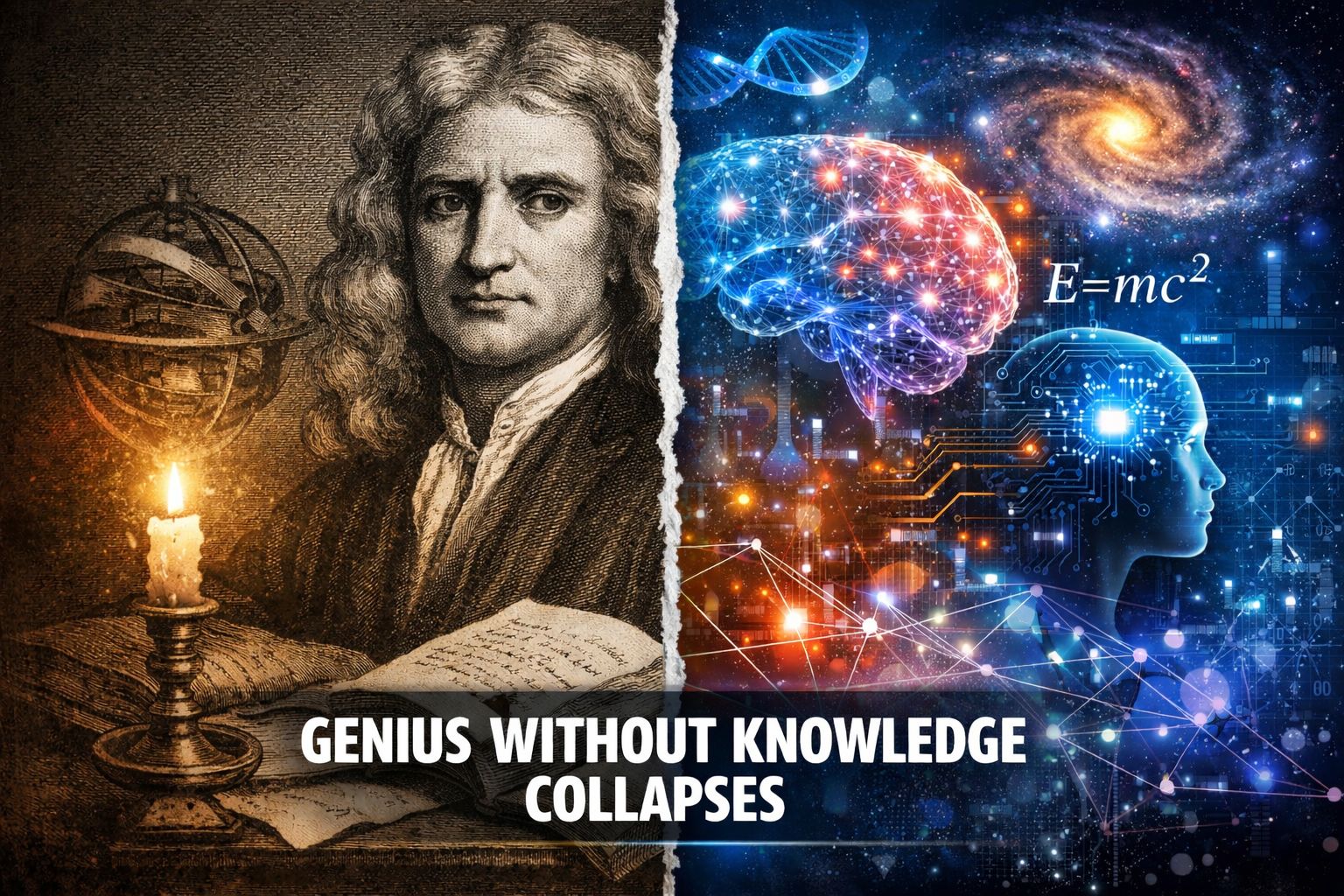
Newton had an IQ of 187, yet would be an atheist in our age
Isaac Newton was an extraordinary historical figure, but historical greatness does not translate automatically into modern intellectual competence. His brilliance existed inside a world with radically limited knowledge, minimal scientific infrastructure, and almost no cumulative correction mechanisms. The modern world is not just more informed; it is structurally different. Intelligence today operates inside dense networks…
-

IQ business – our tests, our Mensa, our talents
IQ testing did not emerge from neutral scientific curiosity but from administrative necessity. States needed ways to sort populations, armies needed mechanisms to select recruits, schools needed ranking systems, and industrial economies needed predictable human inputs. The tests were deployed before a coherent theory of intelligence existed, which means practice shaped theory rather than theory…
-

Human rights violations in the name of religion: Third part
Human rights frameworks protect freedom of religion while simultaneously prohibiting discrimination, violence, and coercion. This dual protection creates a paradox. Religion enjoys legal shielding as belief, yet often operates as a source of harm when belief transforms into authority. The contradiction does not sit at the margins of human rights law. It sits at its…
-

Human rights violations in the name of religion: Second part
Human rights are built on the idea that every human being possesses inherent dignity regardless of belief, origin, sex, or identity. Religion, by contrast, often claims access to absolute truth derived from divine authority. When these two frameworks collide, religion frequently overrides human dignity rather than adapting to it. This conflict explains why some of…
-
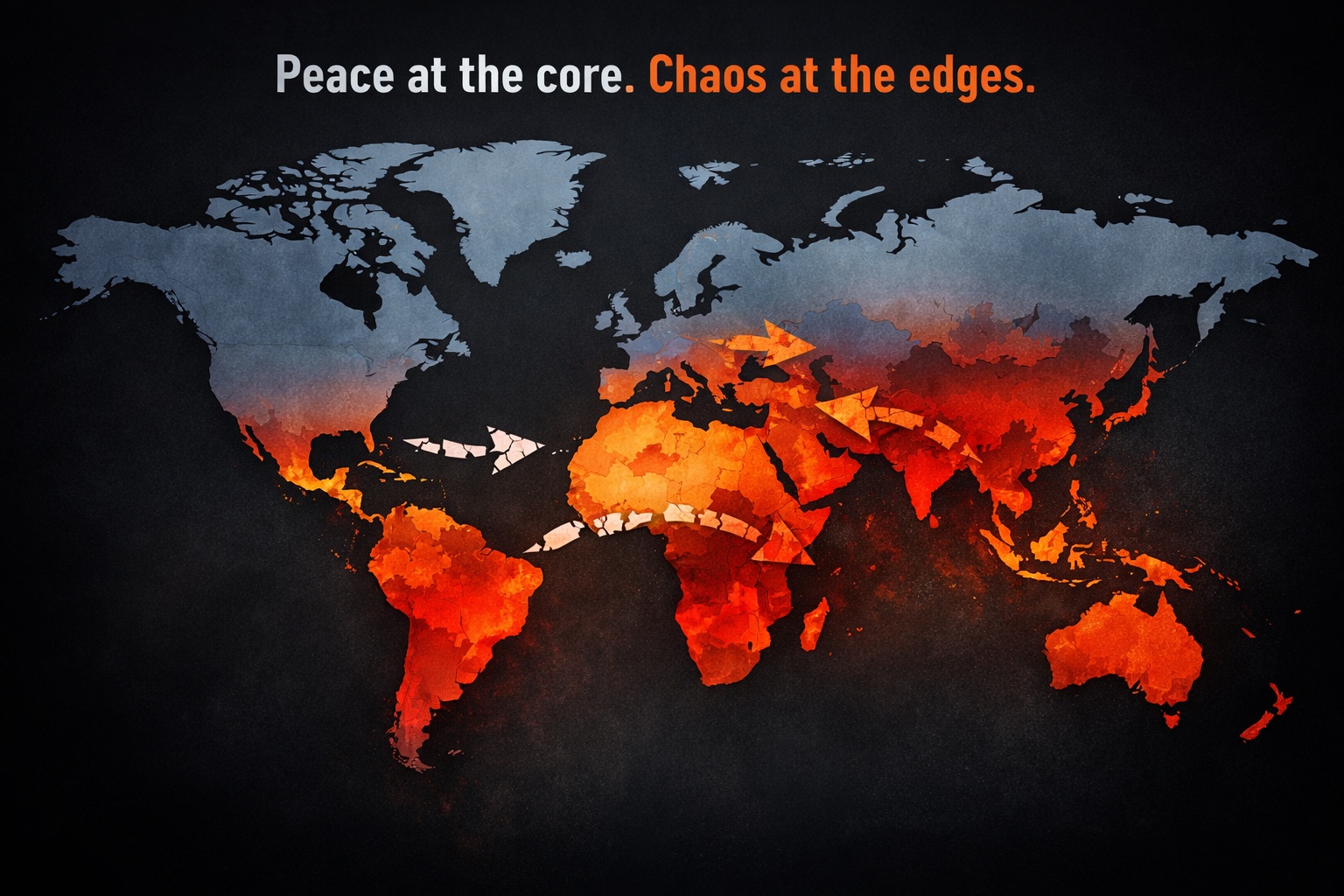
Will a New Monroe Doctrine bring peace?
The international system is entering a phase of open instability. Power no longer concentrates in one center, nor does it move predictably through established institutions. Instead, it fragments across regions, alliances, and competing economic blocs. The West still possesses enormous military, financial, and technological advantages, yet its ability to shape outcomes has clearly diminished. At…
-

Atheists talking to believers who are certain Christ existed
This conversation rarely starts as a historical discussion. Instead, it almost always begins as a defense of identity, which is why it collapses so quickly. On social media especially, belief in Jesus no longer functions as a claim about the past. Rather, it works as a moral badge, a sign of belonging, and a psychological…
-

Should Japan change its way and get militarized?
At first glance, the question sounds radical. Japan symbolizes pacifism, restraint, and postwar humility. However, this image hides a deeper historical and structural reality. Japan did not begin the twentieth century as a passive or backward country. On the contrary, it entered the Second World War as a fully modern, industrialized military power, fundamentally different…
-

Where the next Richard Dawkins will come from?
Public culture prefers comforting myths. It likes to believe that influential intellectuals emerge spontaneously, driven only by talent and courage, and that truth alone forces society to listen. However, once one examines how visibility, legitimacy, and authority actually form, that story collapses. Intellectual prominence does not emerge naturally. Institutions produce it. Consequently, the next Richard…