Tag: atheism
-
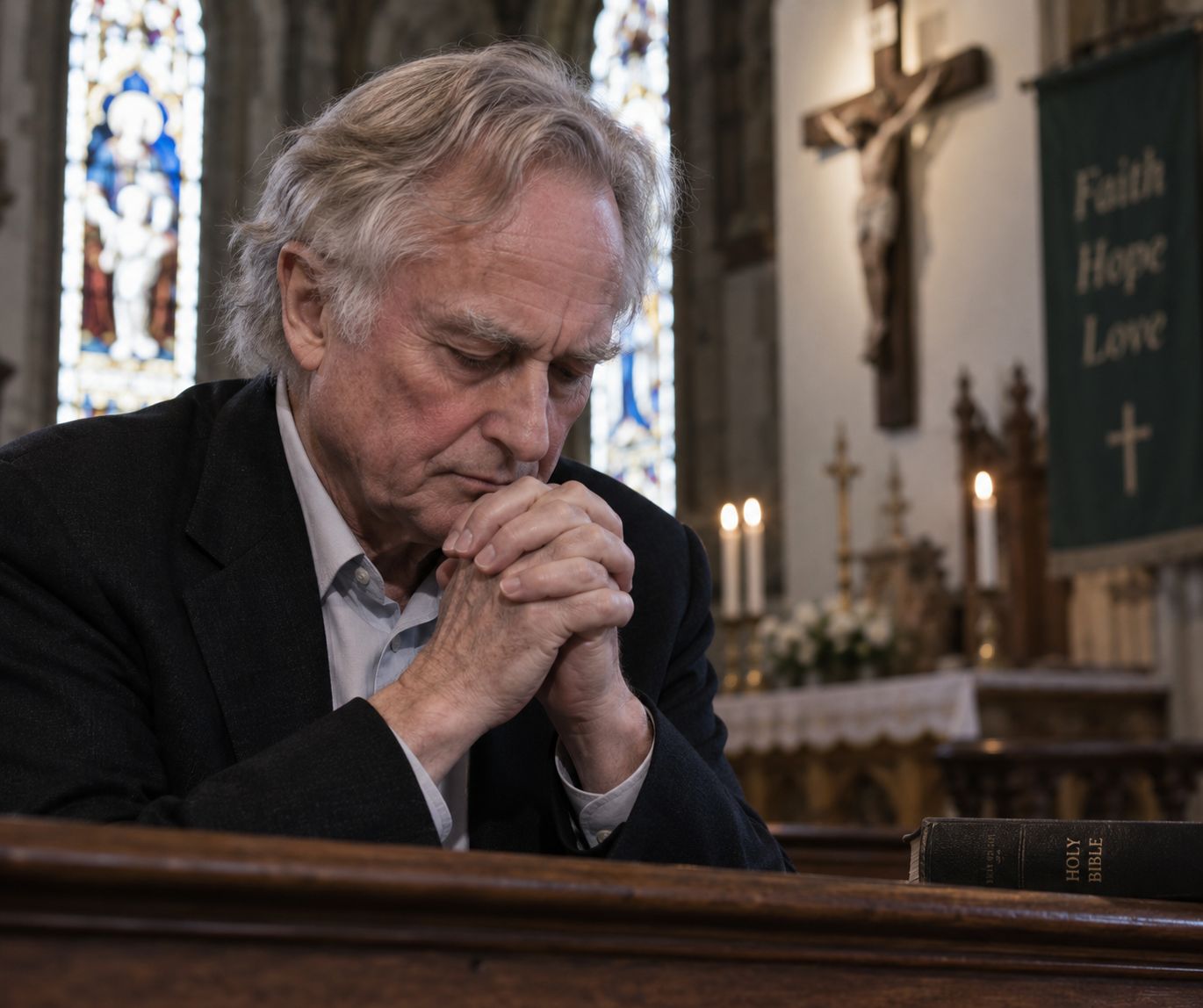
What if Richard Dawkins really makes a deathbed conversion?
Richard Dawkins has spent much of his life arguing that there is almost certainly no God. Yet if one day the news announces that the famous evolutionary biologist accepted Christianity on his deathbed, believers around the world may celebrate one of the greatest conversions imaginable. But would it actually mean anything? The question is more…
-

Can AI make people atheists?
Artificial intelligence was not invented to turn believers into atheists. Chatbots do not normally begin conversations by telling Christians, Muslims, Jews, Hindus, or anyone else to abandon their religion. Most mainstream AI systems are actually designed to avoid unnecessarily pushing users toward political, philosophical, or religious positions. Yet AI may still have an unexpected effect…
-

Where did belief in God decline? And the sad news: The 21st century will still be a century of religion
For anyone expecting religion simply to disappear as education, science and technology advance, the first decades of the 21st century offer a frustrating answer. In large parts of the developed world, secularization is real. Christianity has lost millions of adherents. More people openly identify as atheists, agnostics or religiously unaffiliated. In some countries, the transformation…
-

God loves you and has a list of conditions
God loves you. This is probably one of the most comforting sentences Christianity has ever produced. The creator of hundreds of billions of galaxies knows that you exist. He knows your fears, your hopes, your failures and presumably where you left your keys. More importantly, he loves you with a depth that no human being…
-

Quine did not disprove God. He questioned the question itself
Most debates about God begin with evidence. Believers point to miracles, religious experience, or the apparent fine-tuning of the universe. Atheists respond with evolution, cosmology, and the problem of evil. Both sides assume one thing. The debate concerns a meaningful question. The American philosopher Willard Van Orman Quine challenged that assumption. Quine did not spend…
-

Navigating freethought and atheism in religious families
Freethought and atheism rarely emerge in isolation. Instead, they develop inside environments shaped by tradition, authority, and inherited belief. Therefore, the conflict does not begin as a philosophical disagreement. It begins as a social rupture. You do not merely question ideas. You challenge identity, hierarchy, and emotional bonds. Consequently, navigating this path requires far more…
-

Atheists talking to believers who are certain Christ existed
This conversation rarely starts as a historical discussion. Instead, it almost always begins as a defense of identity, which is why it collapses so quickly. On social media especially, belief in Jesus no longer functions as a claim about the past. Rather, it works as a moral badge, a sign of belonging, and a psychological…
-

How US atheist education should look like
Atheist education does not mean teaching disbelief as a new dogma. It means teaching how to think. It focuses on methods, not conclusions. Therefore, its purpose is intellectual autonomy, not ideological conversion. The United States represents a paradox. It leads the world in science and technology. Yet it tolerates widespread religious literalism, biblical illiteracy, and…
-
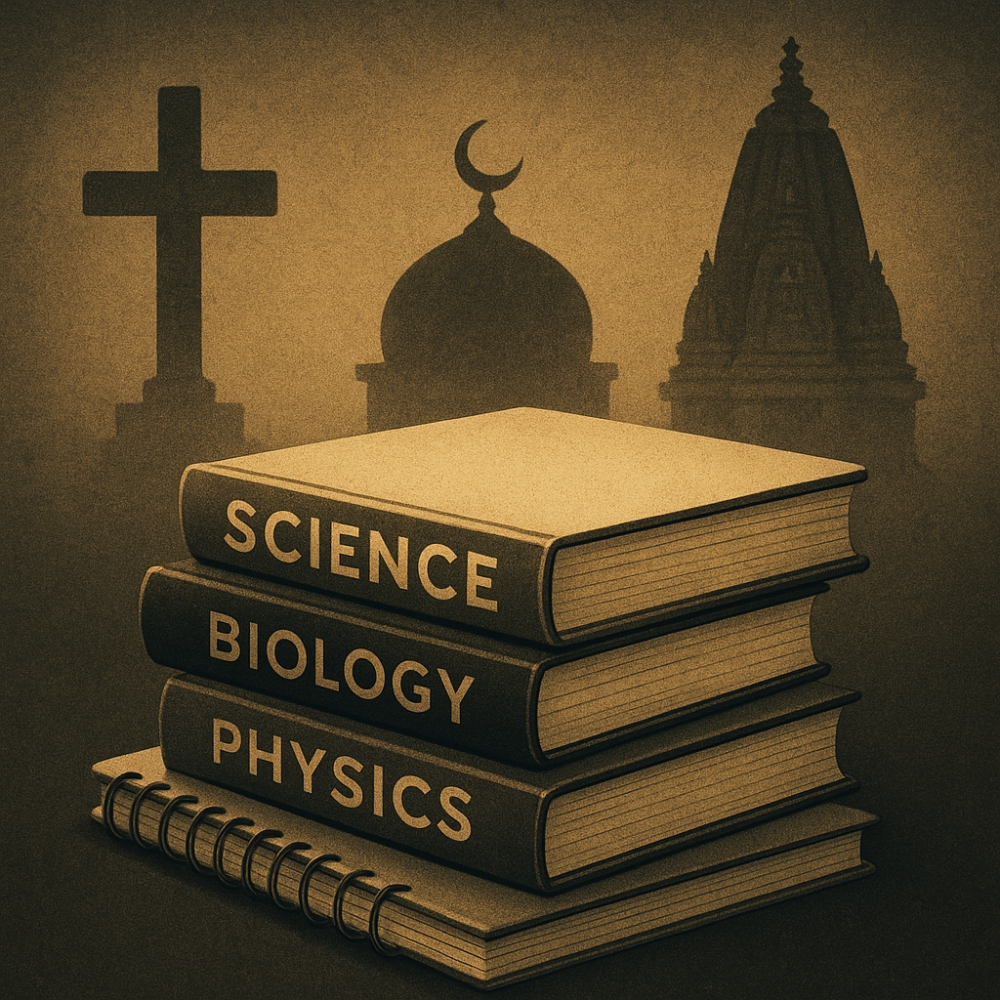
The Global South’s silent secularists: Voices often overlooked
The Global South is not one voice. It is millions. And among them are those who dare to think without divine permission. They are the silent secularists, the ones who live between faith and fear. Their doubt is not rebellion against culture. It is rebellion against control. Religion dominates most developing nations. It fills every…
-
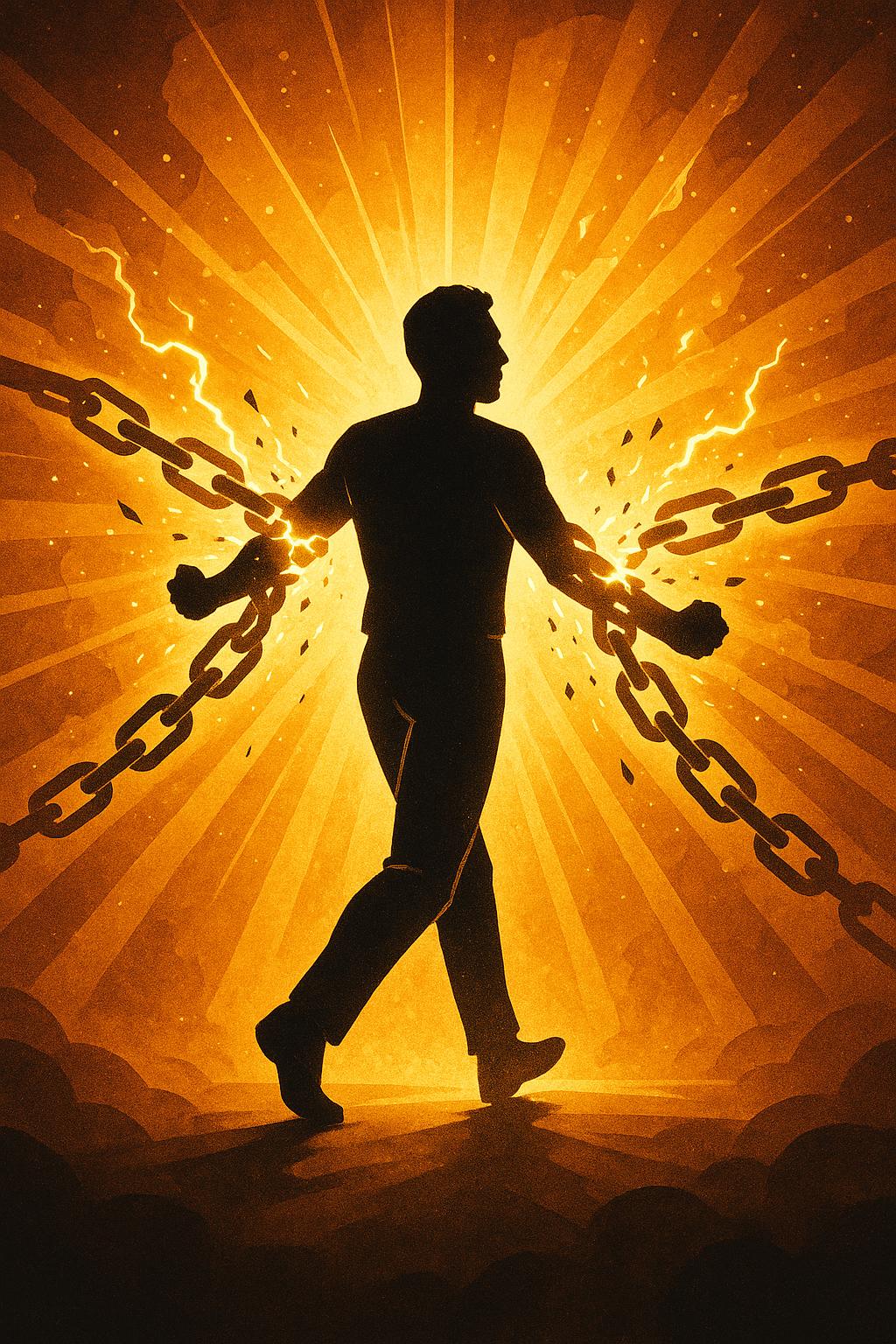
The psychological impact of leaving a religious community
Leaving a religious community is not merely an act of disbelief. It is a psychological, social, and existential transformation. It dismantles everything that once gave meaning to life — the rituals, the people, the identity, and the idea of purpose. To walk away from religion is to face the void directly, without the comfort of…