Tag: evolution
-

Does religion improve morality? From ancient tribes to today
People repeat a simple idea. Religion teaches morality. Therefore, religion makes people better. At first glance, this logic feels natural. Religions contain rules. They define good and evil. They promise punishment and reward. However, once we move beyond intuition and begin to examine history, biology, and empirical data, the simplicity collapses. Morality did not suddenly…
-

Why we are attracted to shocking videos
At first sight, the behavior looks irrational. People say they hate violence, death, and extreme events. They call such content disturbing. Yet they watch it. They click on it. They share it. This contradiction is not random. It reflects deep evolutionary mechanisms that shaped the human mind long before modern media existed. The brain evolved…
-
How humans evolved to believe lies
Humans like to imagine themselves as rational creatures. Science celebrates this idea. Universities reinforce it. Enlightenment philosophy built an entire worldview around the assumption that reason guides human behavior. According to this narrative, humans gradually replaced myth with evidence and superstition with science. However, reality tells a more complicated story. Across cultures and historical periods,…
-
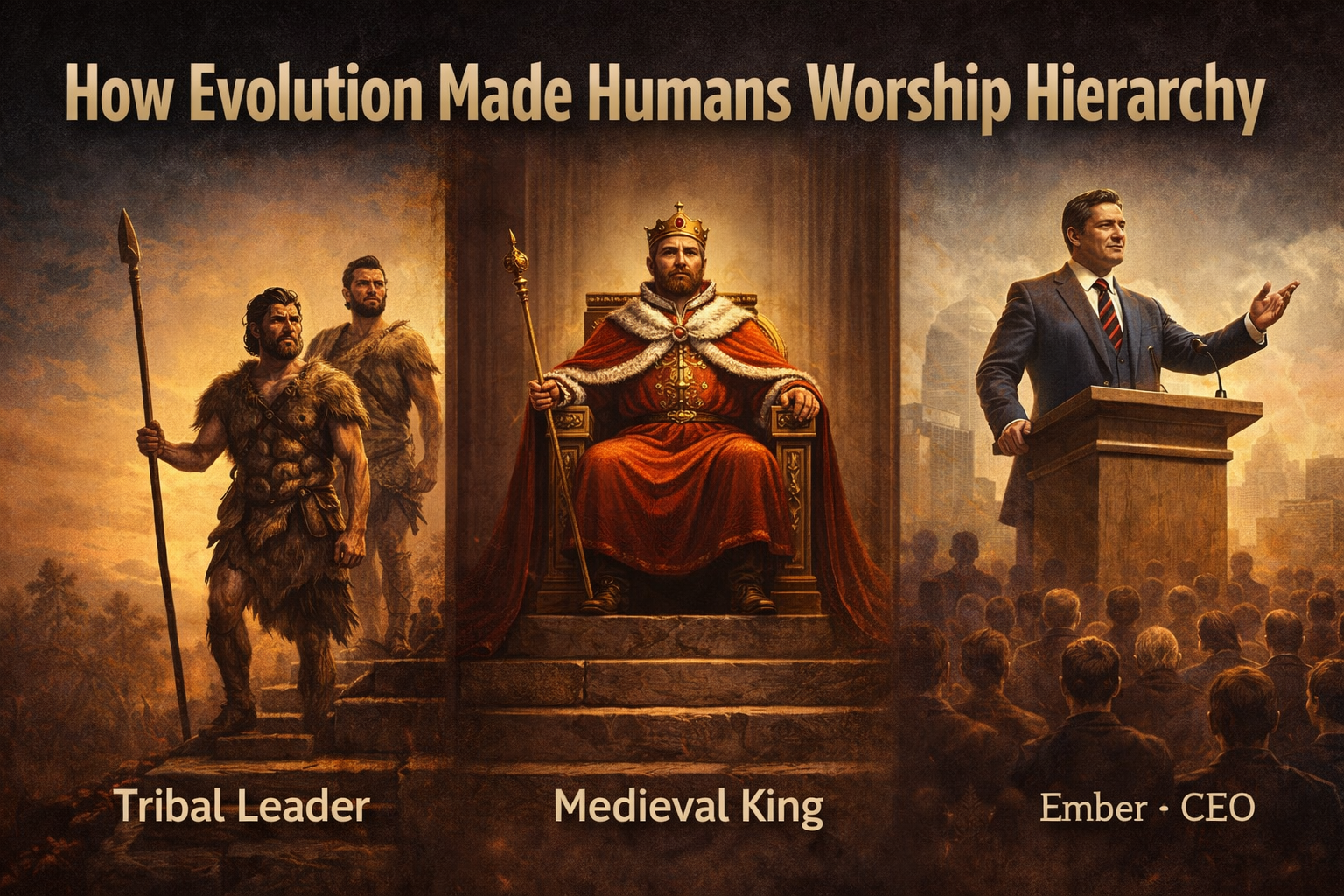
How evolution made humans worship hierarchy
Modern societies loudly celebrate equality. Constitutions promise it. Politicians repeat it in speeches. Schools present it as the moral foundation of civilization. At first glance, the idea appears convincing. Humans supposedly left primitive hierarchies behind and created societies where everyone stands on equal ground. However, reality tells a different story. Everywhere we look, humans create…
-

DiCaprio, Lawrence and why we are just animals
Humans like to believe we are rational, civilized, and fundamentally different from animals. We build cities, universities, and complex political systems. Yet beneath this sophisticated surface, our behavior often follows the same biological logic that governed small prehistoric tribes. Status, prestige, alliances, and mating signals still shape our reactions more than we usually admit. When…
-
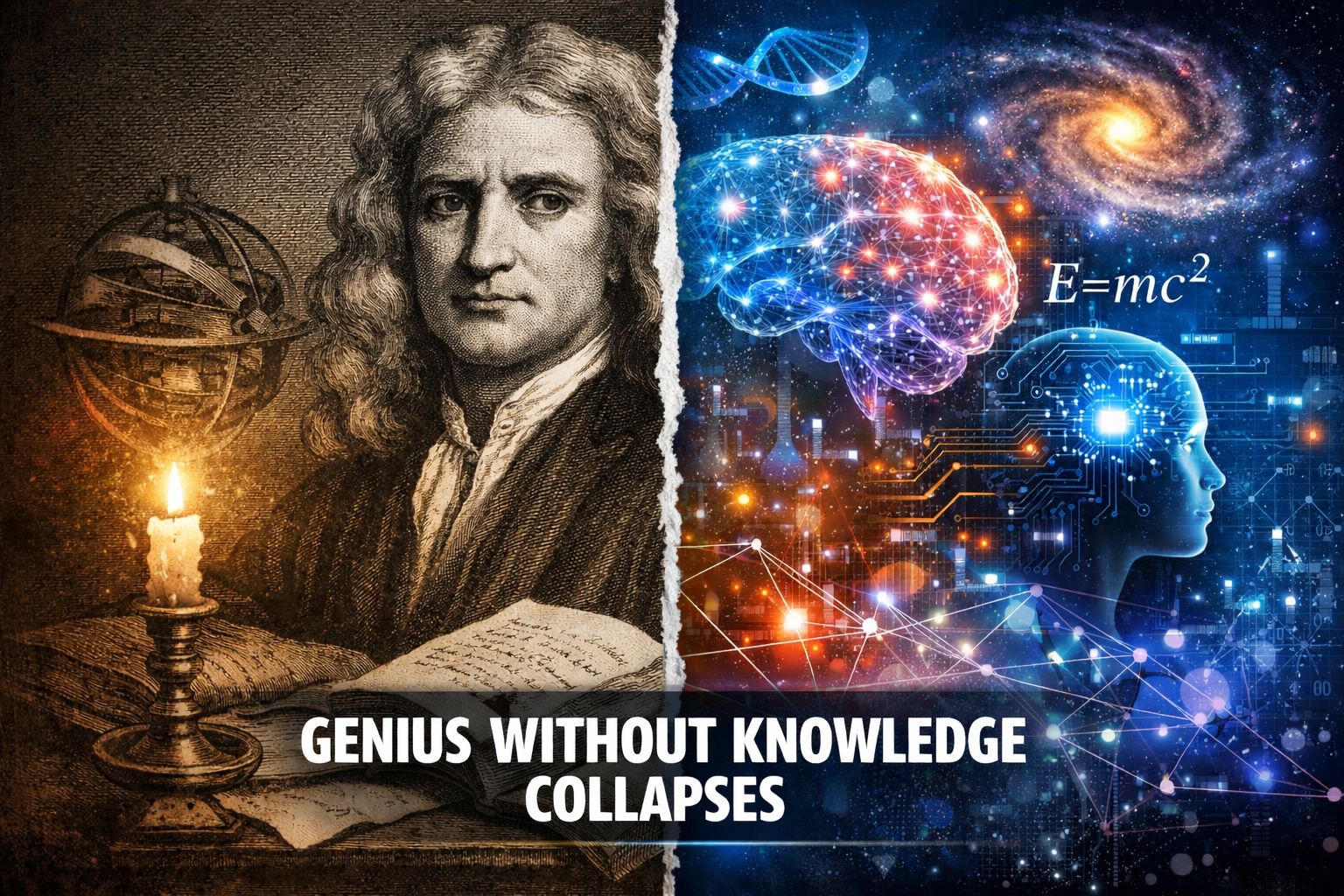
Newton had an IQ of 187, yet would be an atheist in our age
Isaac Newton was an extraordinary historical figure, but historical greatness does not translate automatically into modern intellectual competence. His brilliance existed inside a world with radically limited knowledge, minimal scientific infrastructure, and almost no cumulative correction mechanisms. The modern world is not just more informed; it is structurally different. Intelligence today operates inside dense networks…
-

The feeling of being stupid and knowing better
When I walk through my hometown of Jičín and pass its churches, I do not feel reverence; instead, I observe evidence. I move between the medieval church from the 13th or 14th century and the newer church from the 1600s; together, they form a continuous record of how humans once explained reality. These buildings do…
-

Why humans invent eternity: Different afterlives, one psychology
Human beings fear death more than anything else. The body rejects it. The mind rejects it even more. Every civilization tried to answer this fear with stories of eternity. Some promised paradise. Others threatened torment. Some imagined endless cycles of rebirth. A few rejected immortality entirely. All attempted to give shape to the unknown. Yet…
-
Cognitive-behavioral manual for leaving religion
Leaving religion feels like dismantling a world inside your skull. You tear out a belief system that shaped your fears, your morals, your identity, your family bonds, your daily routines, and your sense of cosmic safety. And you do not simply reject a doctrine. You uproot an entire psychological ecosystem. This manual explains every hidden…
-
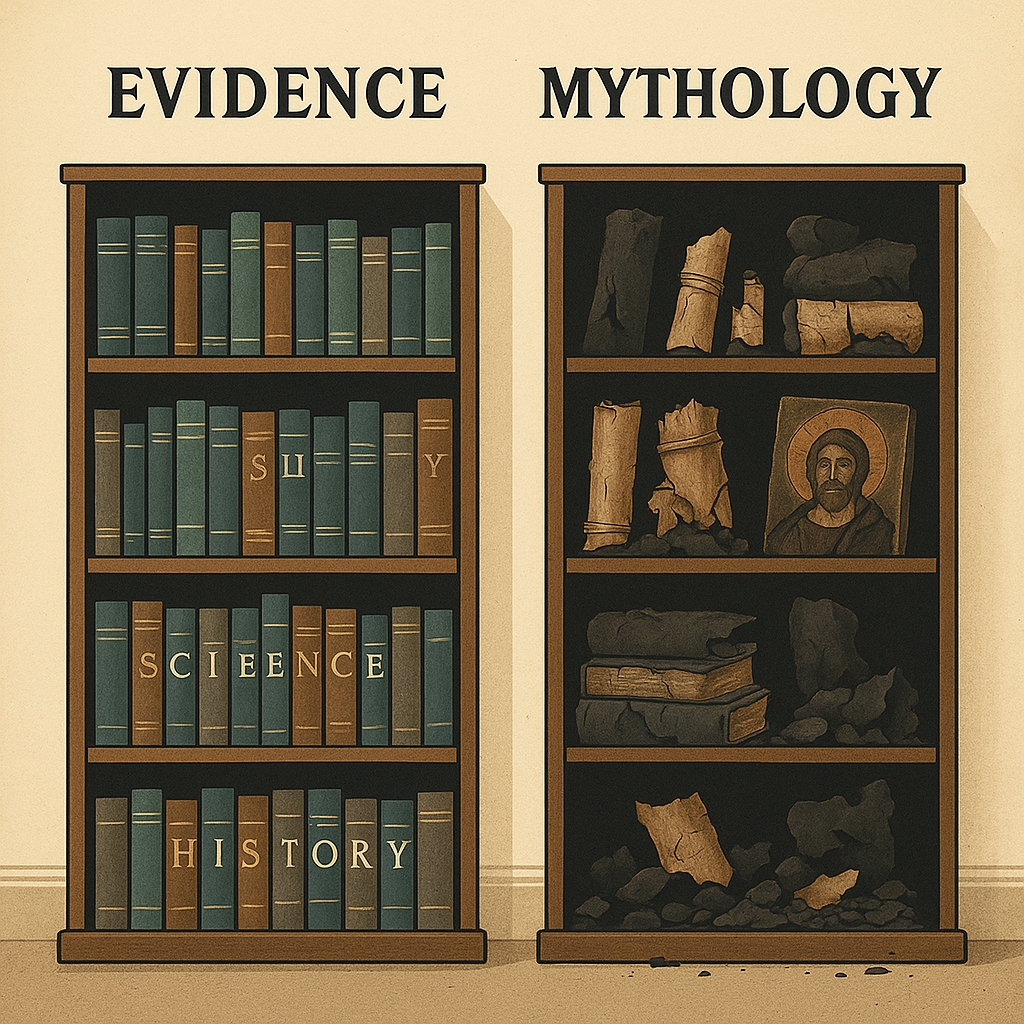
Facing Jesus’ non-existence: Two approaches
Every honest inquiry begins with discomfort. And nothing creates more discomfort than asking whether Jesus ever existed at all. Once you look at the historical evidence, the silence becomes deafening. The era overflowed with chroniclers who described everything: uprisings, quacks, prophets, magicians, riots, executions, natural phenomena, and obscure cults. Yet they never described Jesus. This…