Tag: evolution
-
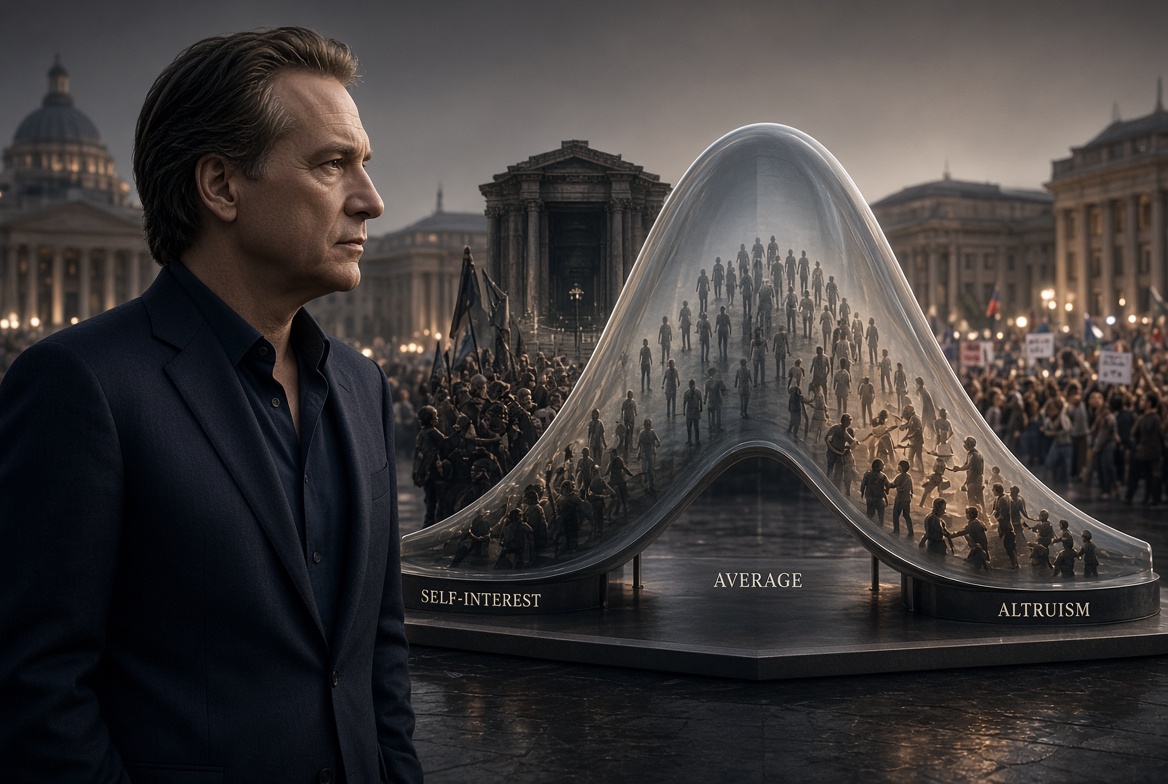
Political orientation is partly an extension of our morals
Bill Maher has said that our political orientation is an extension of our morals. He is partly right, but the relationship is more complicated than that statement suggests. Political orientation can reflect morality. However, morality comes first in a much broader sense. Humans differ in their innate moral dispositions, while upbringing, culture, education, experiences and…
-
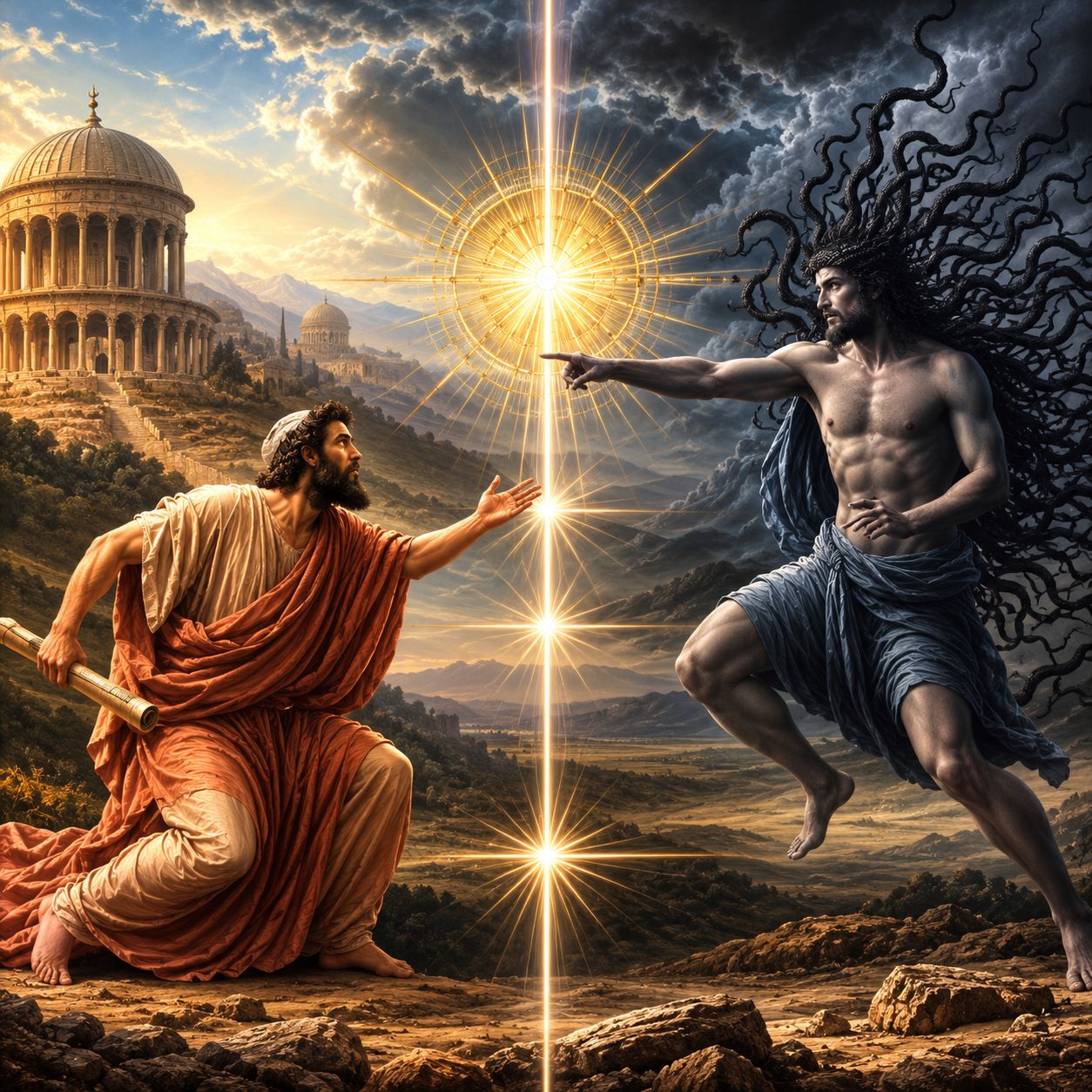
The evolution of Satan: A God’s servant and the Prince of evil
You think you know him, of course. The red skin, the horns, the pitchfork, the tail. The guy in the basement with a trident, laughing while people burn. That is not Satan, however. That is a cartoon. The real Satan is older, stranger, and far more complicated. He did not start out as the bad…
-
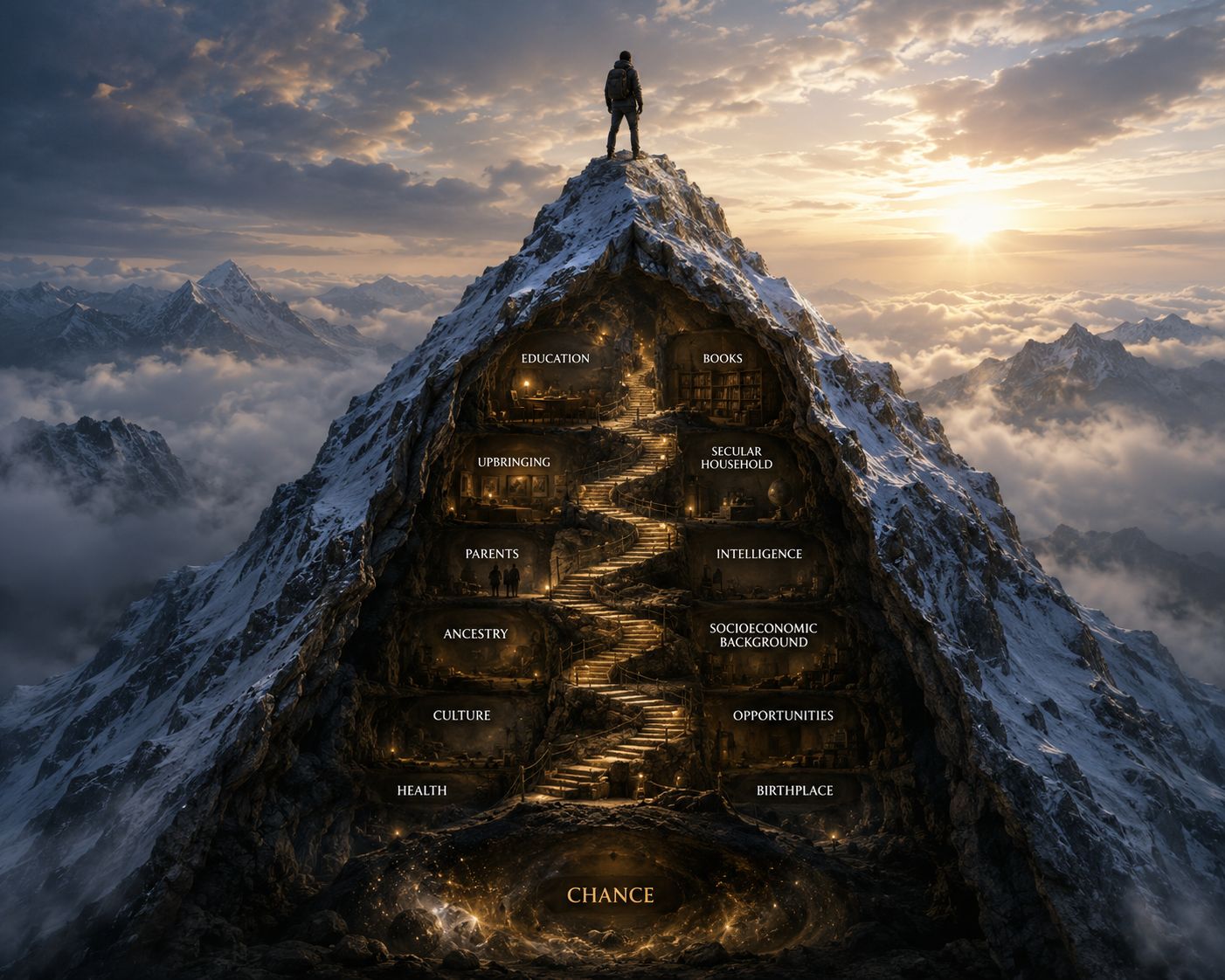
The curse of privilege: Why I don’t believe in free will
Every successful person enjoys hearing that they deserve everything they have achieved. Society constantly celebrates hard work, intelligence, discipline, determination, and perseverance. Those who become wealthy are often called self-made. Great scientists are praised for their brilliance. Successful entrepreneurs are admired for their vision. Writers are congratulated for their talent. At the same time, people…
-
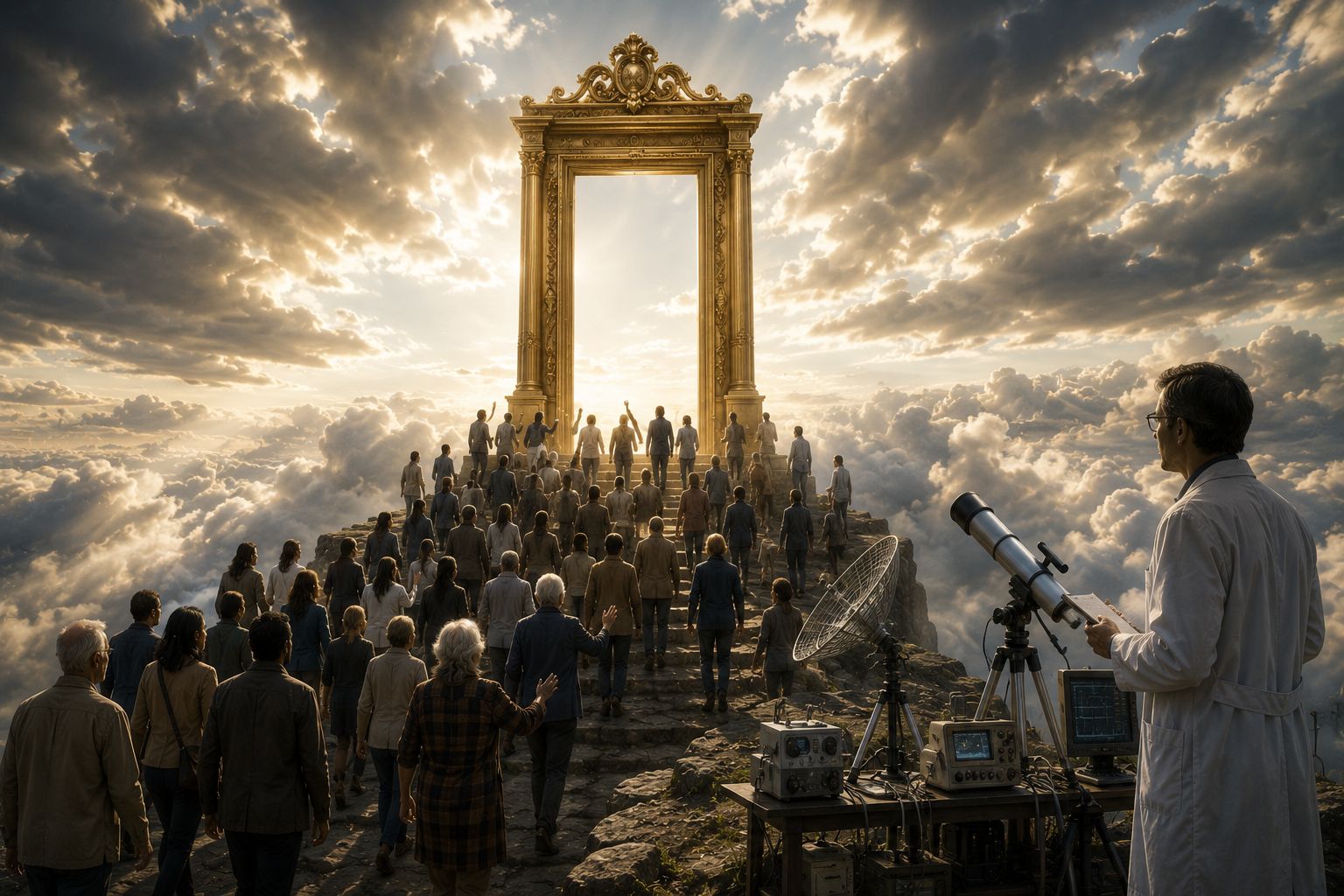
“Till we meet forever.” Can delusions become any deeper?
“Till we meet forever.” People say it at funerals with complete sincerity. They believe they will see their loved ones again. Death is not the end. It is merely a temporary separation. That single sentence reveals something remarkable about the human mind. Hundreds of millions of Americans sincerely believe not only that an afterlife exists,…
-
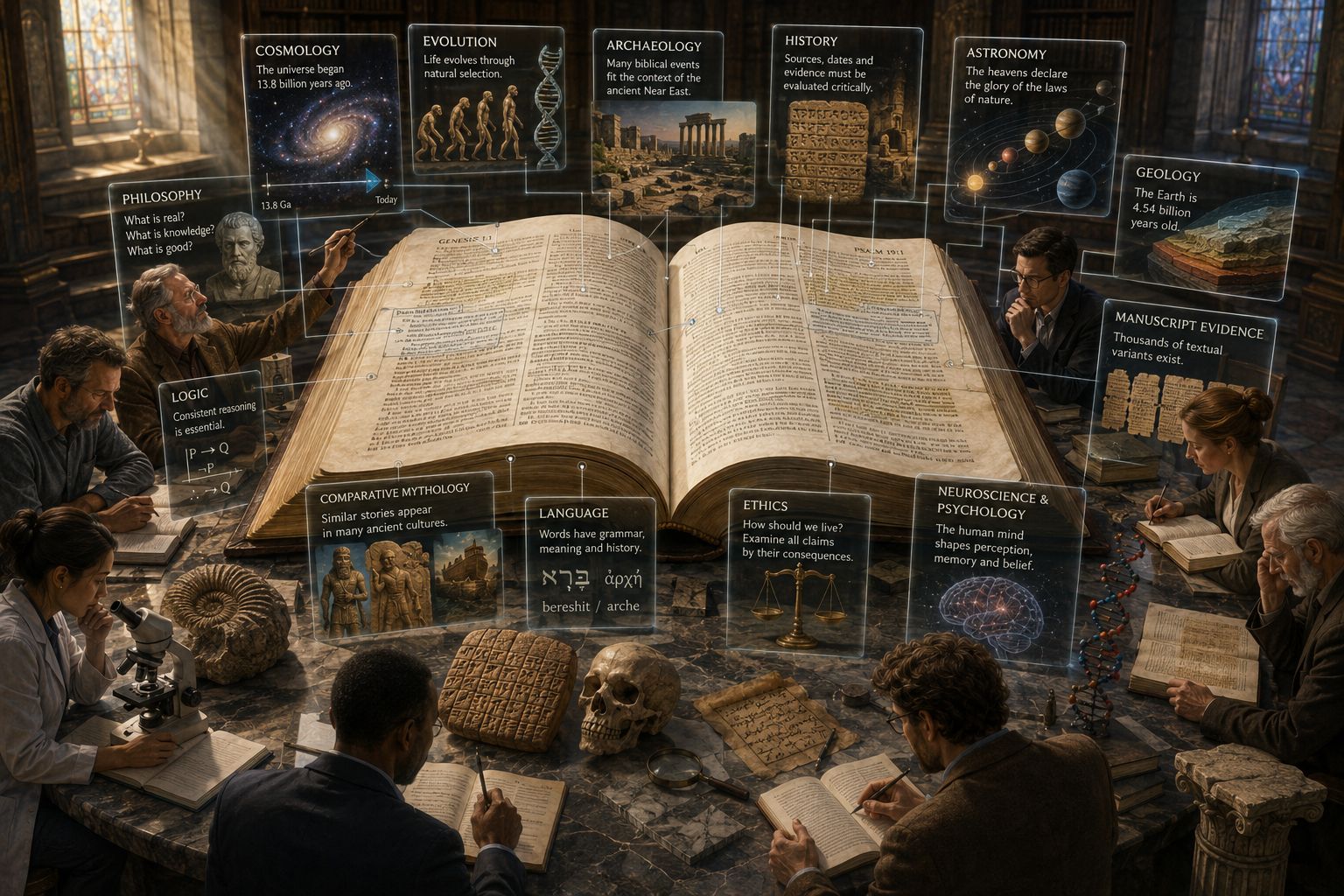
Who will publish a Bible explained by science and philosophy?
The Bible may be the most influential book in human history. It has inspired paintings, wars, constitutions, persecutions, charities, revolutions, and political movements. Billions of people consider at least part of it sacred. Even people who reject Christianity live in societies that Christianity helped shape. Nevertheless, most people have never read the Bible critically. They…
-
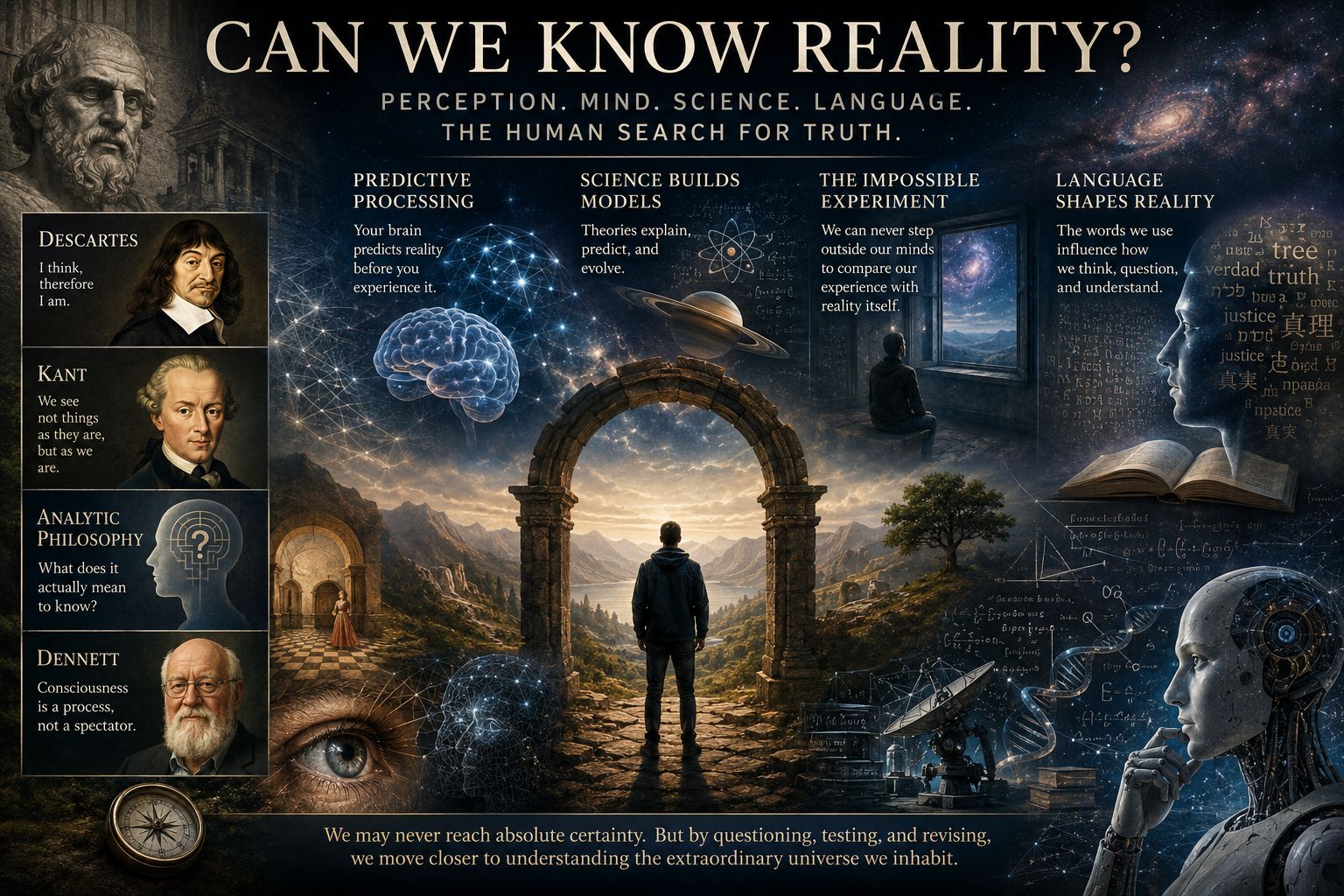
Everything you see may be an illusion. Can we ever know reality?
Look around you for a moment. You probably see walls, furniture, trees outside the window, or perhaps a computer screen displaying these words. Everything appears solid and obvious. Consequently, you instinctively trust what your eyes tell you. Nevertheless, philosophy asks a deeply uncomfortable question. What if you have never experienced the world itself? What if…
-
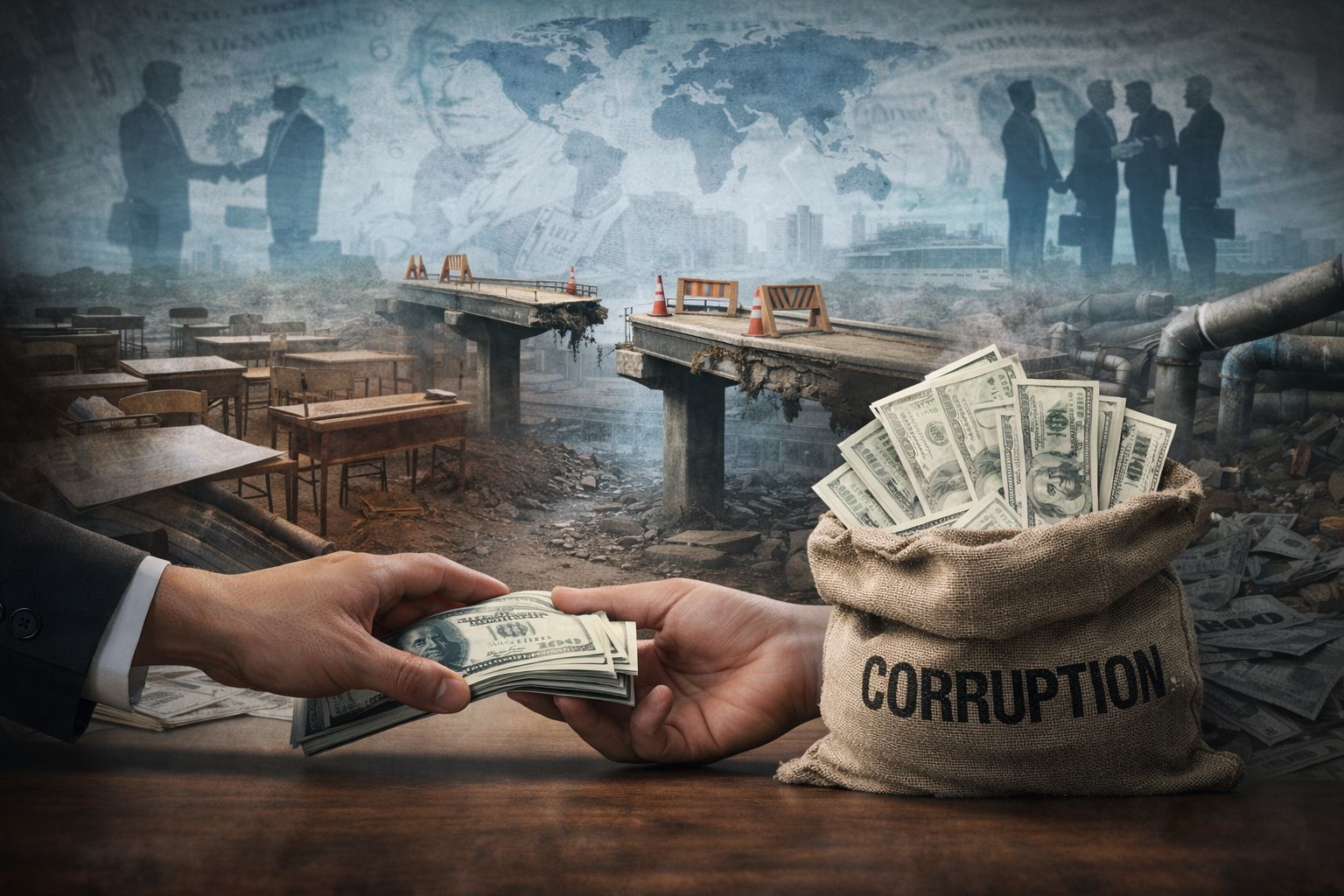
The evolutionary psychology of corruption
Corruption does not begin in institutions. It begins in human nature. People often treat it as a failure of laws, culture, or governance. However, these explanations remain incomplete. Corruption emerges from behavioral tendencies that once improved survival and reproduction. Therefore, to understand corruption, one must start with biology. Only then can one understand why it…
-

Navigating freethought and atheism in religious families
Freethought and atheism rarely emerge in isolation. Instead, they develop inside environments shaped by tradition, authority, and inherited belief. Therefore, the conflict does not begin as a philosophical disagreement. It begins as a social rupture. You do not merely question ideas. You challenge identity, hierarchy, and emotional bonds. Consequently, navigating this path requires far more…
-
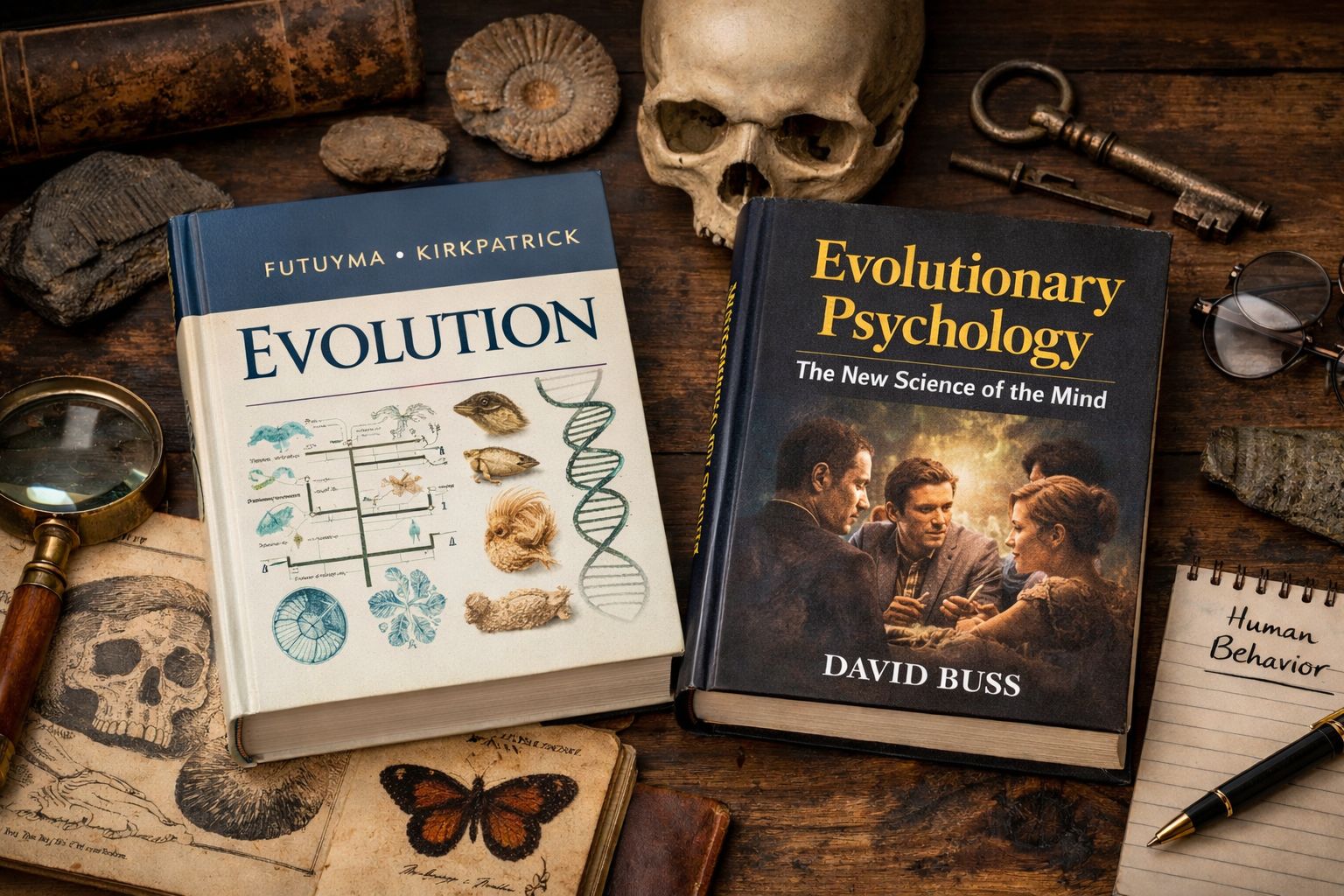
What makes me believe in evolution? People act like animals
I did not start with belief. Instead, I started with confusion. People behaved in patterns that felt too consistent to be random. I observed them in conversations, in groups, in conflicts. Then I read an evolutionary biology book. As a result, I understood the structure. However, the theory still felt distant. Then evolutionary psychology entered.…
-
How capitalism exploits ancient instincts: Homo consumens
Humans live in a highly complex economic system. However, the brain did not evolve for it. It evolved in small groups under scarcity, danger, and constant competition. Therefore, capitalism does not create human behavior. It exploits pre-existing instincts. This mismatch defines modern life. The evolutionary foundation of human behavior For hundreds of thousands of years,…