Tag: evolution
-

Bullying and hazing from an evolutionary psychology viewpoint
Bullying appears in every culture and every era. It repeats because it comes from ancient instincts, not from modern corruption. Early humans lived in small groups where hierarchy shaped survival. People watched every gesture and reacted to every dominance cue. Even now bullying emerges wherever groups form. Schools, armies, prisons, corporations, and digital spaces repeat…
-

Death penalty has no place: Freethinkers destroyed it
Freethinkers always challenge inherited dogma. They question every ritual, every ancient punishment, and every sacred justification for violence, they look at the death penalty and see a leftover from tribal thinking. They see fear, anger, and superstition shaping a policy that kills people. Freethinkers reject execution because they value reason, evidence, dignity, and moral responsibility…
-
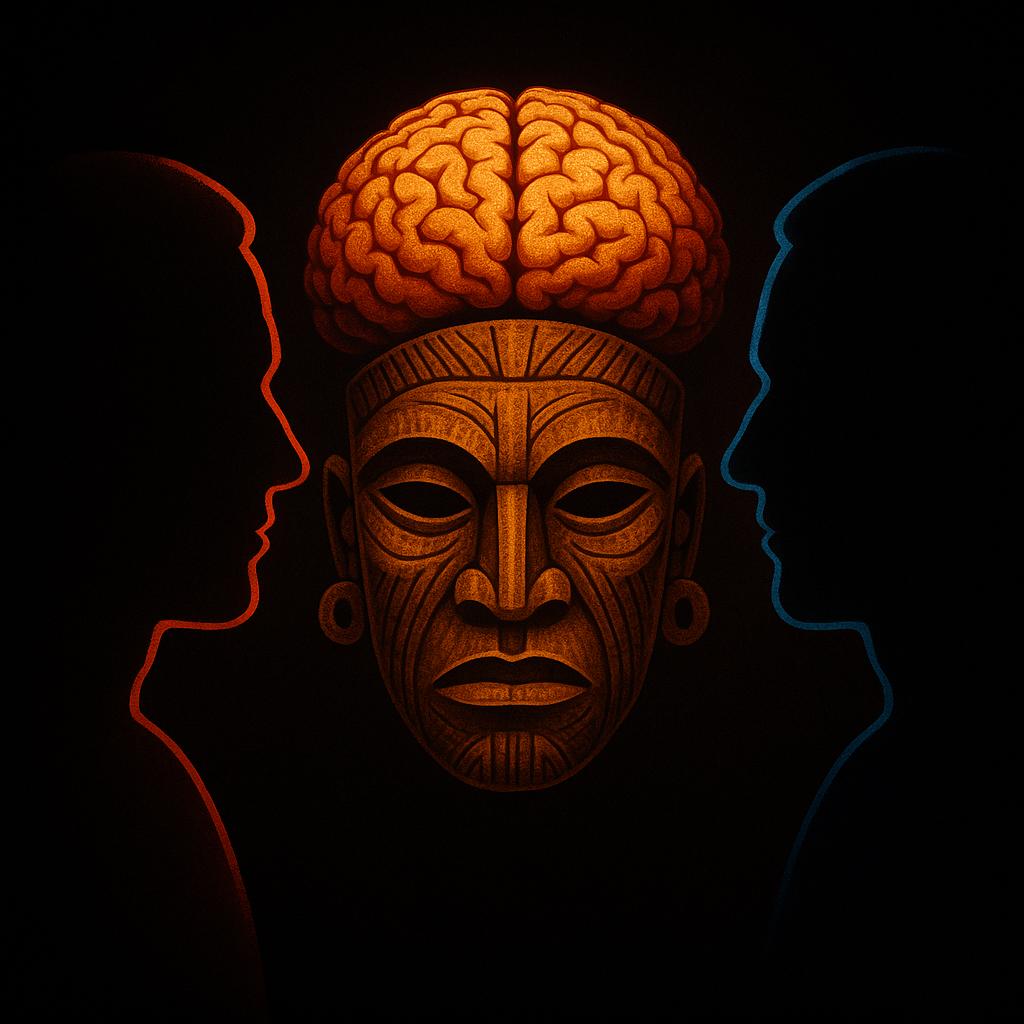
The ancient tribal instincts behind political polarization
Political polarization did not begin with modern politics. It began in the deep past. Humans evolved inside small tribes where loyalty meant survival and disloyalty meant danger. Because of that, our brains still react to politics as if we lived in hostile plains filled with rival clans. Therefore modern polarization is not rational disagreement. It…
-
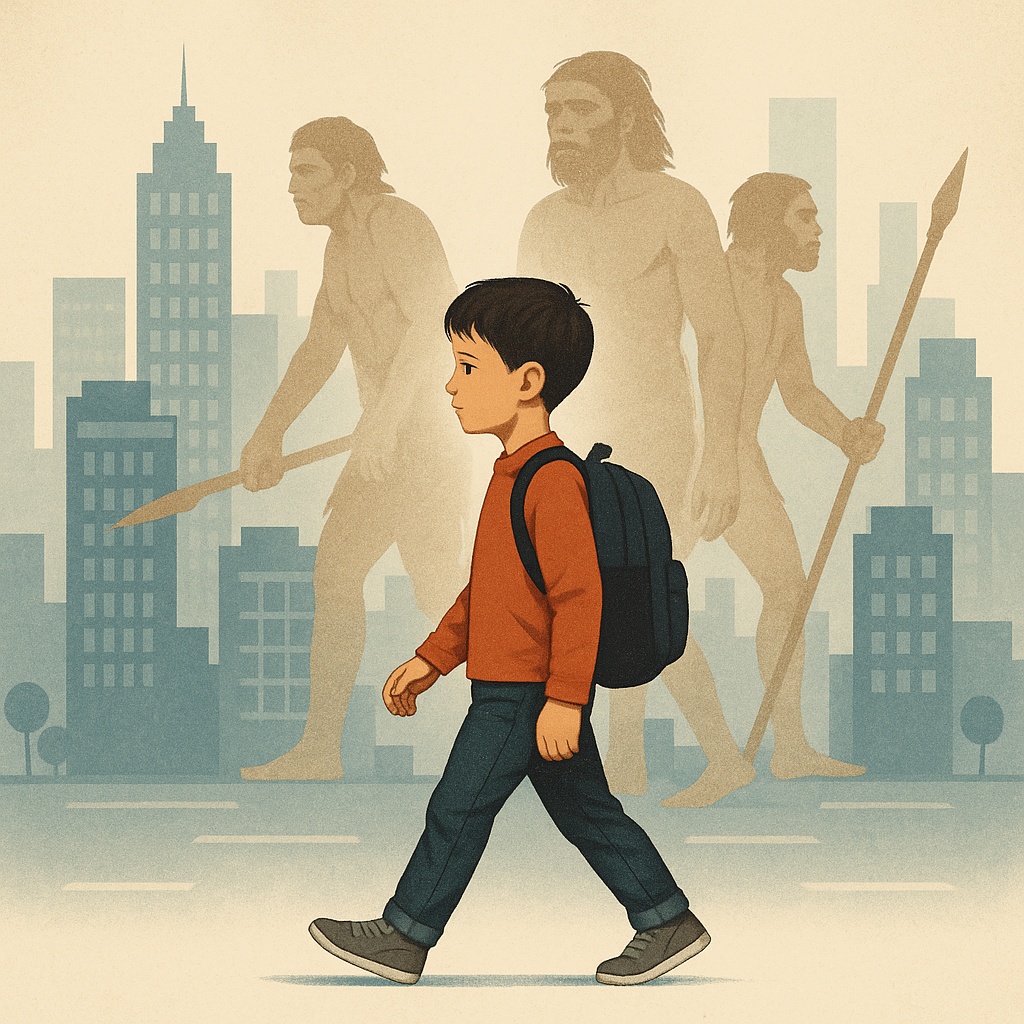
What children instinctively know: Pure evolutionary psychology
Children reveal the deepest layers of human nature. They act before culture reshapes them. They respond to the world with instincts older than civilization. Their reactions expose the evolutionary psychology we still carry inside our minds. Children read hierarchy, alliances, resources, threats, and reputation with astonishing accuracy. They know who matters inside a group, they…
-
Freethought and the neuroscience of belief
Freethought begins in the brain. It does not start with atheism, philosophy, or rebellion. It starts with understanding how neural circuits create conviction. The brain evolved for quick decisions, not for truth. It rewards certainty and punishes doubt. It embraces tribal loyalty and rejects unfamiliar facts. Therefore freethinking does not fight religion alone. It fights…
-
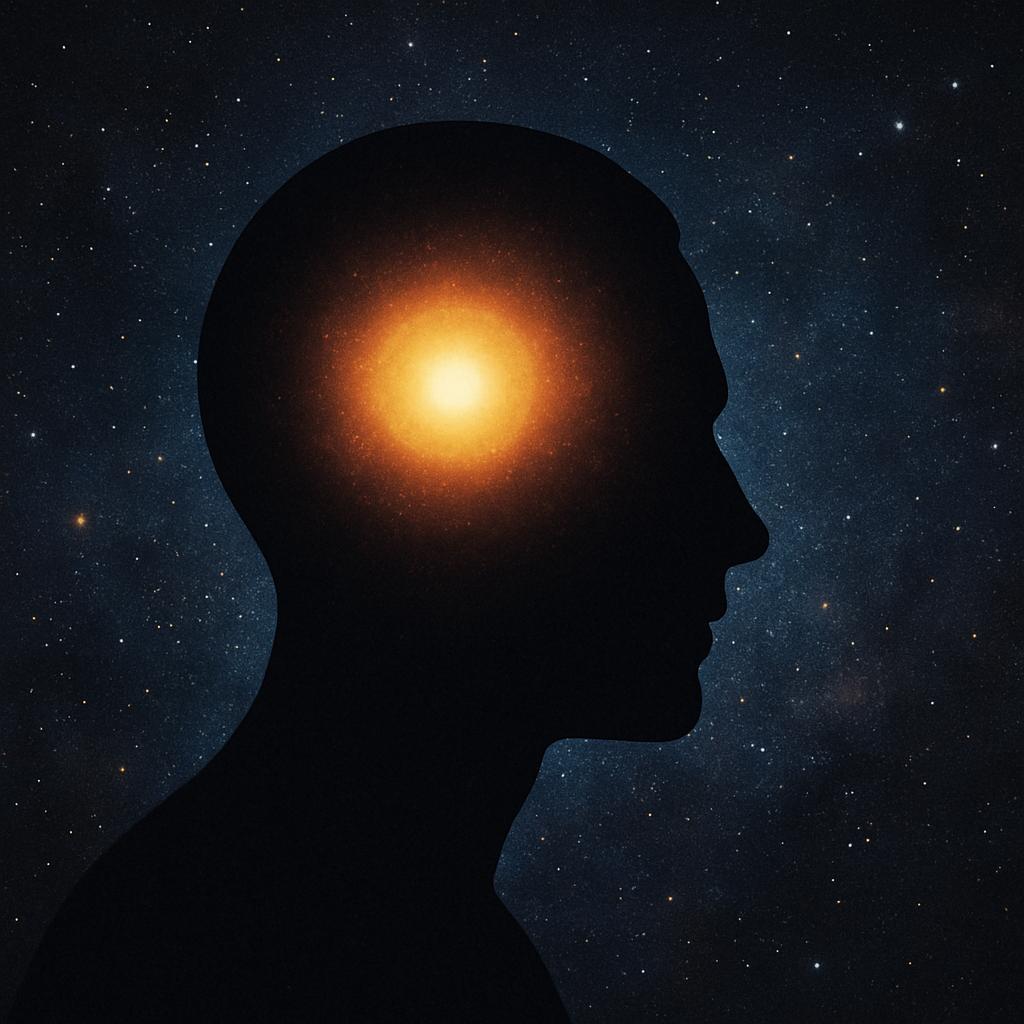
You are the exceptional thing in the universe
You are not eternal. You are not a recycled soul wandering through endless lifetimes. And you are a one-time event — a conscious robot built by evolution, running on fragile flesh and electric neurons. In this infinite and indifferent universe, you are the only version of yourself that will ever exist. Your consciousness, this flicker…
-
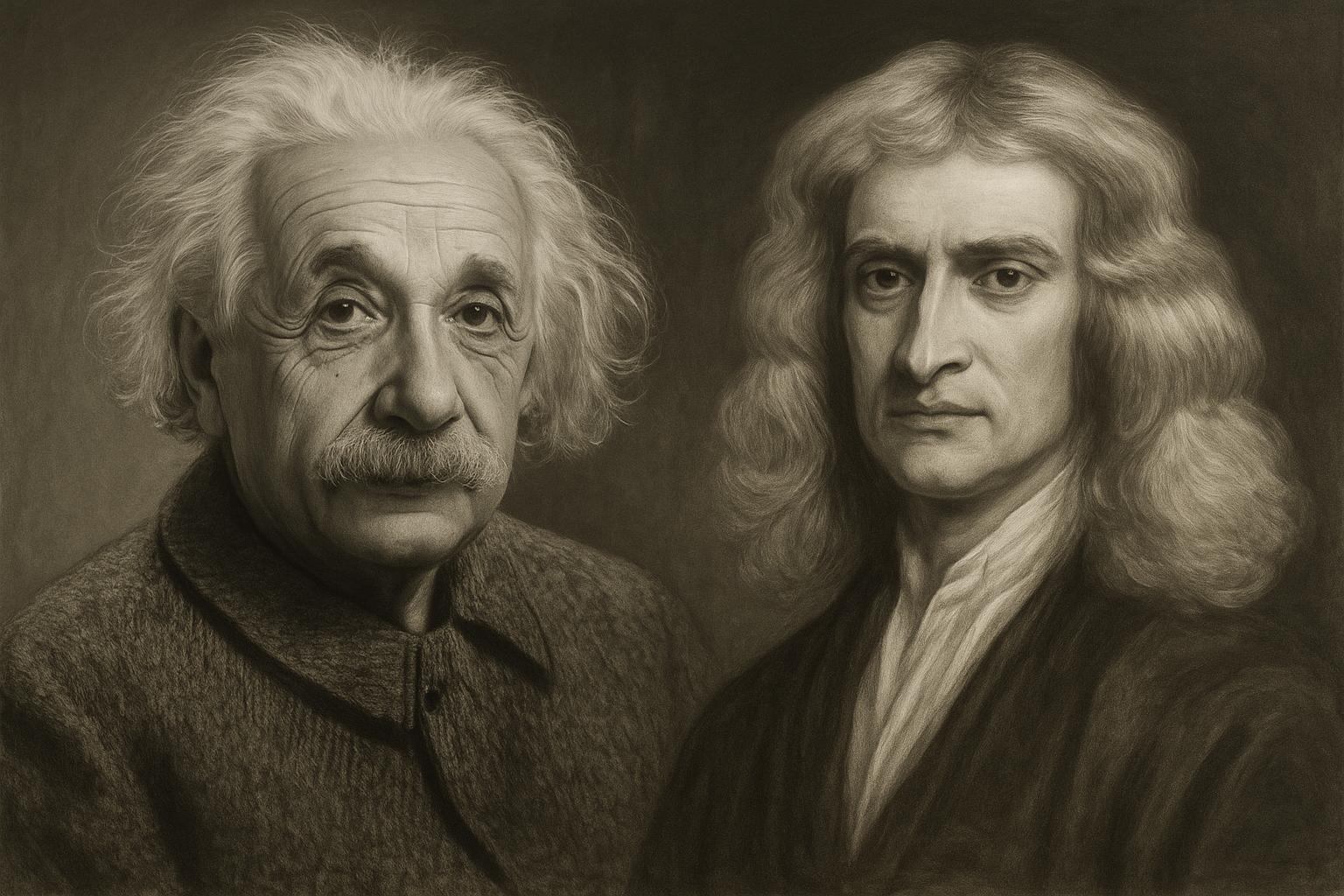
Argument from authority, the grossly misused argument
People quote Einstein, Newton, or Hawking as if their words alone decide what is true. “Einstein said it,” “Newton proved it,” “Hawking confirmed it.” But this is not reasoning. It is worship. The argument from authority is one of the most misused fallacies in human history. It gives the illusion of knowledge while replacing investigation…
-

The deep history of collective punishment
Collective punishment has haunted humanity since the dawn of organized life. It is one of those instincts that evolution wrote into our bones long before we invented ethics or law. The logic is brutal but simple: when one member threatens the group, punish them all to prevent the next betrayal. Civilizations have refined it, moralized…
-
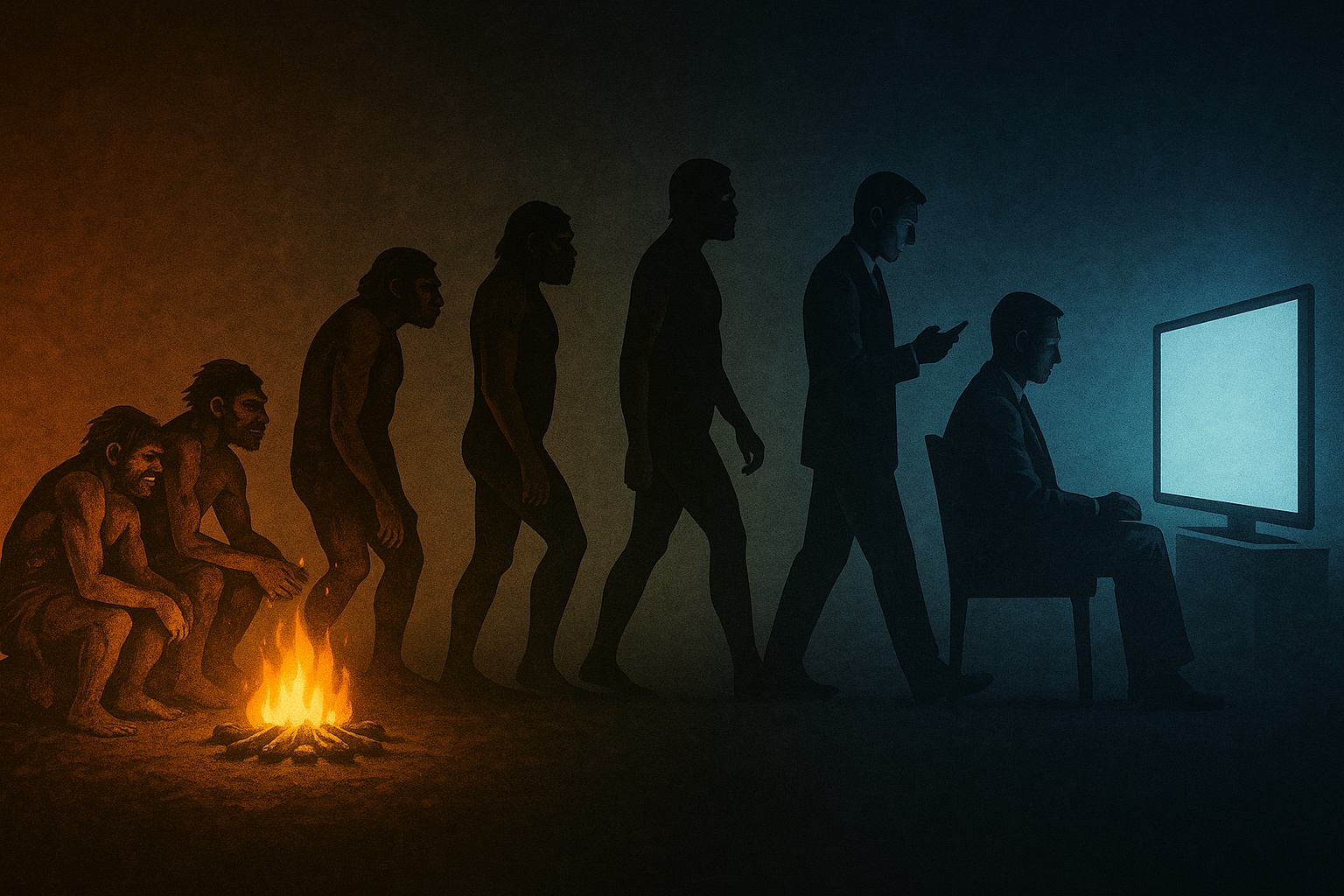
Evolution’s greatest mistake: How we became easy to manipulate
Modern manipulation no longer wears a crown or uniform. It wears a logo. Consumer society is built on the same instincts that once guided survival — status, belonging, and pleasure. Marketers learned to exploit those instincts with surgical precision. They do not sell products. They sell emotions, symbols, and identities. The biology of desire Advertising…
-
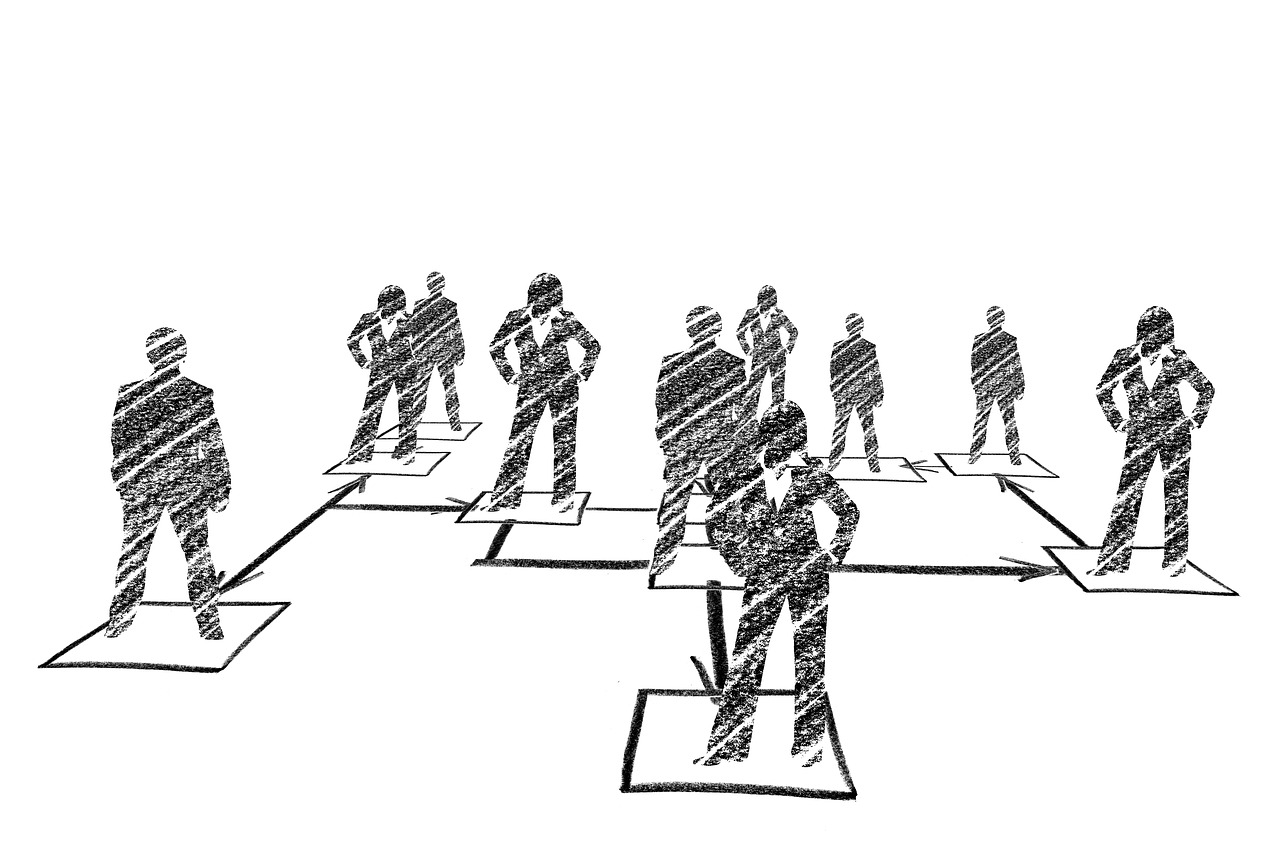
Animalistic morality and societal structures
Morality is something animalistic. There is no justice in who will be born, how many people will exist, or how good a life he or she will live. Moral steps that lead to good outcomes are aberrations — the whole system is much closer to moral nihilism. It was the highly esteemed Professor Jaroslav Peregrin,…