Tag: evolution
-
No higher purpose: Finding meaning in a purposeless universe
Humans are the only species aware of their own mortality. That awareness makes us different from every other animal. It also drives us insane. The moment we realize that we are going to die, we start inventing stories about why we live. We cannot stand the thought that life has no purpose. Yet nature gives…
-
Why we find the past so alluring: An evolutionary explanation
Humans treat history as something magical. They stare at ruins, listen to old songs, and feel emotion for people long dead; they cry over the paintings of wars fought centuries ago. They imagine that life back then was darker, slower, or somehow more meaningful. But that feeling is not based on reality. It is a…
-
Psychopaths are less prevalent in higher functions
Psychopathy has long fascinated people. The word evokes images of cold manipulators, brilliant criminals, and emotionless masterminds. Yet the clinical picture is very different. In real life, most psychopaths are not masterminds. They are reckless, impulsive, and short-sighted. They destroy more than they build. Contrary to popular myth, psychopaths are less common among high-functioning professionals.…
-
Evolutionary origins of political corruption
Political corruption is often described as a moral failure, a symptom of greed, or a defect of governance. Yet its roots go much deeper than law or ideology. Corruption is not a modern disease of politics—it is an ancient pattern of behavior shaped by evolution. Long before governments existed, humans traded favors, protected kin, and…
-
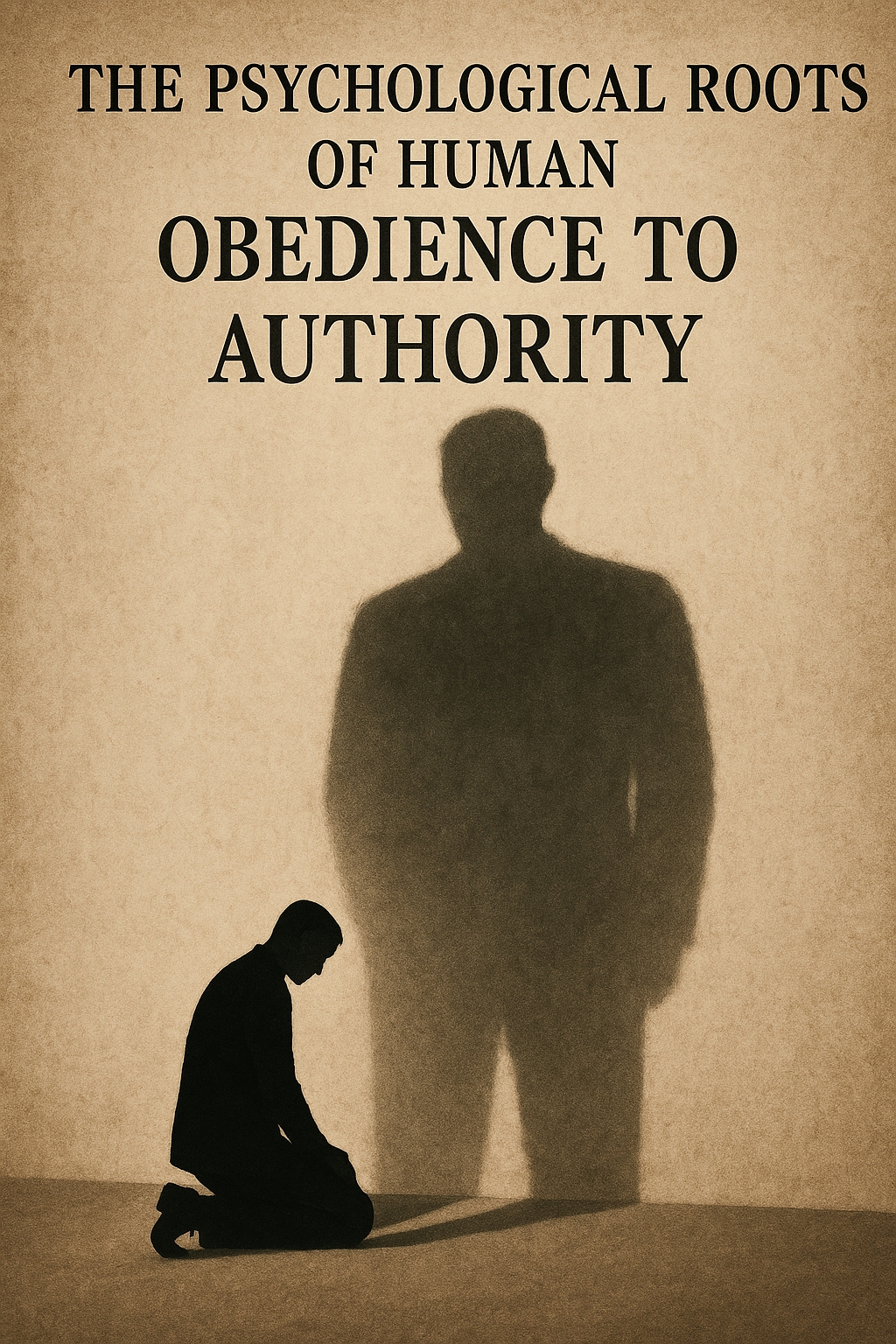
The psychological roots of human obedience to authority
Obedience to authority defines human civilization. Yet it also explains humanity’s darkest moments. Every institution—from armies and churches to corporations and governments—depends on obedience to survive. However, the same force that maintains order can also destroy moral judgment. From the earliest tribal leaders to modern dictators, obedience has been both a survival strategy and a…
-
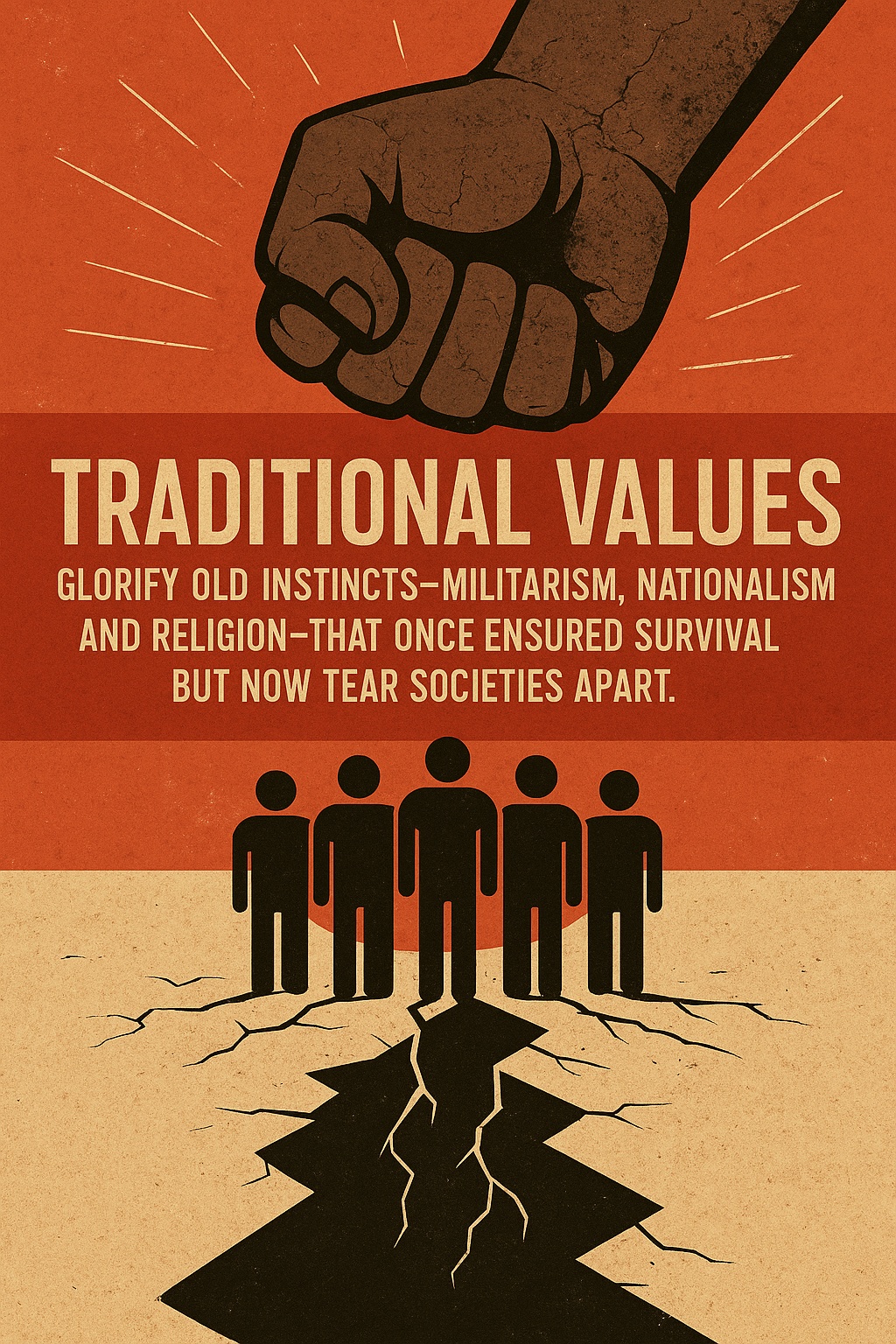
Traditional values as the worst evolutionary instincts
Humans worship their instincts as if they were moral laws. They call them traditions. They call them values. But many of them are nothing more than prehistoric impulses dressed as ethics. What once helped a tribe survive now keeps humanity divided, violent, and blind. The worst part is that we glorify our weaknesses and call…
-
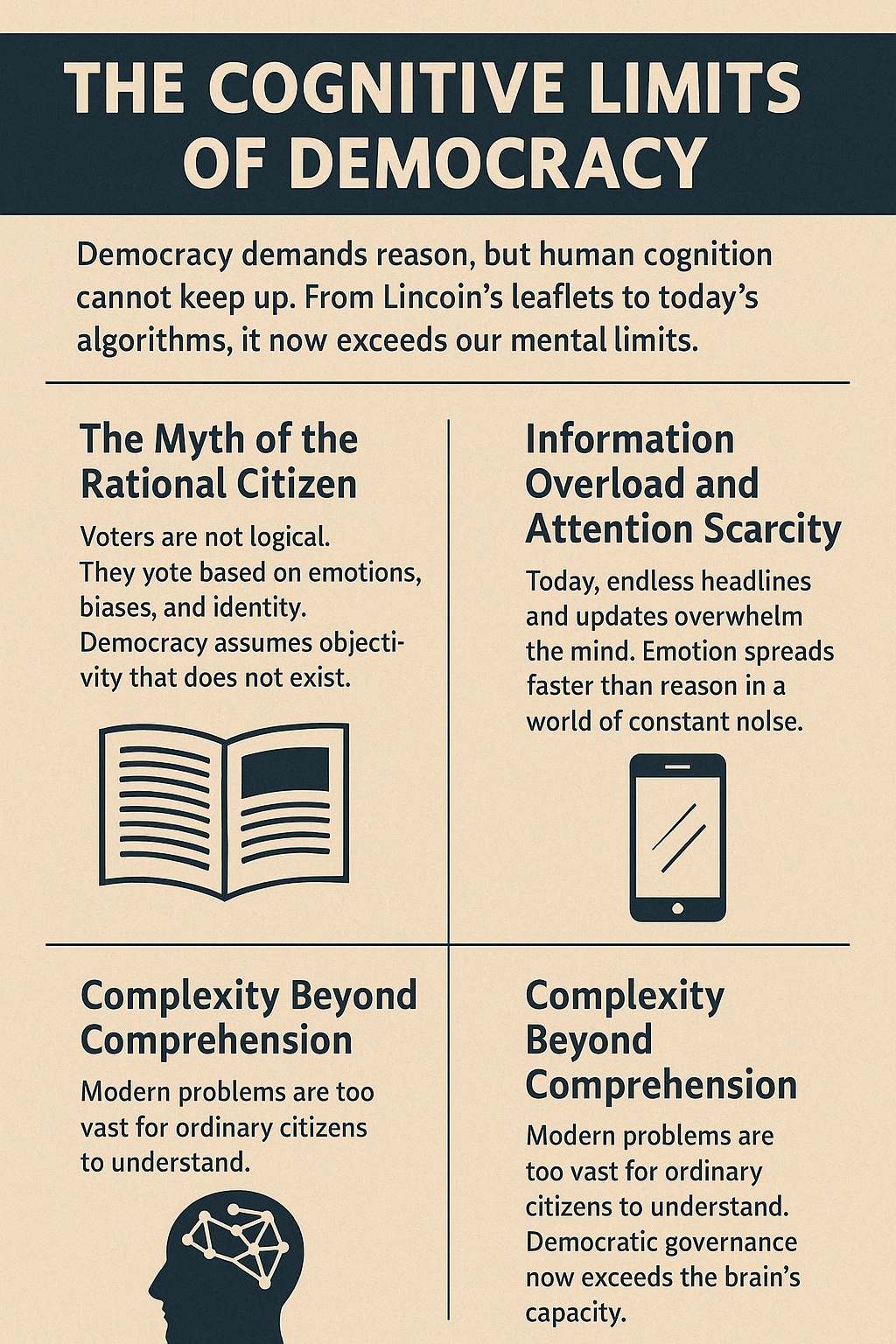
The cognitive limits of democracy
Democracy was built on a dream. It promised collective wisdom, shared power, and the rule of reason over passion. Yet what if that dream was never realistic? What if the very structure of democracy asks too much of the human brain? Modern civilization demands that millions of people make informed choices about problems too vast…
-
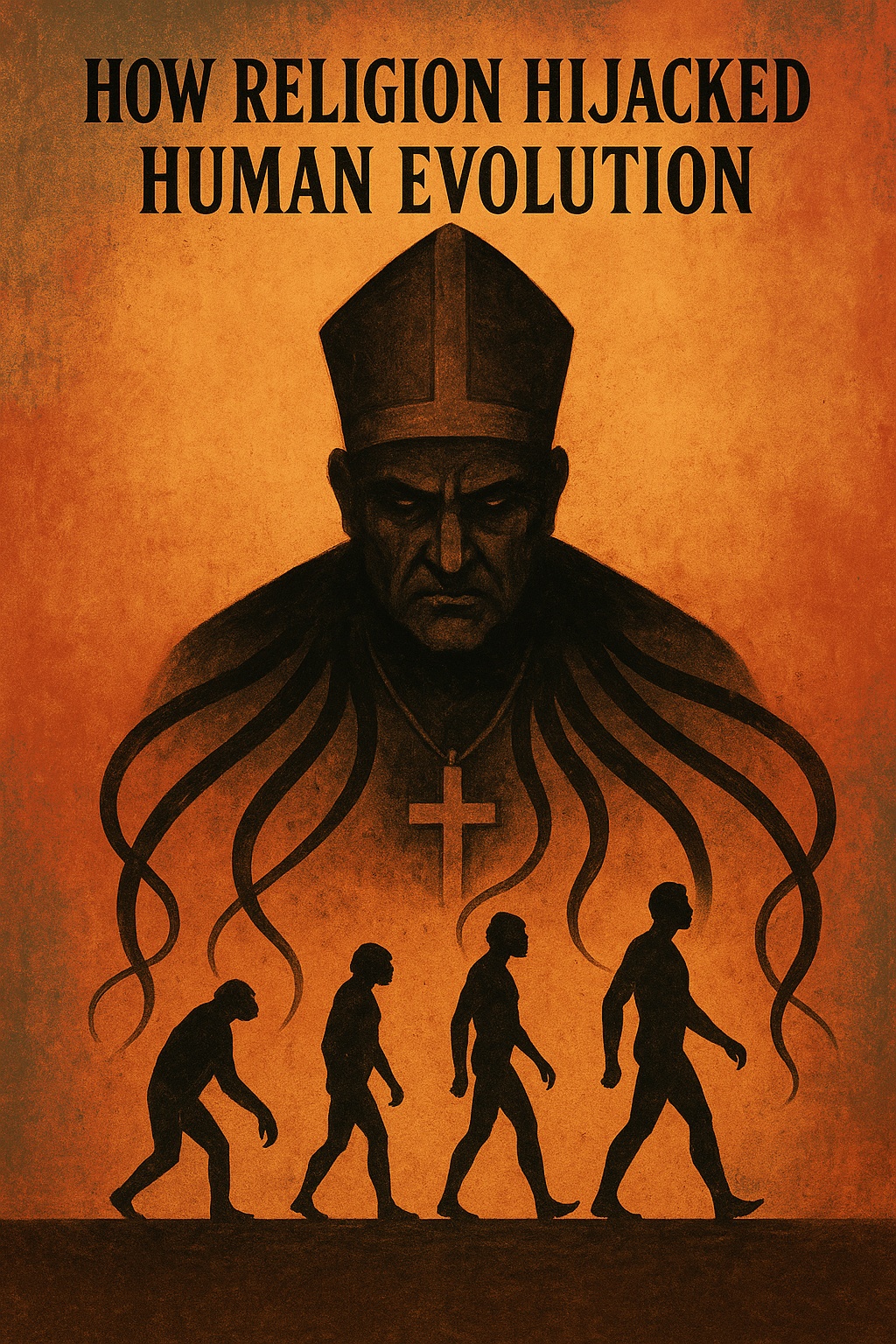
How religion hijacked human evolution
Religion did not just emerge from human evolution. It hijacked it.Belief systems captured the very instincts that helped humanity survive and redirected them toward submission, hierarchy, and guilt. The result was a civilization ruled not by reason but by fear. What began as a coping mechanism became the most powerful parasite in human history. The…
-
The psychology of nationalism and patriotism
Nationalism and patriotism look alike at first glance. Both are forms of loyalty to a collective. Both stir emotion, shape politics, and influence moral decisions. However, they differ in tone and intent. Patriotism is personal affection for a country—an attachment to its culture, people, and values. By contrast, nationalism transforms that attachment into a political…
-
How can science know? Here’s everything you need to know
People have always asked what is true. But few stop to ask how we know. Science stands alone. It does not claim truth from tradition, divinity, or emotion, it demands evidence. It survives through failure. And it grows by refining its own mistakes. Knowing is not magic. It is a method. Primitive knowing – survival…