Tag: evolutionary psychology
-
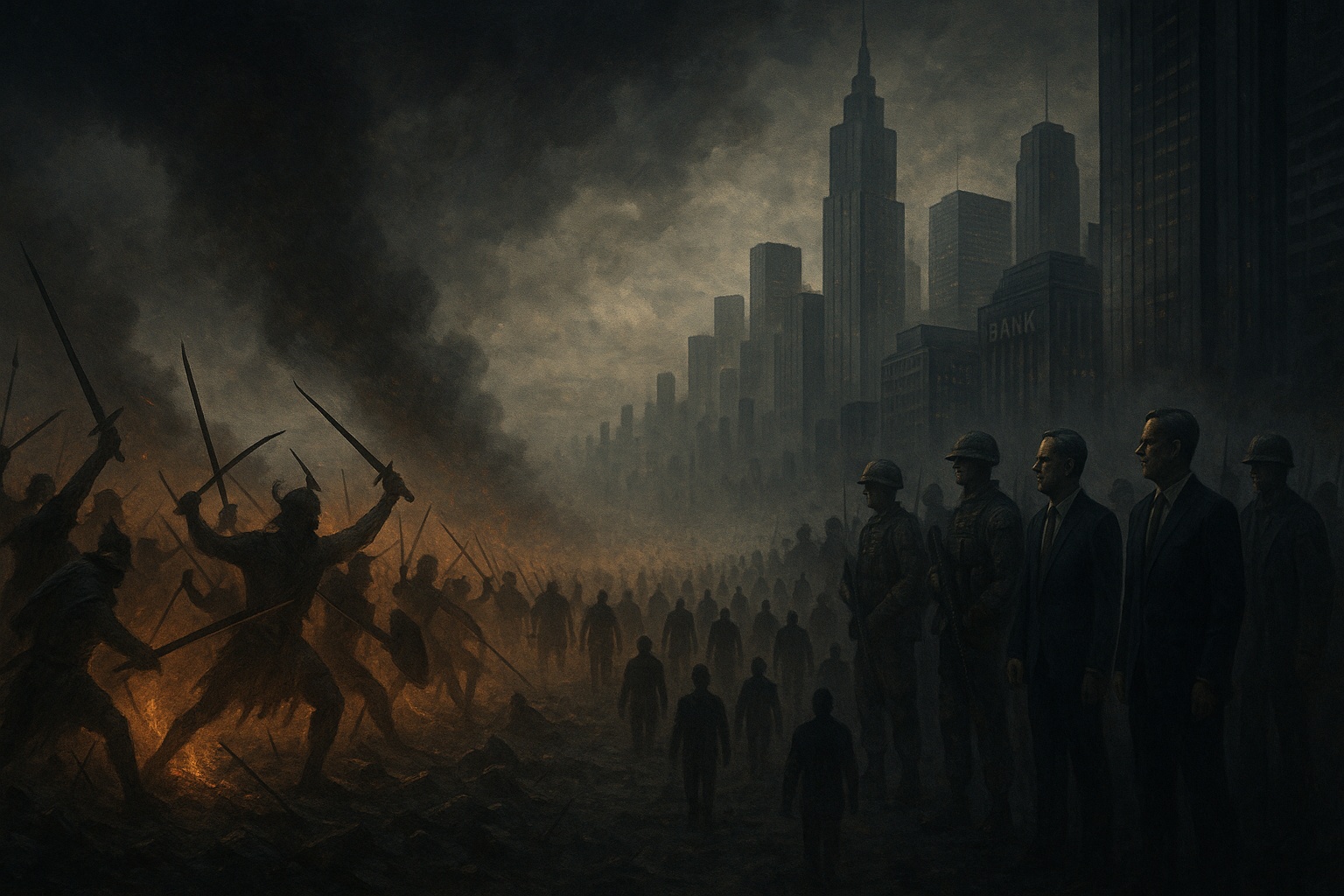
Why humanity never learns from history
Every generation thinks it is smarter than the one before. It believes wars belong to the past, that humanity has finally matured, that reason will replace greed. But it never happens. The faces change, the flags change, yet the instincts stay. Power still corrupts. Greed still spreads. Vanity still drives the masses into chaos. People…
-
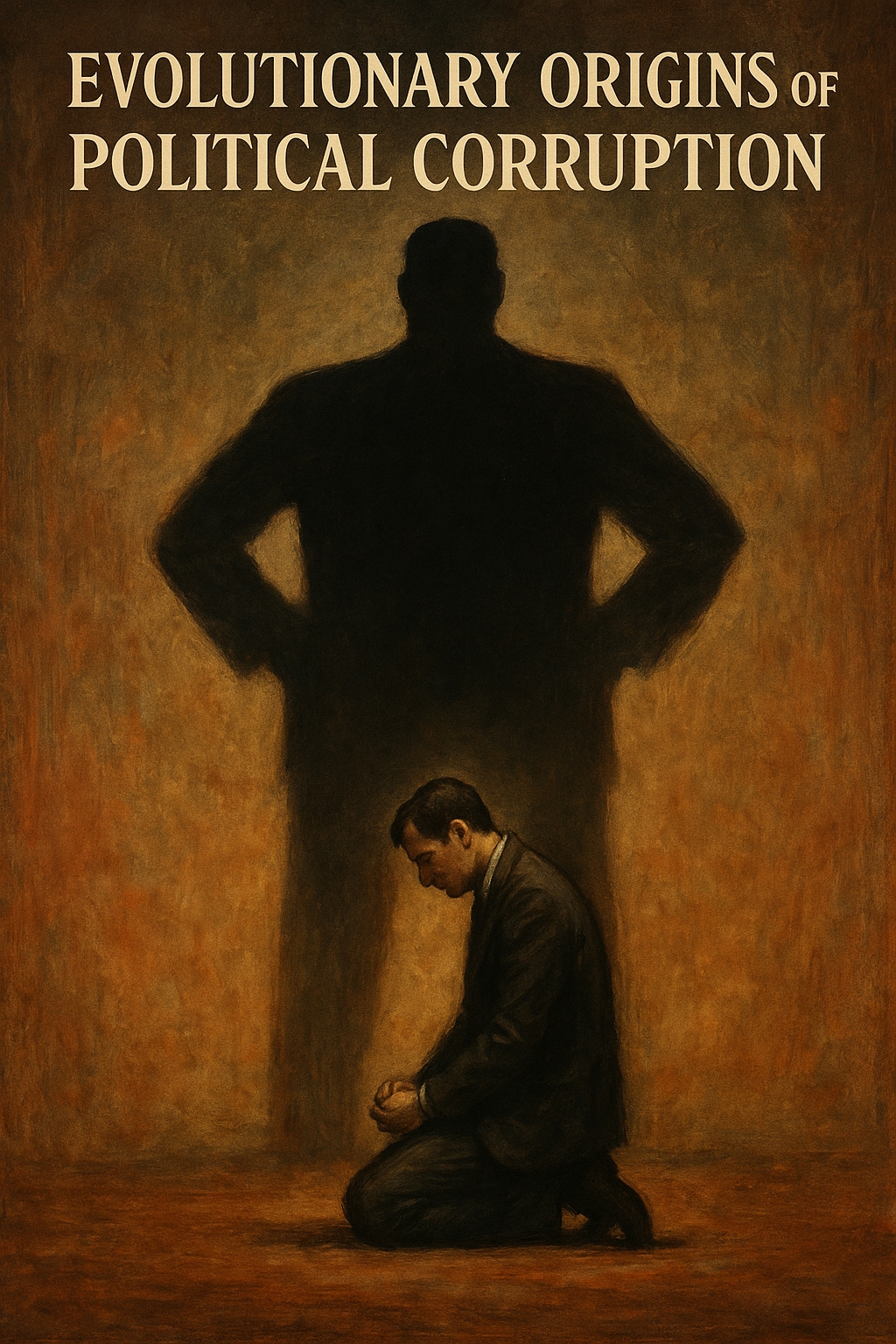
Evolutionary origins of political corruption
Political corruption is often described as a moral failure, a symptom of greed, or a defect of governance. Yet its roots go much deeper than law or ideology. Corruption is not a modern disease of politics—it is an ancient pattern of behavior shaped by evolution. Long before governments existed, humans traded favors, protected kin, and…
-
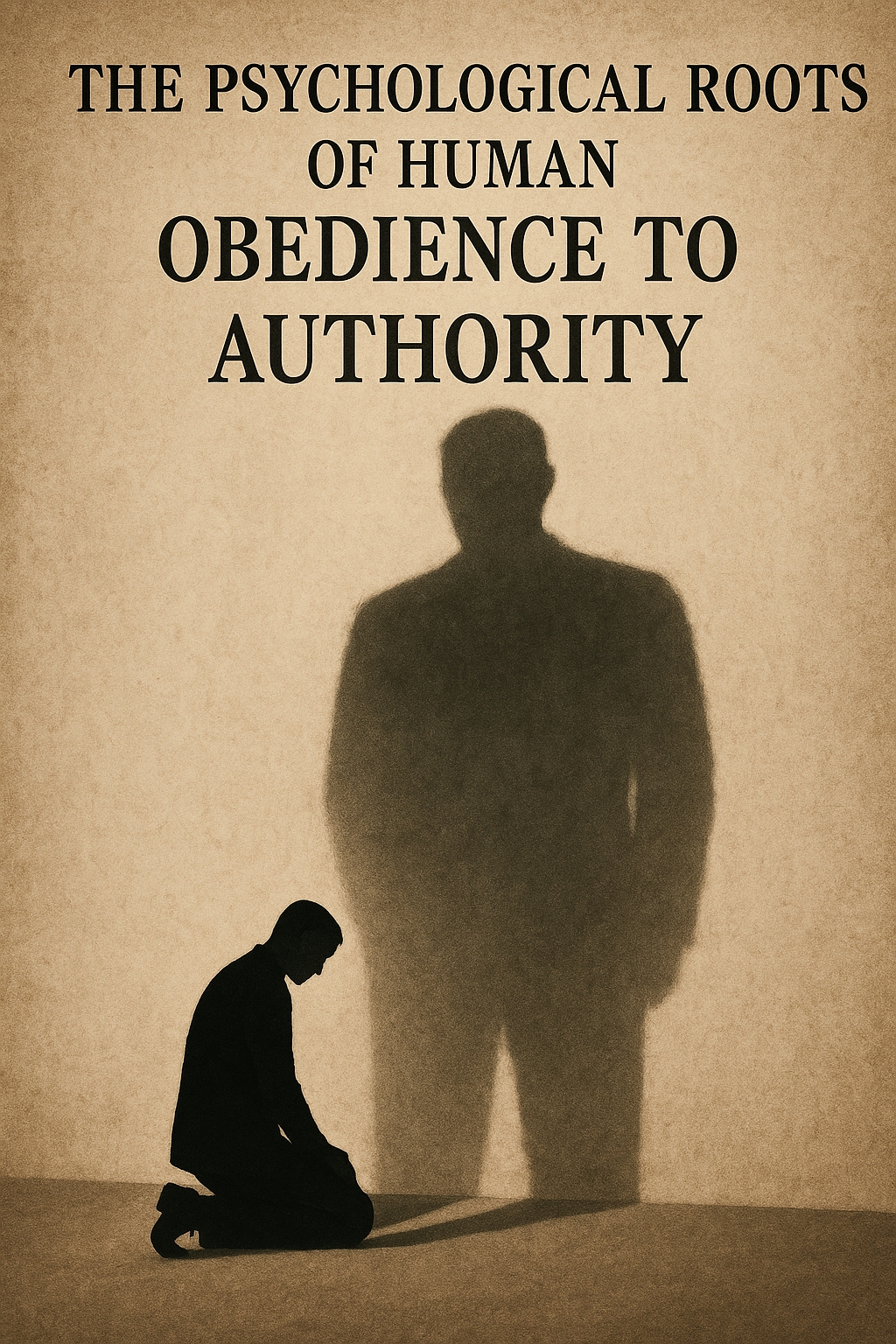
The psychological roots of human obedience to authority
Obedience to authority defines human civilization. Yet it also explains humanity’s darkest moments. Every institution—from armies and churches to corporations and governments—depends on obedience to survive. However, the same force that maintains order can also destroy moral judgment. From the earliest tribal leaders to modern dictators, obedience has been both a survival strategy and a…
-
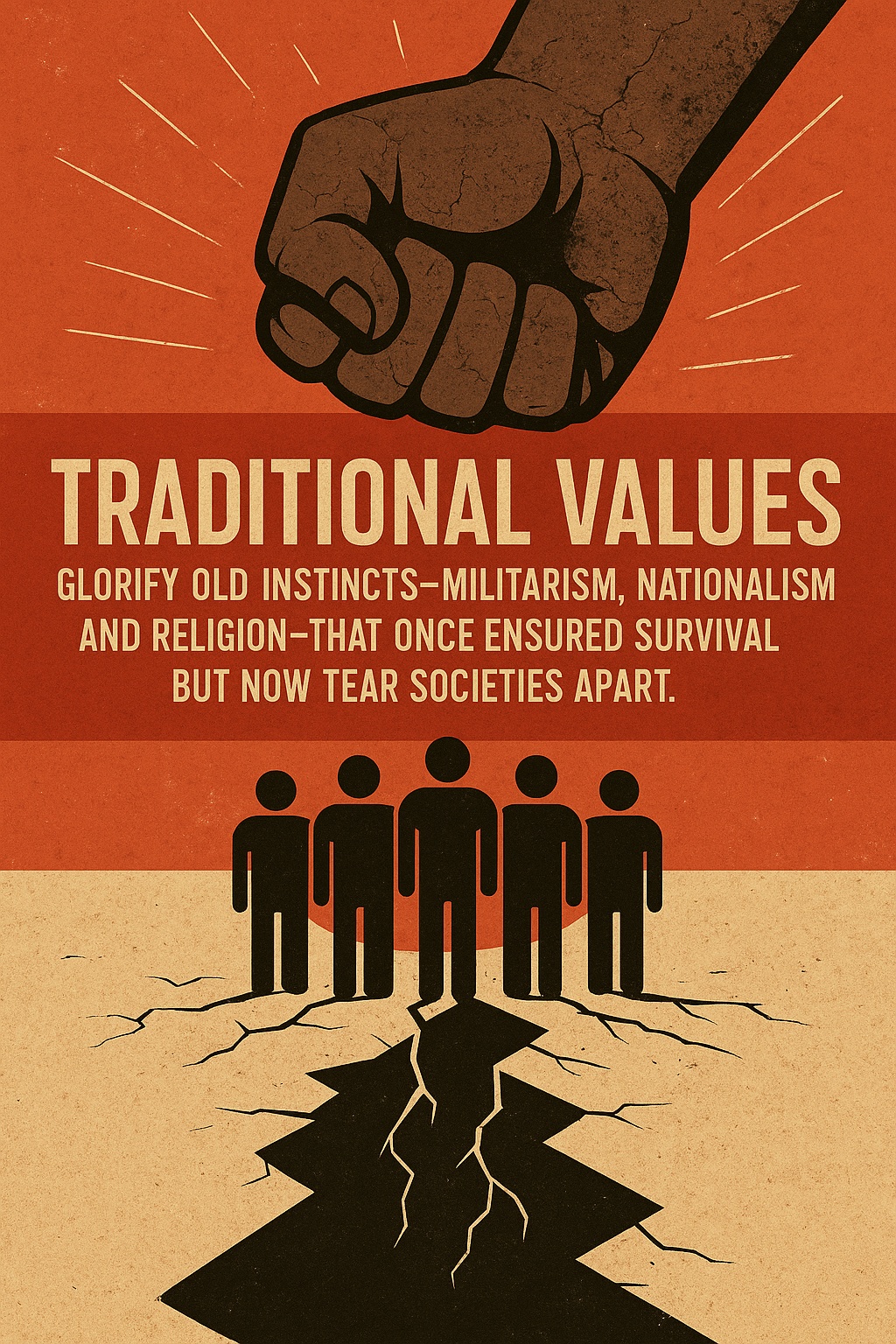
Traditional values as the worst evolutionary instincts
Humans worship their instincts as if they were moral laws. They call them traditions. They call them values. But many of them are nothing more than prehistoric impulses dressed as ethics. What once helped a tribe survive now keeps humanity divided, violent, and blind. The worst part is that we glorify our weaknesses and call…
-
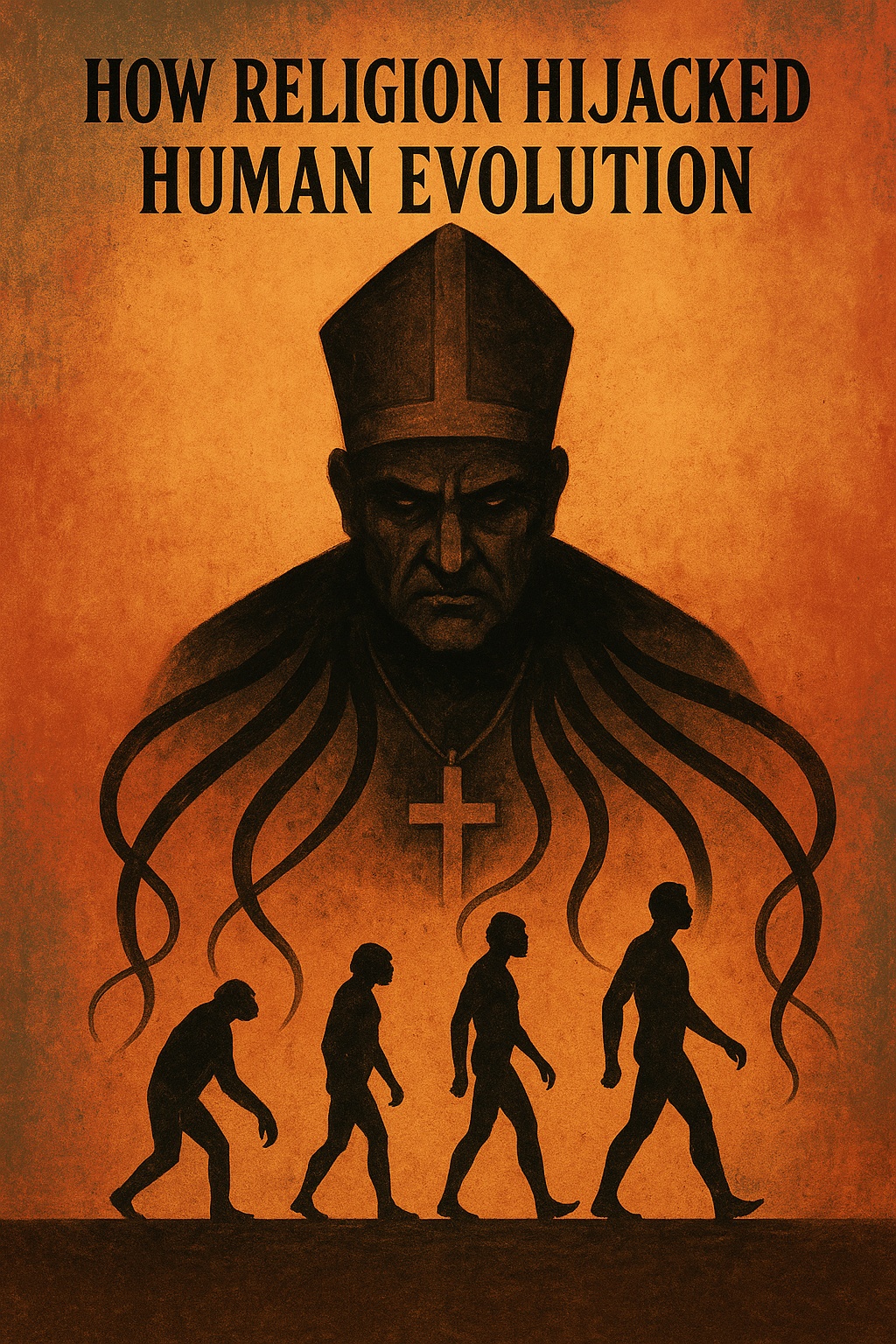
How religion hijacked human evolution
Religion did not just emerge from human evolution. It hijacked it.Belief systems captured the very instincts that helped humanity survive and redirected them toward submission, hierarchy, and guilt. The result was a civilization ruled not by reason but by fear. What began as a coping mechanism became the most powerful parasite in human history. The…
-
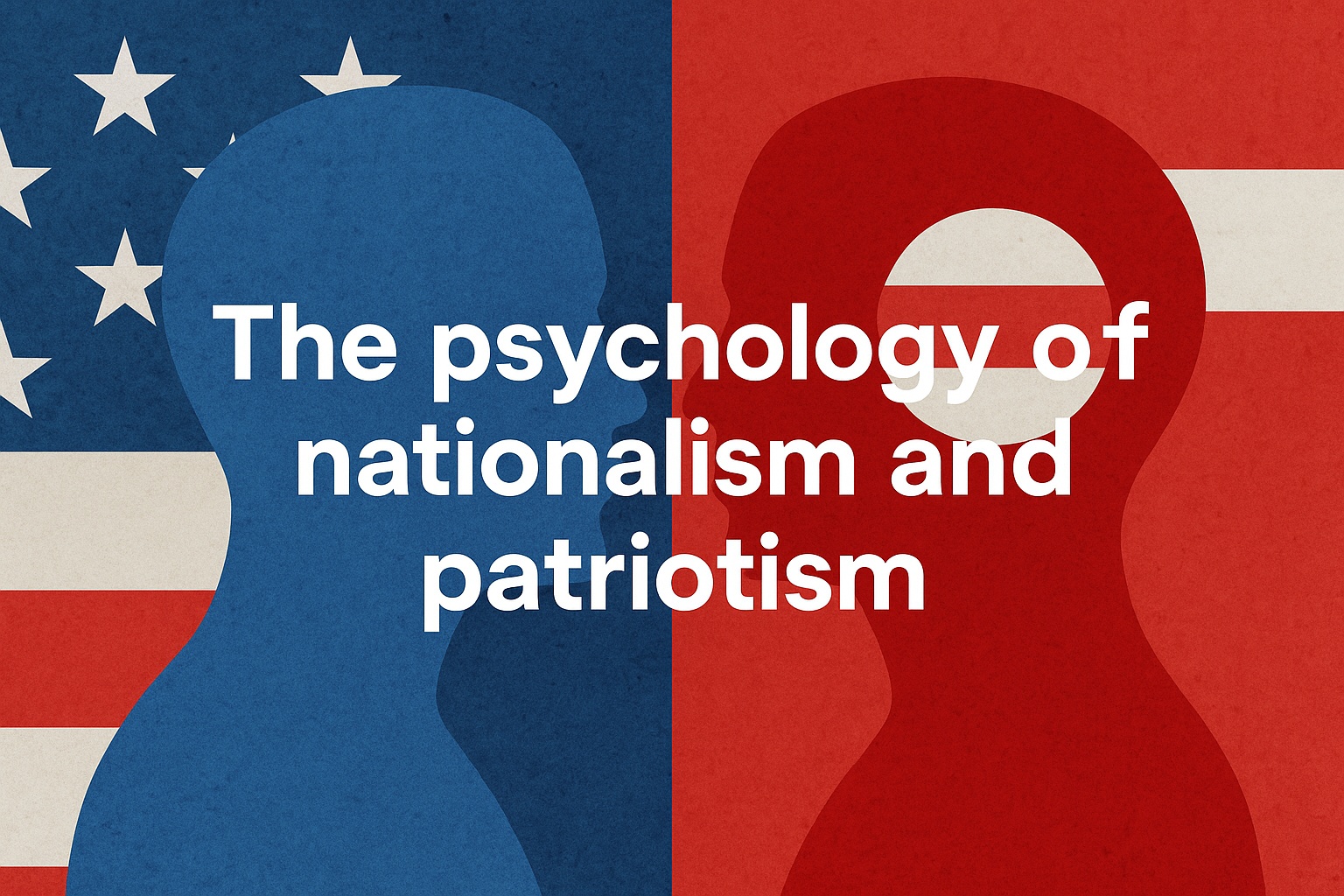
The psychology of nationalism and patriotism
Nationalism and patriotism look alike at first glance. Both are forms of loyalty to a collective. Both stir emotion, shape politics, and influence moral decisions. However, they differ in tone and intent. Patriotism is personal affection for a country—an attachment to its culture, people, and values. By contrast, nationalism transforms that attachment into a political…
-
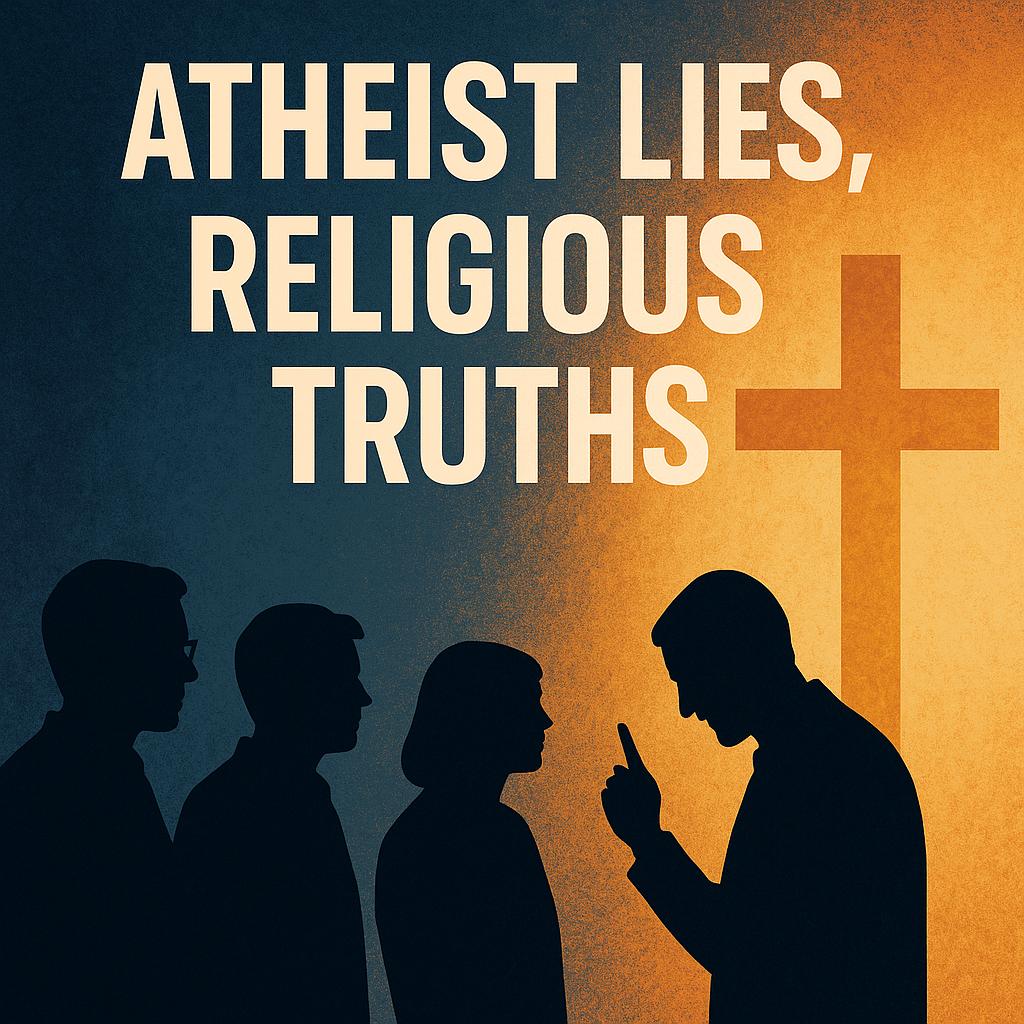
Atheist lies, religious truths
I stumbled upon a profile with a solid number of subscribers. Its motto was simple and dramatic: “I used to be an atheist, then I found faith, and I put away atheist lies.” It looked powerful, almost poetic. But when you stop and think, the claim collapses. What exactly are these so-called atheist lies? Atheism…
-

Human developmental stages and capitalism – in tens of trillions
Capitalism is not random. It is efficient because it adapts to what Homo sapiens already are, it evolves with our stages of life. And it responds to hormones, status drives, and survival instincts. It profits from mating rituals, fear of death, and longing for identity. That is why it works. Capitalism is not separate from…
-
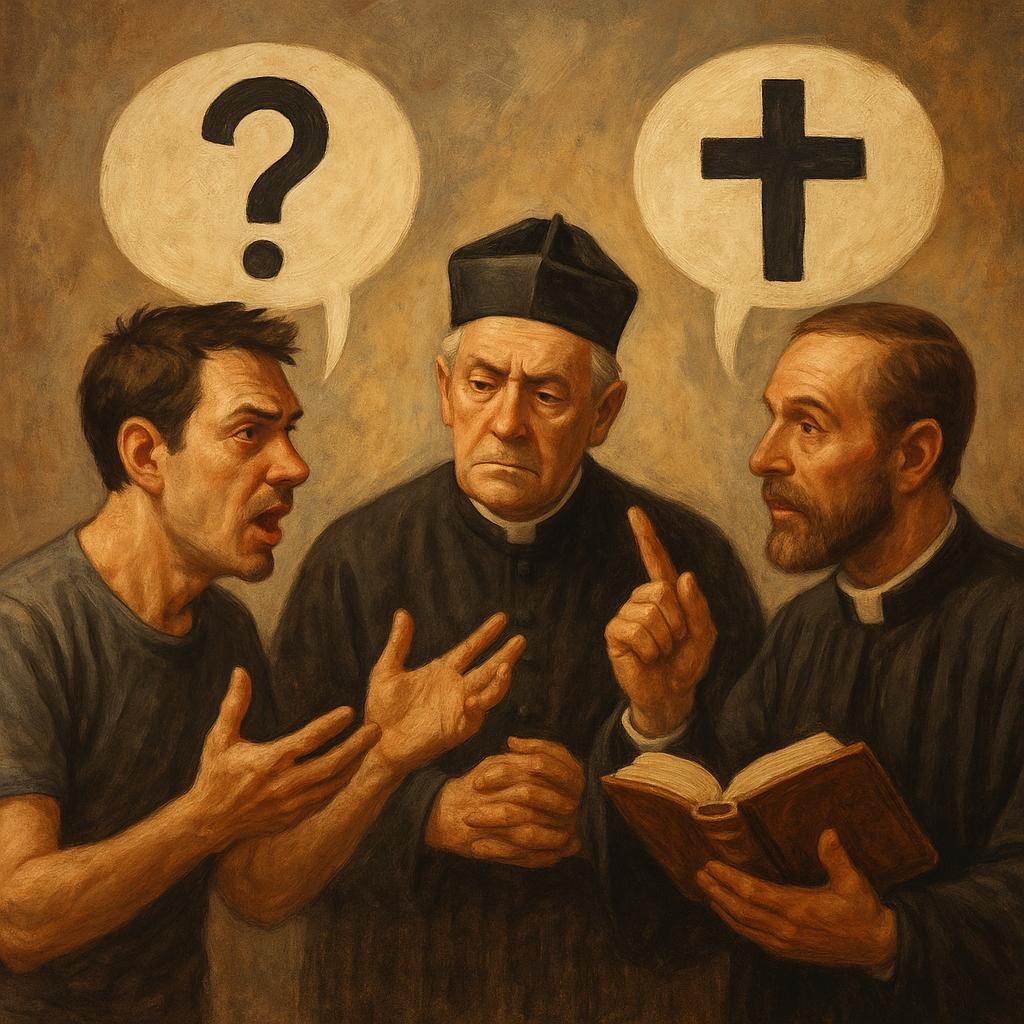
Does arguing with priests make sense?
I have an opportunity to have talks with one Roman Catholic priest and then two Evangelical ones. Does arguing with them really make sense? I cannot persuade them to stop believing in God, and since I am a rationally inclined person, there is a very slim chance they can persuade me (but it is still…
-

Psychopaths have more conscience than your pet
We love our pets. We treat them like family. They sleep in our homes. We imagine they feel what we feel. We think they understand. But this is a delusion. Not just a small one—a complete misreading of what pets are. The truth is unsettling. Your pet has no conscience. It does not know right…