Tag: politics
-
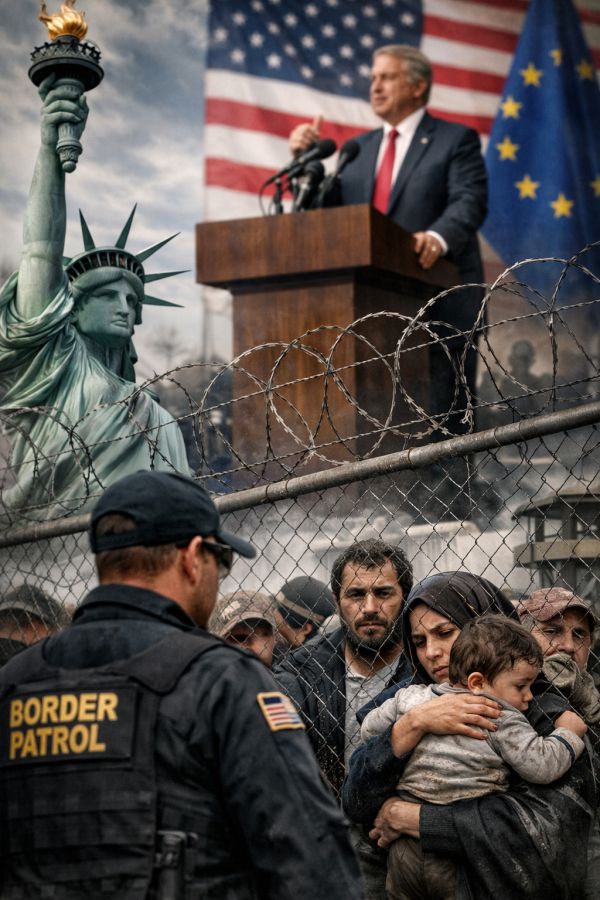
Screaming “democracy” while refusing asylum to millions
Modern democracies constantly celebrate dissent. Presidents praise brave activists abroad. Parliaments pass resolutions condemning dictatorships. Media outlets highlight courageous journalists who resist repression. The rhetoric sounds noble and principled. However, the story often changes the moment those dissidents seek protection. Suddenly admiration turns into bureaucracy. Applause turns into suspicion. Immigration systems begin to demand perfect…
-
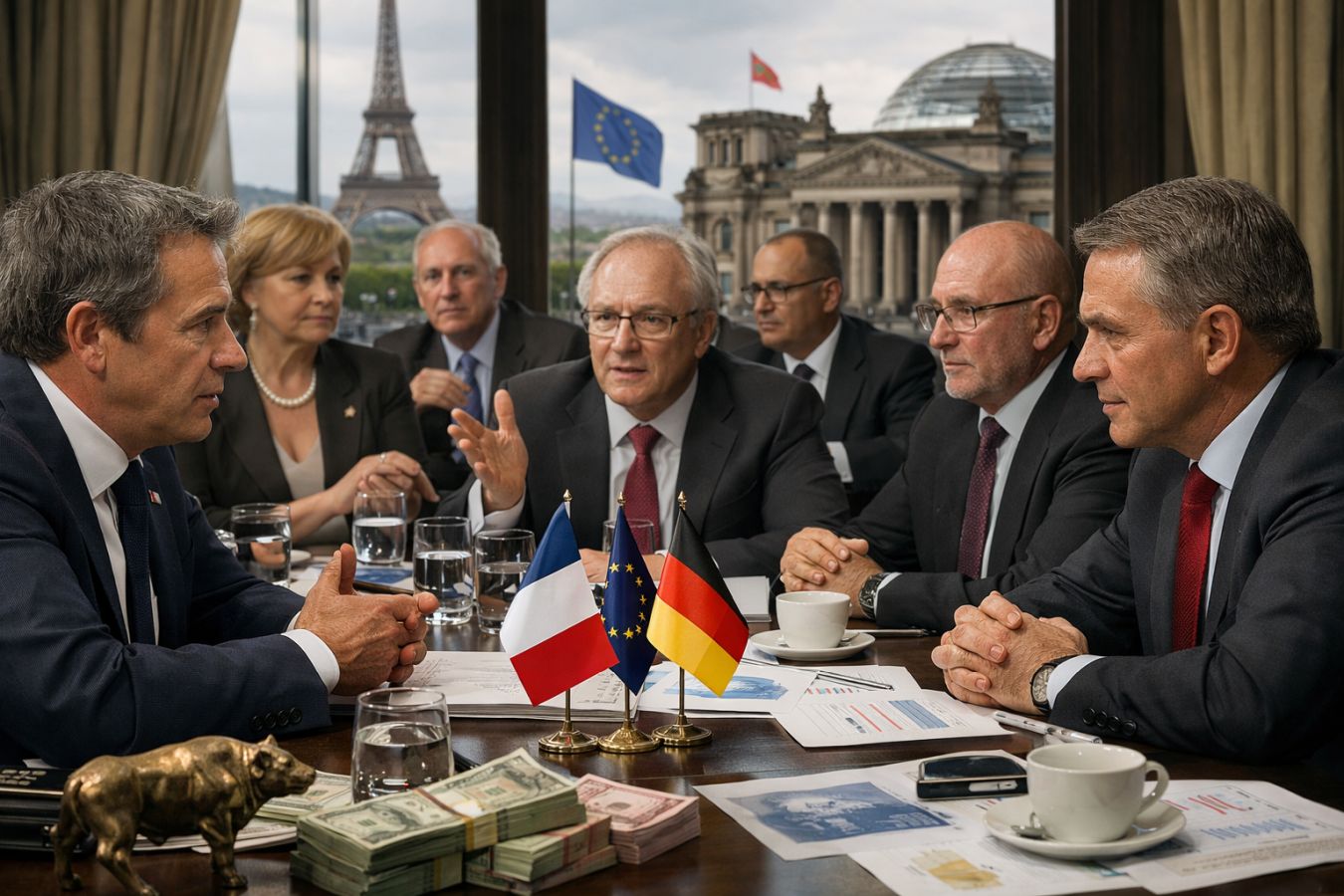
The rich manipulation of whole economies
Modern economies appear decentralized. Governments debate. Voters elect leaders. Markets supposedly react to millions of independent decisions. Yet this visible surface hides a far more concentrated structure. Big banks, super-rich families, multinational corporations, and powerful lobbying networks interact constantly behind the scenes. They move capital, shape regulations, and define investment priorities. Consequently, they influence economic…
-

The myth of meritocracy in modern society
Modern societies repeat one central promise. Work hard. Be talented. Stay disciplined. And you will rise. However, this promise describes an ideal, not a mechanism. It comforts the middle class; it legitimizes the elite. It disciplines those at the bottom. Meritocracy sounds rational. It sounds fair. It sounds scientific. Yet when you examine how capital,…
-
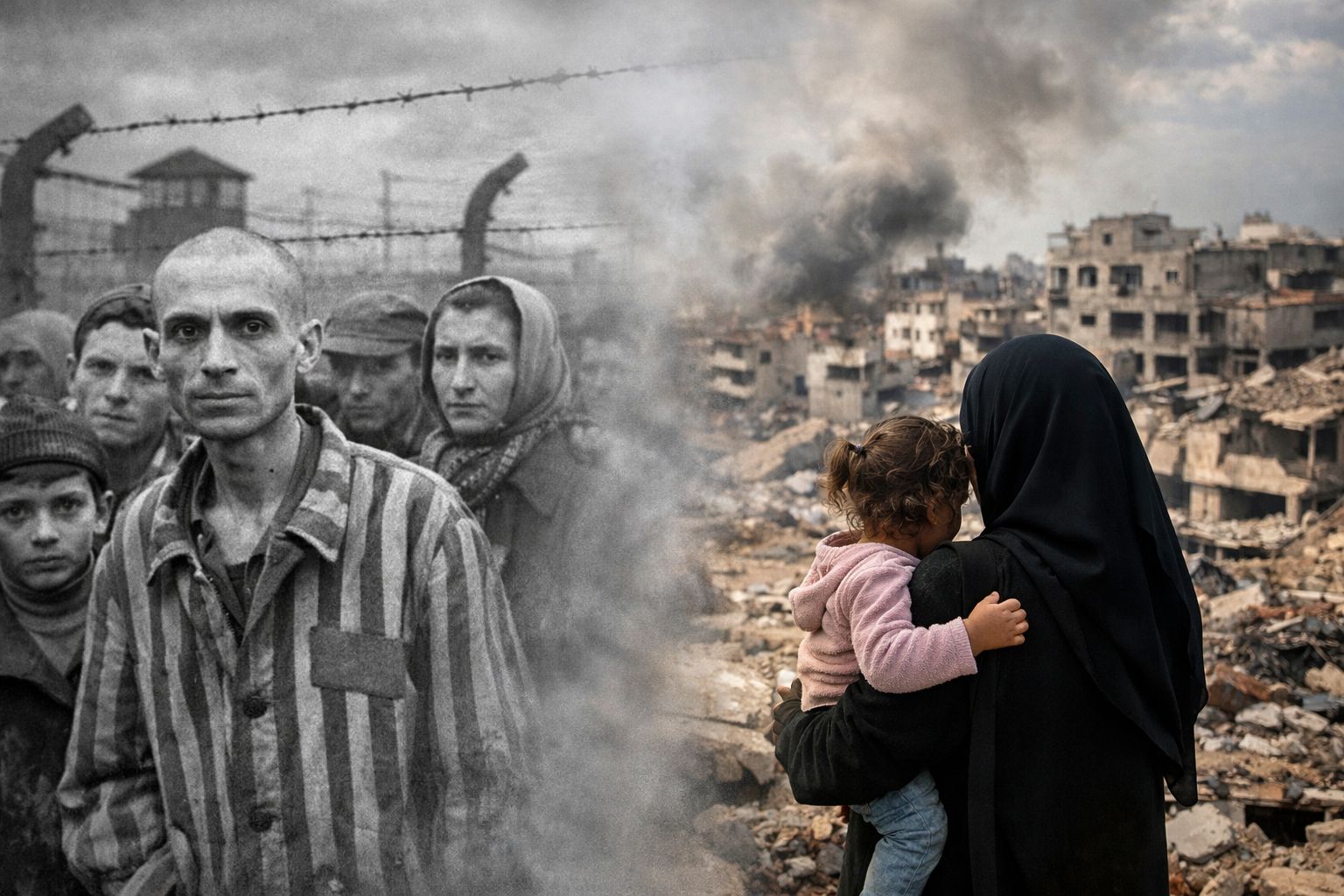
Sympathy for Holocaust and Gaza
At first glance, many people assume that when the concentration camps were liberated in 1945, the world immediately fell into collective moral shock. The narrative often suggests that once the photographs emerged, once the skeletal survivors stood before Allied cameras, universal compassion followed. However, history tells a far more uncomfortable story. In reality, sympathy did…
-

Is arresting finished after Andrew? No, but yes for the big fish
At first glance, the public story seemed to close itself. Jeffrey Epstein died in custody. Ghislaine Maxwell received a conviction. Headlines exploded and then gradually faded. Consequently, many assumed the system had corrected itself. Closure appeared to arrive naturally, almost automatically. However, closure and accountability are not identical. Then, unexpectedly yet historically, Prince Andrew was…
-

What kind of cards does Edward Snowden have?
Let’s face it. We were naive and never expected that governments can be so evil and conduct the largest operational scope that has ever been. Don’t trust the government. One KGB officer has told me that not only start-ups are product of military industrial complex, but he had foreseen these far before we had any…
-

When search engines silence controversy
At first glance, search engines appear neutral. They promise relevance. And they promise quality. They imply that the best content naturally rises to the top. However, once we examine their structure more closely, that promise begins to weaken. In reality, modern search is not a neutral archive. Rather, it is a risk-managed, advertiser-sensitive, regulation-aware ranking…
-
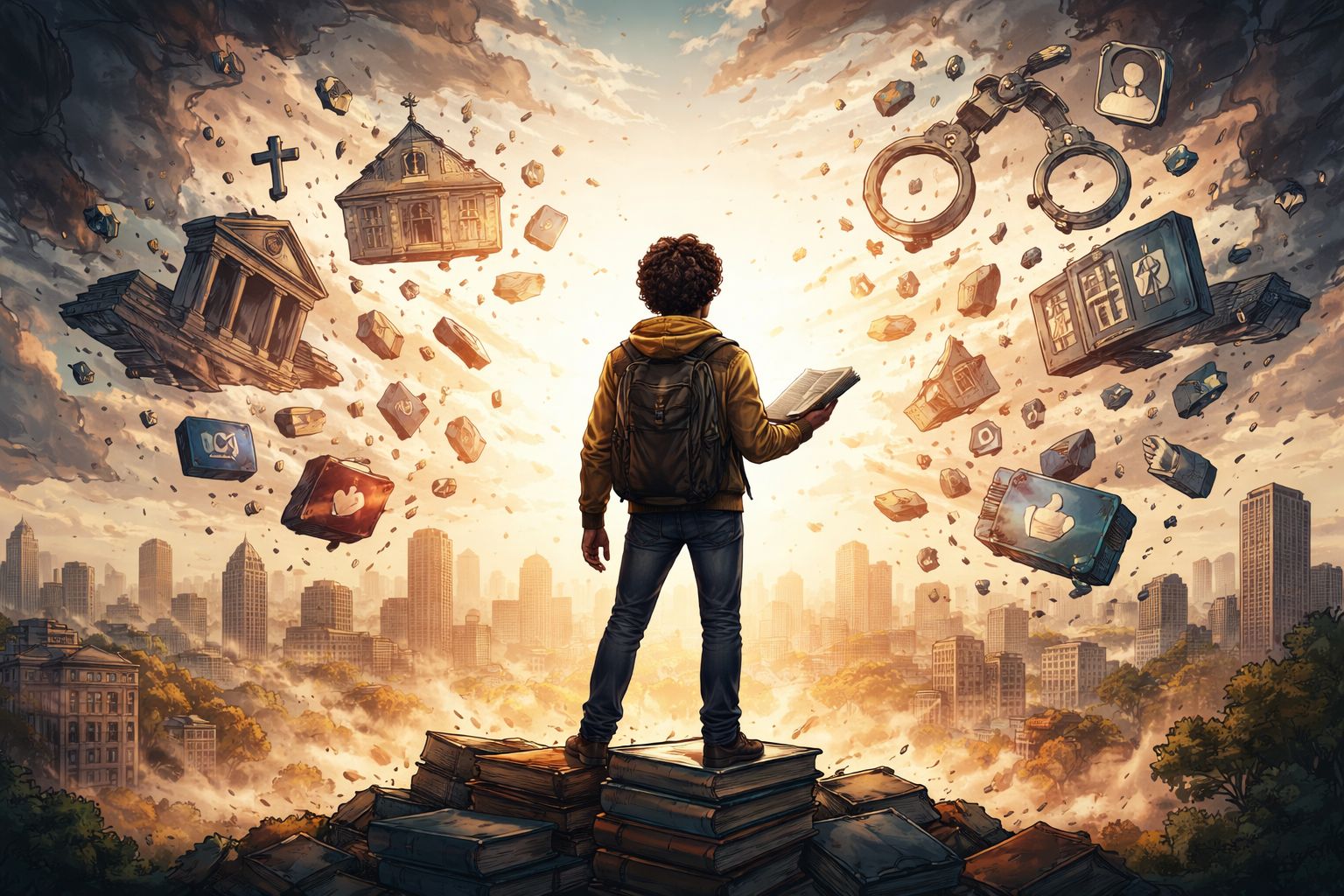
How freethinking challenges social norms
Every enduring society depends on shared assumptions. Yet every enduring society also evolves because someone eventually questions those assumptions. Throughout history, progress has rarely begun with consensus. Instead, it has begun with discomfort — with an individual or group asking whether accepted norms truly deserve their authority. Freethinking represents that disciplined willingness to question. It…
-
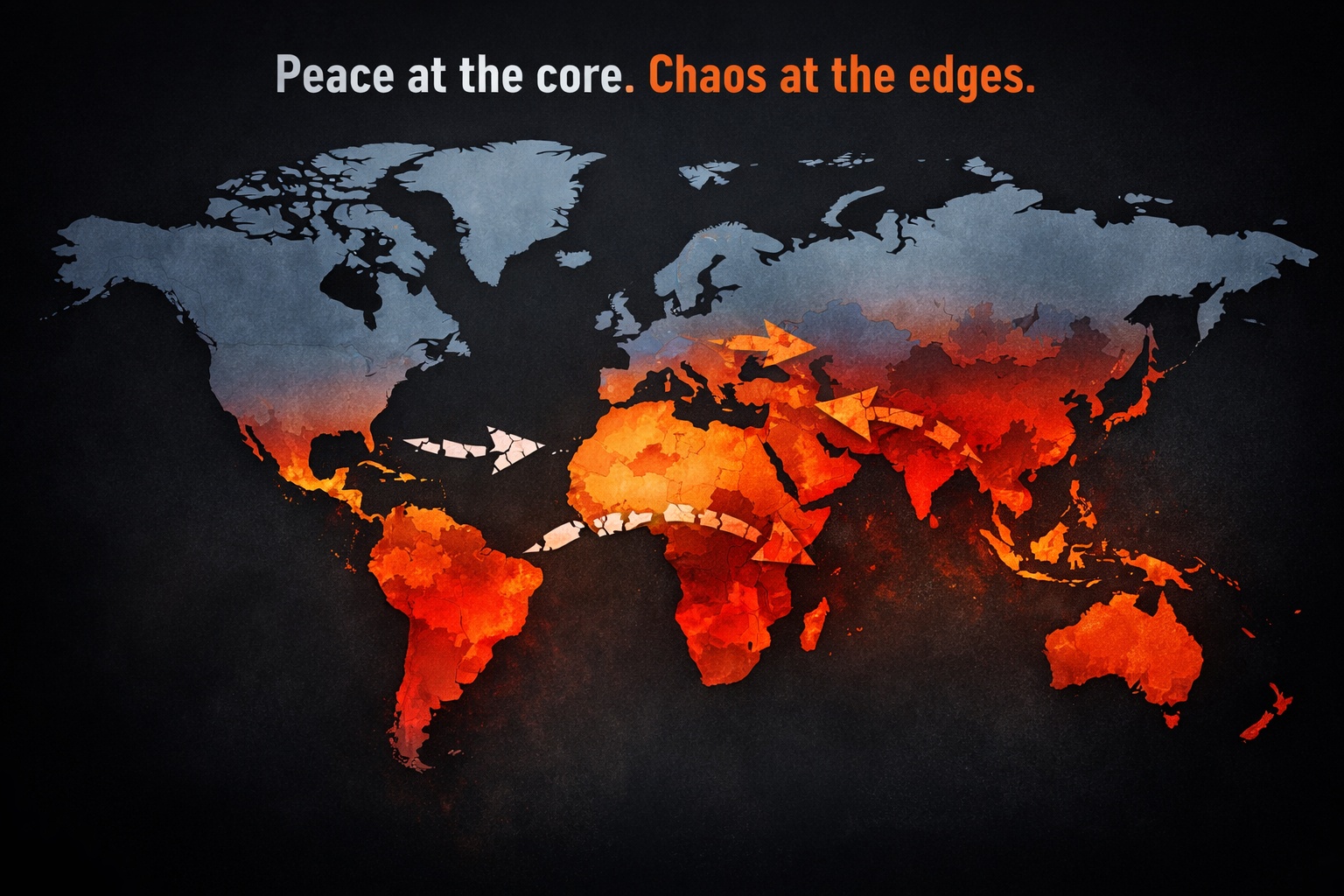
Will a New Monroe Doctrine bring peace?
The international system is entering a phase of open instability. Power no longer concentrates in one center, nor does it move predictably through established institutions. Instead, it fragments across regions, alliances, and competing economic blocs. The West still possesses enormous military, financial, and technological advantages, yet its ability to shape outcomes has clearly diminished. At…
-

Should Japan change its way and get militarized?
At first glance, the question sounds radical. Japan symbolizes pacifism, restraint, and postwar humility. However, this image hides a deeper historical and structural reality. Japan did not begin the twentieth century as a passive or backward country. On the contrary, it entered the Second World War as a fully modern, industrialized military power, fundamentally different…