Tag: politics
-

The American global geopolitical downfall
The decline of American global power is often described in cultural or political terms. Commentators focus on polarization, elections, leadership failures, or social conflict. While these factors matter at the surface level, they do not explain the structural shift in global power. The core mechanism of decline lies elsewhere. It lies in capital flows, financial…
-

If banks wanted the Czech government gone, It would be over
Public debate in Czechia constantly misidentifies power. It focuses on ministers, party leaders, scandals, and occasionally on flamboyant oligarchs. As a result, power appears chaotic, personal, and noisy. However, this picture misses the decisive layer. It ignores the actors who control liquidity, credit, refinancing, and market confidence. Therefore, it ignores the actors who decide whether…
-

The end of American soft power and the illusion of leadership
At its core, American soft power never meant kindness, morality, or cultural charm alone. Instead, it meant credibility. More precisely, it meant trust, predictability, and consistency. Countries aligned with the United States because the system appeared to work. As long as cooperation produced growth, alignment made sense. As long as rules delivered stability, persuasion succeeded.…
-

WW3: Why Trump’s 50% military increase may prevent escalation
Donald Trump wants to increase U.S. military spending by roughly 50 percent. This proposal immediately provokes outrage across media, academia, and political commentary. Critics frame it as militarism, authoritarianism, or even a step toward dictatorship. These concerns sound reasonable at first glance. However, they focus on symbolism and personality rather than on geopolitical structure. Power…
-

Trump, hemispheric power, and the New Monroe Doctrine
The United States is entering a new Monroe Doctrine era. This shift does not arise from nostalgia, ideology, or a desire for isolation. It emerges from structural pressure. The global distribution of capital, power, and influence has changed faster than American institutions can adapt. Either the United States actively projects a hemispheric doctrine, or external…
-
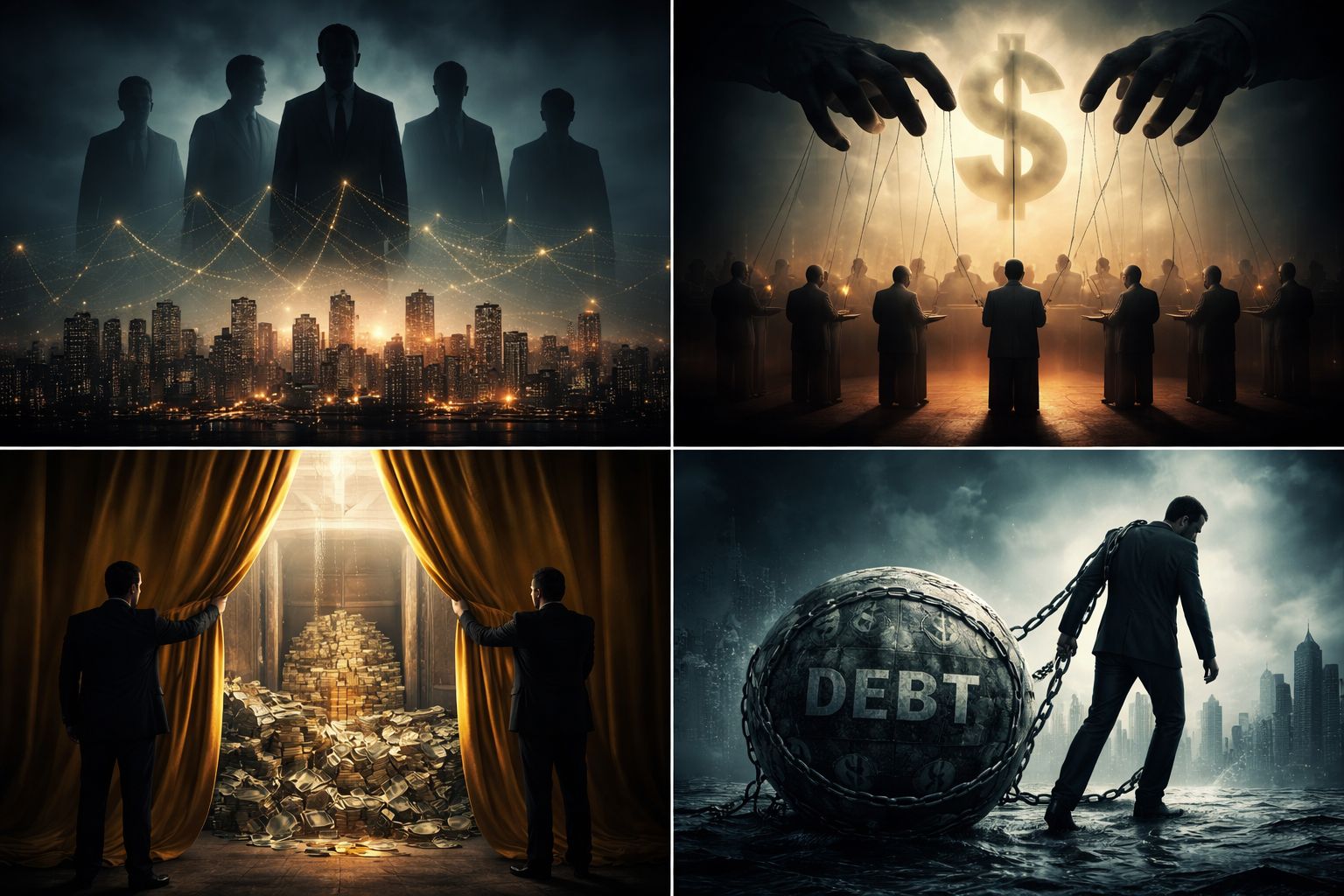
The silent power of financial dynasties
Public debate fixates on visible authority. Elections dominate headlines. Leaders absorb blame. Parties absorb hope. However, this focus misidentifies where decisive power operates. Financial dynasties do not seek legitimacy. Instead, they shape the conditions under which legitimacy functions. Before voters choose, before campaigns begin, economic constraints already exist. These constraints define what governments can realistically…
-

Cartels without gangsters: Power, coordination, and legality
Where are cartels, and why is it almost impossible to break them? People imagine cartels as gangsters. Guns. Drugs. Violence. That image feels comfortable. It pushes the problem far away. However, modern cartels do not wear masks. They wear suits, they file reports, they hire lawyers. They operate legally. Therefore, the first mistake lies in…
-
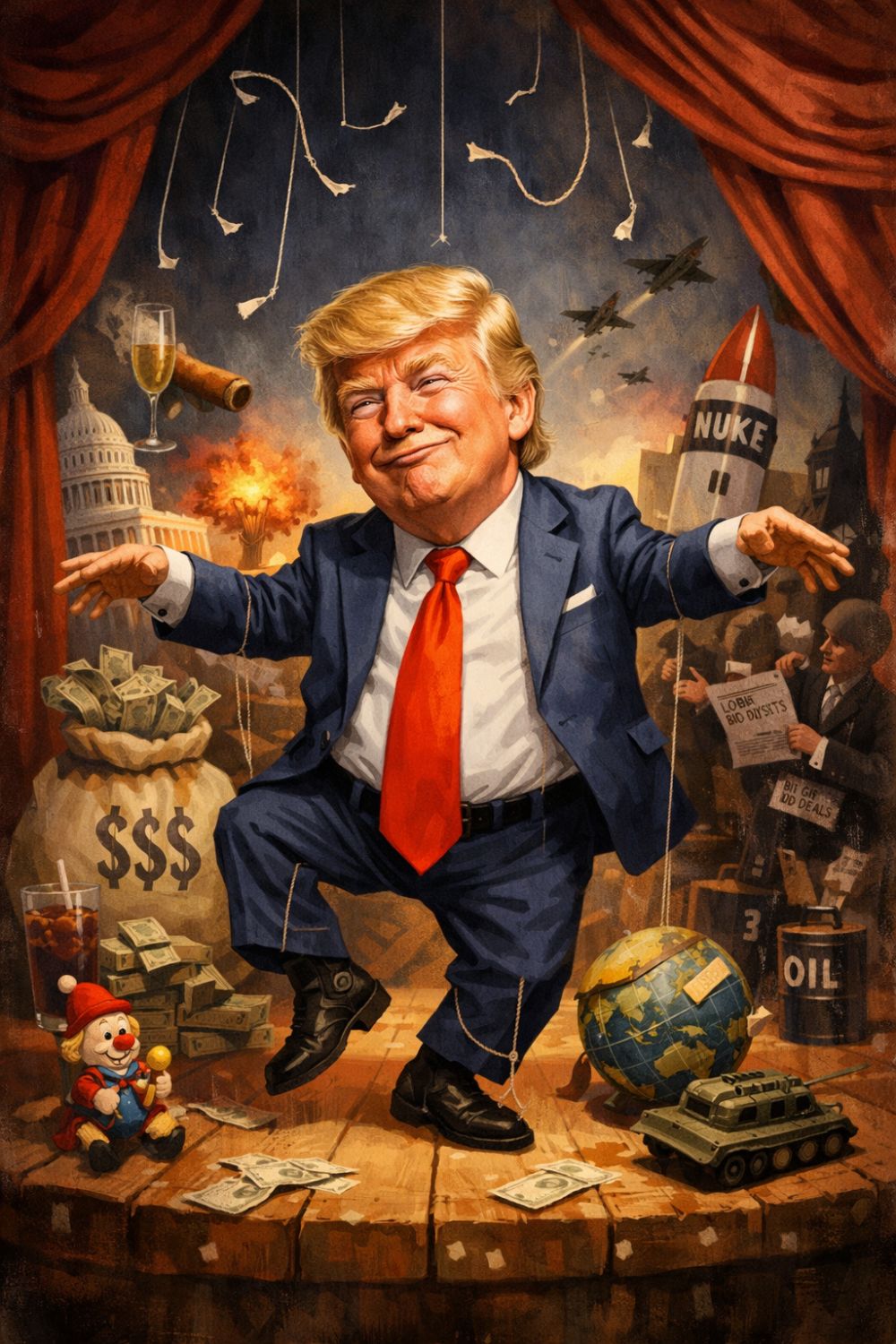
The world is safe: We have a stable leader
We can be proud we have a stable, mature, self-less leader of the world. The praise sounds reassuring. It sounds calming. It sounds like adult supervision has finally arrived. In an age of overlapping wars, collapsing norms, and nuclear escalation, many people want to believe that someone sane sits at the top. Someone restrained, someone…
-

Russia not fighting against West alone
Russia repeatedly claims that it now fights alone against the West. This claim appears persuasive at first glance, especially when framed as a civilizational struggle. However, once history enters the discussion, the narrative starts to unravel. Again and again, Russia survived major conflicts not through isolation, but through alliances, indirect support, or favorable global conditions.…
-
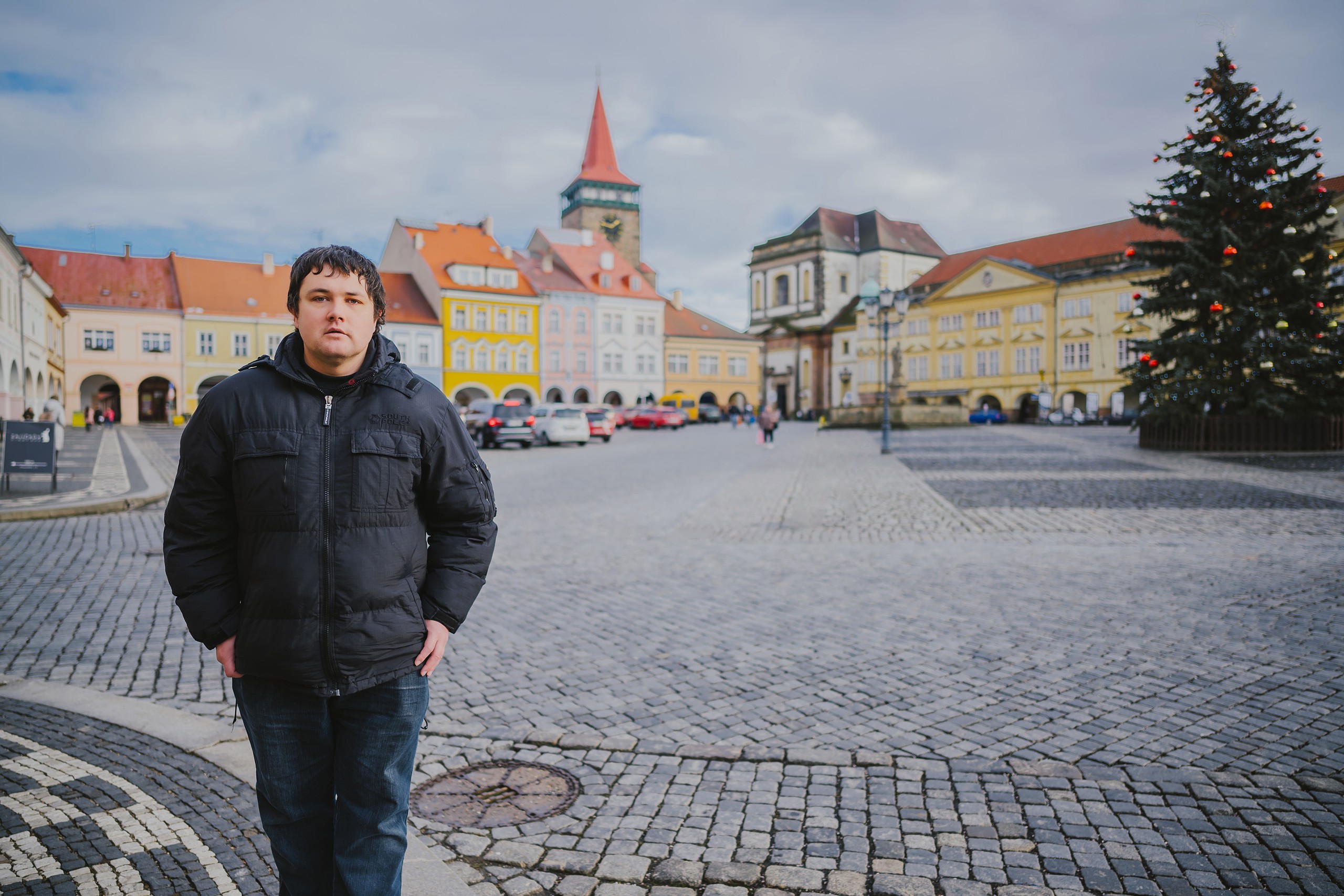
How they decide in New York how we live in Jičín
It sounds exaggerated at first, it sounds provincial. It sounds paranoid. Yet it is sillier to believe the opposite. It is silly to think that international lobbyists, global banks, and rich corporations have nothing to do with the financial balance of the Czech Republic. Borders exist on maps. Capital ignores them. Therefore, when people talk…