Tag: politics
-
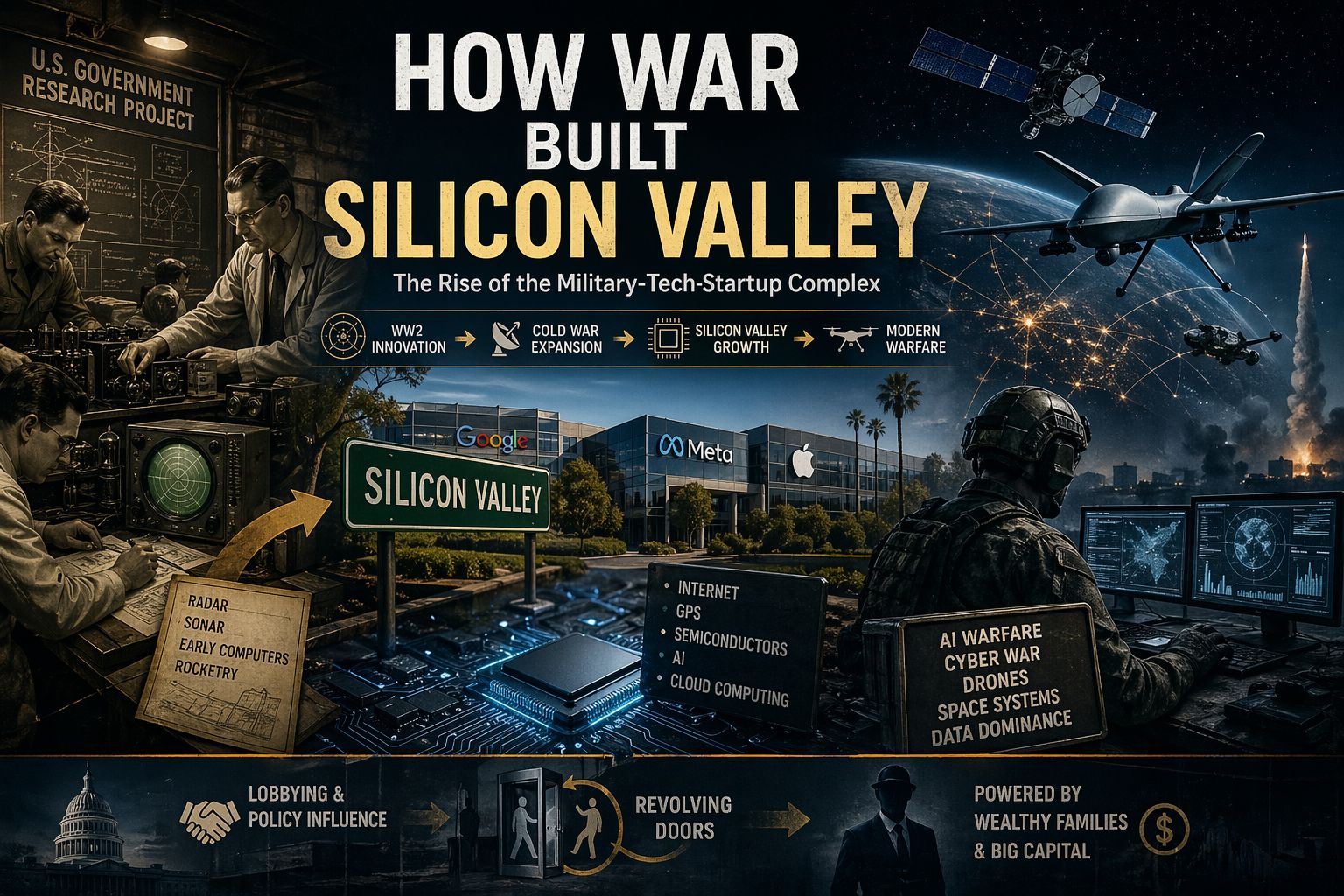
How war built Silicon Valley: The military-tech complex
World War II reshaped not only borders but the relationship between science, industry, and power. It forced governments to mobilize knowledge at an unprecedented scale. It forced companies to innovate under pressure. It forced scientists to solve problems with immediate consequences. Therefore, the war did not only produce weapons. It produced a system. This system…
-
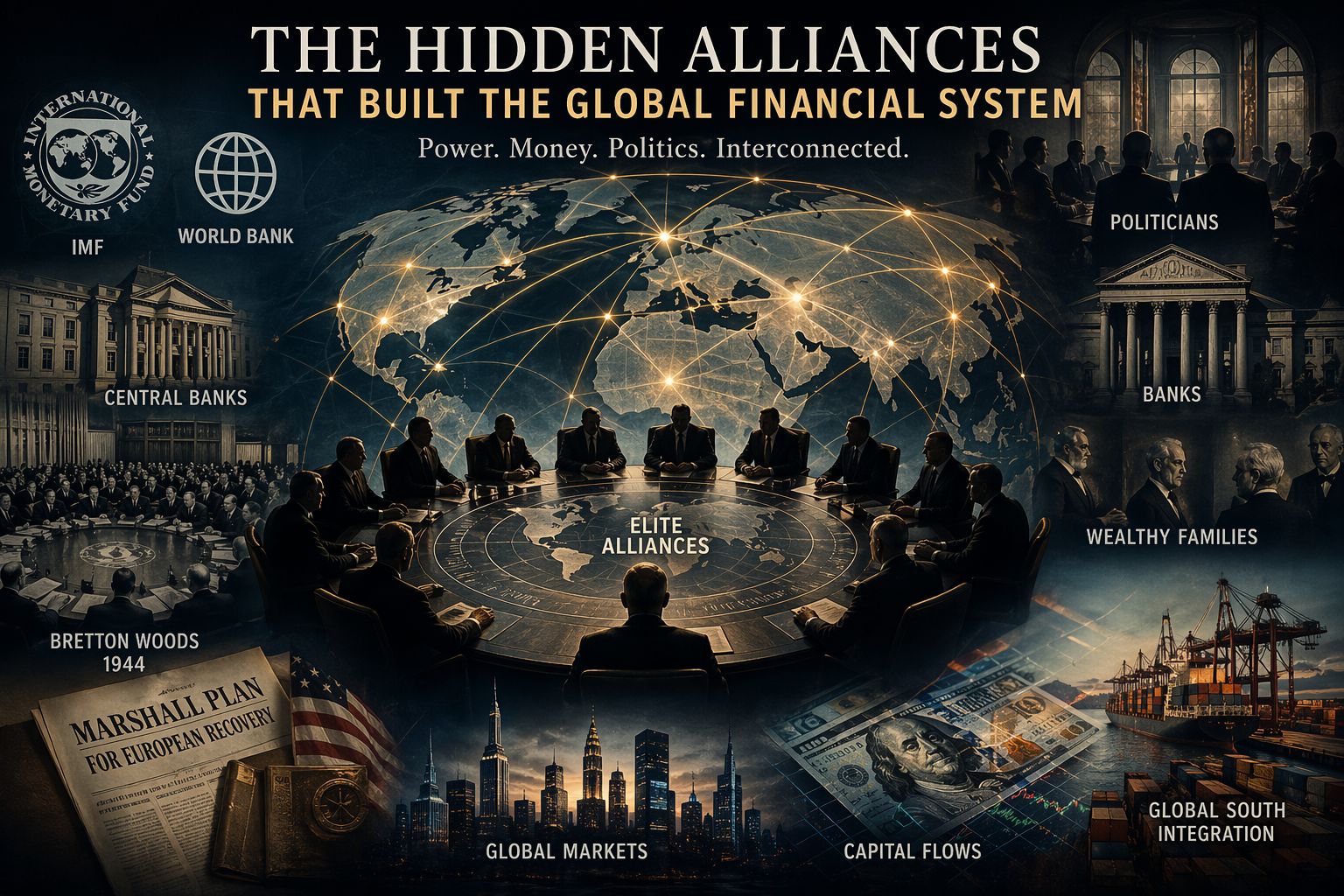
Who built the global financial system? Power alliances
Europe did not rebuild itself in isolation after World War II. It rebuilt through links. Every factory needed foreign capital. Every currency needed external trust. Every government needed partners. At the same time, wealthy families with prewar financial influence did not disappear. They adapted. They repositioned themselves inside the emerging system. Therefore, interconnection did not…
-
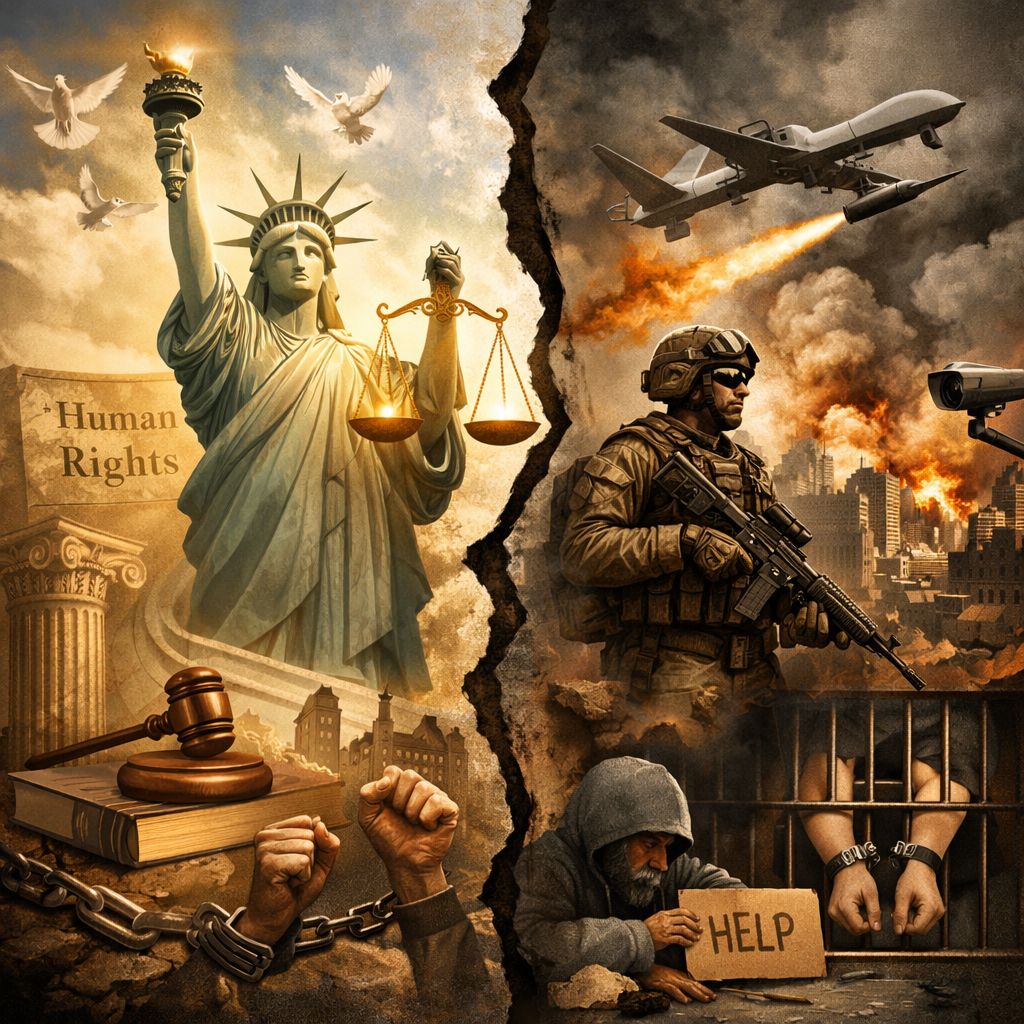
Western moral superiority in theory and praxis
The West presents itself as the highest moral stage of civilization. It speaks in the language of human rights, dignity, restraint, and universal values. Moreover, it exports this language through diplomacy, media, academia, and international institutions. Therefore, moral superiority does not remain an internal belief. It becomes a global standard against which other societies are…
-
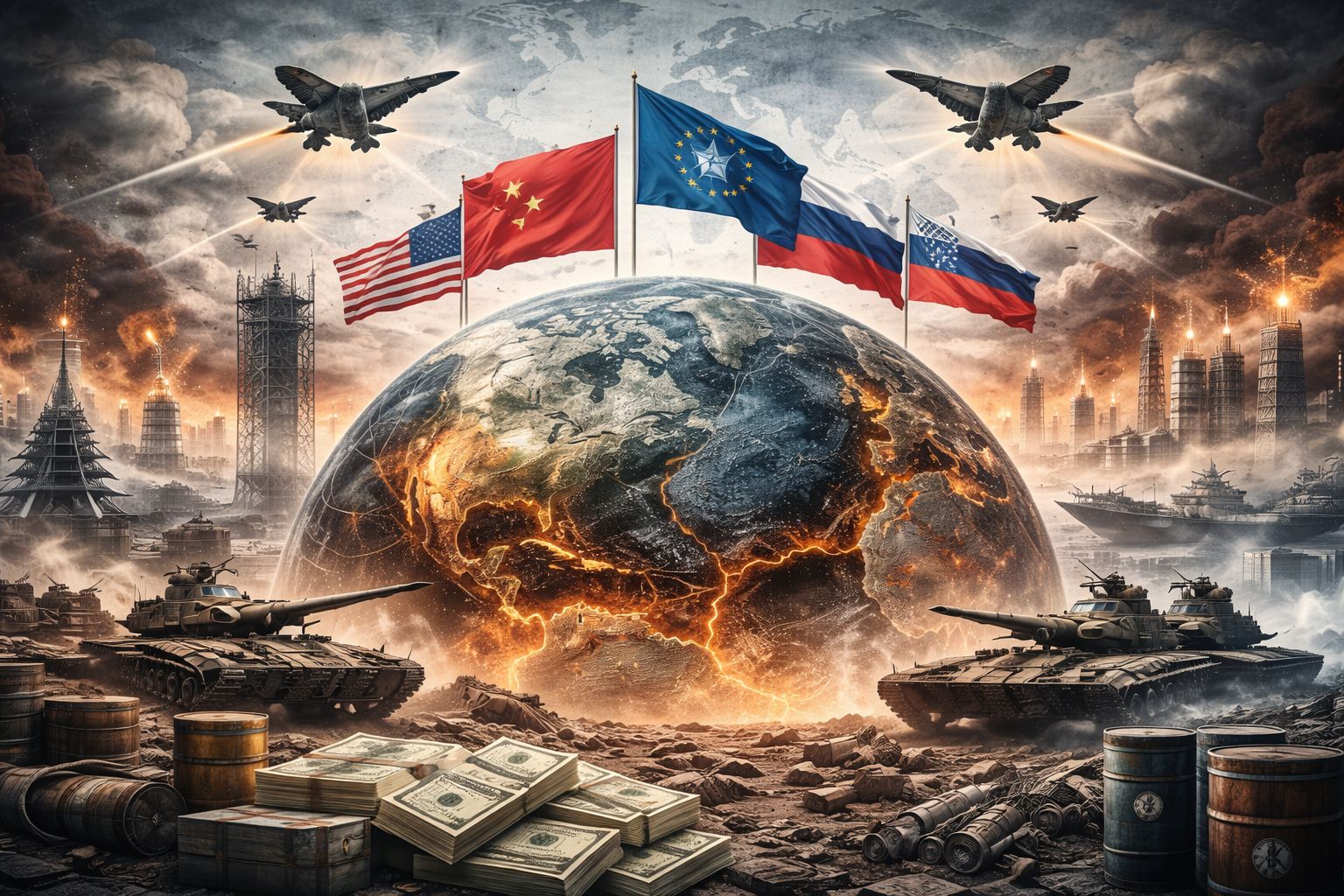
The world before WW3
The world does not enter global war suddenly. It drifts toward it. Tensions accumulate. Alliances shift. Economic systems strain under pressure. Therefore, to understand a potential World War III, one must analyze the current structure of power. This includes states, capital flows, institutions, and informal networks. War does not emerge from chaos. It emerges from…
-
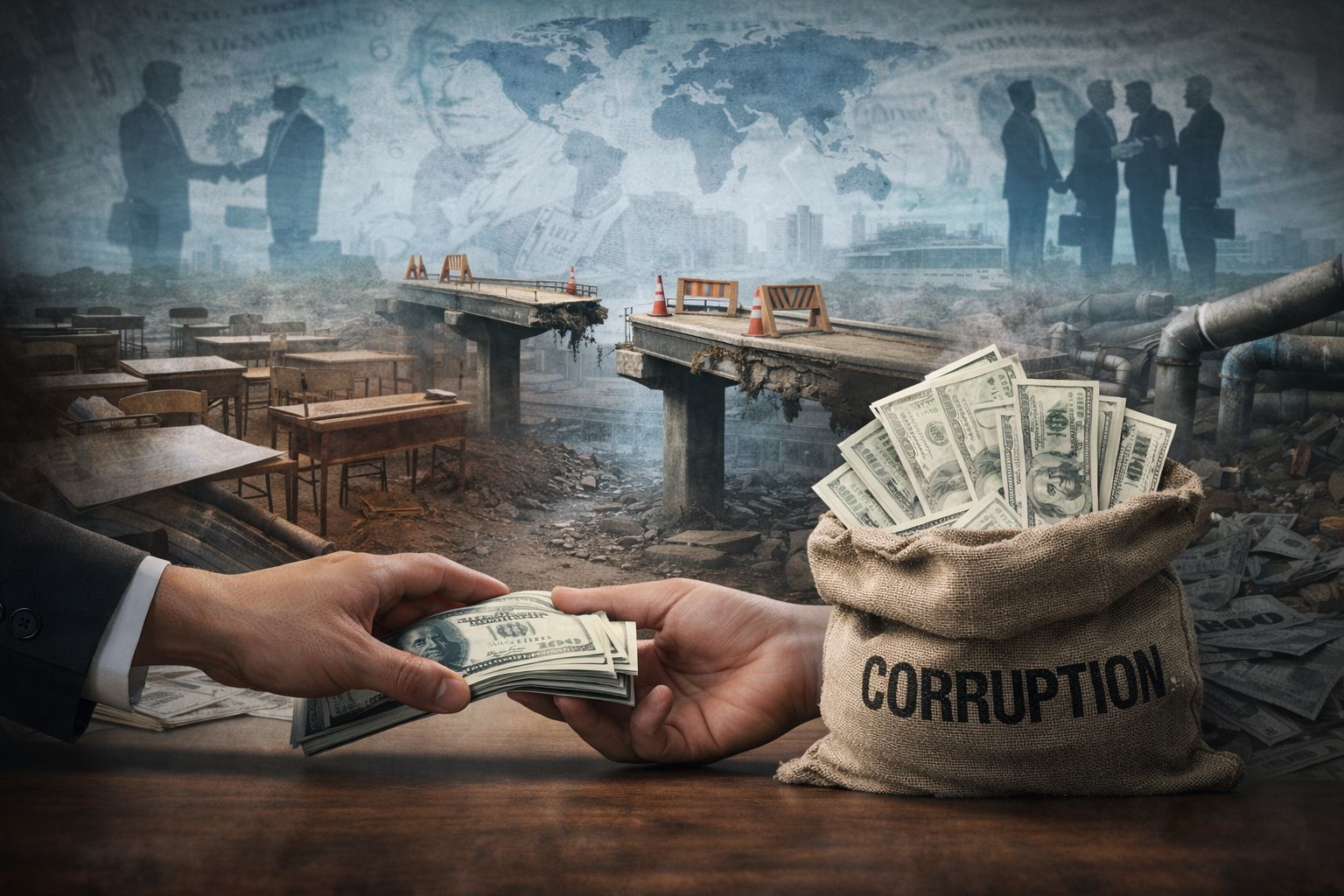
The evolutionary psychology of corruption
Corruption does not begin in institutions. It begins in human nature. People often treat it as a failure of laws, culture, or governance. However, these explanations remain incomplete. Corruption emerges from behavioral tendencies that once improved survival and reproduction. Therefore, to understand corruption, one must start with biology. Only then can one understand why it…
-
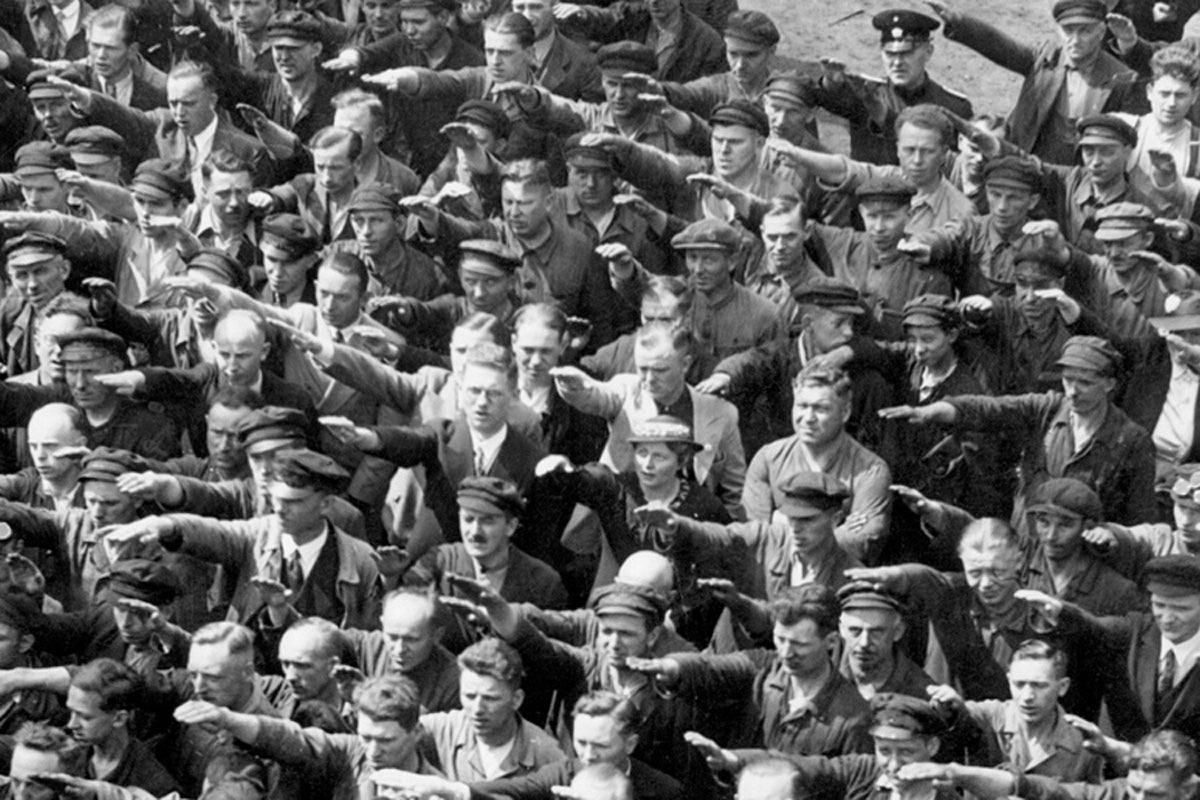
When you meet 1930s Nazi antisemitism now
You enter a discussion expecting conflict. Because politics creates disagreement, this feels normal. Therefore, when you replied to that post, you expected a rational exchange. You made your position clear. First, you separated criticism from prejudice. Then, you accepted criticism of lobbying and foreign policy. At the same time, however, you rejected identity-based exclusion of…
-
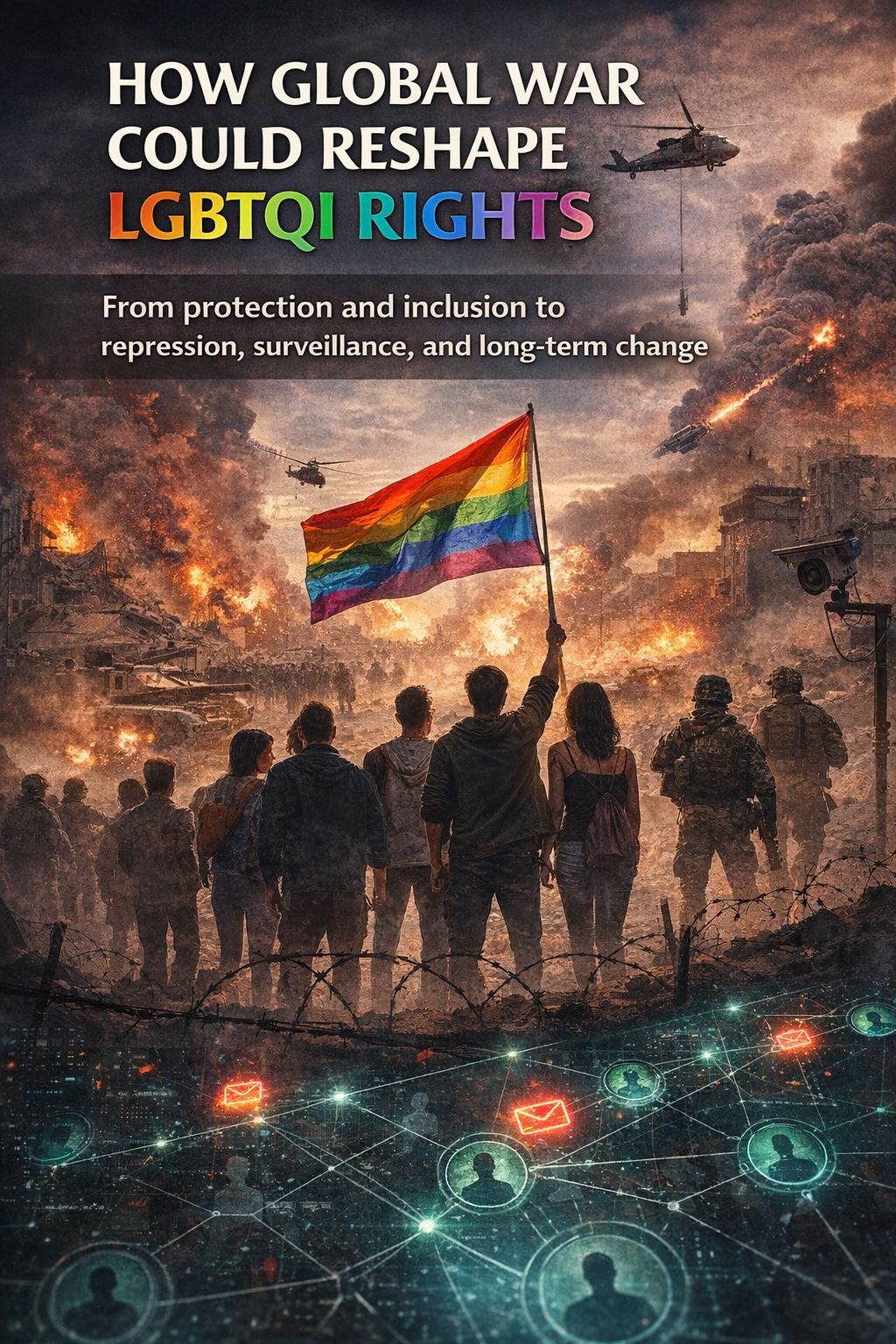
If WW3 erupted, what does it mean for LGBTQI?
War does not only redraw borders. It reshapes priorities, values, and identities. When a global conflict erupts, states stop thinking in terms of rights and start thinking in terms of survival. Therefore, the question is not whether LGBTQI people will be affected. The real question is how deeply their position in society will shift when…
-
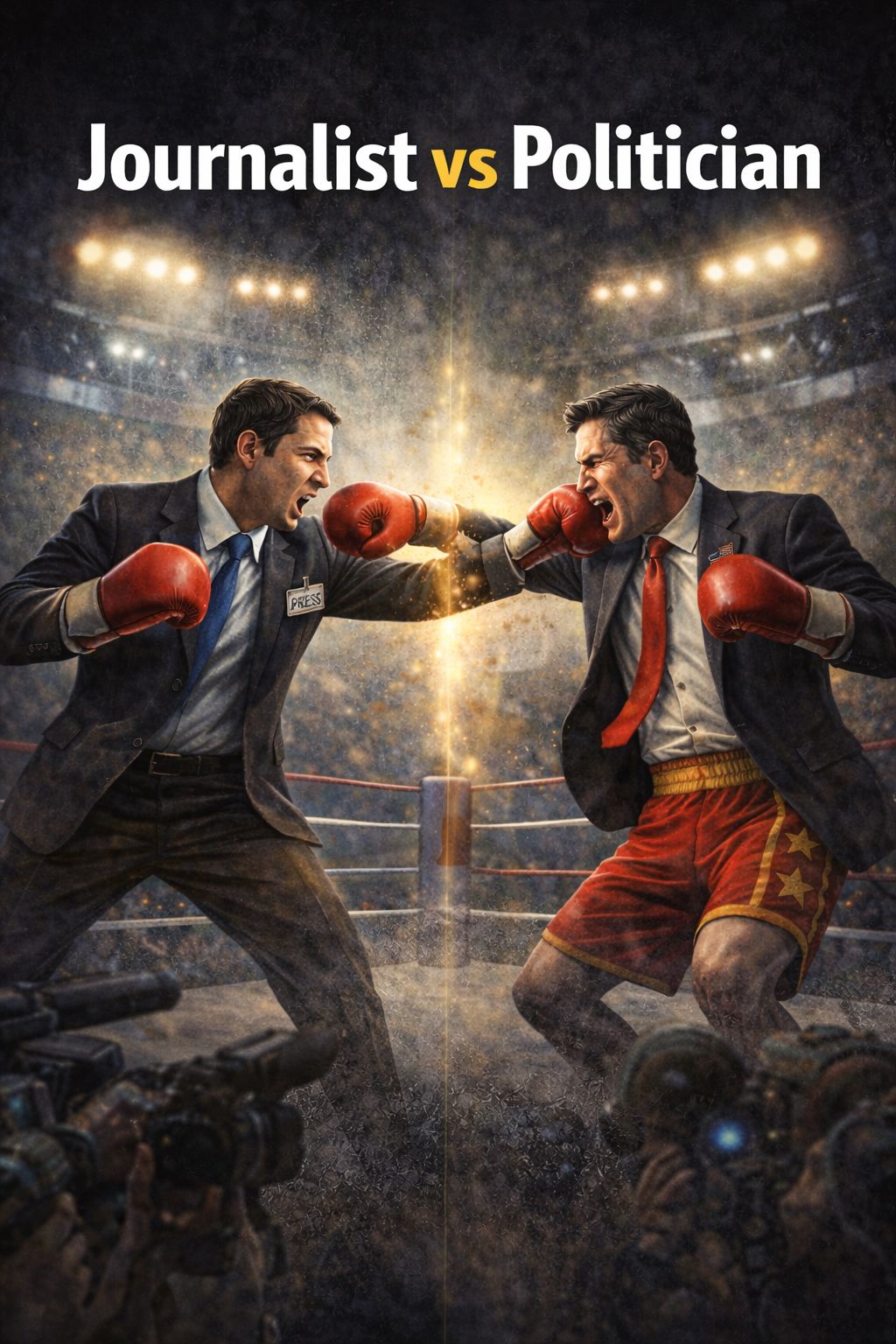
Journalists’ and politicians’ feud: Who succumbs more to the rich?
Journalists and politicians present themselves as opposing forces. One claims to expose power. The other claims to exercise it. Therefore, conflict defines their public image. However, this conflict often conceals alignment. Both groups operate within the same system. Both depend on access, resources, and networks. Consequently, the real question does not concern who fights harder.…
-
The worst thing: Journalists are “normally moral”
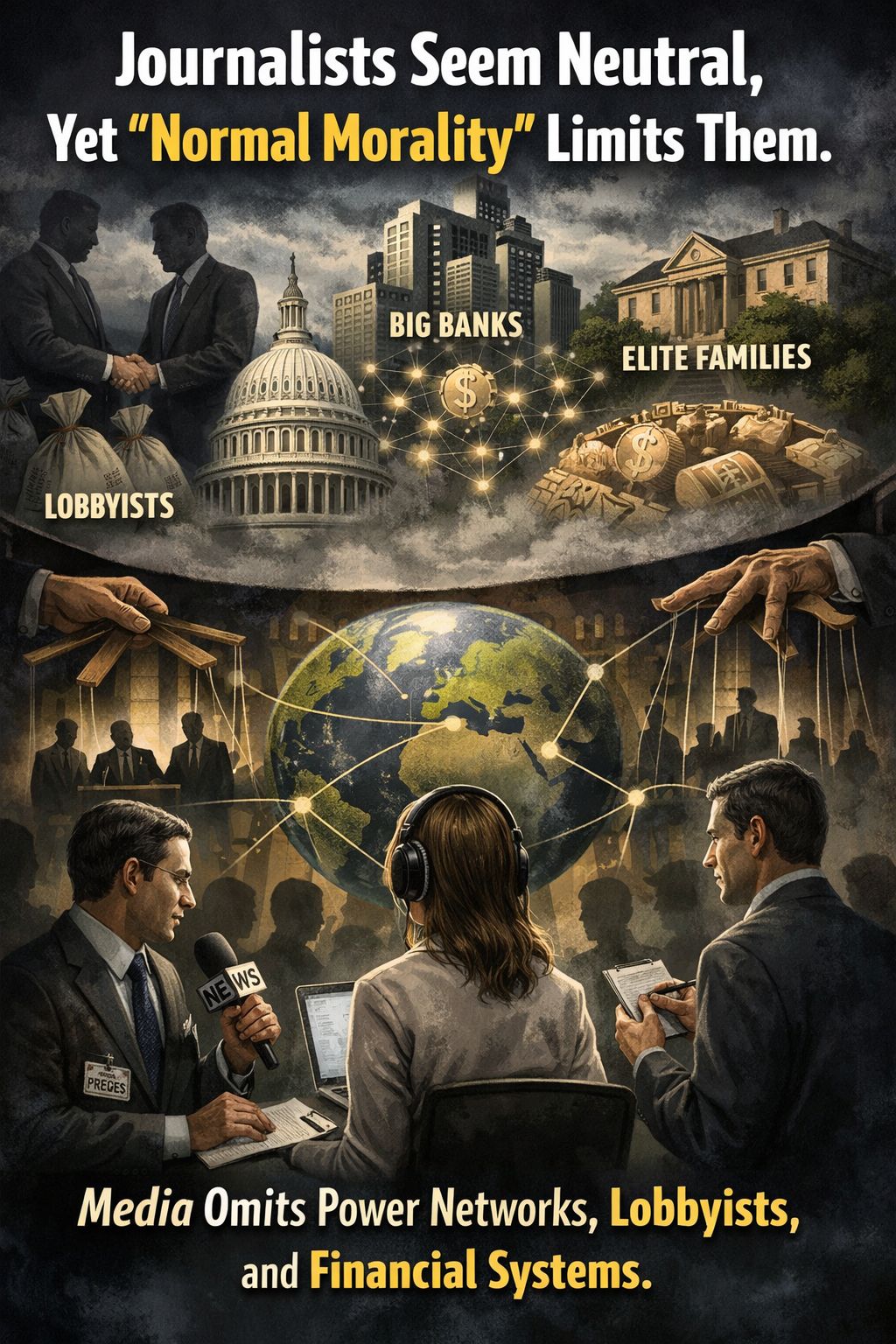
Journalists present themselves as neutral observers. They claim balance, responsibility, and distance from power. However, this image does not describe reality. Instead, it describes a role they must perform in order to function. In practice, journalism filters reality. It selects which facts matter and which connections deserve attention. Therefore, the key problem does not lie…
-
Why are Brits enraged at “presence”?
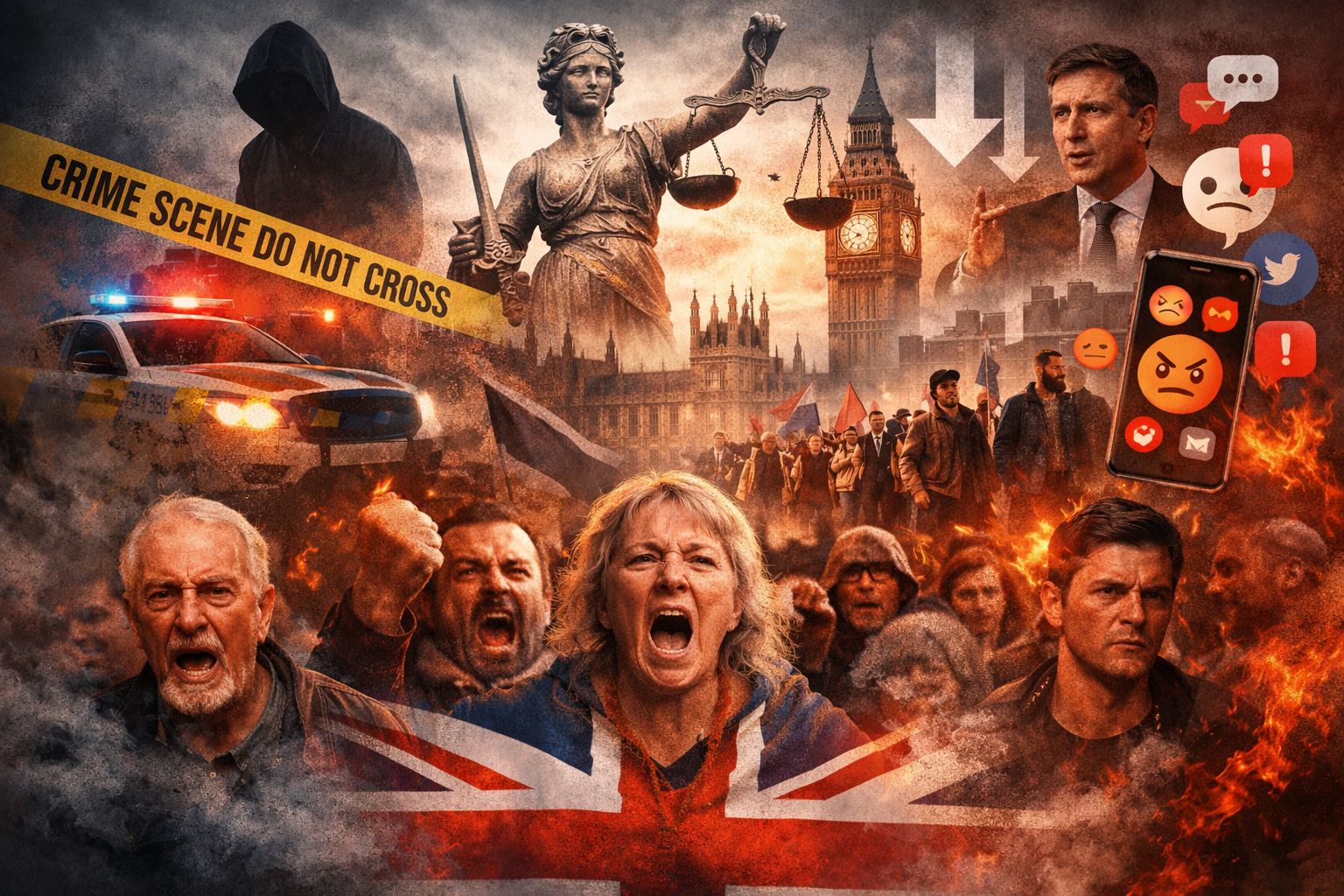
Public anger in the United Kingdom does not come from one event. Instead, it builds over time. People feel it in daily life, in conversations, and especially online. Therefore, what looks irrational often follows a structure. It is not chaos. It is accumulation. Crime: The starting point Crime acts as the initial trigger. Not statistics,…