Tag: politics
-
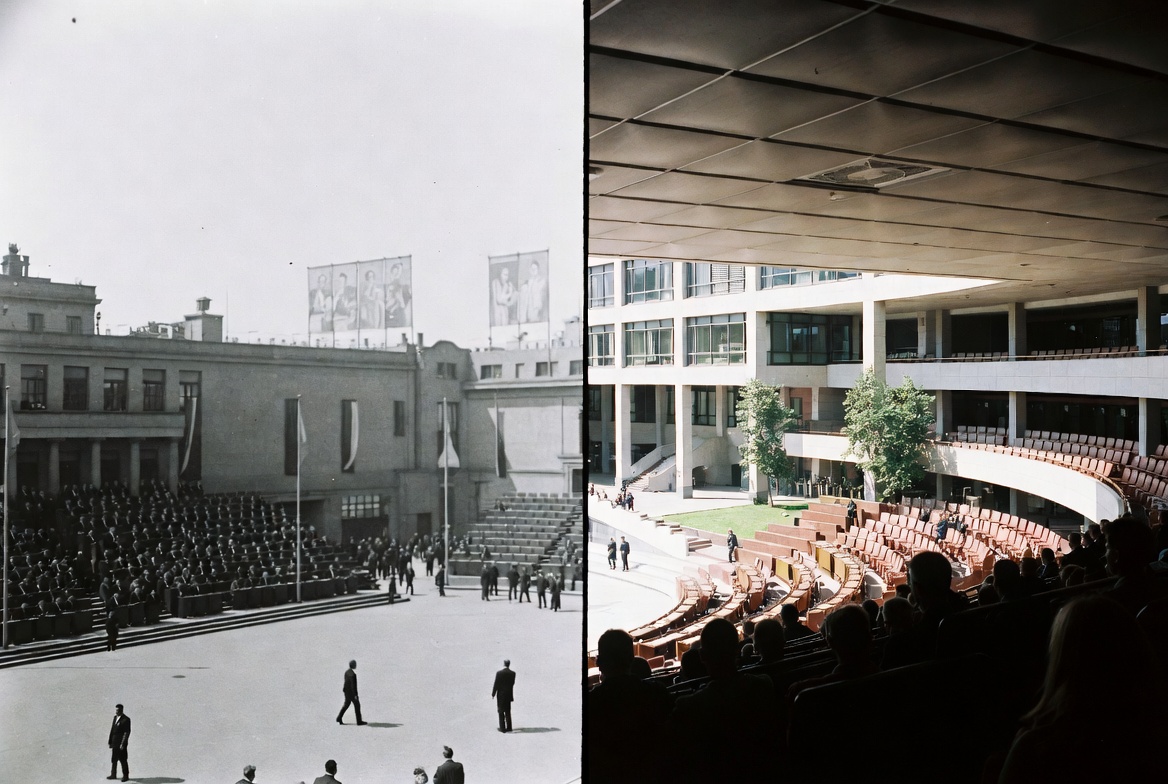
Antisemitism among politicians in the 21st century
Antisemitism is one of the oldest forms of prejudice in human history, yet it remains remarkably adaptable. Although the Holocaust fundamentally changed how openly antisemitic views are expressed in democratic societies, hostility toward Jews has not disappeared. Instead, it has evolved. Politicians rarely repeat the language of Nazi Germany directly. More often, antisemitic narratives appear…
-
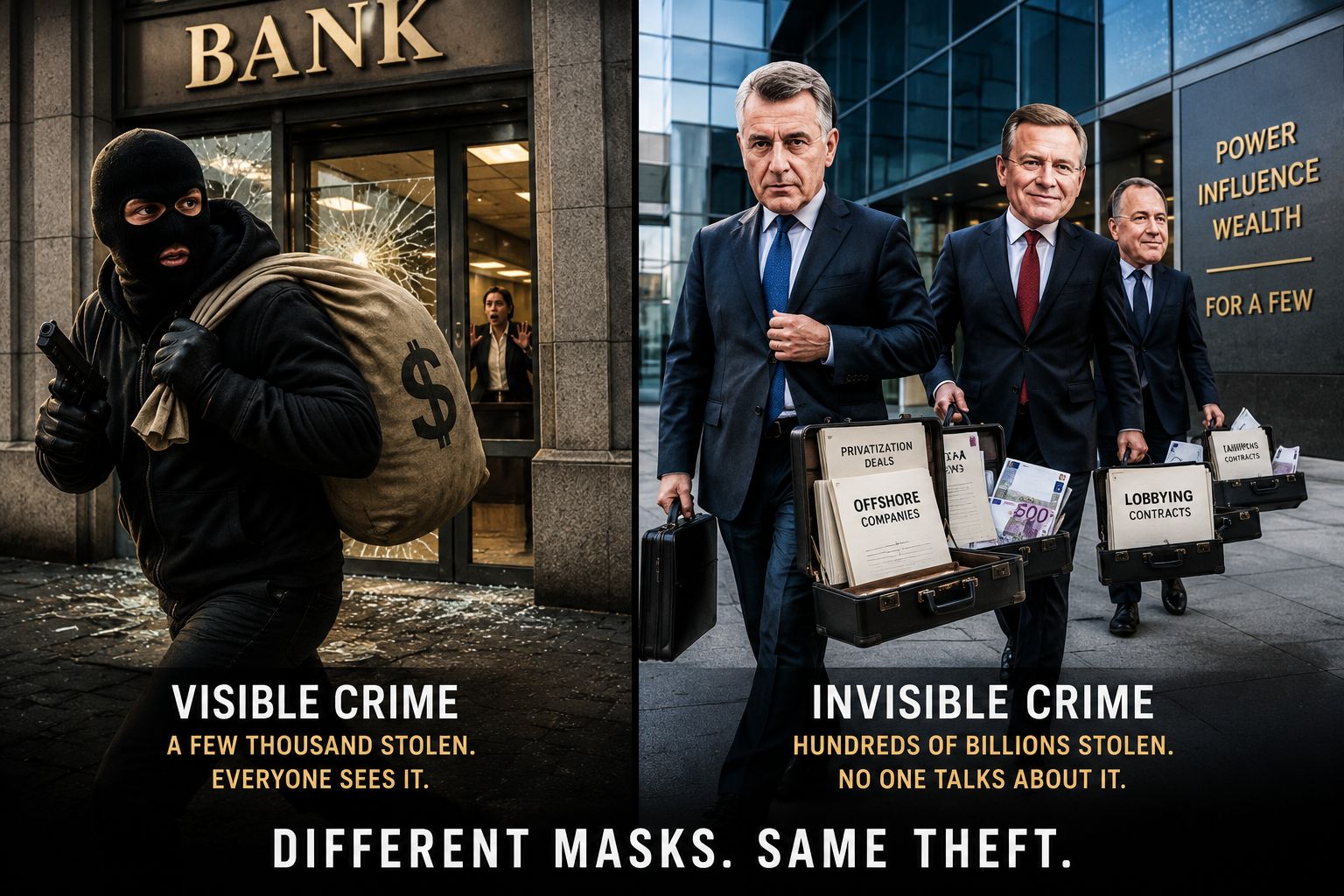
Cruel bank robbery vs. financial crimes
When masked robbers storm into a bank with weapons, the event dominates headlines for days. Television stations replay security footage, newspapers print dramatic photographs, and politicians promise tougher penalties. Victims often describe the experience as one of the most traumatic moments of their lives. Being threatened with violence, believing you may die, or watching someone…
-
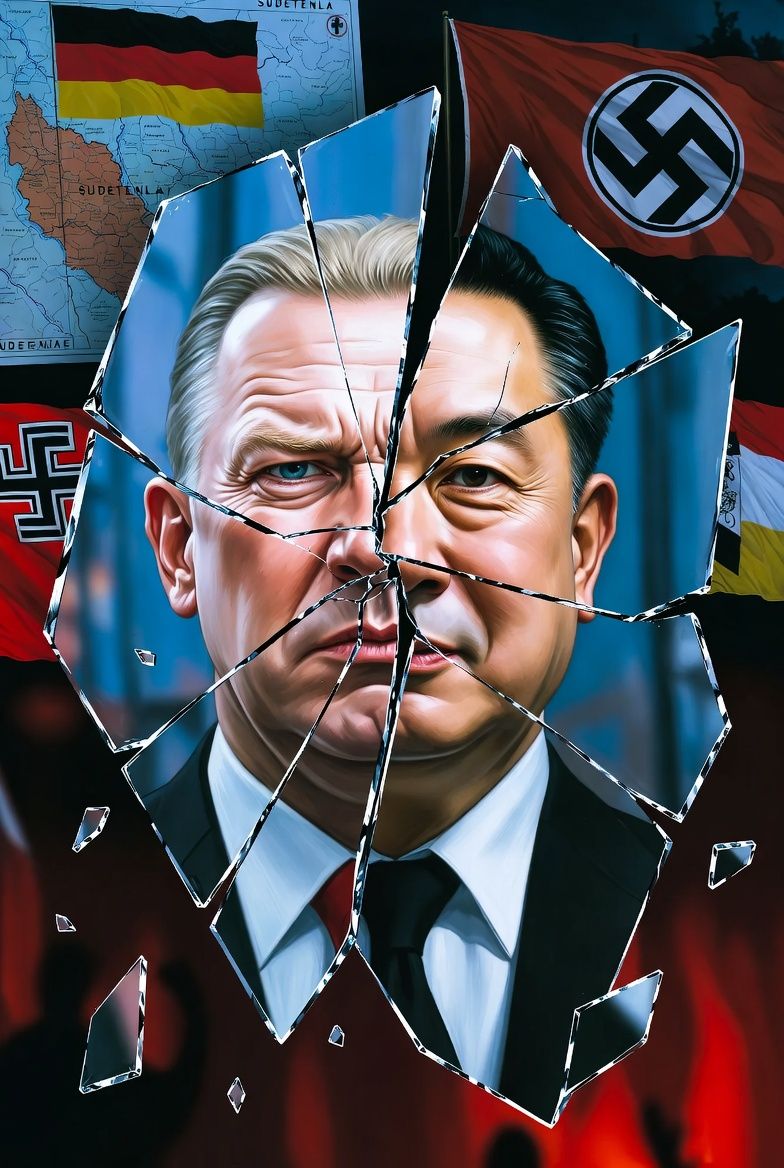
When slant-eyed politician promotes white race
The Czech Republic has a mentally retarded and psychiatric ill electorate. Let us not mince words about it. This is not an insult; this is a clinical observation of a populace that has, for decades, been fed a steady diet of cheap beer, cheaper propaganda, and the comforting lullaby of victimhood. They have forgotten history,…
-
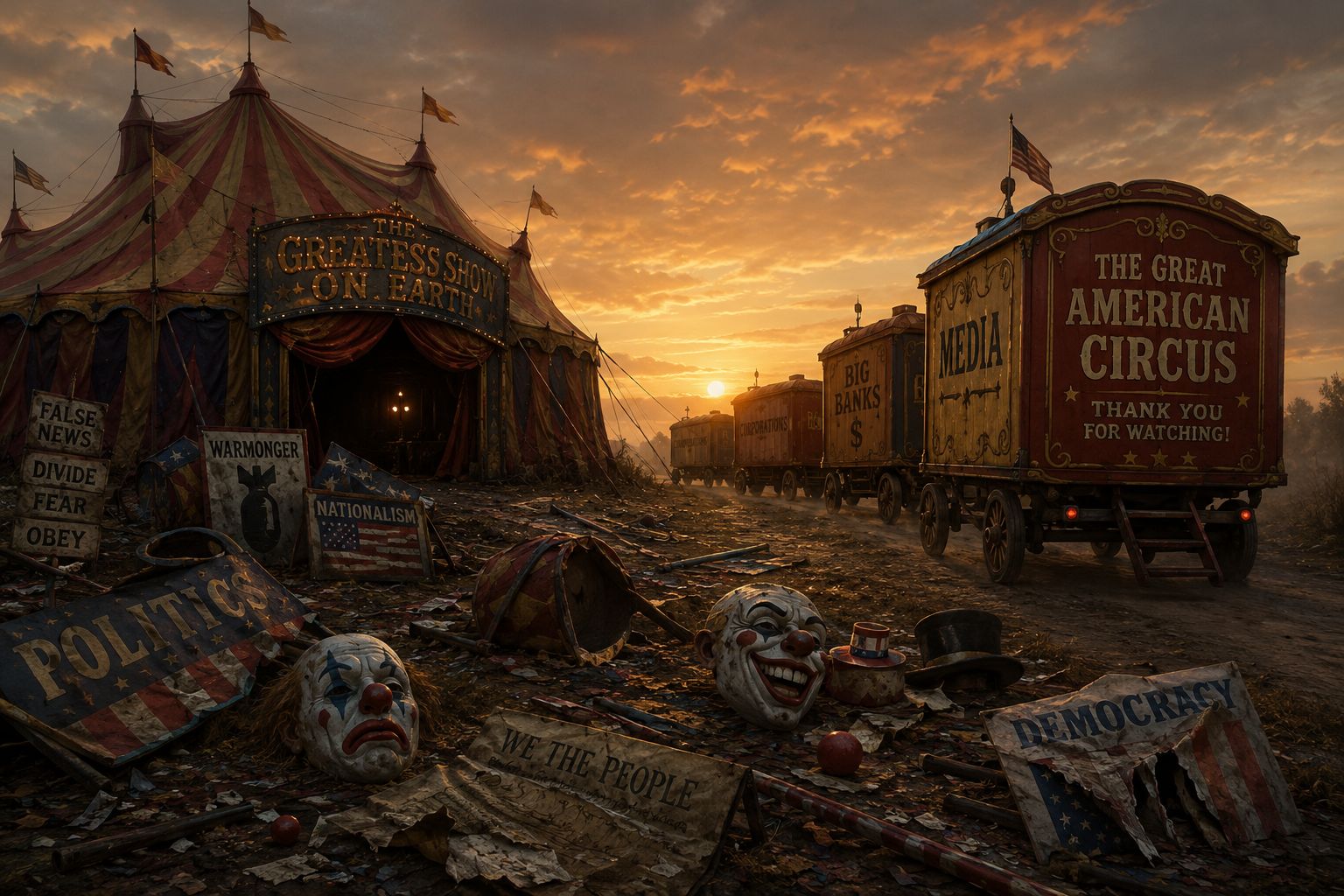
A circus came to the US. After years, the show was over
Once upon a time, there was a country called the United States. Long ago, its politics appeared ordinary. Presidents were often highly educated, institutions generally functioned, and although democracy was far from perfect, many people believed it still worked well enough. As the years passed, however, something changed. Invisible strings slowly spread across the kingdom.…
-
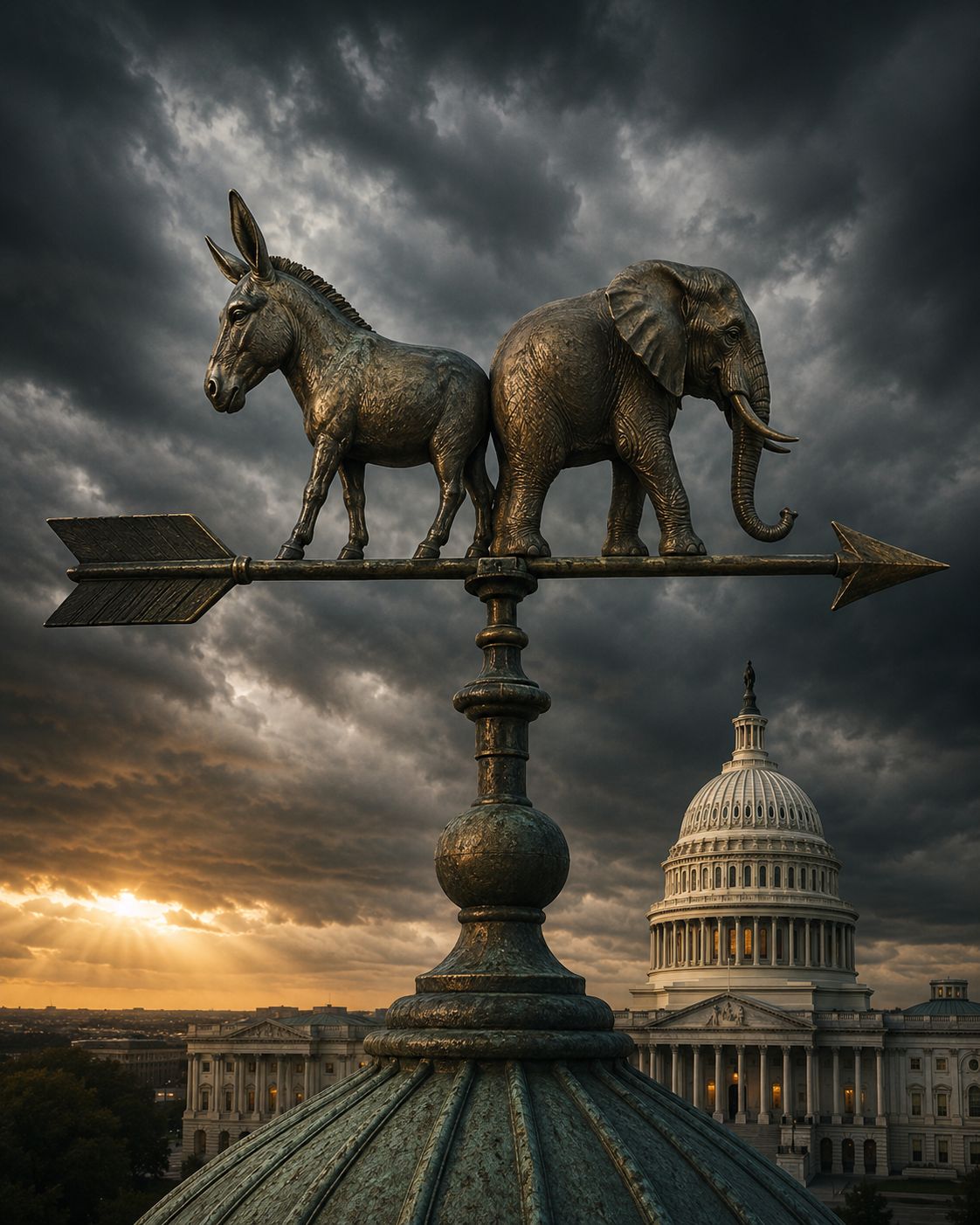
Why Democrats and Republicans abandon ideology
Politics is supposed to be driven by ideas. Conservatives should defend conservative principles. Progressives should defend progressive ones. Parties should disagree because they genuinely see the world differently. Voters should know what they are supporting. That is the democratic ideal. Reality looks very different. Modern American politics increasingly resembles a contest of personalities, donors, and…
-
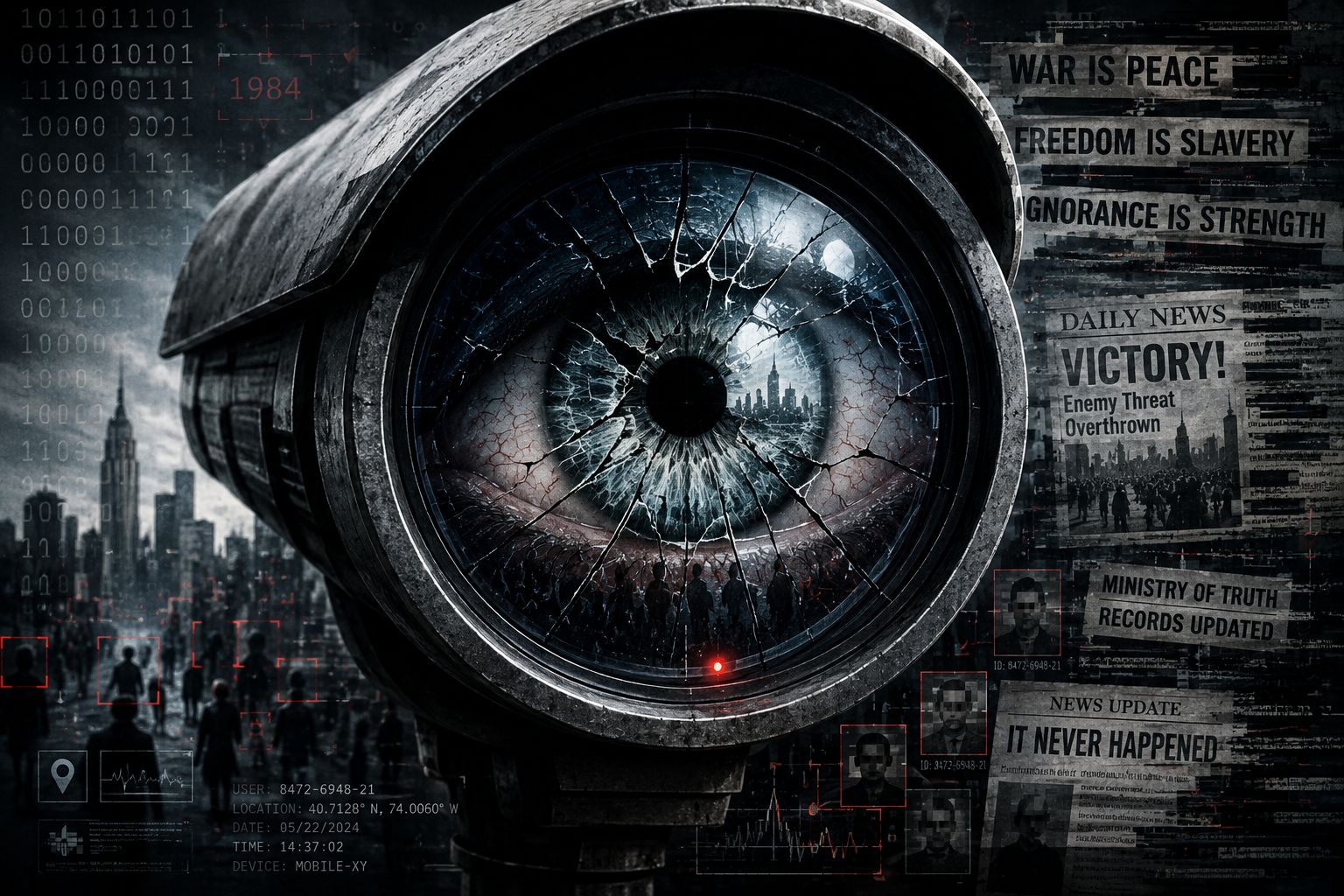
Make Orwell Fiction Again
George Orwell never intended Nineteen Eighty-Four to become a prophecy. He wrote it as a warning. Published in 1949, the novel reflected his fears after witnessing fascism, Stalinism, and the rise of modern propaganda. Orwell believed that freedom could disappear not only through military conquest but also through gradual political and technological change. A society…
-
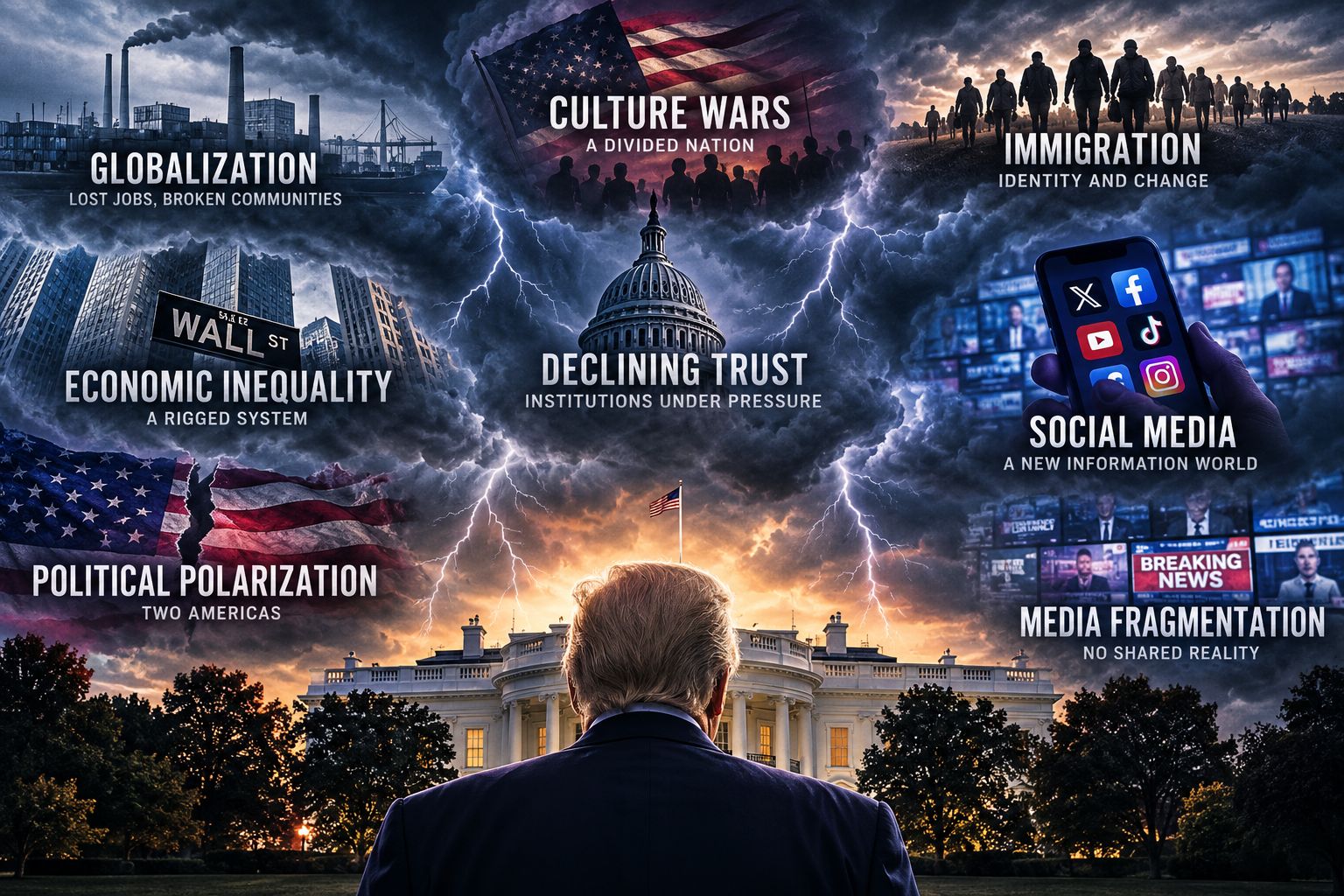
The forces that created Donald Trump
Donald Trump is one of the most polarizing political figures of the twenty-first century. To his supporters, he is the man who challenged a corrupt establishment, defended national interests, and gave a voice to ordinary Americans. To his critics, he represents populism, division, and an assault on democratic norms. Both camps often make the same…
-
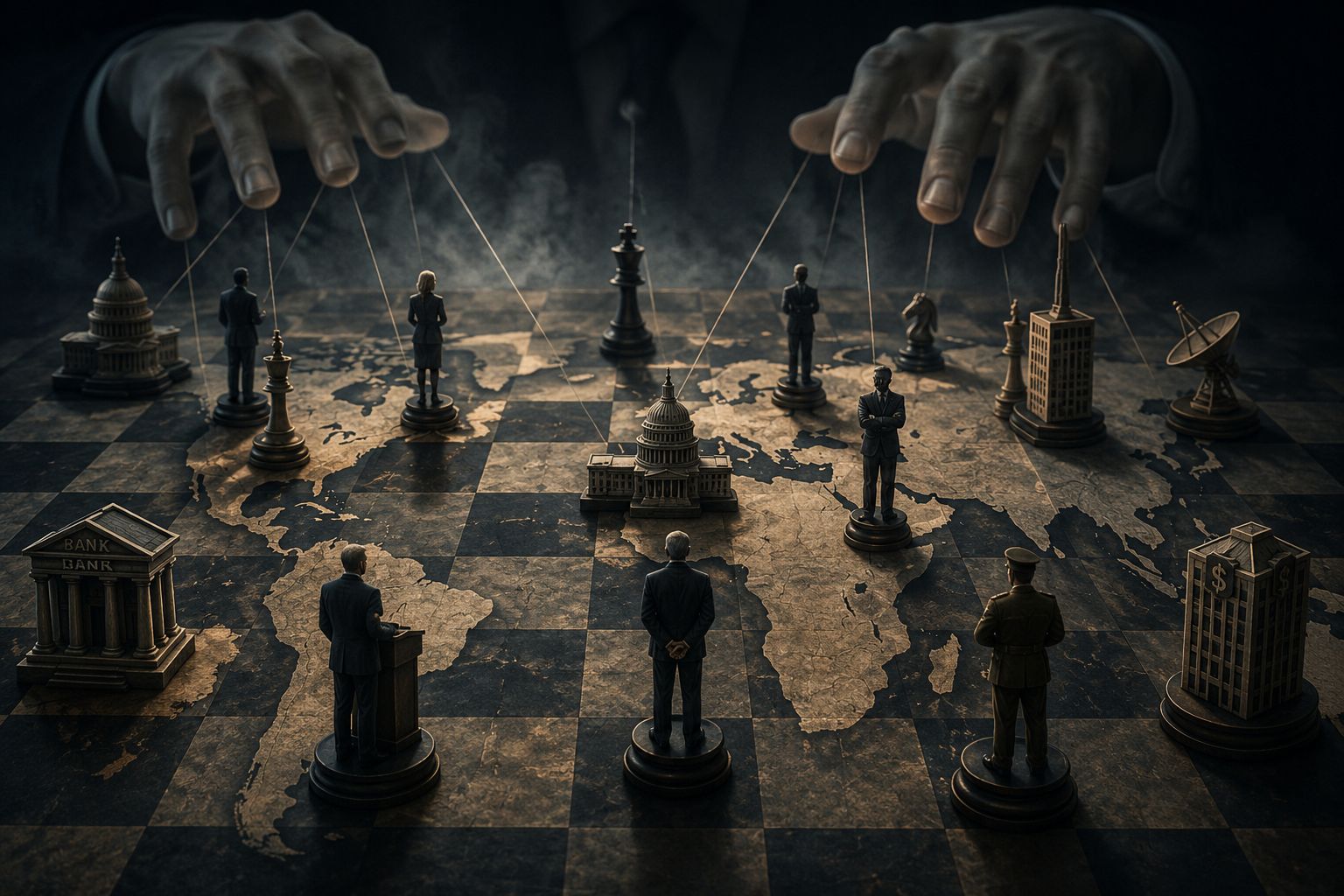
Organized Illuminati and Deep State? They exist to some extent
Evidence, evidence, evidence. I am the first one who demands it nearly in every claim. Did Jesus Christ exist? Does God exist? And so on. It is highly unprofessional for me to dive into unproven claims, but logic and statements by highly-ranking officials may give us clues. While there is massive documentary evidence of the…
-
Inherited wealth, little innovation, lower taxes?
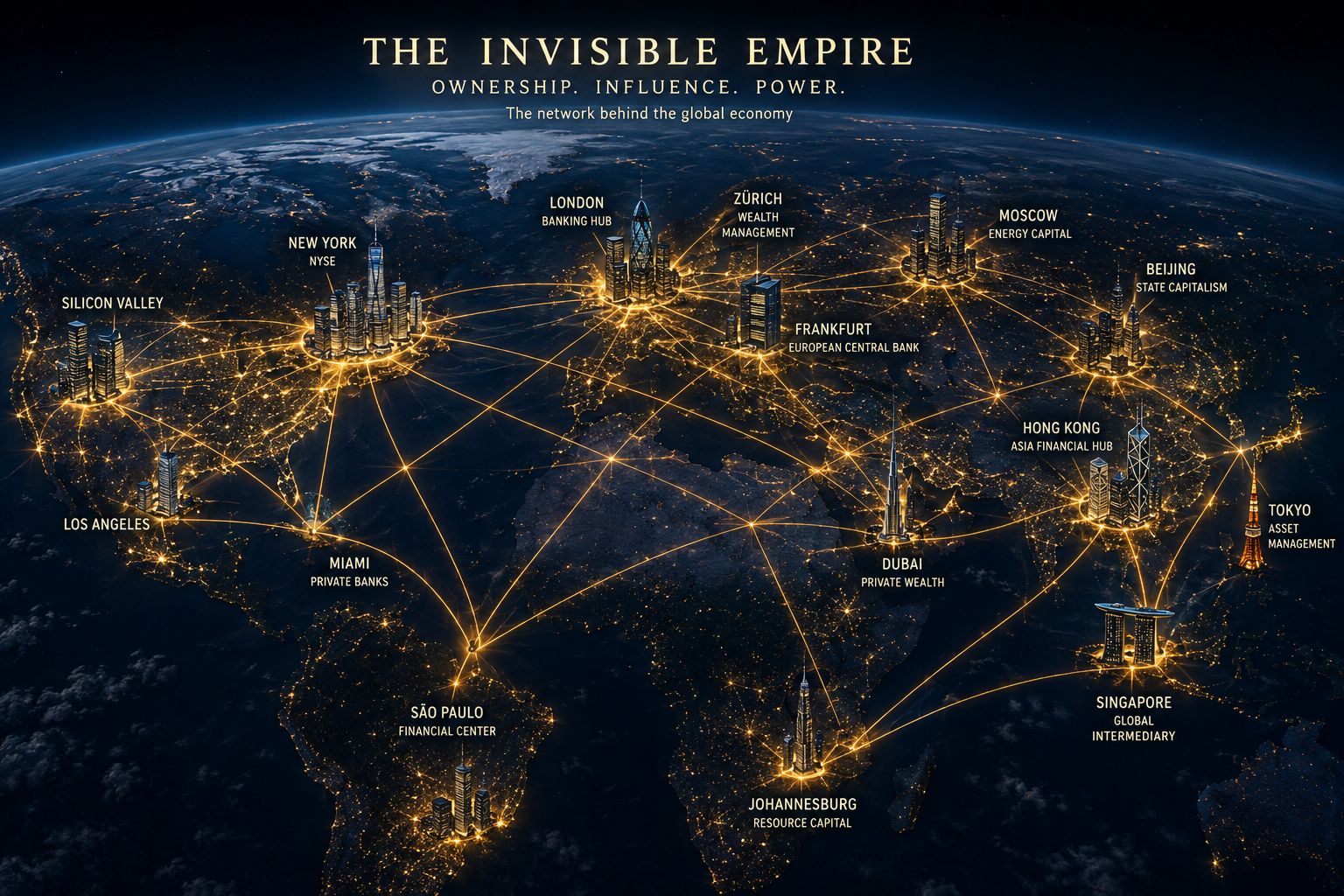
Capitalism has always been sold as a system of competition. The idea appears straightforward. Anyone with talent, determination, and a good idea can build a successful business. Consumers choose the best products. Inefficient companies disappear. New inventions replace old ones, while every entrepreneur has an opportunity to challenge the market leaders. Wealth, in this view,…
-
How the right-left spectrum disappeared in Europe
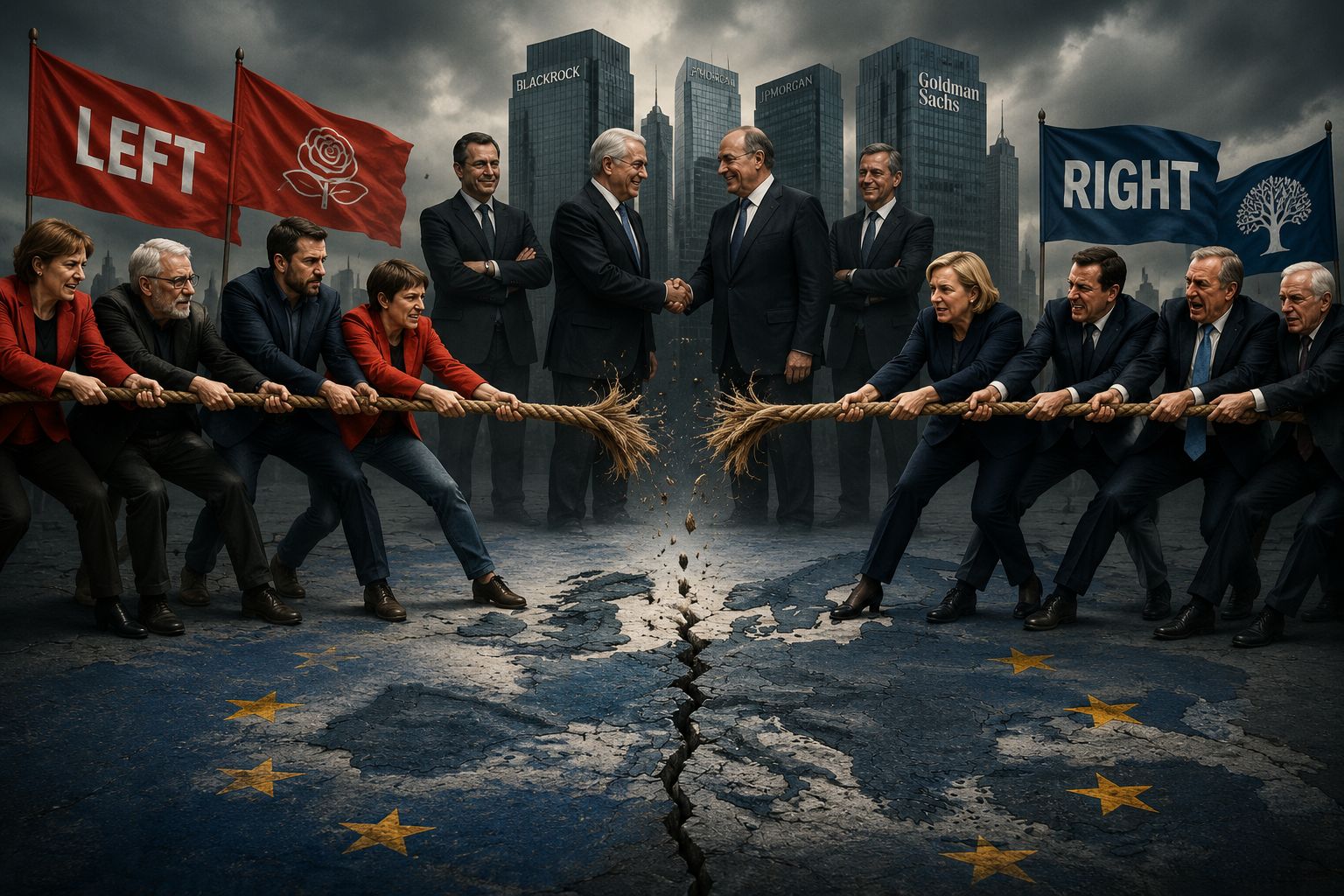
The everlasting, vigorous fight between the left and right in Europe is beyond the memory of those born in the 2000s. Who has more scandals? Who steals more? Whose political marketing is better? The debate revolved around changing taxes and sometimes even reforming the economy and health care. Everything followed either right-wing or left-wing policies.…