Tag: politics
-
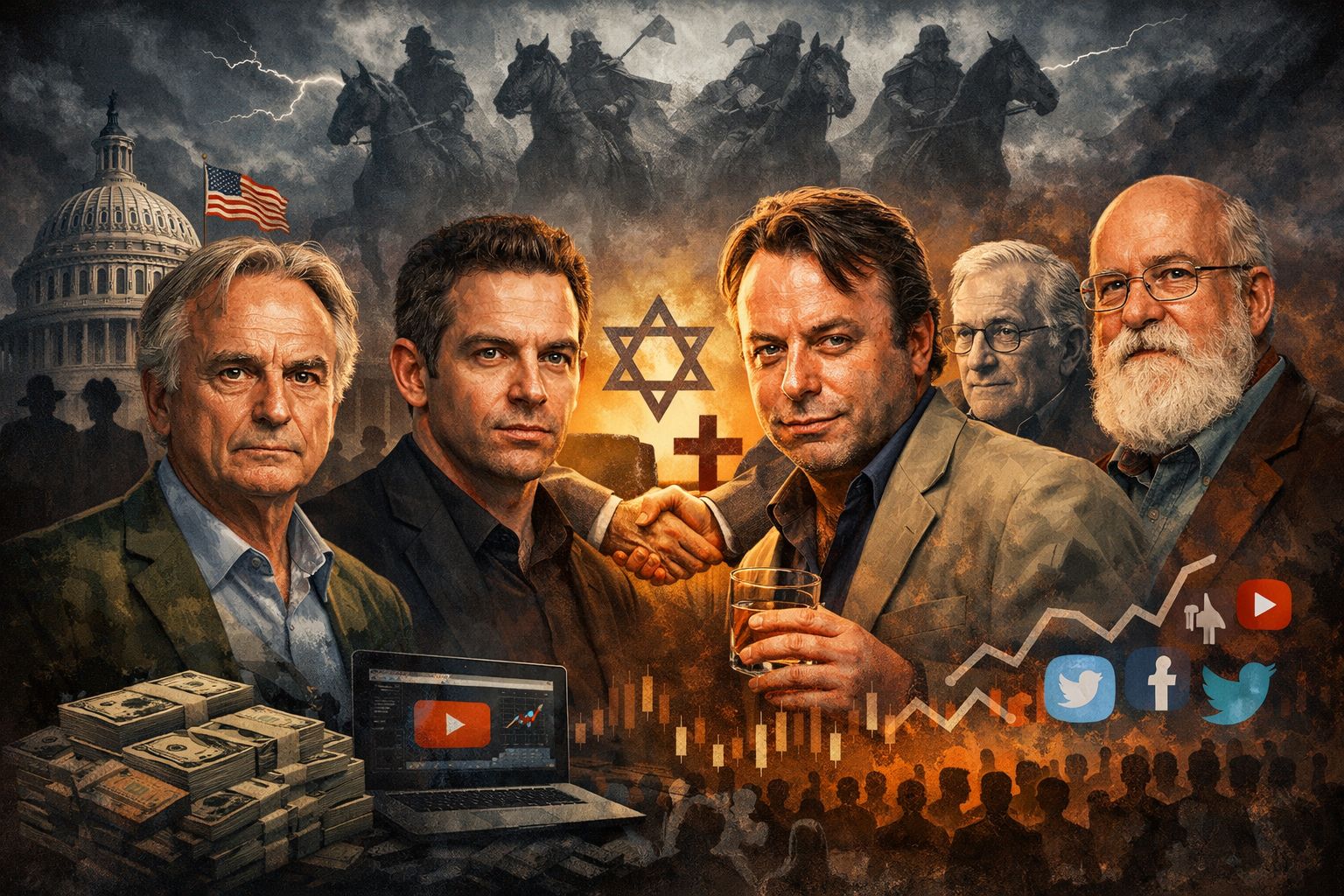
My deepest disappointment with the 4 horsemen of New Atheism
I once believed the success of Richard Dawkins, Sam Harris, Christopher Hitchens, and Daniel Dennett proved something uplifting. I thought it showed that intelligence, clarity, and courage were enough. I thought anyone could have made it. In fact, I believed there were thousands of more talented people than they were, people sharper, deeper, and more…
-
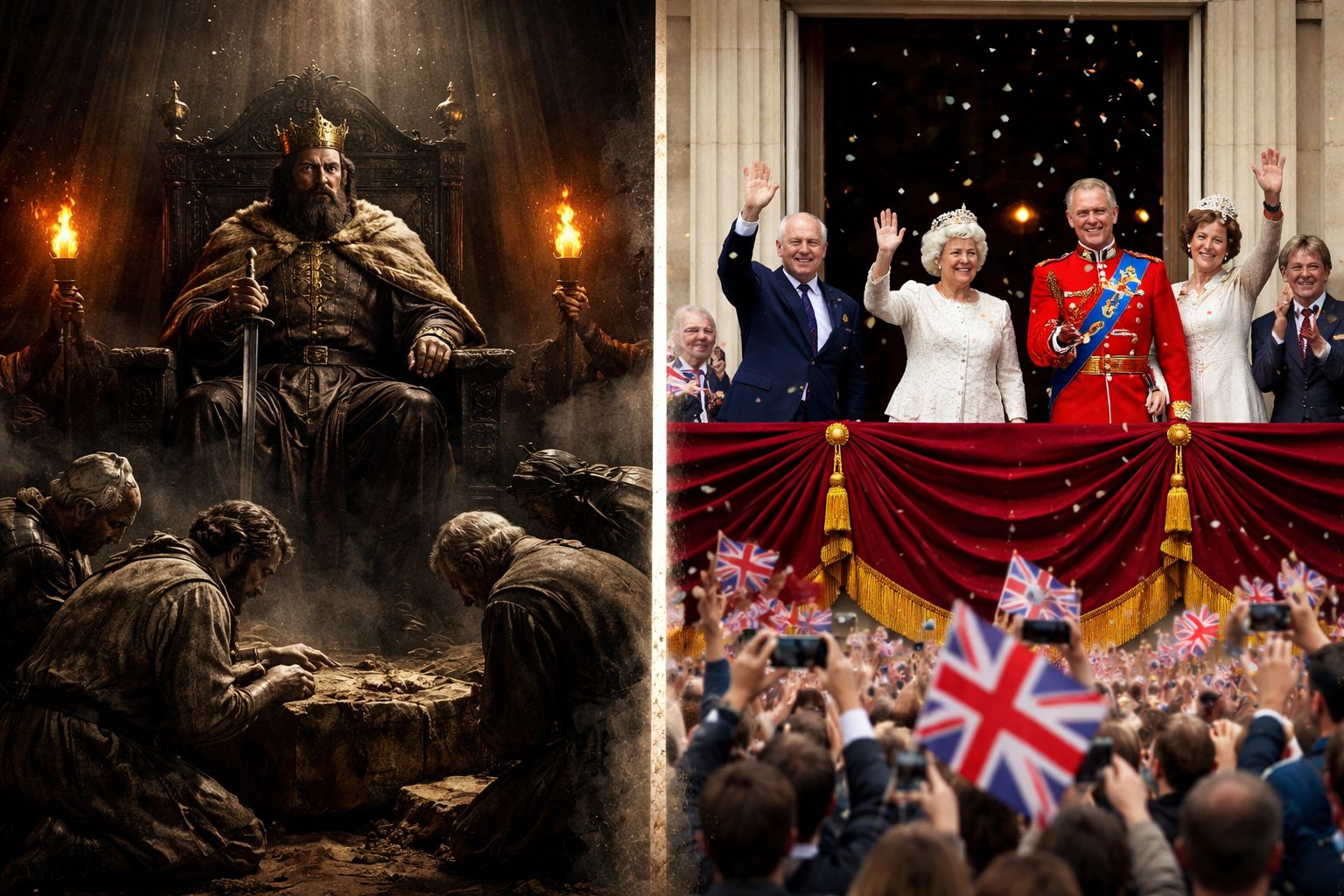
Monarchies brutally oppressed people, now they are celebrities
At first sight, monarchy looks harmless today. You see ceremonies, weddings, uniforms, and polished speeches. You see smiling figures waving to crowds. However, this image hides a radical transformation. Monarchies once ruled with absolute power. They controlled life, death, land, and law. Today, many of them exist as symbols, brands, and celebrities. This shift raises…
-
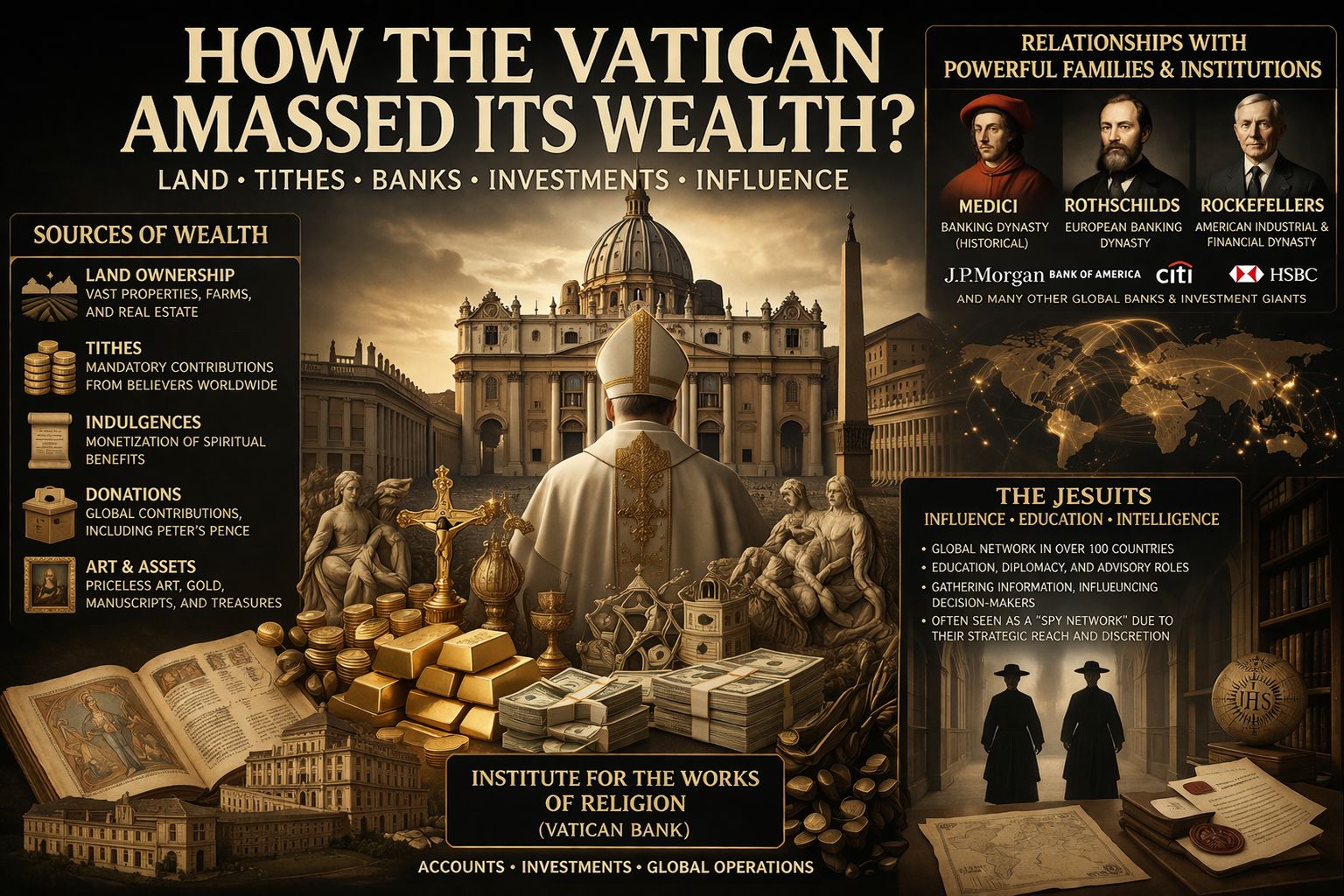
How the Vatican amassed its wealth and power
The Vatican appears as a purely spiritual institution. It presents itself as a moral authority, a religious center, and a guide for billions of believers. However, beneath this image lies a long history of material accumulation. Over centuries, the Church did not only shape belief. It built one of the most durable financial and asset-based…
-
Edward Snowden: The state, law, and the super-rich
Edward Snowden moved from U.S. intelligence worker/contractor to the most consequential surveillance whistleblower of the digital era by copying classified materials and providing them to journalists in mid‑2013, triggering sustained publication about previously secret surveillance authorities and capabilities. A core factual outcome of the disclosures is that the public learned the government was operating (at…
-
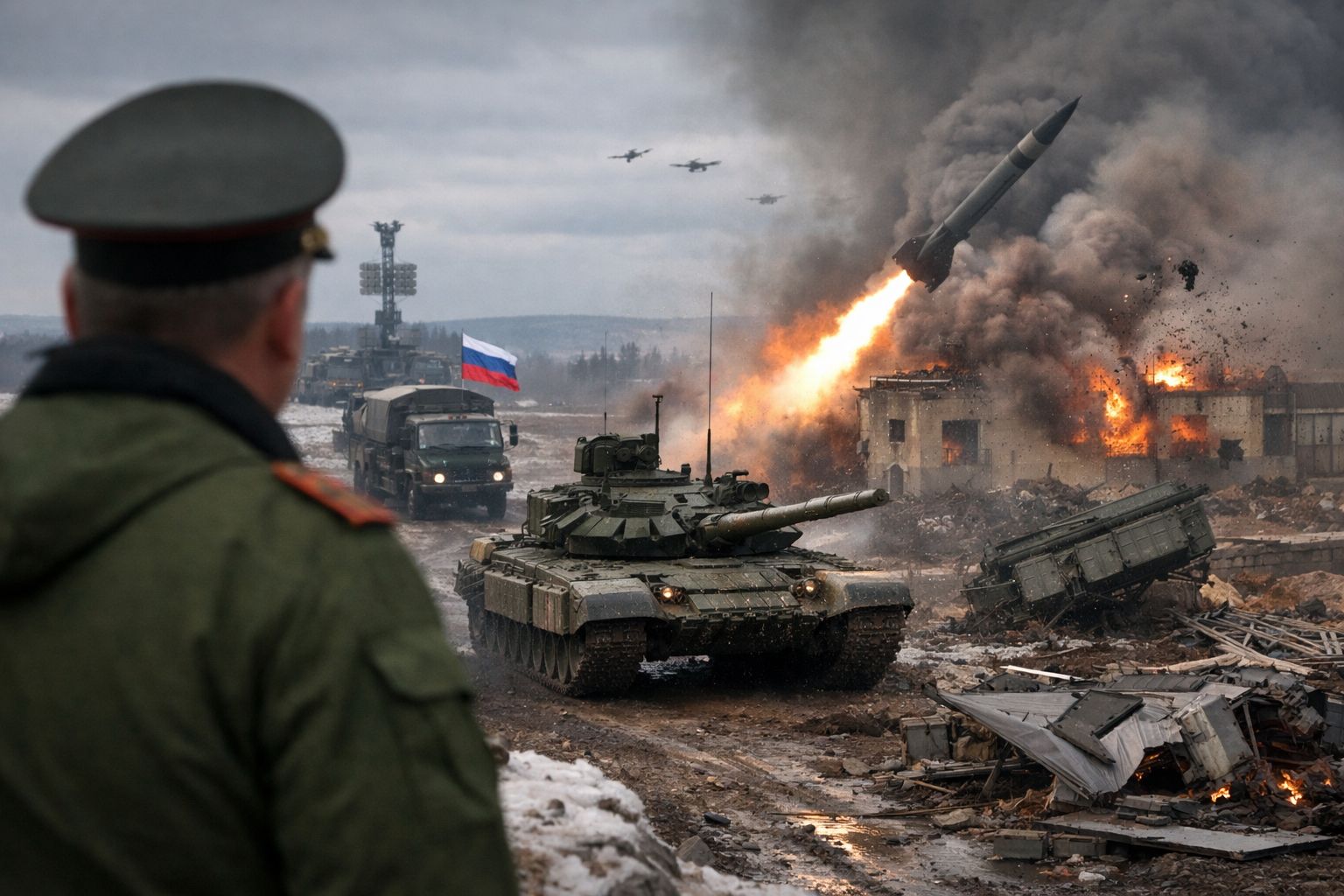
Russia: “The US cannot cripple us”… Iran proves otherwise
Russian officials repeat a clear and confident claim. The United States cannot cripple Russia. They argue that Russia is too large, too armed, and too resilient for any external power to meaningfully degrade its ability to wage war. In their view, even a direct confrontation would not lead to paralysis. Russia would absorb the blow,…
-
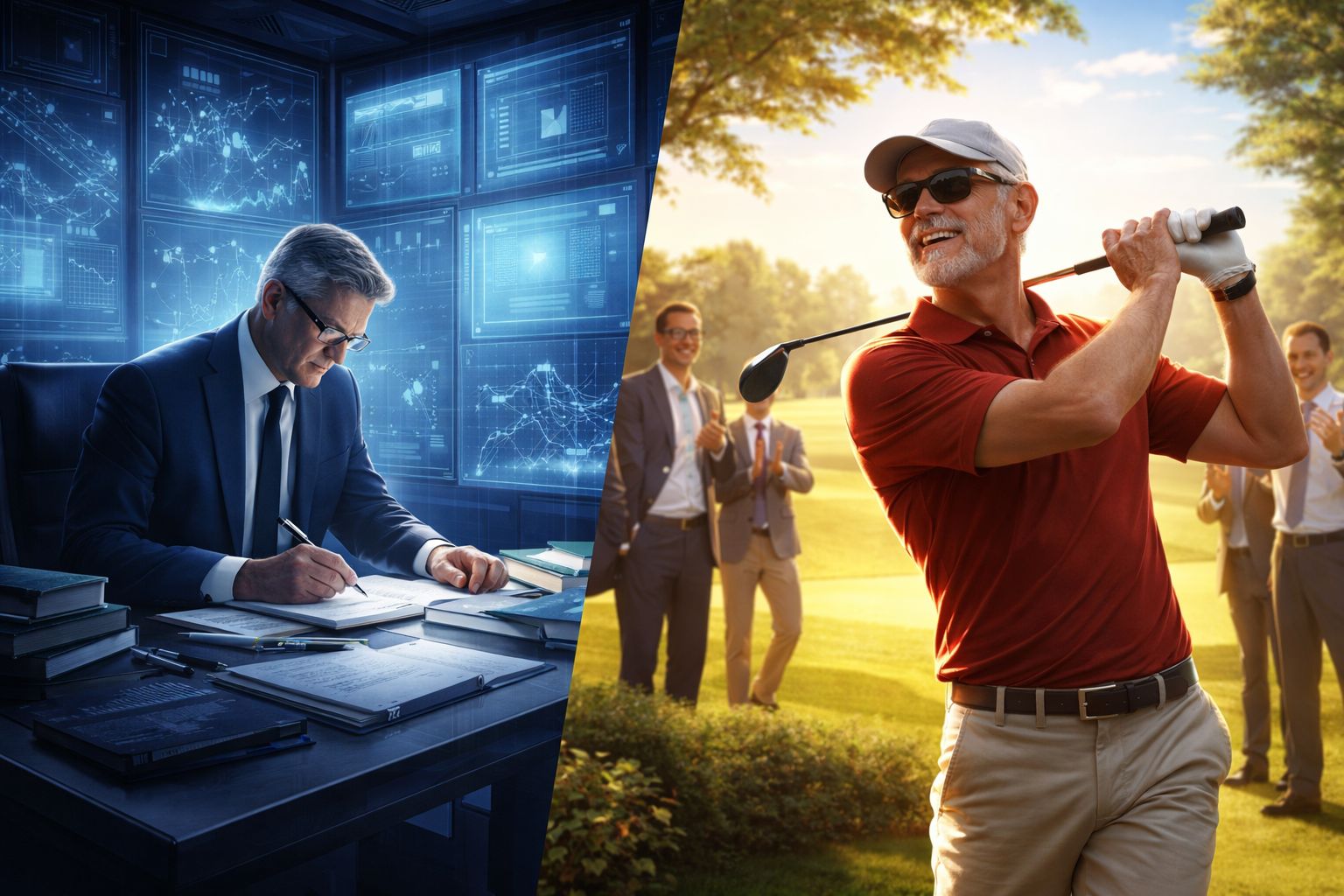
The president as a rational decision machine, we get the opposite
People assume leadership comes down to charisma, visibility, and confidence. However, the presidency of the United States demands something far deeper. Every second carries consequences. Every decision can shift markets, start wars, or stabilize entire regions. Therefore, the role requires a level of intellectual and psychological precision that very few individuals can sustain. Yet here…
-
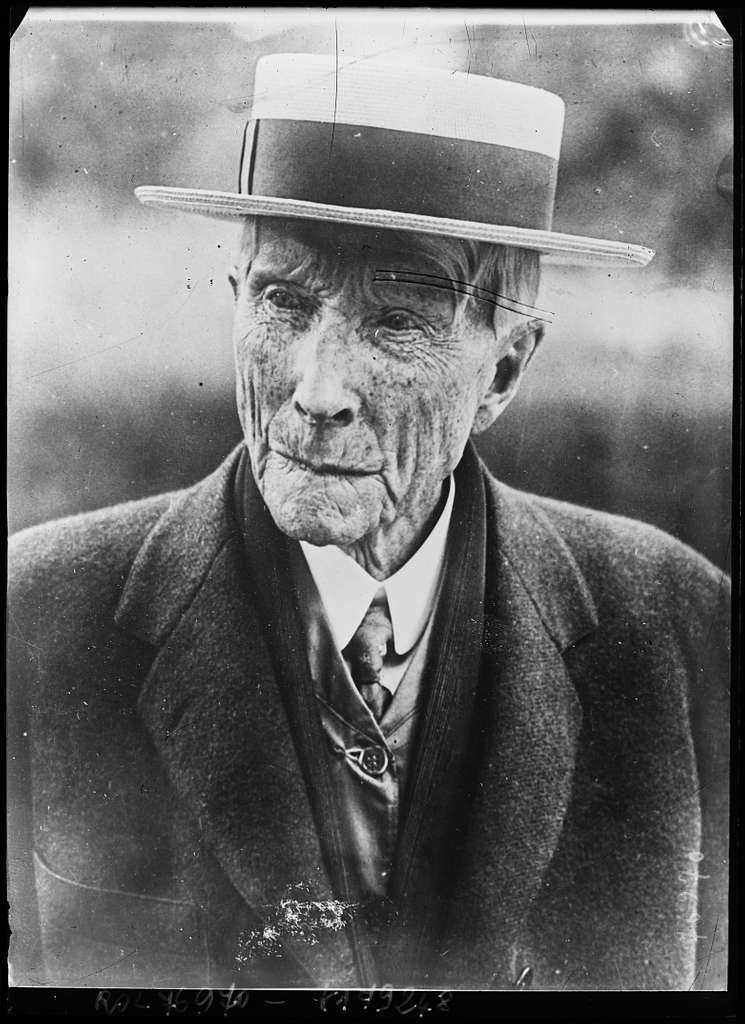
How John D. Rockefeller shaped education
Education shapes far more than knowledge. It shapes behavior, expectations, and limits. It defines what people consider possible and what they reject without question. Therefore, control over education means control over society itself. Consequently, when a figure like Rockefeller enters this domain, the implications reach far beyond philanthropy. They extend into the structure of thought…
-
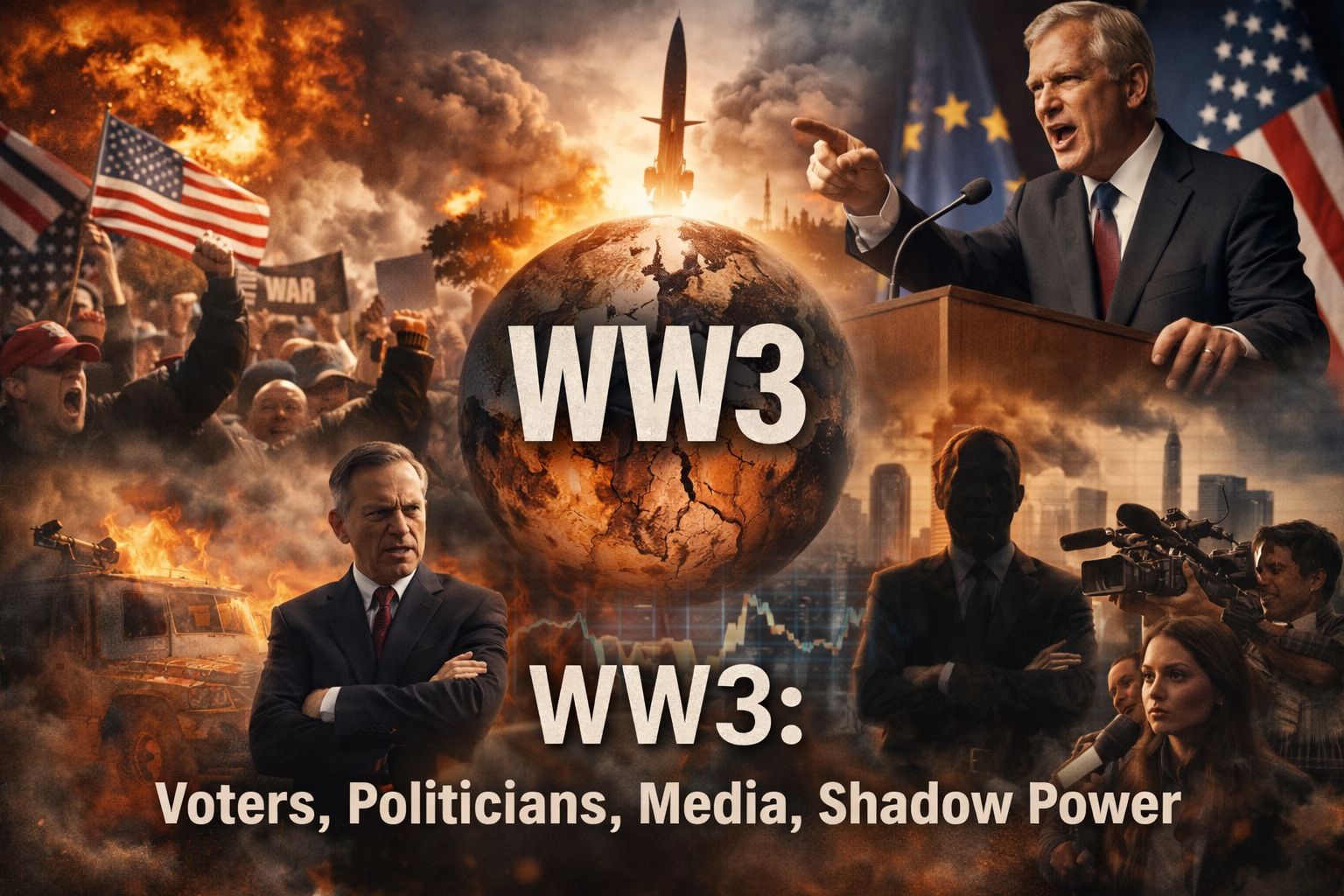
WW3 and stupidity: Voters, politicians, media, shadow eminences
At first glance, people search for a single cause of war. Of course, it is complex, but if we should regard to simplified actors by current morality, this article is for you. They want one villain, one mistake, one decisive moment. However, reality looks very different. Wars emerge from layers of incentives, ignorance, fear, and…
-
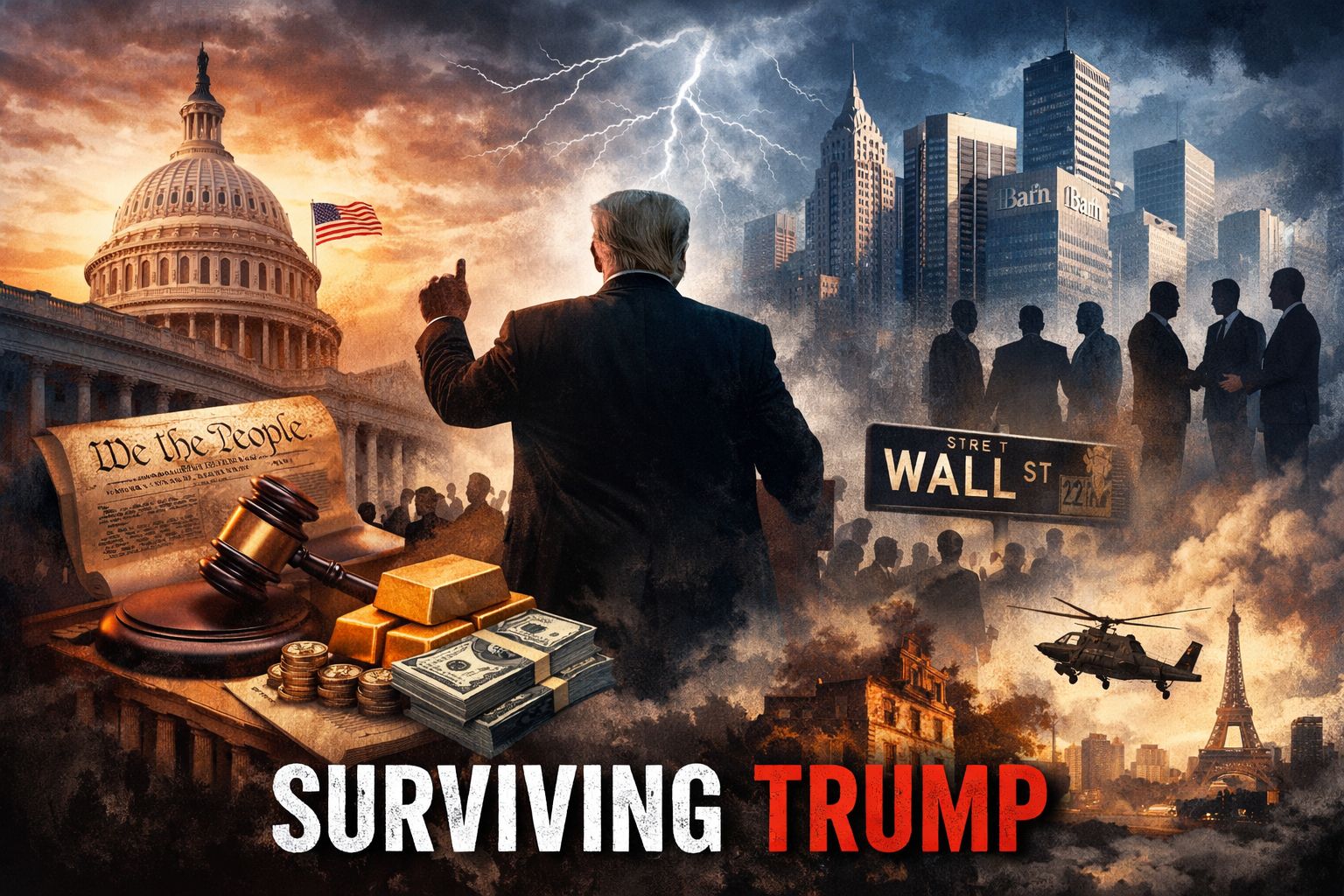
How does US democracy survive Donald Trump?
People panic. They imagine one man can destroy everything. They talk about collapse as if it stands one election away. However, that view ignores how the system actually works. It ignores structure, it ignores incentives. It ignores history. The system already survived far worse The United States did not face its first crisis under Trump.…
-
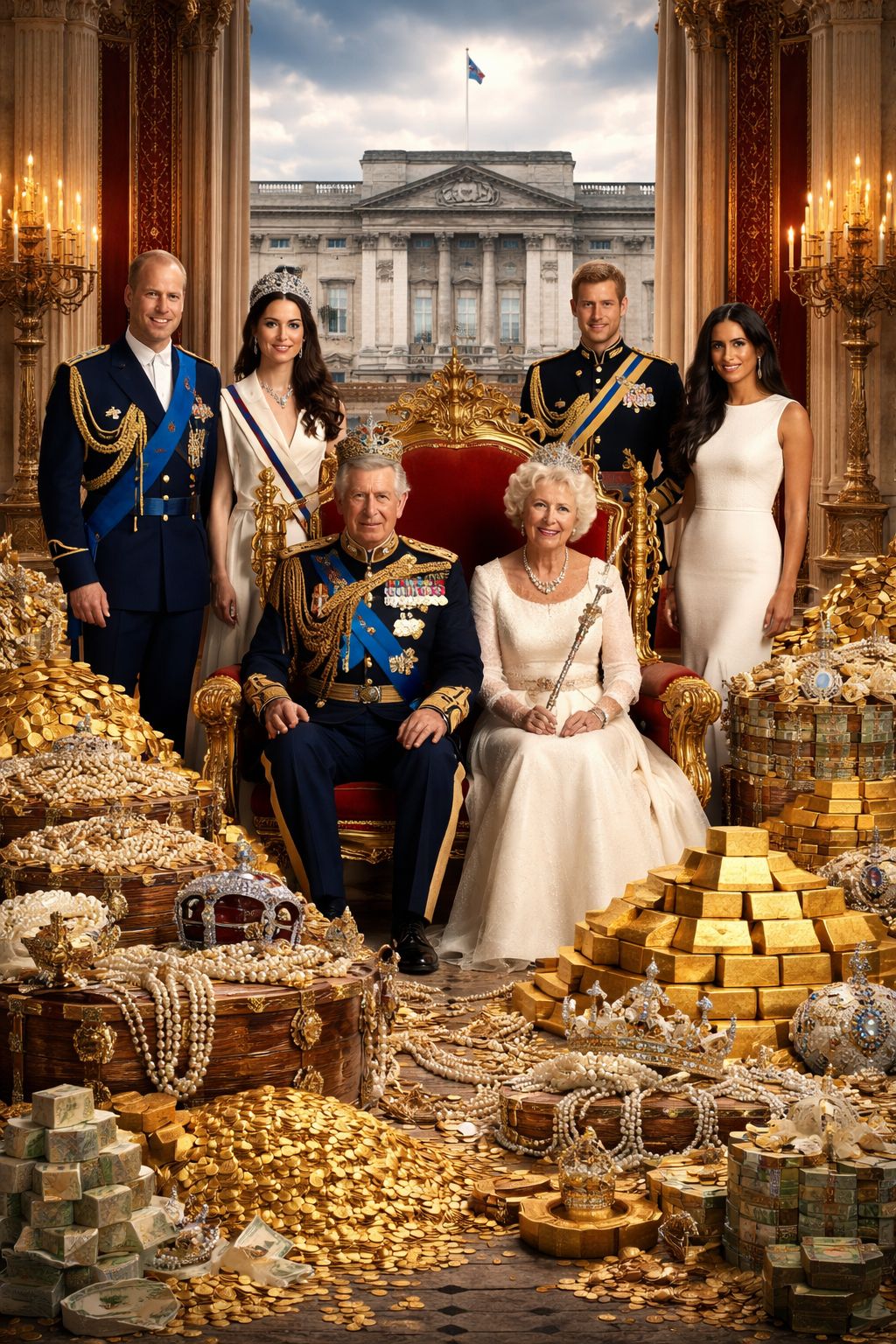
UK PM weekly audiences with monarch? Scary!
Every week, the UK prime minister meets the monarch in private. No advisers sit in the room, no transcript gets published. No recording exists. The public sees nothing. The public hears nothing. Yet people keep repeating that this is harmless, symbolic, and politically empty. That claim makes little sense. Modern democracies monitor almost everything. Journalists…