Tag: politics
-

Do US elites practice satanic rituals?
At first, the idea sounds absurd. Claims about elite satanic rituals belong to fringe forums, not serious inquiry. Rational thinking rejects them immediately. You dismiss them without hesitation. However, over time, something changes. Not belief, but doubt. Not conviction, but discomfort. You begin to notice that some pieces of reality do not fit cleanly into…
-
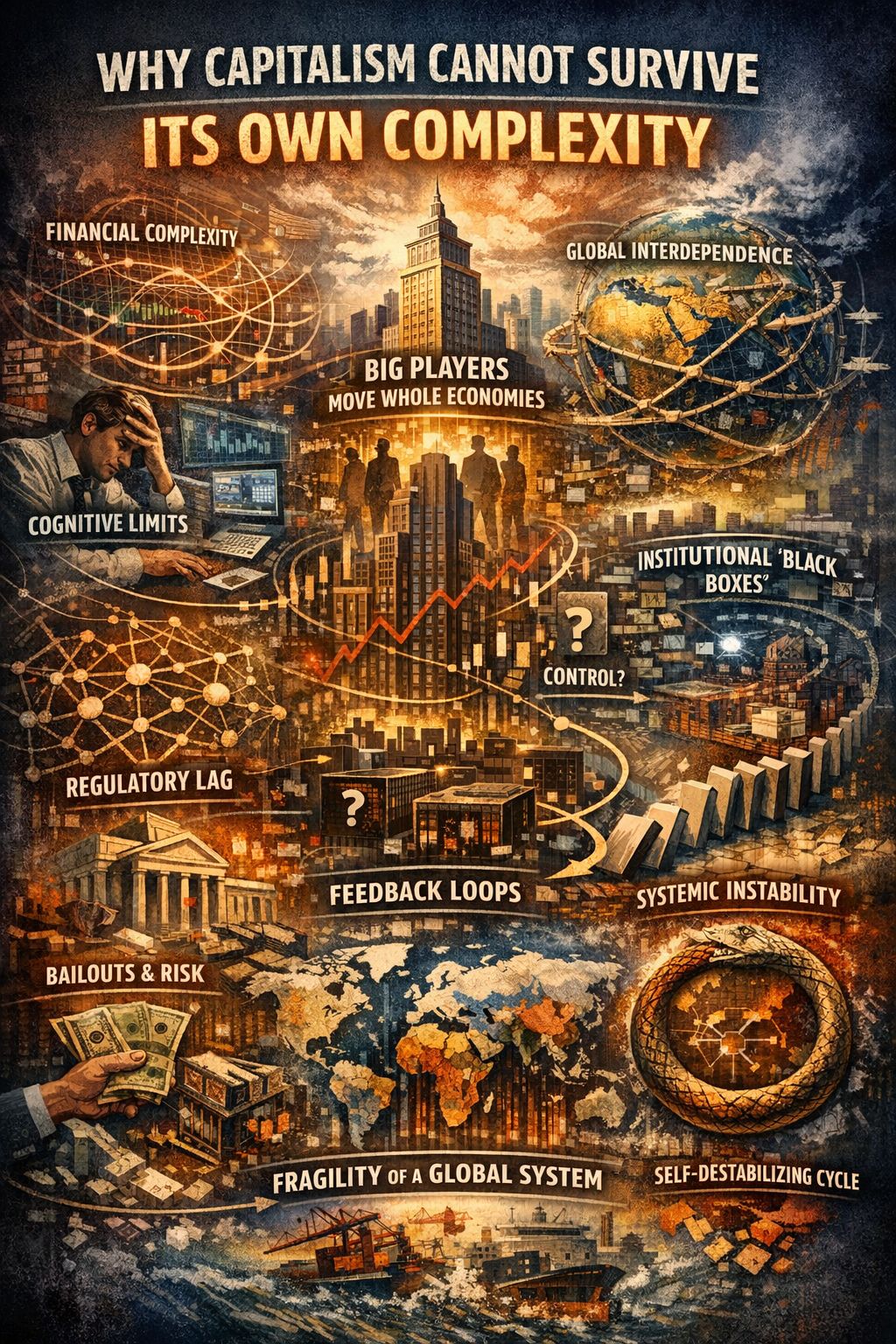
Why capitalism cannot survive its own complexity
At first glance, capitalism looks simple. It connects buyers and sellers. It rewards effort, innovation, and efficiency. It scales across societies and creates wealth at unprecedented levels. For a time, it even appears self-correcting. However, this simplicity belongs to an earlier stage. As capitalism expanded, it did not merely grow. Instead, it accumulated layers. It…
-
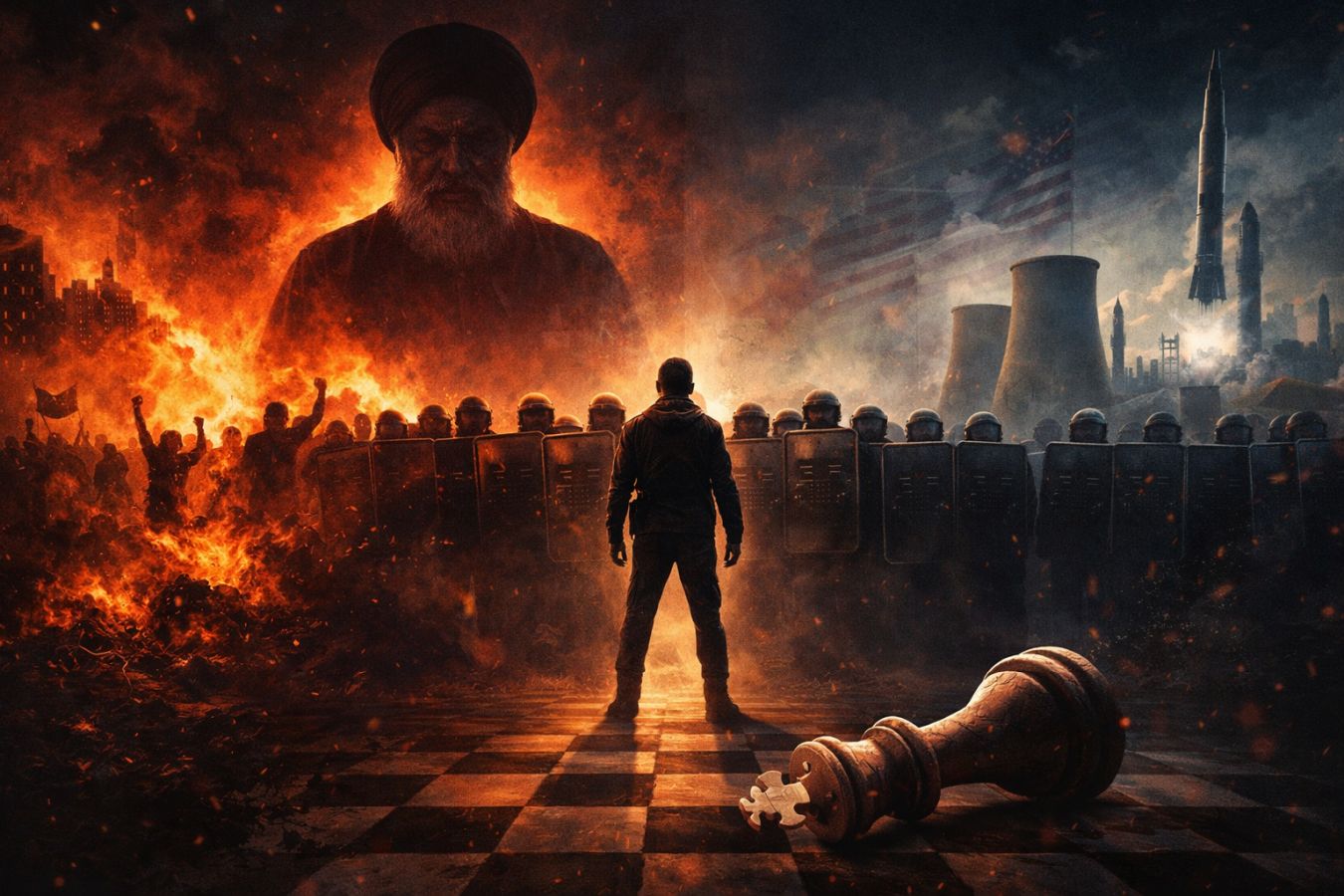
Iran’s leaders: Kill millions, we won’t step down
At the most basic level, leadership carries responsibility. If leaders truly cared about their population, then they would step down when their rule produces suffering, isolation, and death. In other words, this is not an abstract moral idea. Rather, it is a concrete test of responsibility. Therefore, we must ask a direct question. What does…
-
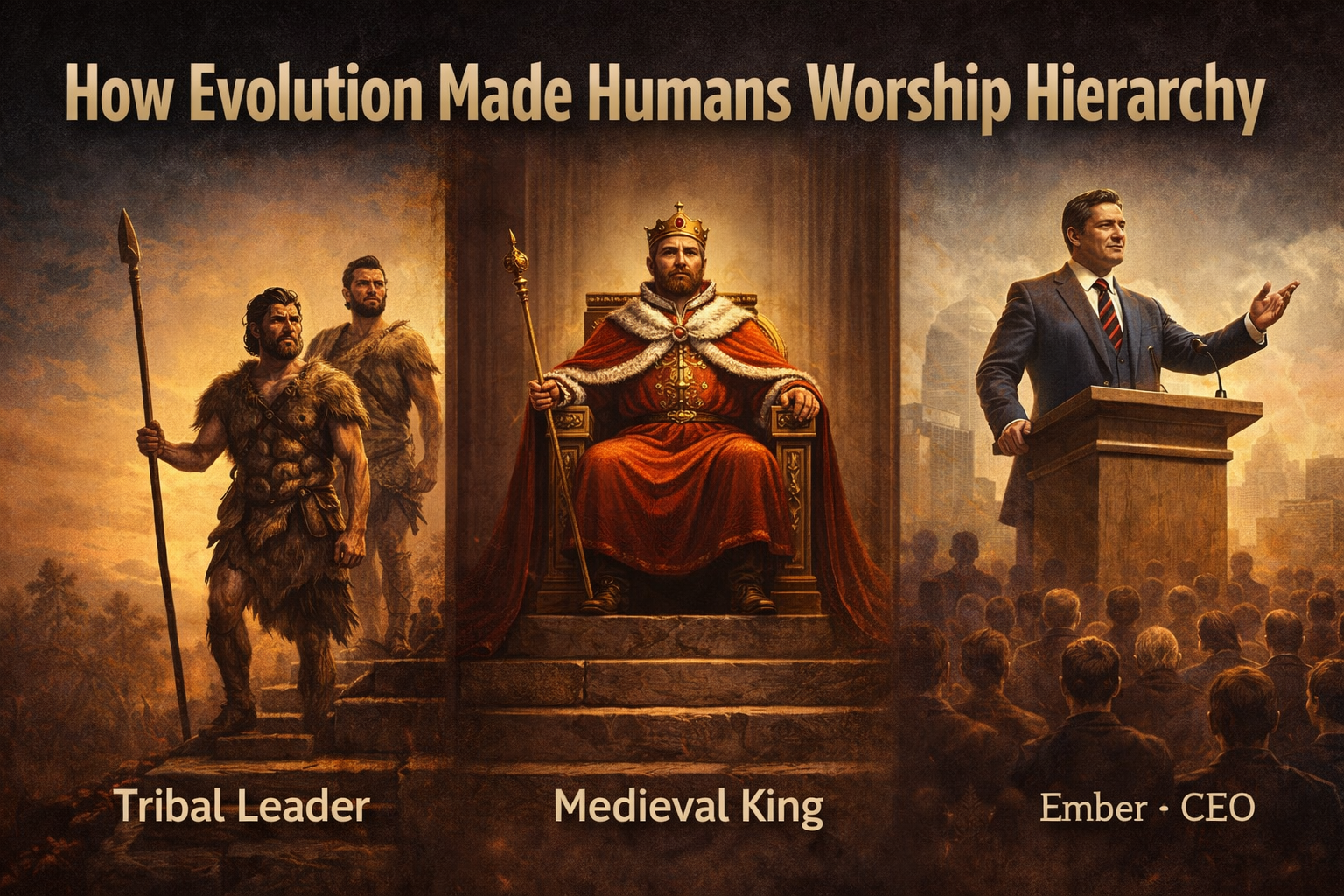
How evolution made humans worship hierarchy
Modern societies loudly celebrate equality. Constitutions promise it. Politicians repeat it in speeches. Schools present it as the moral foundation of civilization. At first glance, the idea appears convincing. Humans supposedly left primitive hierarchies behind and created societies where everyone stands on equal ground. However, reality tells a different story. Everywhere we look, humans create…
-

Silicon Valley, the military-industrial complex, and secret agencies
Many people imagine Silicon Valley as a spontaneous miracle of entrepreneurship. Young programmers in garages invent revolutionary technology. Venture capital funds the best ideas. Markets reward innovation. This story dominates public imagination. Reality looks far more complex. Silicon Valley grew inside a dense institutional ecosystem that involved the U.S. military, intelligence agencies, universities, and federal…
-

Presidents, conscience, and killing millions
History condemns figures such as Adolf Hitler, Mao Zedong, and Pol Pot because their regimes caused the deaths of millions. Their responsibility appears direct and brutal. They created systems of terror that openly destroyed human life on a massive scale. However, modern democratic leaders face a different but still troubling moral question. Presidents of powerful…
-

America and Europe need two Richelieus
Modern Western politics often behaves like a nervous committee rather than a strategic civilization. The United States and Europe still dominate many sectors of the global system. They control enormous financial networks. Their universities produce cutting-edge science, their military alliances span continents. Their corporations shape global technology, communication, and industry. Yet the West increasingly lacks…
-
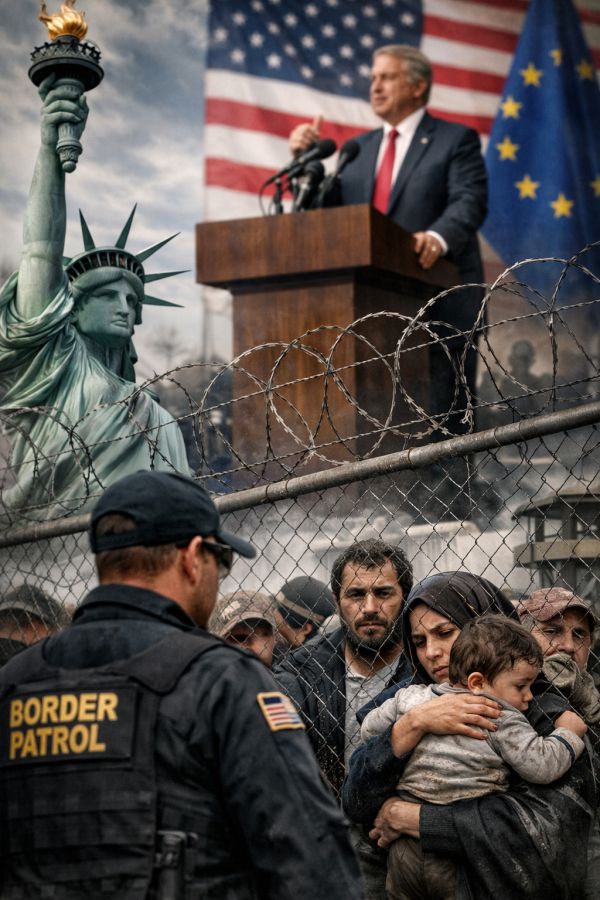
Screaming “democracy” while refusing asylum to millions
Modern democracies constantly celebrate dissent. Presidents praise brave activists abroad. Parliaments pass resolutions condemning dictatorships. Media outlets highlight courageous journalists who resist repression. The rhetoric sounds noble and principled. However, the story often changes the moment those dissidents seek protection. Suddenly admiration turns into bureaucracy. Applause turns into suspicion. Immigration systems begin to demand perfect…
-

The rich manipulation of whole economies
Modern economies appear decentralized. Governments debate. Voters elect leaders. Markets supposedly react to millions of independent decisions. Yet this visible surface hides a far more concentrated structure. Big banks, super-rich families, multinational corporations, and powerful lobbying networks interact constantly behind the scenes. They move capital, shape regulations, and define investment priorities. Consequently, they influence economic…
-

The myth of meritocracy in modern society
Modern societies repeat one central promise. Work hard. Be talented. Stay disciplined. And you will rise. However, this promise describes an ideal, not a mechanism. It comforts the middle class; it legitimizes the elite. It disciplines those at the bottom. Meritocracy sounds rational. It sounds fair. It sounds scientific. Yet when you examine how capital,…