Tag: politics
-
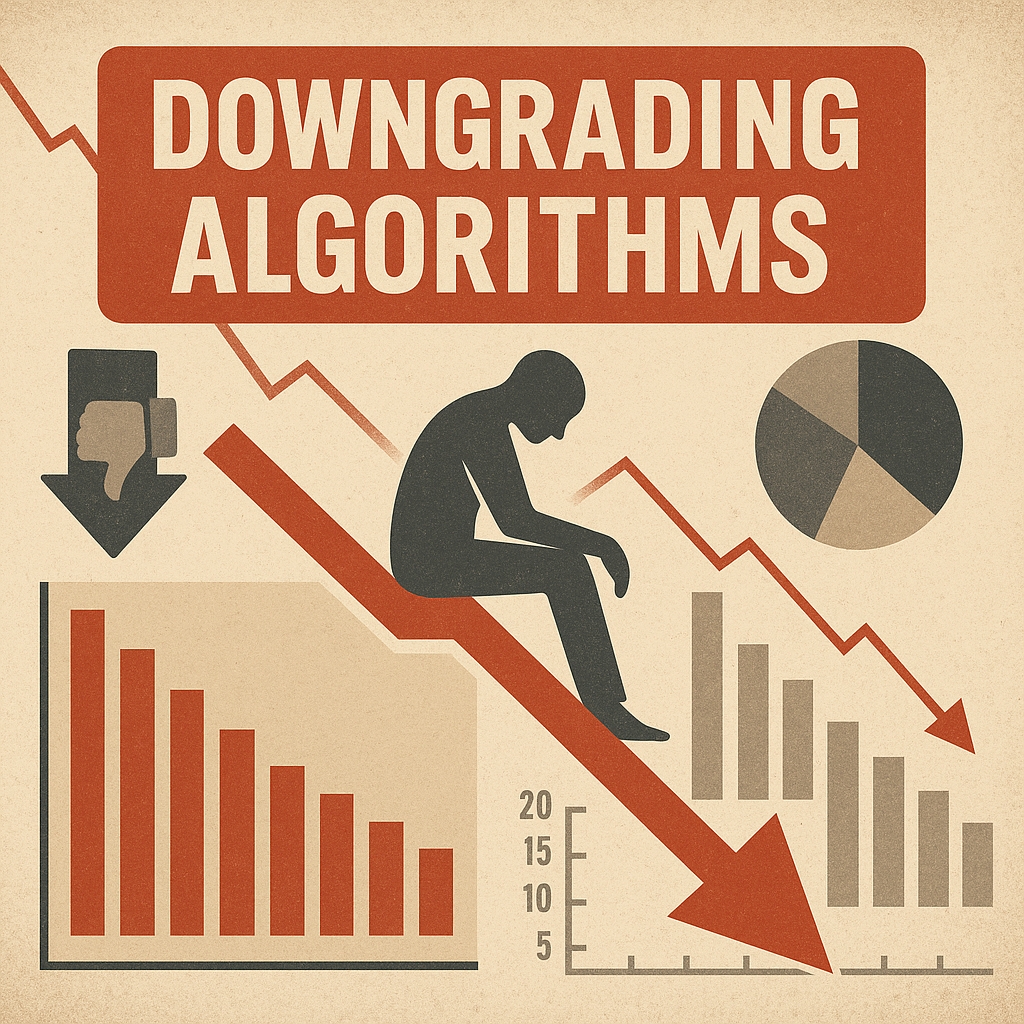
How algorithms replaced democracy
A new kind of elite has emerged—one that does not rule through armies or parliaments, but through code. The algorithmic class controls the invisible systems that determine what billions of people see, believe, and decide. Search engines and social media platforms, once symbols of free information, now filter reality through opaque algorithms designed to protect…
-
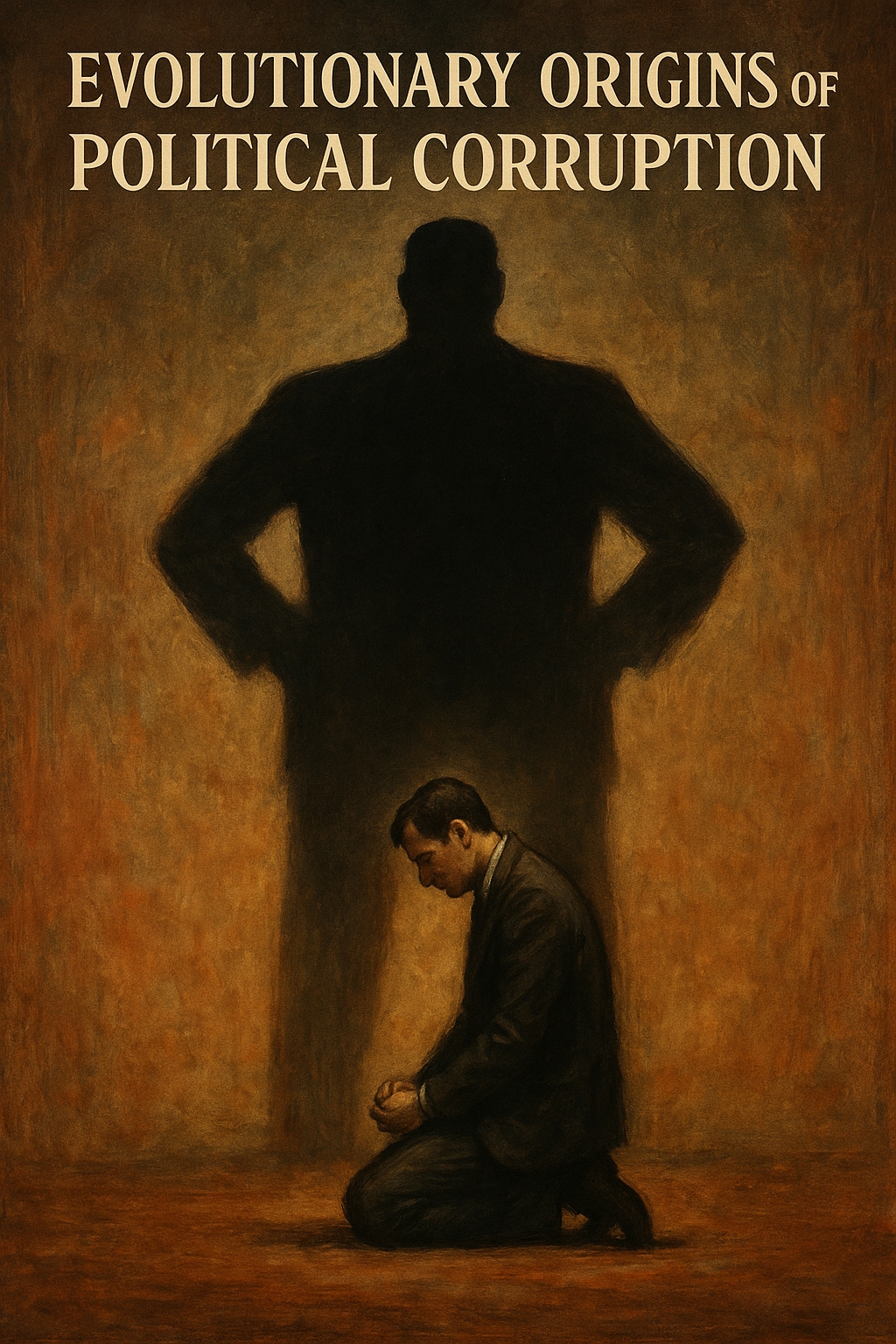
Evolutionary origins of political corruption
Political corruption is often described as a moral failure, a symptom of greed, or a defect of governance. Yet its roots go much deeper than law or ideology. Corruption is not a modern disease of politics—it is an ancient pattern of behavior shaped by evolution. Long before governments existed, humans traded favors, protected kin, and…
-
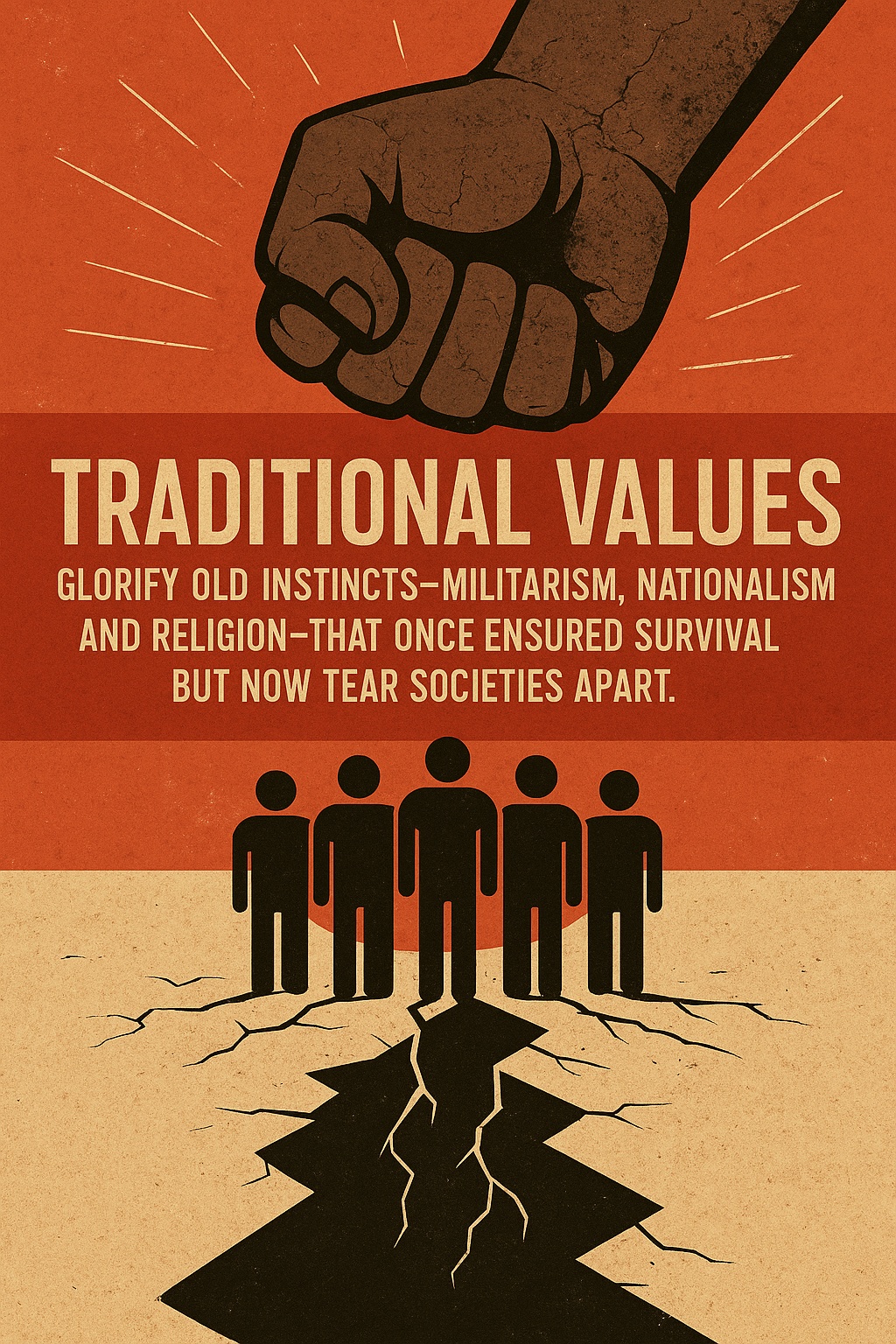
Traditional values as the worst evolutionary instincts
Humans worship their instincts as if they were moral laws. They call them traditions. They call them values. But many of them are nothing more than prehistoric impulses dressed as ethics. What once helped a tribe survive now keeps humanity divided, violent, and blind. The worst part is that we glorify our weaknesses and call…
-
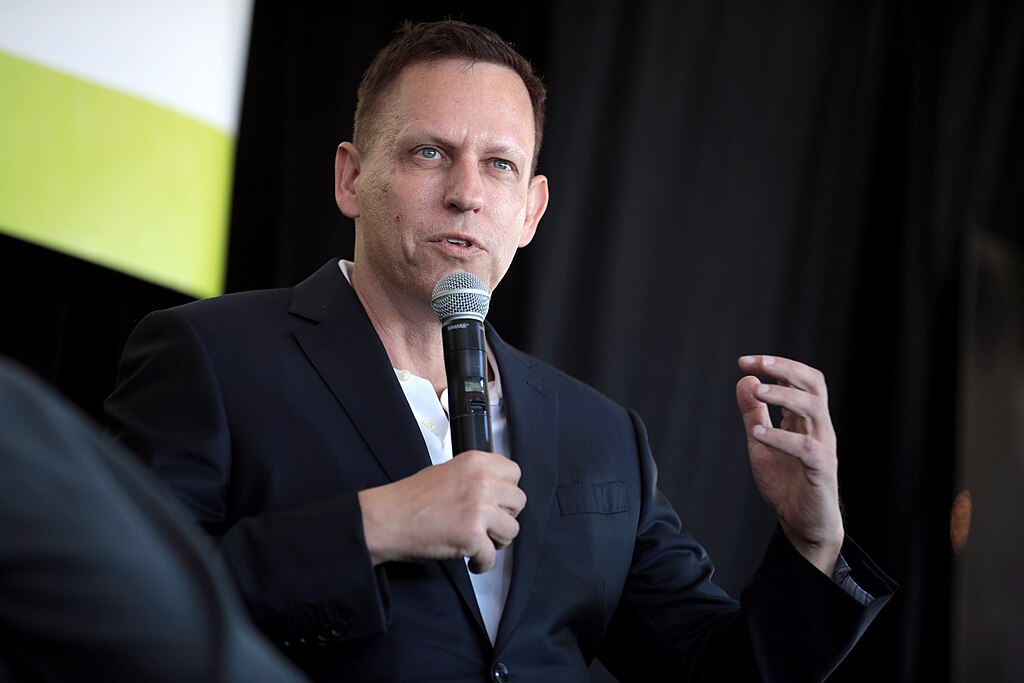
Peter Thiel: IQ 160 and still believes in Christianity
It sounds impossible. A person with an IQ of 160 — one in 31,560 — believing in Christianity. Even an IQ of 150 — one in 2,330 — is already at a genius level (this is the range I estimate he belongs to based on rarity). Yet Peter Thiel, whose IQ likely oscillates between those…
-
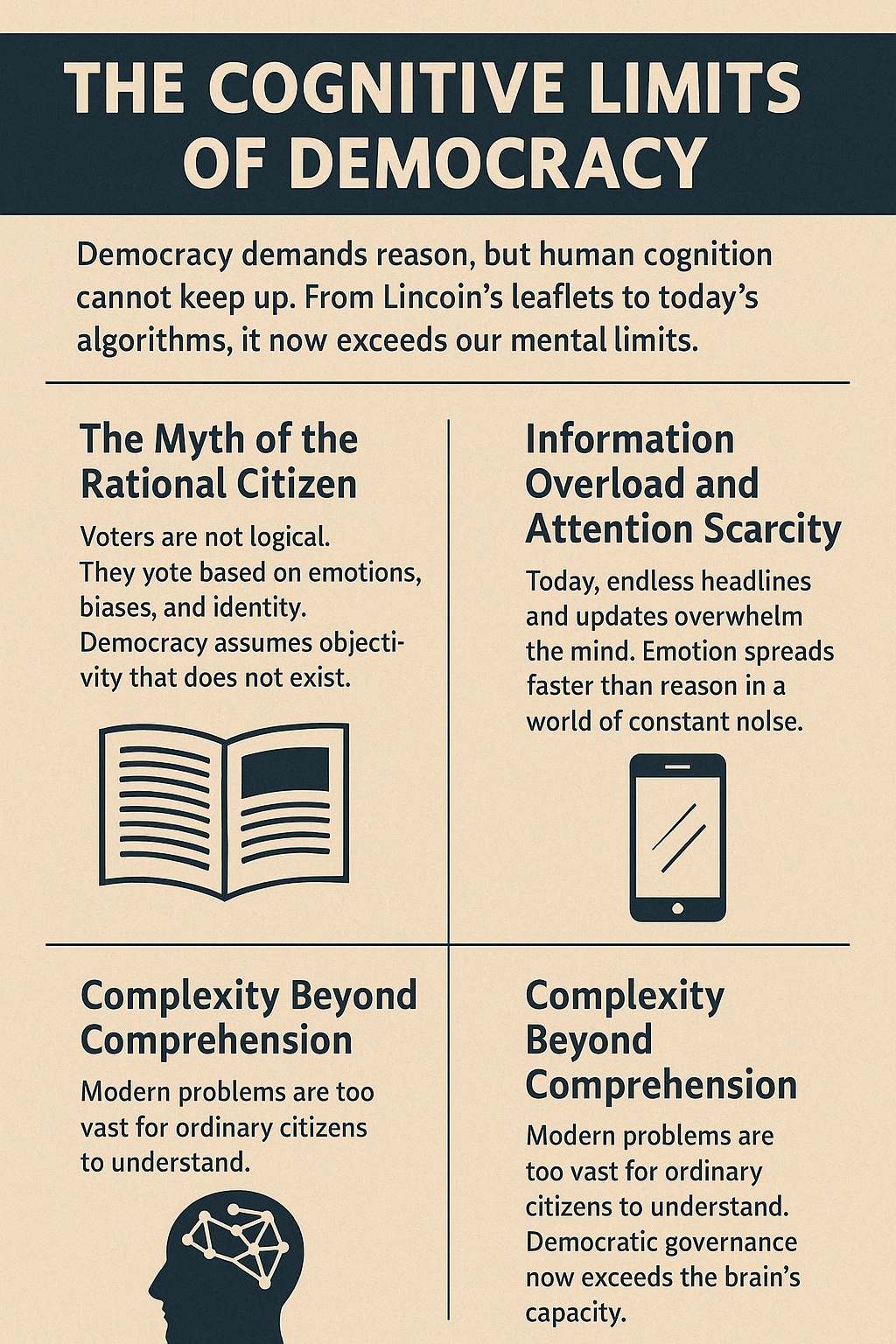
The cognitive limits of democracy
Democracy was built on a dream. It promised collective wisdom, shared power, and the rule of reason over passion. Yet what if that dream was never realistic? What if the very structure of democracy asks too much of the human brain? Modern civilization demands that millions of people make informed choices about problems too vast…
-

How intelligence agencies control banks and markets
Politicians claim to rule nations. Yet many of their decisions begin somewhere else. The real power lies behind the curtains, in rooms where no one votes and no one watches. Intelligence agencies form a global empire that never runs for office but quietly dictates what elected leaders can and cannot do. Their reach goes far…
-
America’s 400 days to save democracy
The United States was once regarded as the stronghold of democracy. Its Constitution inspired revolutions, and its institutions were treated as models across the world. Yet today, that image is cracking. Timothy Garton Ash warns that Americans have barely 400 days to save their republic. The warning is not rhetorical. It reflects a reality where…
-

Freethinking and helping: We will downgrade you
Platforms speak about free speech. They celebrate diversity of voices. Yet when freethinkers tell the truth, the algorithms punish them. FreethinkersInternational.net shows the paradox clearly. It has 25,000 subscribers on X. Its posts reach barely 100 people. The pattern is not a bug. It is a weapon. If you attack the establishment, if you expose…
-
Practical obstacles to the global government
The dream of a global government has always fascinated visionaries. It promises peace, coordination, and equality across the planet. Yet in reality, the world is ruled not by ideals but by entrenched structures of power. These structures exist both in the wealthy West and in developing regions. Super-rich families, banks, and lobbyists dominate advanced economies.…
-
The politician who mentions atheists – And what happens
Atheists are among the least spoken groups in political life. Politicians refer to every kind of religion. They praise Christian heritage, show respect for Jewish communities, meet Muslim leaders, and even flatter vague spirituality. Yet they almost never mention atheists. If they do, it often leads to tension, controversy, or silence. Religion is treated as…