Tag: super-rich families
-
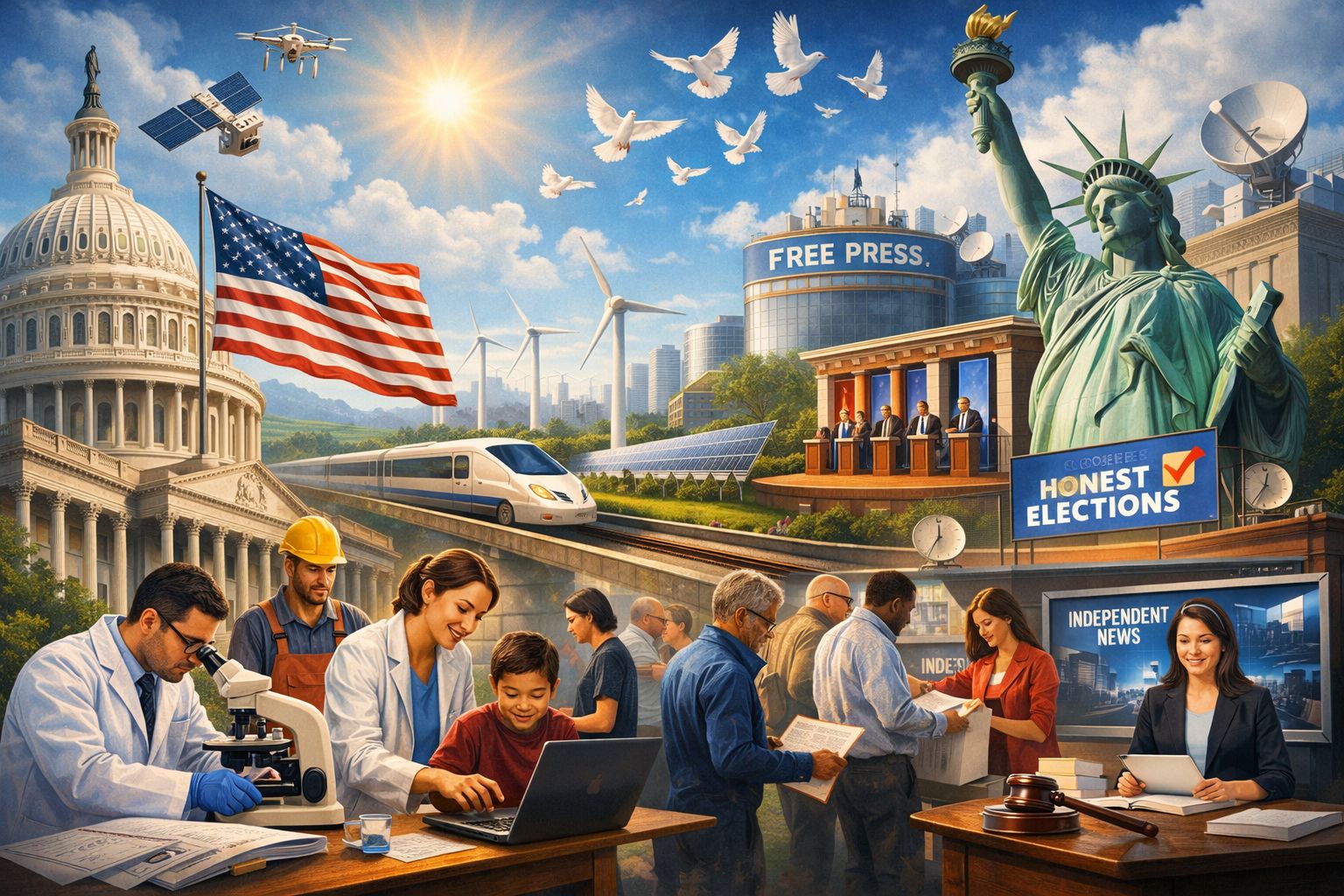
How would America look without clientelism?
What would happen if the United States severed the quiet exchanges that bind power to privilege? What would change if no surname carried automatic influence, no bank drafted its own regulation, no lobbyist shaped legislation behind closed doors, and no media outlet depended on patronage networks to survive? To answer that, we must first clarify…
-
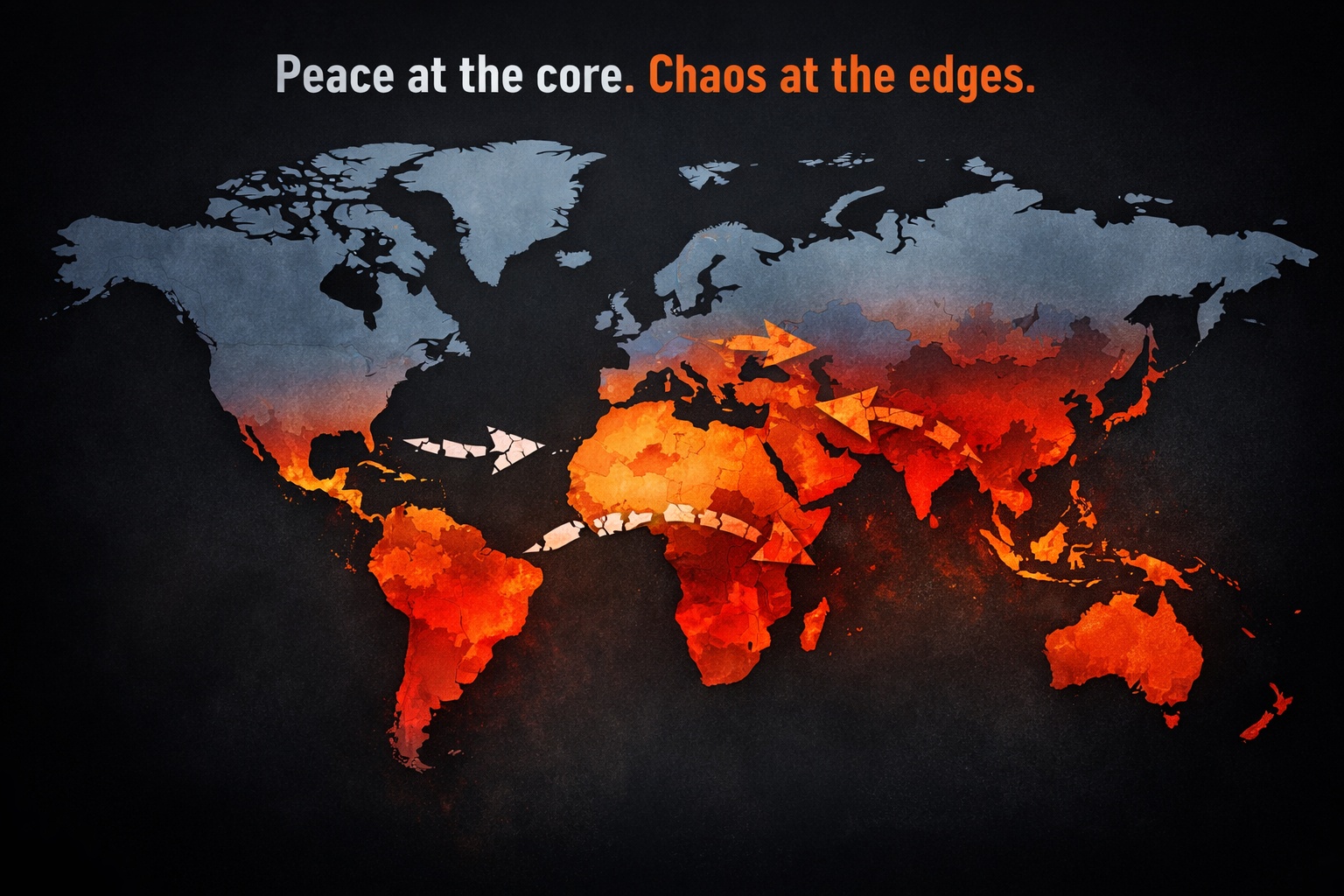
Will a New Monroe Doctrine bring peace?
The international system is entering a phase of open instability. Power no longer concentrates in one center, nor does it move predictably through established institutions. Instead, it fragments across regions, alliances, and competing economic blocs. The West still possesses enormous military, financial, and technological advantages, yet its ability to shape outcomes has clearly diminished. At…
-

Should Japan change its way and get militarized?
At first glance, the question sounds radical. Japan symbolizes pacifism, restraint, and postwar humility. However, this image hides a deeper historical and structural reality. Japan did not begin the twentieth century as a passive or backward country. On the contrary, it entered the Second World War as a fully modern, industrialized military power, fundamentally different…
-

The American global geopolitical downfall
The decline of American global power is often described in cultural or political terms. Commentators focus on polarization, elections, leadership failures, or social conflict. While these factors matter at the surface level, they do not explain the structural shift in global power. The core mechanism of decline lies elsewhere. It lies in capital flows, financial…
-

If banks wanted the Czech government gone, It would be over
Public debate in Czechia constantly misidentifies power. It focuses on ministers, party leaders, scandals, and occasionally on flamboyant oligarchs. As a result, power appears chaotic, personal, and noisy. However, this picture misses the decisive layer. It ignores the actors who control liquidity, credit, refinancing, and market confidence. Therefore, it ignores the actors who decide whether…
-

The end of American soft power and the illusion of leadership
At its core, American soft power never meant kindness, morality, or cultural charm alone. Instead, it meant credibility. More precisely, it meant trust, predictability, and consistency. Countries aligned with the United States because the system appeared to work. As long as cooperation produced growth, alignment made sense. As long as rules delivered stability, persuasion succeeded.…
-

WW3: Why Trump’s 50% military increase may prevent escalation
Donald Trump wants to increase U.S. military spending by roughly 50 percent. This proposal immediately provokes outrage across media, academia, and political commentary. Critics frame it as militarism, authoritarianism, or even a step toward dictatorship. These concerns sound reasonable at first glance. However, they focus on symbolism and personality rather than on geopolitical structure. Power…
-

Trump, hemispheric power, and the New Monroe Doctrine
The United States is entering a new Monroe Doctrine era. This shift does not arise from nostalgia, ideology, or a desire for isolation. It emerges from structural pressure. The global distribution of capital, power, and influence has changed faster than American institutions can adapt. Either the United States actively projects a hemispheric doctrine, or external…
-
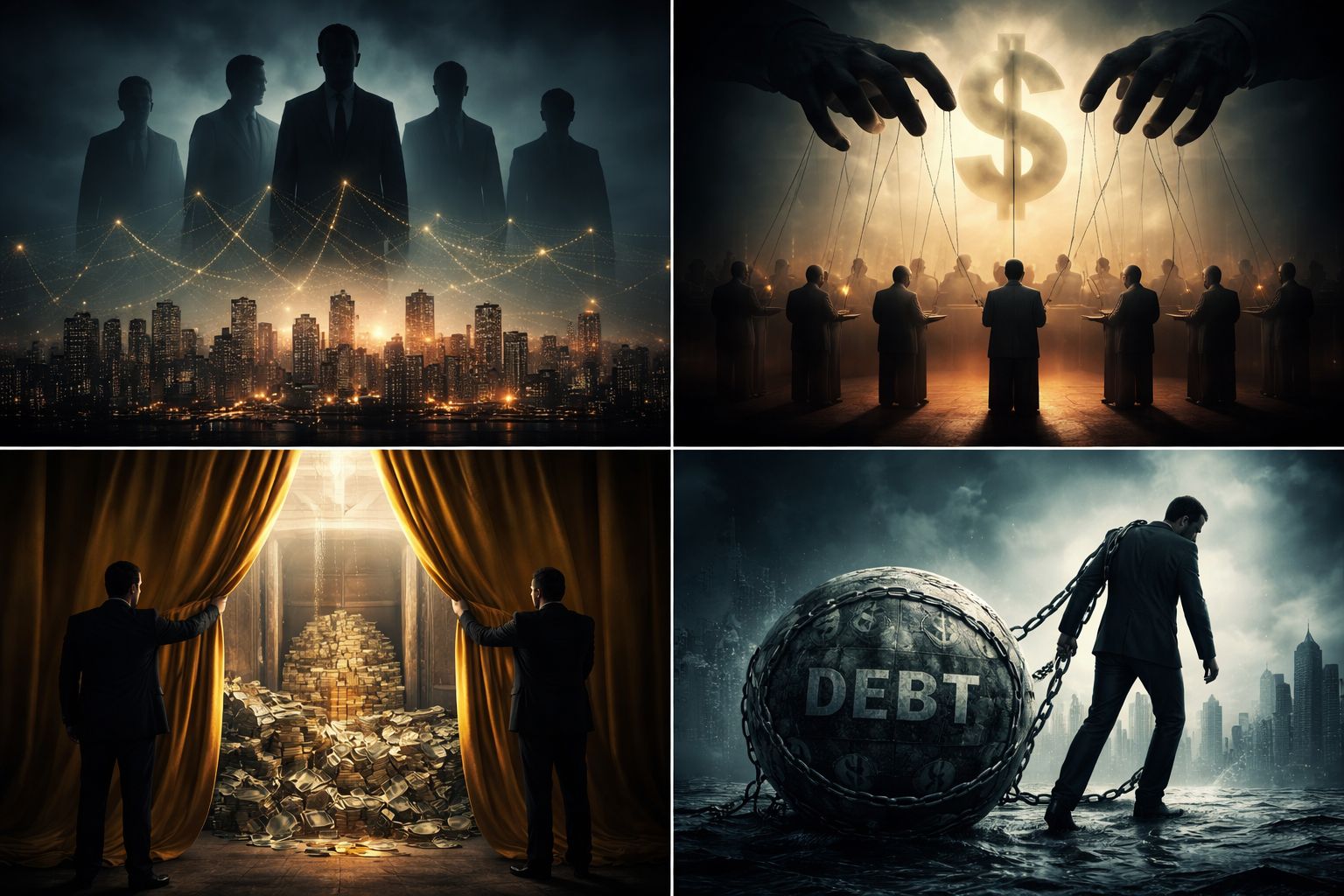
The silent power of financial dynasties
Public debate fixates on visible authority. Elections dominate headlines. Leaders absorb blame. Parties absorb hope. However, this focus misidentifies where decisive power operates. Financial dynasties do not seek legitimacy. Instead, they shape the conditions under which legitimacy functions. Before voters choose, before campaigns begin, economic constraints already exist. These constraints define what governments can realistically…
-
Cartels without gangsters: Power, coordination, and legality
Where are cartels, and why is it almost impossible to break them? People imagine cartels as gangsters. Guns. Drugs. Violence. That image feels comfortable. It pushes the problem far away. However, modern cartels do not wear masks. They wear suits, they file reports, they hire lawyers. They operate legally. Therefore, the first mistake lies in…