Tag: super-rich interest groups
-
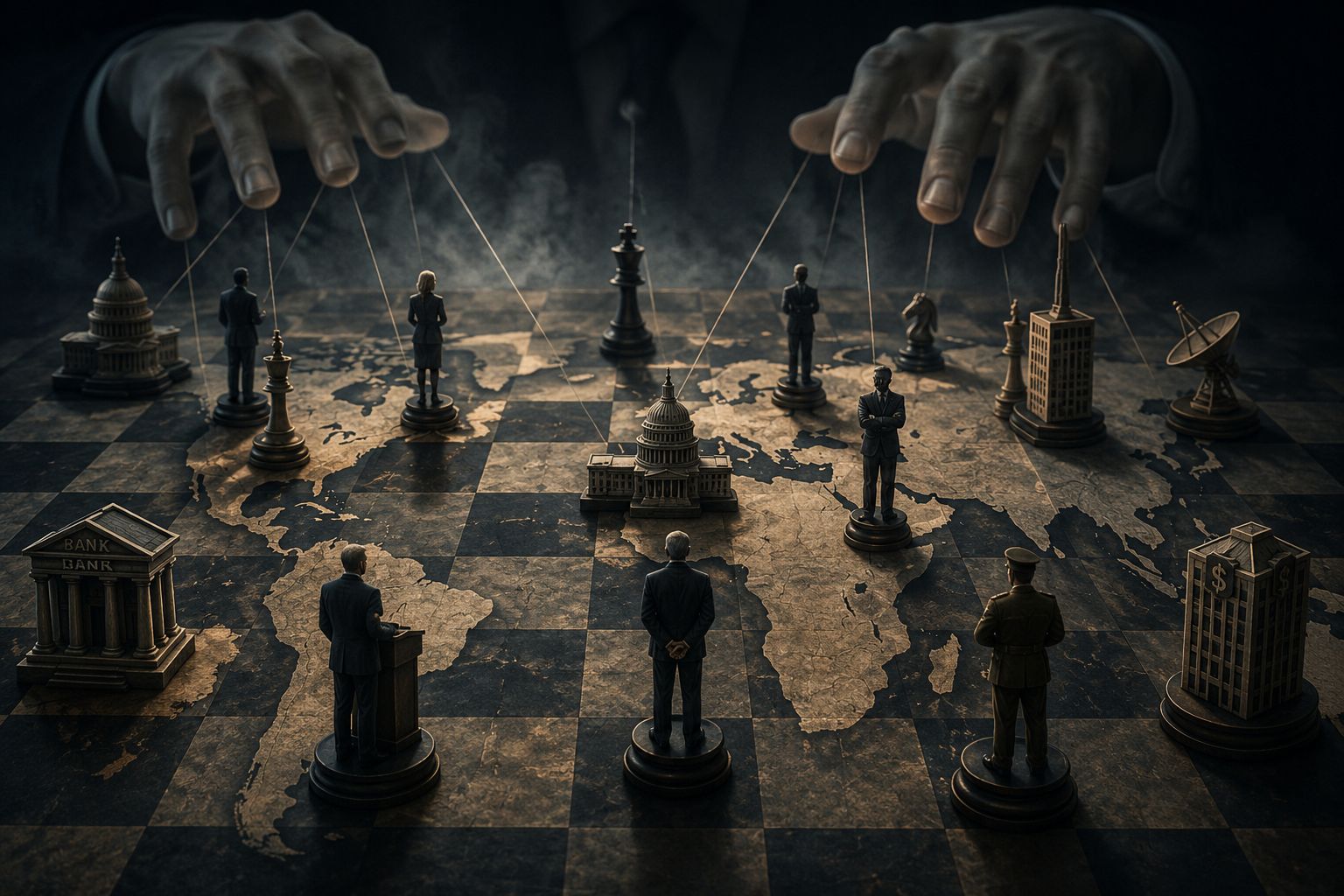
Organized Illuminati and Deep State? They exist to some extent
Evidence, evidence, evidence. I am the first one who demands it nearly in every claim. Did Jesus Christ exist? Does God exist? And so on. It is highly unprofessional for me to dive into unproven claims, but logic and statements by highly-ranking officials may give us clues. While there is massive documentary evidence of the…
-
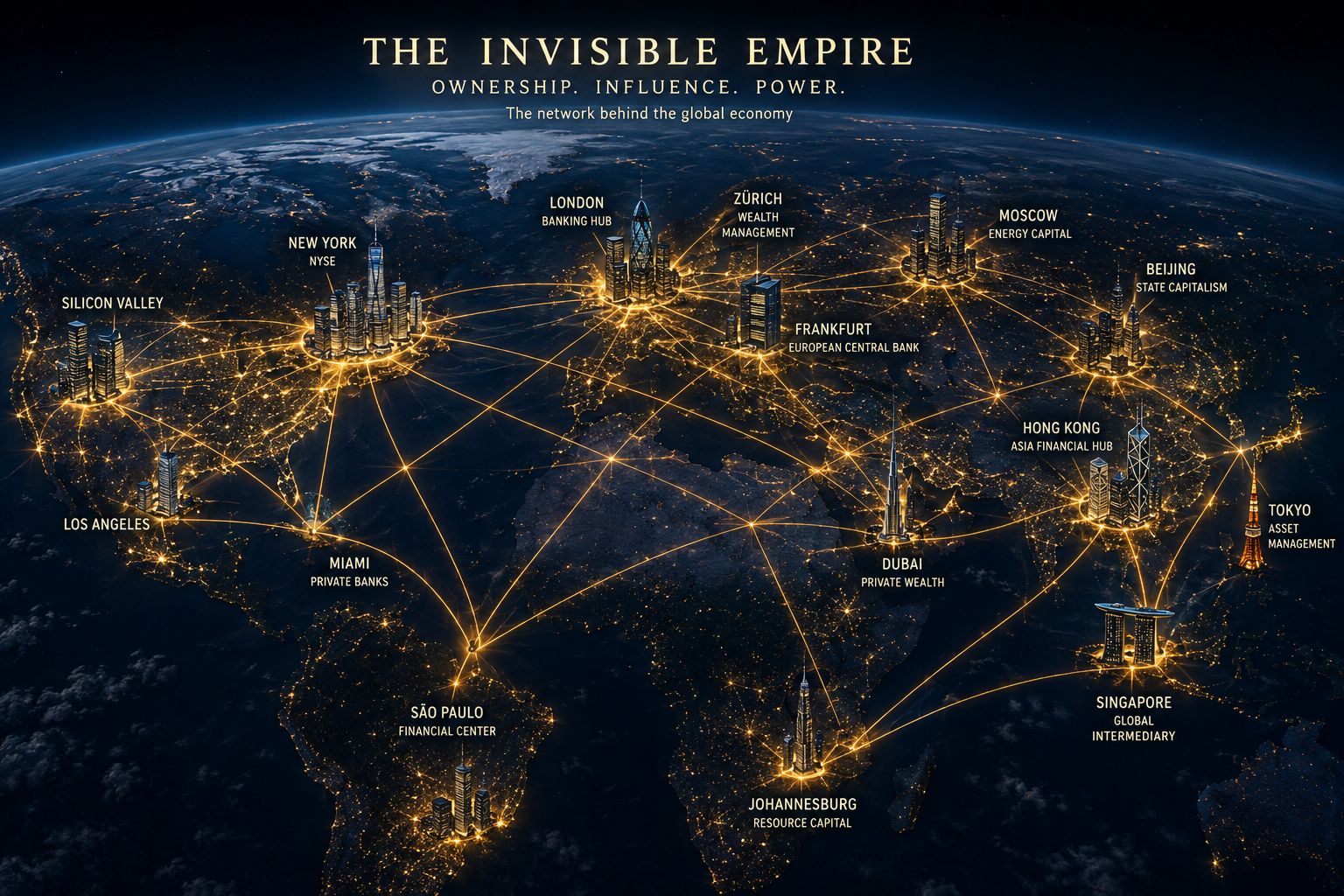
Inherited wealth, little innovation, lower taxes?
Capitalism has always been sold as a system of competition. The idea appears straightforward. Anyone with talent, determination, and a good idea can build a successful business. Consumers choose the best products. Inefficient companies disappear. New inventions replace old ones, while every entrepreneur has an opportunity to challenge the market leaders. Wealth, in this view,…
-
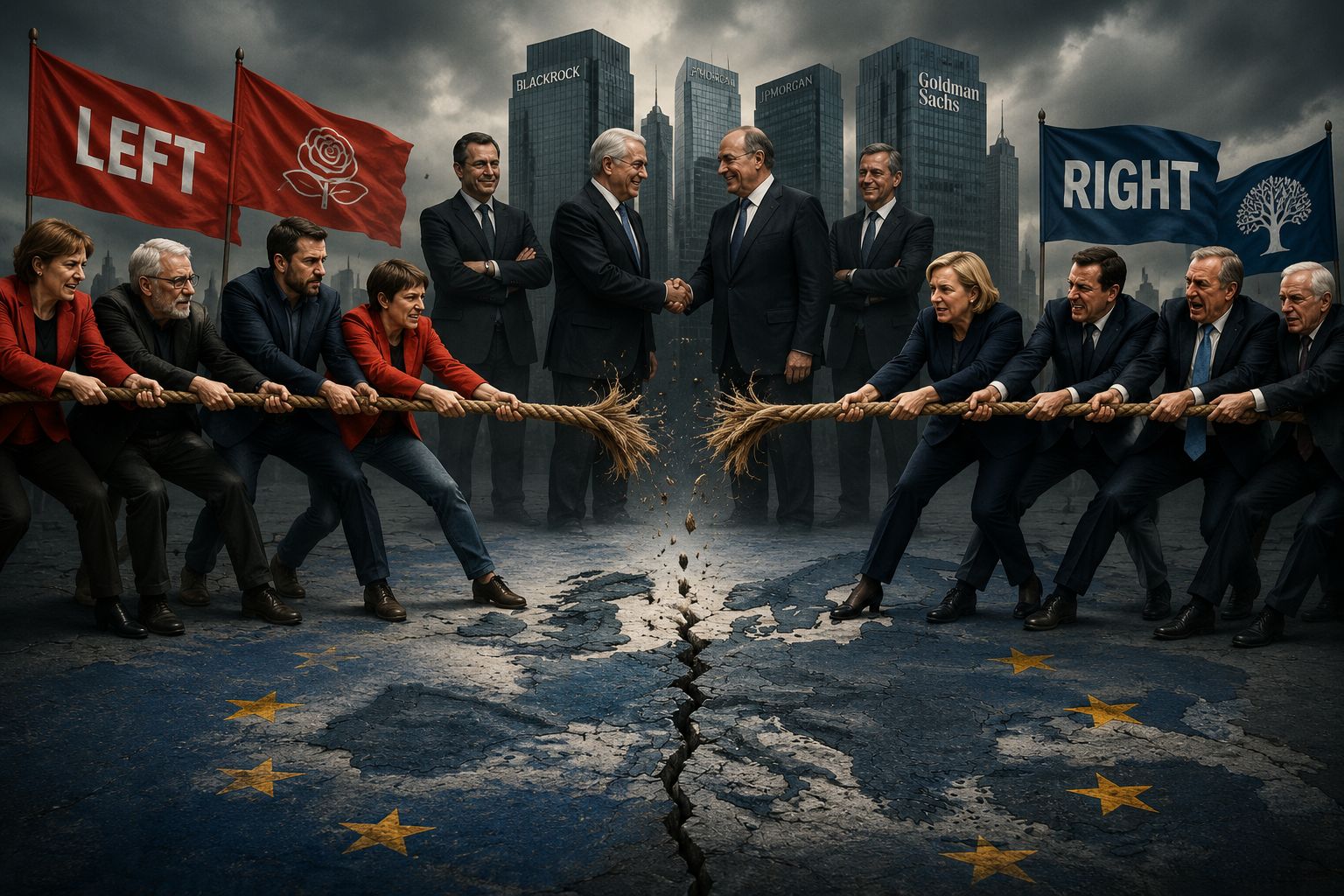
How the right-left spectrum disappeared in Europe
The everlasting, vigorous fight between the left and right in Europe is beyond the memory of those born in the 2000s. Who has more scandals? Who steals more? Whose political marketing is better? The debate revolved around changing taxes and sometimes even reforming the economy and health care. Everything followed either right-wing or left-wing policies.…
-

Even the Pope can be sometimes right
I am not only an atheist, but I also dispute central tenets of Christianity. I believe neither in a theistic nor a deistic God, and I also have serious doubts that Jesus Christ existed as a historical figure. In my opinion, he either did not exist at all, or the figure is based on someone…
-
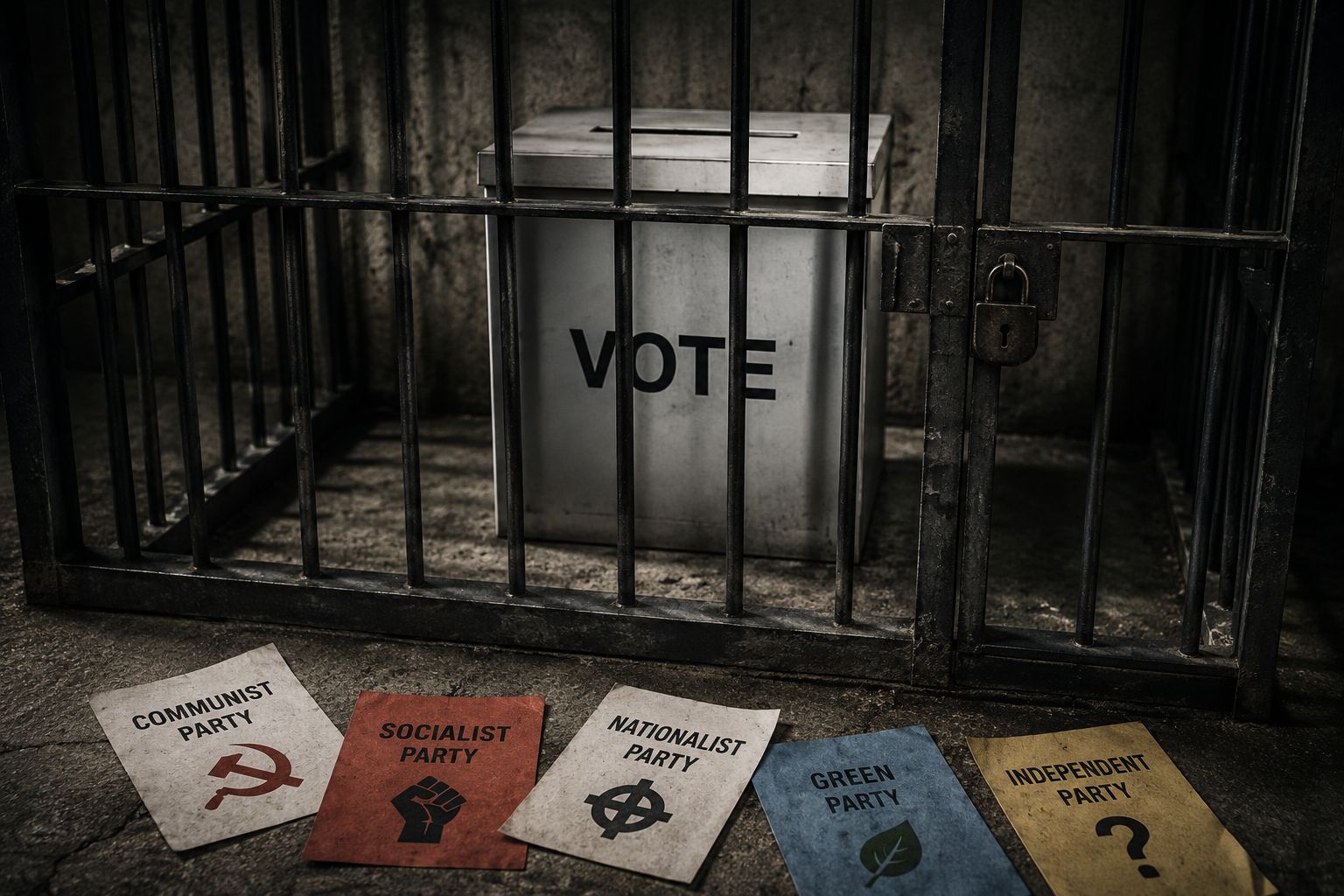
Banning a political party is no solution
Banning a political party may look like a solution. In reality, it creates a dangerous political precedent. A government first bans the extremists. Later, another government may ban the socialists, communists, nationalists, environmentalists, or anti-war movements. Eventually, the political establishment can outlaw anyone who threatens its power. Without free political competition, no real political change…
-
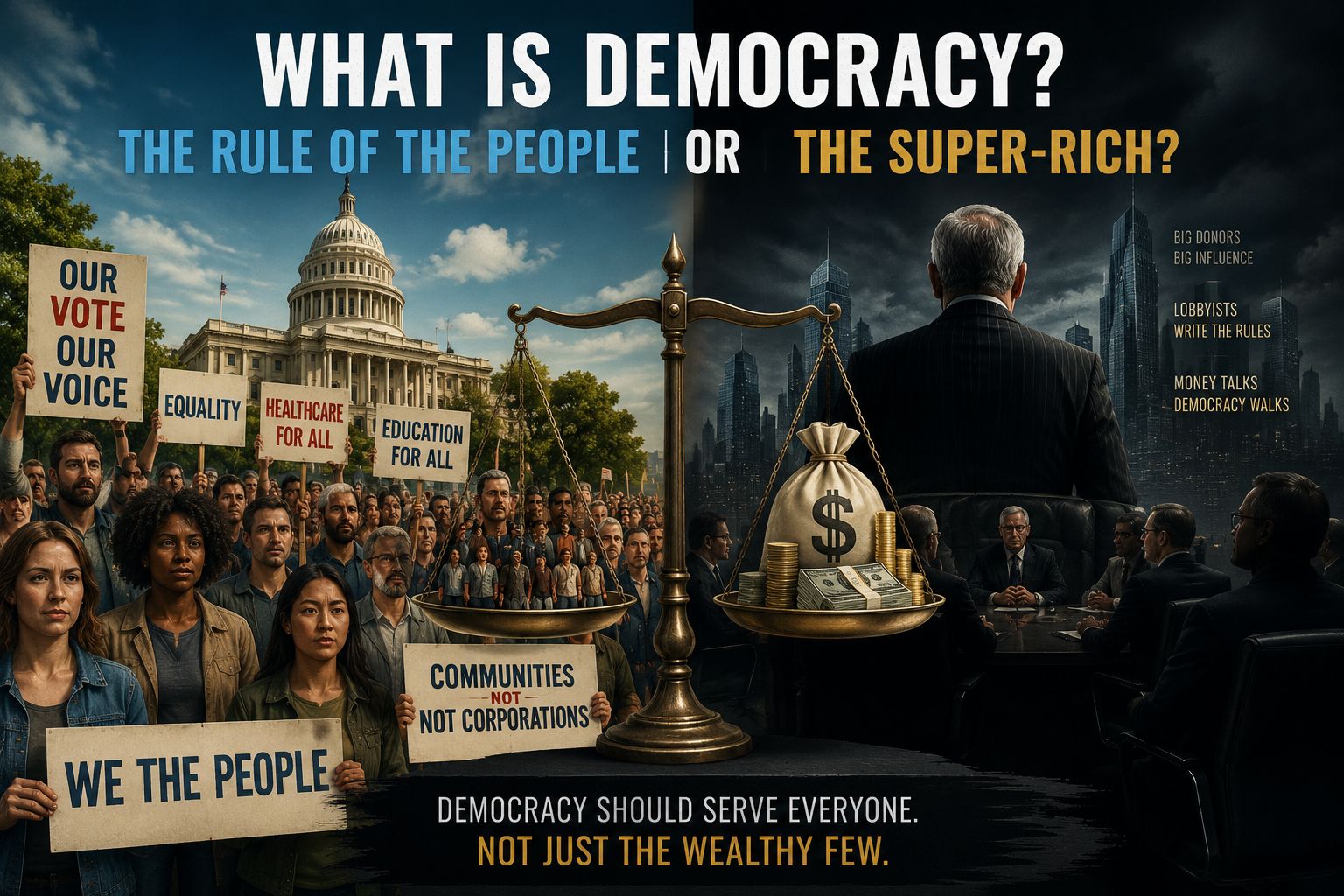
What is democracy? The rule of the people or the super-rich?
“Democracy is a system of government where power is vested in the people, who exercise it either directly through referendums or indirectly through elected representatives.” This is what Wikipedia says. During my formal studies, I was told there are lobbyists influencing politicians. And this process can be honest or truly dishonest (influencing for the benefit…
-

Why revolutions always end in corruption
Revolutions begin with moral outrage. People rise because they believe society has become intolerably unjust. They see corruption, inequality, oligarchic control, repression, poverty, censorship, police brutality, foreign domination, or complete institutional decay. Consequently, revolutionary movements emerge with enormous emotional energy. At first, revolutions appear morally pure. Crowds gather in streets believing they fight for freedom,…
-

The illusion of choice: How social media decides elections
Elections still take place in their formal sense. People vote. Parties campaign. Institutions operate. However, the environment that determines outcomes has changed profoundly. Therefore, one must no longer analyze elections only through ideology, class, or traditional media influence. Instead, one must examine visibility, repetition, and emotional amplification within digital systems. Consequently, social media does not…
-
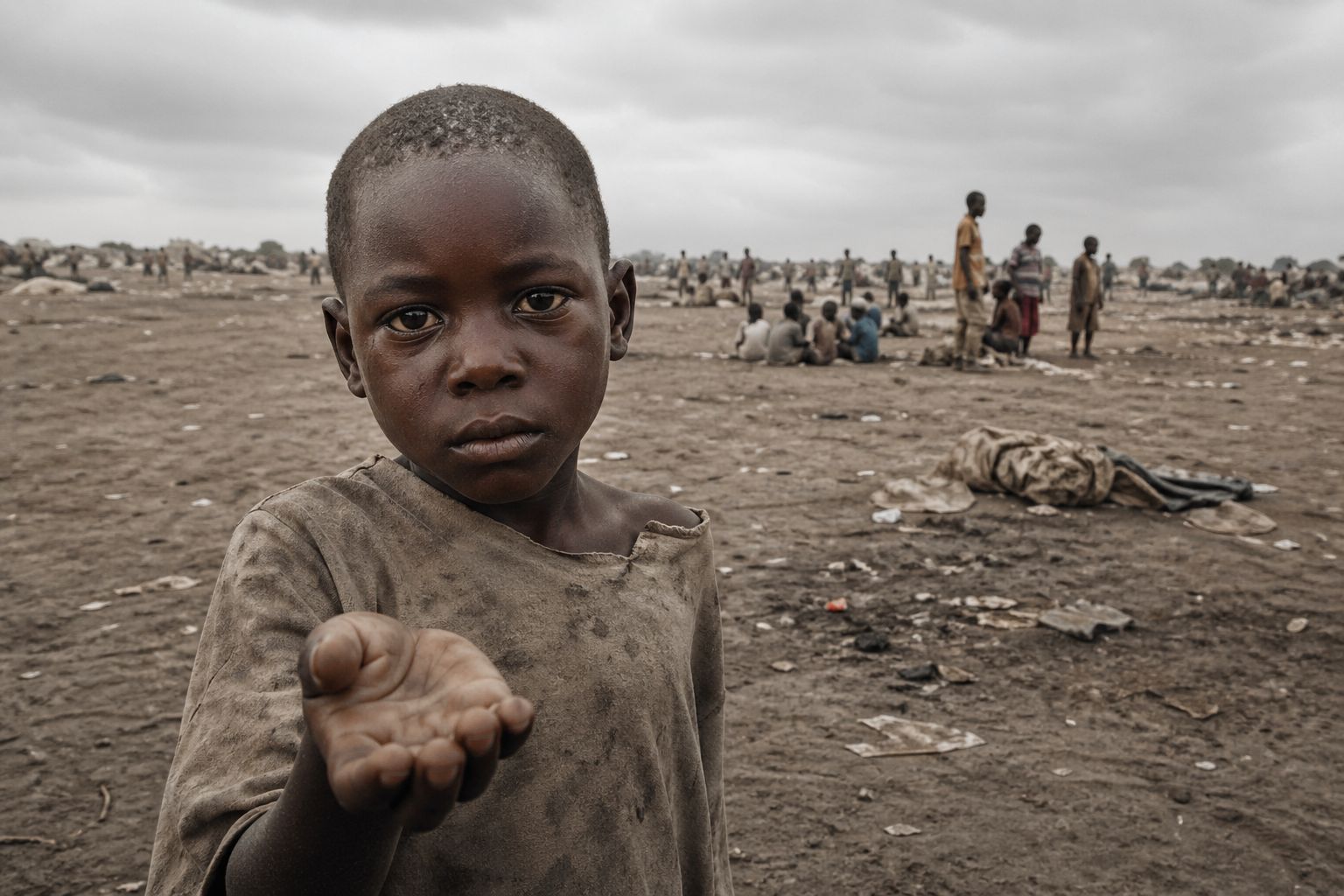
Global hunger: Starvation is a policy choice
The world produces enough food. Yet millions starve. Therefore, the problem does not lie in production. It lies in distribution, incentives, and power. In other words, hunger reflects a systemic failure, not a natural limit. At the same time, wealth has reached unprecedented levels. Capital concentrates in the hands of wealthy families, multinational corporations, and…
-
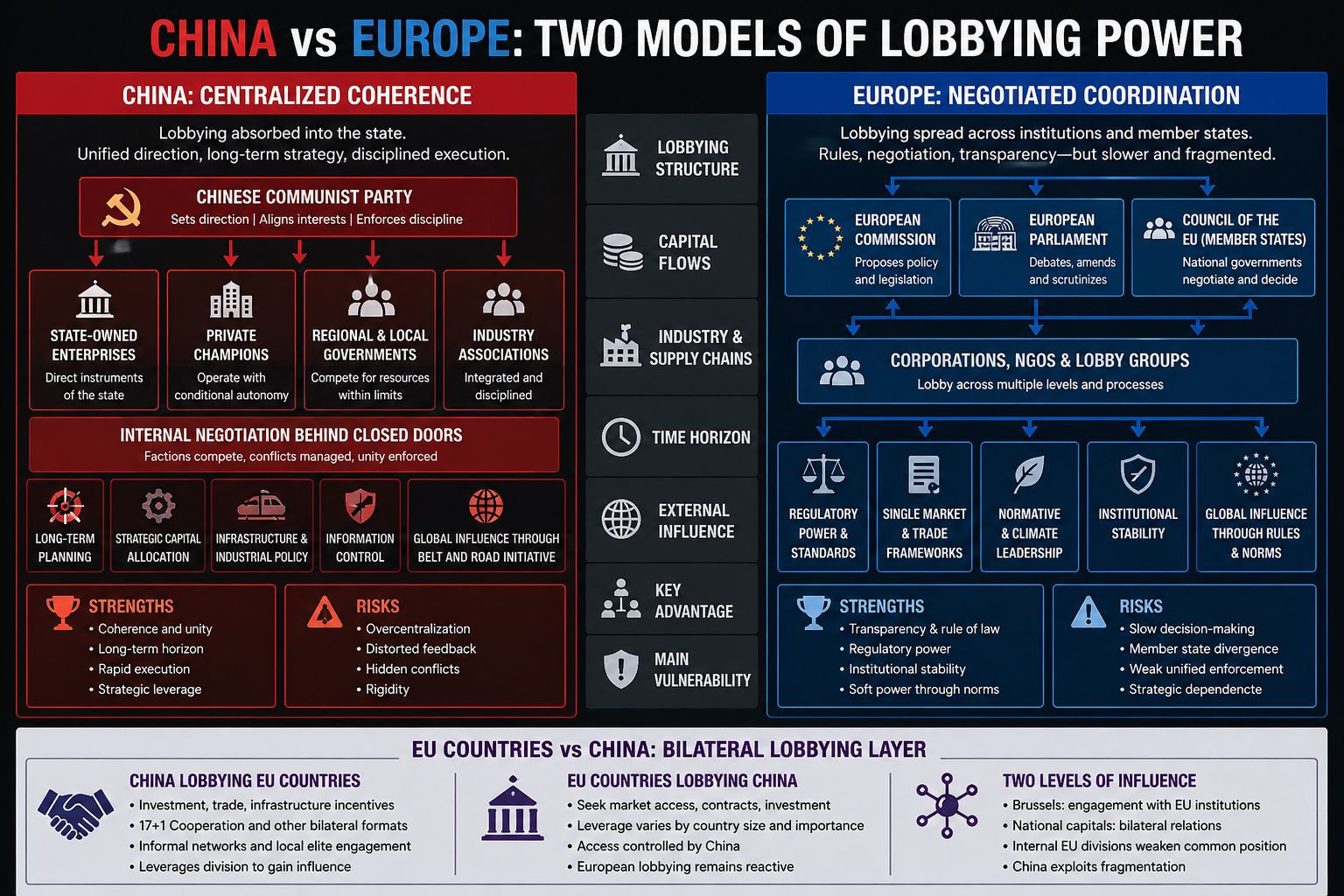
China vs Europe: Two models of lobbying power
At first glance, China and Europe organize influence in fundamentally different ways. On the one hand, China integrates lobbying into the state. On the other hand, Europe distributes lobbying across institutions and member states. Therefore, the contrast does not lie in whether lobbying exists. Rather, it lies in how power structures absorb or disperse it.…