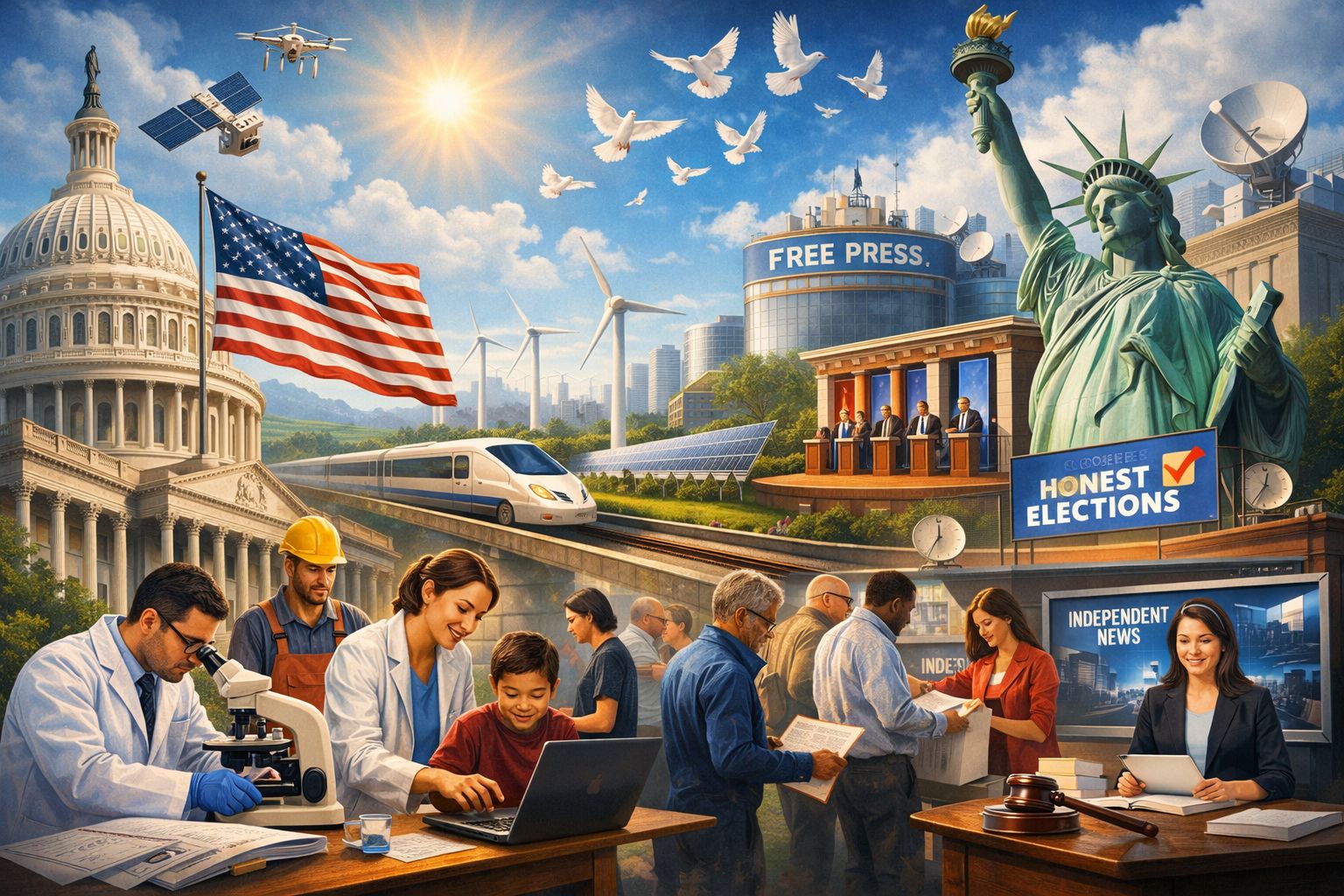
What would happen if the United States severed the quiet exchanges that bind power to privilege? What would change if no surname carried automatic influence, no bank drafted its own regulation, no lobbyist shaped legislation behind closed doors, and no media outlet depended on patronage networks to survive?
To answer that, we must first clarify the premise. Clientelism does not mean ordinary advocacy. Nor does it mean lawful participation in politics. Instead, it describes a structural pattern: decision-makers exchange public authority for private loyalty, funding, or protection. Over time, those exchanges harden into systems. Influence becomes predictable. Access becomes inherited. Institutions begin to orbit networks rather than citizens.
Now imagine dismantling that structure.
Not through revolution. Not through fantasy. But through systemic insulation of public power from private dependency.
What follows is not utopia. It is a disciplined thought experiment.
First: When power stops running in the family
Clientelism often begins at home.
American politics has seen recurring surnames such as the Kennedy family, the Bush family, the Clinton family, and the Trump family. These families did not violate democracy; voters elected them. Nevertheless, dynastic continuity changes incentives. Donor networks persist across generations. Media familiarity lowers entry barriers. Political branding reduces campaign costs.
Similarly, wealth dynasties such as the Walton family, the Koch family, and the Rockefeller family sustain influence through foundations, think tanks, university boards, massive wealth, and policy institutes. They act legally. Yet their capital compounds not only financially but politically.
If America sharply limited inherited political leverage — eliminating legacy admissions, capping dynastic political donations, increasing foundation transparency — leadership circulation would accelerate. New candidates would enter earlier. Campaigns would rely less on surnames and more on ideas. Consequently, political competition would feel less hereditary and more merit-based.
Importantly, such reform would not punish success. Rather, it would prevent inherited proximity to power from becoming a parallel constitution.
The change of a president also means a change of family behind his back, so divisious fractions occur.
Next: An executive branch freed from fundraising gravity
Today, presidents and governors devote enormous energy to fundraising networks. Cabinet appointments often draw from industries they regulate. Although many appointees act in good faith, the revolving door shapes perception and policy.
However, if public financing replaced private fundraising, leaders would reclaim time and autonomy. Moreover, strict divestment rules and permanent cooling-off periods would break regulatory pipelines.
As a result, long-term infrastructure, energy, and industrial strategy could unfold without donor pressure. Climate policy would not oscillate with sector financing. Furthermore, executive agencies could focus on mission outcomes rather than stakeholder appeasement.
In short, strategy would replace survival politics.
Meanwhile: Congress without K Street
For decades, Washington’s K Street has symbolized organized lobbying power. Lawmakers often spend hours each day raising funds. Industry groups frequently draft legislative language. Consequently, bills grow dense, technical, and filled with carve-outs.
Now imagine Congress without permanent fundraising blocks. Imagine transparent drafting. Imagine citizen advisory assemblies reviewing major bills. Lawmakers would still debate fiercely. However, they would argue over policy outcomes, not donor sensitivities.
Therefore, legislation would likely grow shorter, clearer, and more durable. Tax loopholes would shrink. Regulatory exceptions would decline. Most importantly, policy would stretch beyond the next election cycle.
Furthermore: A judiciary untouched by elite shielding
Justice must not only function; it must appear impartial.
Yet expensive legal defense advantages and elite law firm pipelines shape public perception. When wealth dramatically increases procedural leverage, trust erodes.
If reform strengthened public defense funding, expanded transparency in judicial appointments, and restricted post-bench corporate transitions, courts would project stronger neutrality. Prosecutors would pursue financial crime with equal vigor. Citizens would see consistency rather than hierarchy.
Consequently, trust in the rule of law would deepen — not through rhetoric but through visible equality.
Simultaneously: A financial system that competes rather than concentrates
Institutions such as JPMorgan Chase and Goldman Sachs dominate global finance. They operate legally and efficiently. Yet their scale grants them structural leverage in policymaking and crisis negotiation.
Suppose regulators dismantled “too big to fail” dynamics and enforced transparent capital standards. Suppose no bailout occurred without restructuring. In that case, regional banks would expand. Credit would distribute more widely. Risk would diffuse rather than concentrate.
Although capital might move more cautiously, it would also move more equitably. Speculative volatility would decline. Productive investment would rise
At the same time: intelligence and security with clear boundaries
Intelligence agencies exist to protect national security. However, blurred overlaps between financial sanctions, geopolitical competition, and domestic surveillance can raise suspicion. These agencies have trillions altering global financial flows, therefore power.
If Congress tightened oversight and clarified mandates, intelligence institutions would focus narrowly on threats rather than economic leverage. Transparency would increase without compromising operations. Consequently, public trust would grow.
Security would remain strong. Perception of politicization would weaken.
Additionally: Education that recruits from everywhere




Education shapes mobility more than any other system. Yet unequal district funding, legacy admissions, and donor influence distort access.
If states equalized funding formulas and eliminated legacy preferences, talent pipelines would widen dramatically. Tuition-free public higher education would reduce debt drag. Expanded STEM investment would strengthen AI and engineering capacity.
Consequently, writers, scientists, and entrepreneurs would emerge from broader socioeconomic backgrounds. Innovation density would rise. Regional disparities would narrow.
In effect, merit would compete on equal ground.
Likewise: Healthcare as infrastructure, not privilege
Employer-based insurance and opaque drug pricing entrench complexity. Families often fear bankruptcy more than illness.
However, if universal coverage replaced fragmented insurance models and negotiated pricing lowered pharmaceutical costs, stability would expand. Entrepreneurs would launch companies without risking medical collapse. Preventive care would reduce emergency expenditures.
Thus, healthcare would function like roads or electricity — a platform for productivity rather than a battlefield of billing codes.
Moreover: Infrastructure planned for generations

When pork-barrel politics guides investment, projects scatter. When contractors lobby intensely, priorities skew.
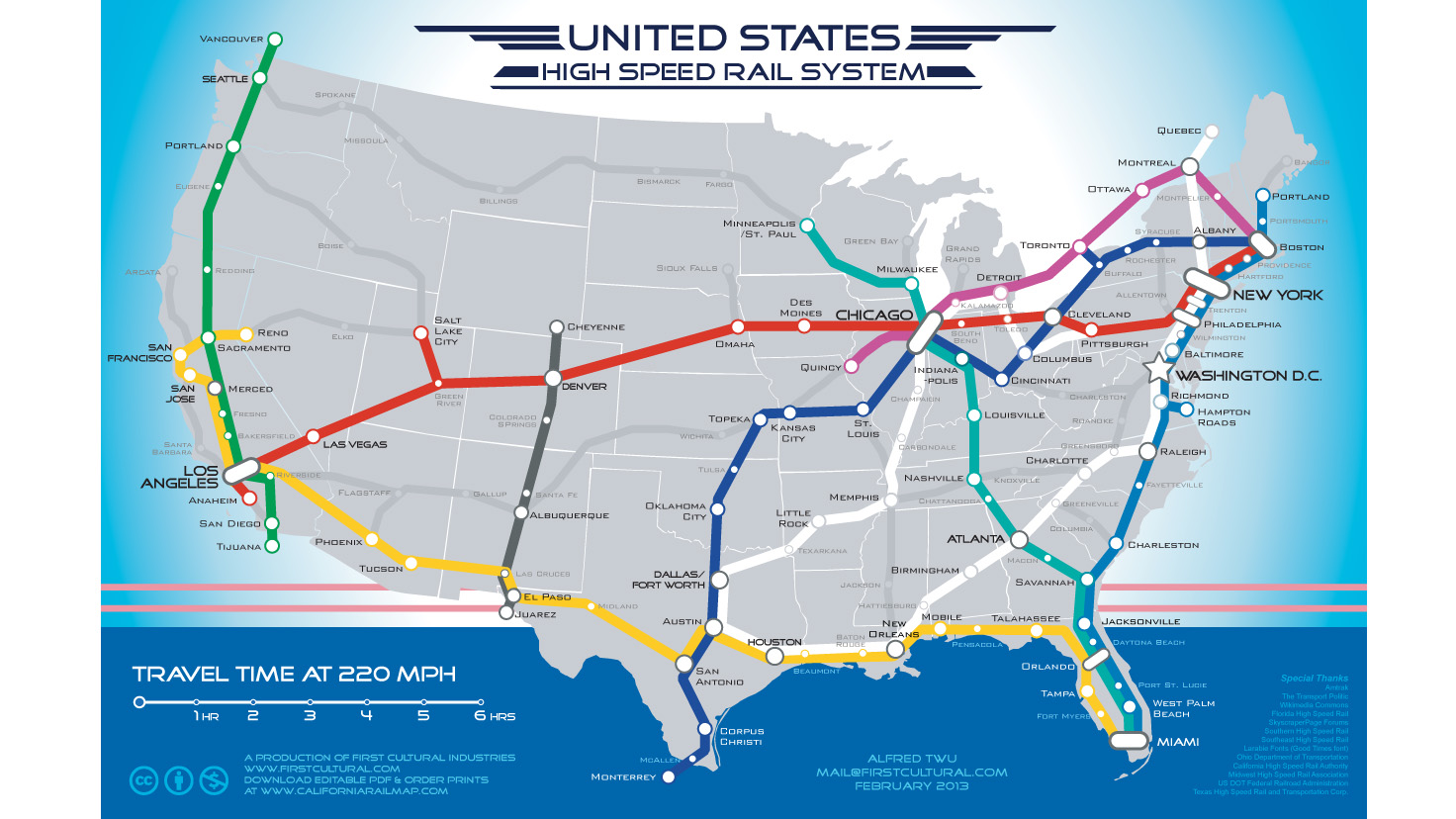
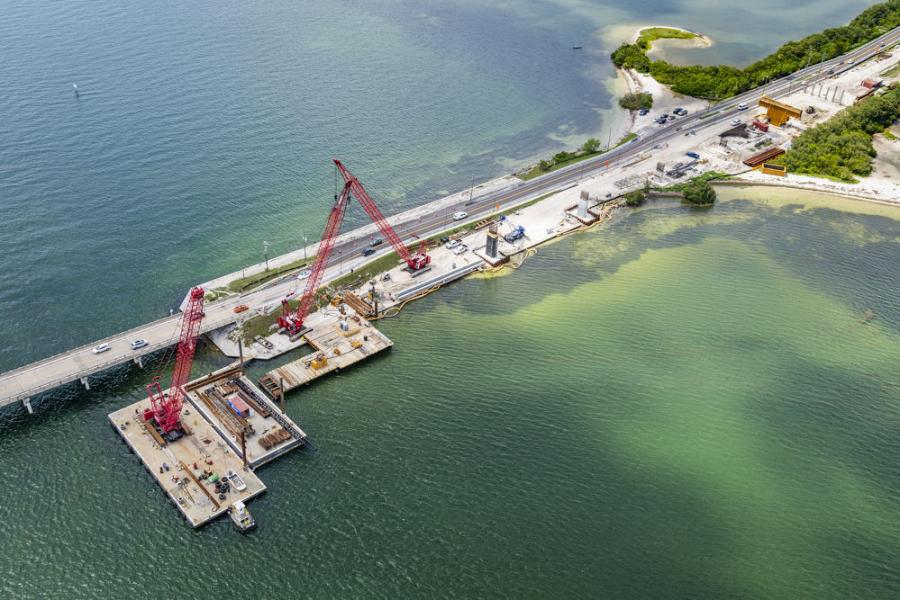
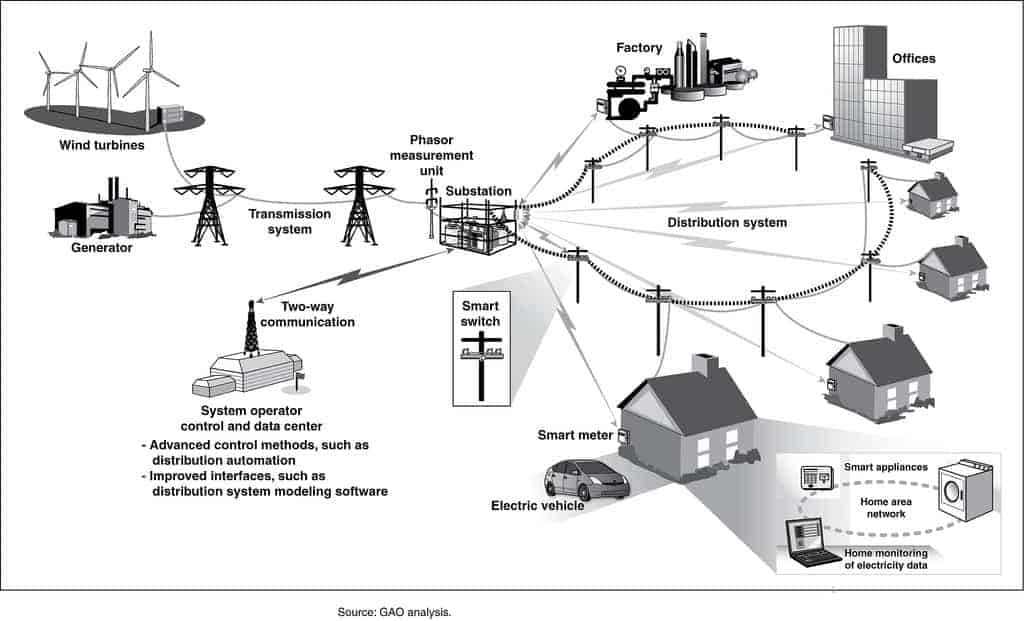
Yet if national planning emphasized resilience and return on investment, the United States could build high-speed rail corridors, modernize bridges, harden coastal defenses, and treat broadband as a utility. Long-term thinking would replace ribbon-cutting cycles.
Consequently, productivity would increase. Maintenance costs would fall. Climate resilience would improve.
Then: Innovation and AI that diffuse rather than concentrate


Extreme capital concentration shapes technology development. Data monopolies entrench advantage.
However, expanded public R&D funding and open AI standards would distribute opportunity. Regional tech hubs would flourish beyond Silicon Valley. Ethical oversight would strengthen.
As a result, innovation would accelerate horizontally rather than vertically. Competition would intensify. Knowledge would diffuse faster.
Crucially: Media that is structurally free
Legal freedom alone does not guarantee independence. When advertisers, conglomerates, or political patrons dominate revenue streams, editorial pressure follows.
If antitrust enforcement reduced consolidation, if public-interest journalism funds strengthened local reporting, and if ownership transparency became mandatory, media outlets would reclaim autonomy.
Investigative journalism would challenge power without fearing advertiser retaliation. Local newsrooms would revive. Algorithmic outrage cycles would weaken.
In other words, media would become free not only constitutionally, but economically.
Meanwhile: Religion without political brokerage
Religious communities often engage politically. However, when political fundraising pipelines intertwine with faith networks, polarization intensifies.
If financial ties loosened and church-state boundaries clarified, religious institutions would focus on service, ethics, and community. Culture-war escalation would subside. Civic discourse would cool.
In parallel: Labor with negotiating power
When corporate lobbying suppresses labor reform, wage growth stagnates. Portable benefits and collective bargaining struggle.
If reforms strengthened worker representation and modernized labor law, wages would rise. Gig precarity would decline. Economic stability would broaden.
Consequently, middle-class resilience would expand.
A president with hands free
In every modern presidency, two clocks tick at once. One measures national priorities — security briefings, economic forecasts, infrastructure plans. The other measures political survival — fundraising dinners, donor calls, coalition maintenance, media calibration. In a clientelist system, the second clock often runs louder than the first.
Now imagine silencing it.
A president with hands free would not govern in isolation. Congress would still legislate. Courts would still review. Voters would still judge. However, the invisible obligations that accumulate through donor networks, dynastic continuity, corporate pipelines, and revolving-door incentives would no longer structure the executive day.
First, time would change. Without private campaign financing, reelection would not depend on continuous fundraising. The president would not spend evenings courting contributors or reassuring industry patrons. Instead, that time would shift toward strategic planning, policy review, and cross-agency coordination. Free hours would translate into deeper preparation and longer-term thinking.
Second, appointments would change. In a post-clientelist framework, strict divestment rules and permanent cooling-off periods would separate regulatory leadership from the industries they oversee. Cabinet secretaries would emerge primarily from public service, independent research institutions, and professional expertise rather than from boardrooms tied to regulated sectors. Consequently, environmental policy would follow scientific consensus more closely. Financial oversight would emphasize systemic resilience rather than market appeasement. Defense planning would respond to strategic realities, not contractor relationships.
The banking titans
Third, crisis management would shift tone. Today, large financial institutions — including JPMorgan Chase and Goldman Sachs — carry systemic weight that shapes executive decision-making during economic turbulence. In a system where capital concentration no longer dictates rescue terms, the president could enforce restructuring without fearing cascading collapse. Market discipline would function without hostage dynamics.
Fourth, long-term national projects would regain priority. Infrastructure, climate resilience, energy transition, and artificial intelligence strategy require consistency across decades. Yet short-term political calculations often interrupt them. A president free from clientelist dependency could pursue generational planning without calibrating each step to donor reaction or factional backlash. Stability would replace oscillation.
Moreover, public trust would likely increase. When citizens perceive that executive decisions arise from constitutional mandate rather than private access, skepticism declines. Transparency would feel substantive rather than performative. The office would appear less entangled and more accountable.
Importantly, free hands do not mean expanded authority. They mean fewer strings. The president would still negotiate with Congress. Political opposition would remain fierce. Media scrutiny would intensify in a truly independent press environment. However, executive judgment would rest on policy merit and electoral legitimacy rather than on maintaining patronage networks.
Finally, symbolic power would change. The presidency would feel less like a node in an elite circulation system and more like a temporary stewardship entrusted by voters. Surnames would not carry automatic advantage. Financial leverage would not guarantee proximity. Access would not depend on donation scale.
A president with hands free would still face immense complexity. Yet complexity differs from constraint. When structural dependencies loosen, decision-making clarifies. When obligations shrink, accountability sharpens.
In that environment, the executive branch would not become perfect — but it would become more coherent. And coherence, in a republic of 330 million people, may be the most radical reform of all.
Finally: Elections that compete openly
Dark money networks and gerrymandering distort competition. Public financing and district reform would rebalance incentives.
Voter turnout would increase. Third-party experimentation would grow. Polarization might soften as competitive districts demand coalition-building.
Democracy would feel participatory rather than procedural.
System-wide effects
If America reduced clientelism across families, finance, media, religion, education, and government:
- Institutional trust would rise.
- Economic mobility would increase.
- Innovation would diffuse.
- Policy would stabilize.
- Polarization would moderate.
- The perception of a permanent governing class would fade.
Importantly, influence would not vanish. Networks would persist. Wealth would still matter. However, no single axis — surname, bank, donor, or broker — would dominate the republic’s operating system.
A necessary reality check
Influence never disappears entirely. Informal networks might replace formal ones. Concentrated capital sometimes accelerates innovation. Dynasties can provide institutional memory.
Therefore, the real question is not whether influence should exist.
The real question is this:
How much inherited or purchased influence can a democracy tolerate before merit becomes ornamental?
As Martin Luther King Jr. warned: “A nation that continues year after year to spend more money on military defense than on programs of social uplift is approaching spiritual death.”
Perhaps the deeper warning applies here as well:
A nation that slowly trades public trust for private networks does not collapse overnight. Instead, it drifts.
And yet, if drift can occur gradually, reform can too.
The architecture of power is built by human design.
Therefore, humans can redesign it.
Leave a Reply