Ideas, opinions, politics, humanities
-
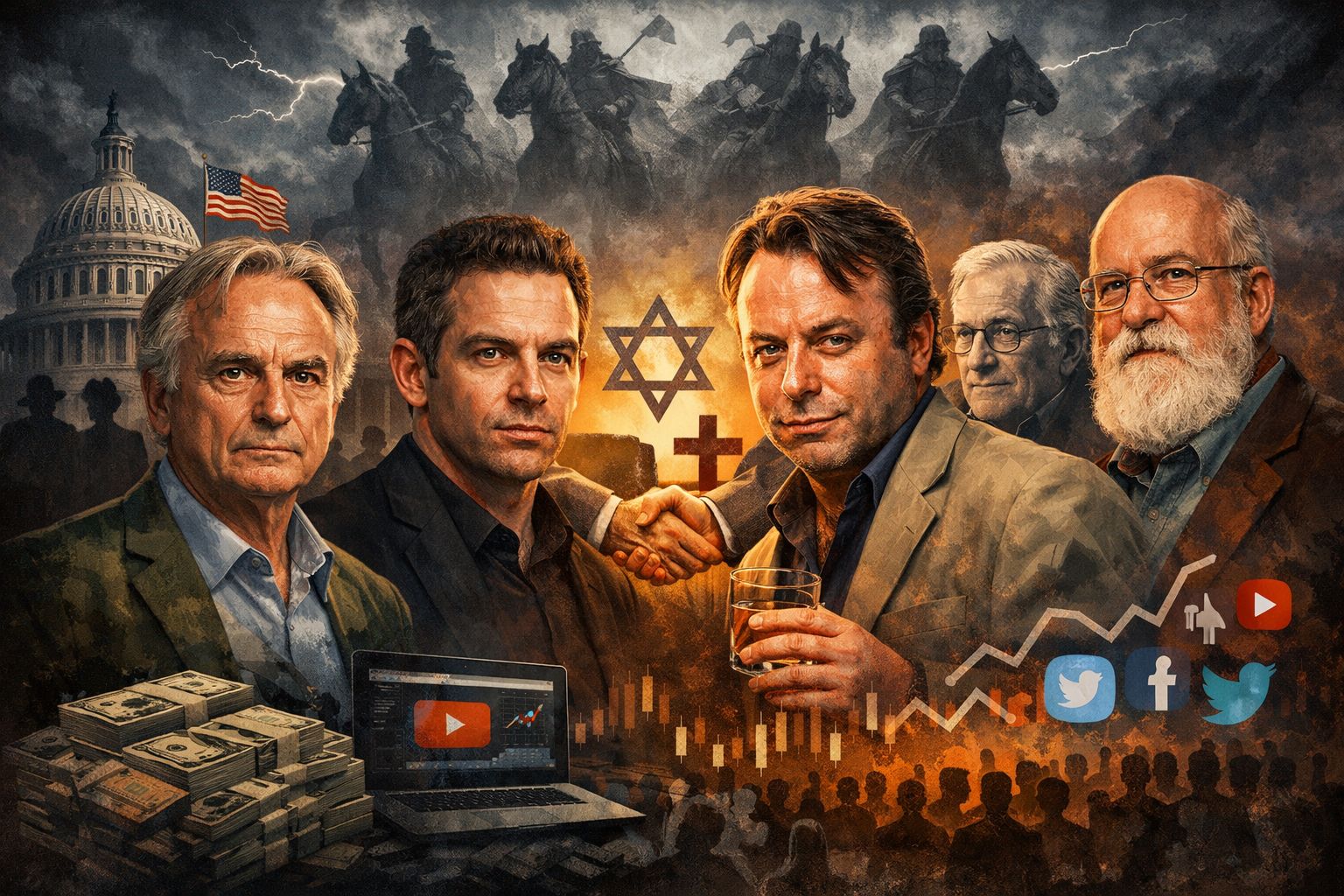
My deepest disappointment with the 4 horsemen of New Atheism
I once believed the success of Richard Dawkins, Sam Harris, Christopher Hitchens, and Daniel Dennett proved something uplifting. I thought it showed that intelligence, clarity, and courage were enough. I thought anyone could have made it. In fact, I believed there were thousands of more talented people than they were, people sharper, deeper, and more…
-
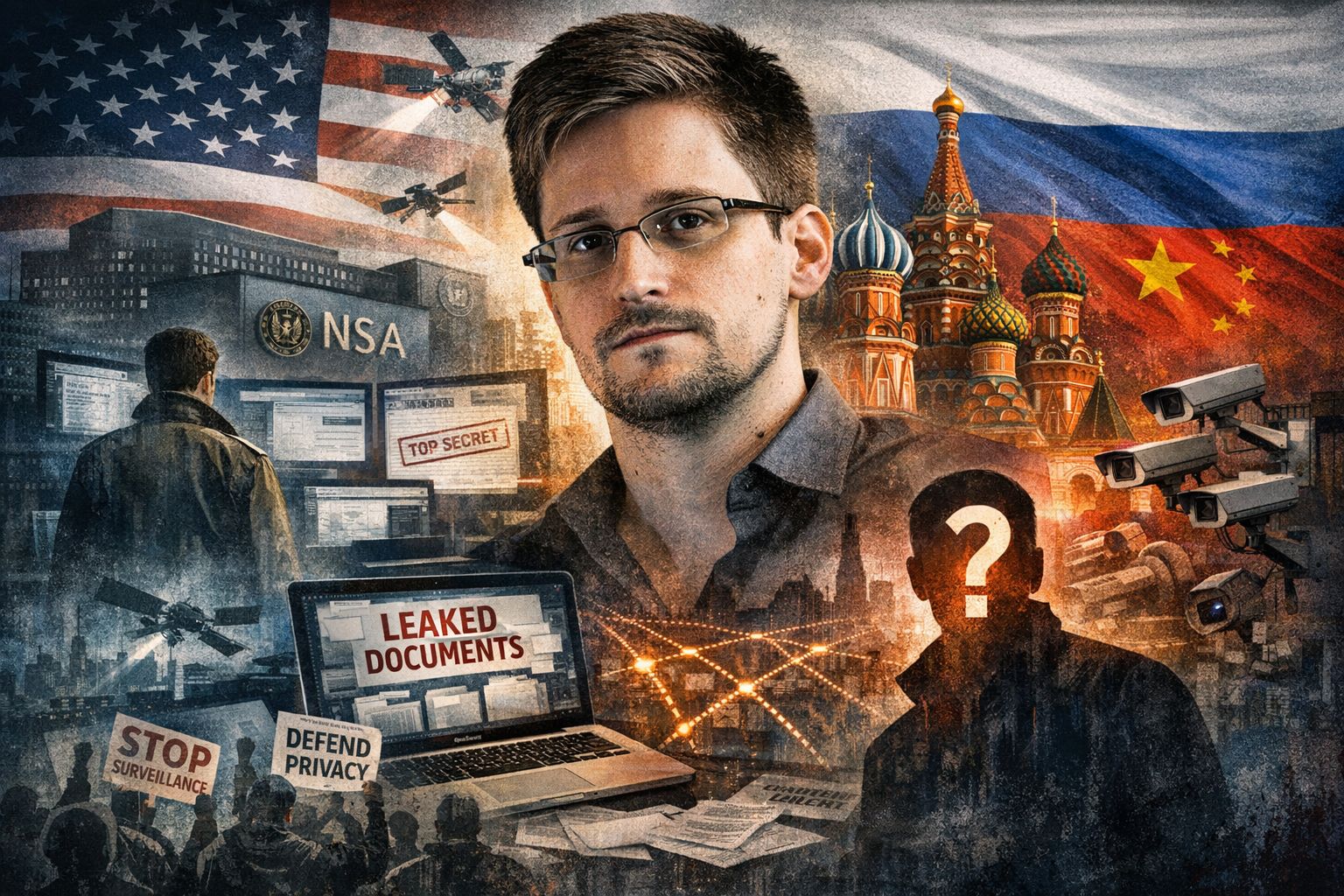
Edward Snowden: An agent? Arguments for and against
Edward Snowden did not just leak documents. He triggered a global shift in how people think about power, surveillance, and the state. His actions forced governments to react, forced citizens to reconsider trust, and forced intelligence agencies to adapt. However, the deeper one looks, the less stable the narrative becomes. At first, the case looks…
-

Why do people claim mental illness is a matter of free will?
The idea sounds absurd. Mental illness appears as something imposed, not selected. People see depression, anxiety, or psychosis as conditions that overwhelm the individual. However, a persistent belief runs underneath public discourse. Some people claim that individuals “choose” their mental state. They argue that people could simply think differently, act differently, and escape their condition.…
-
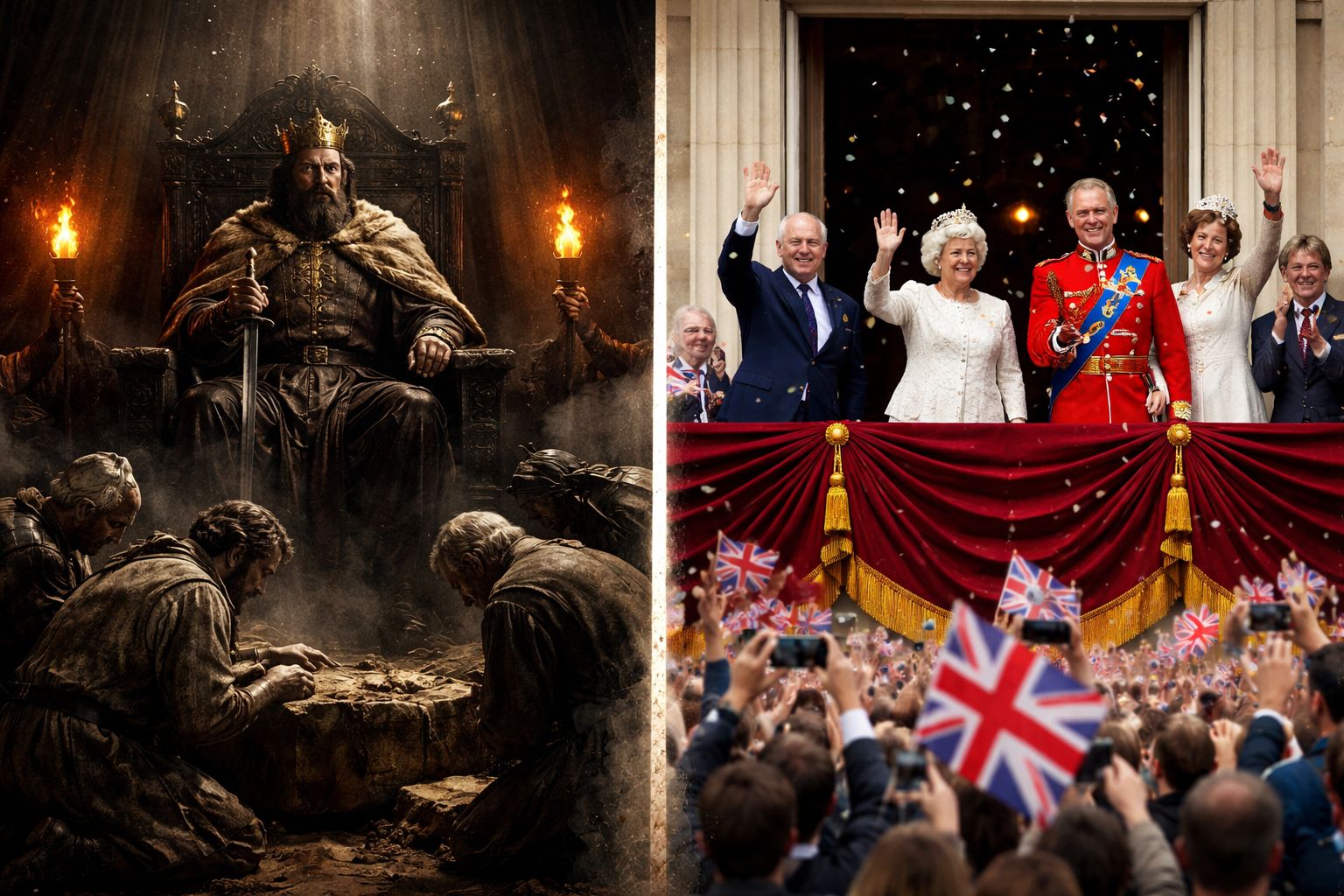
Monarchies brutally oppressed people, now they are celebrities
At first sight, monarchy looks harmless today. You see ceremonies, weddings, uniforms, and polished speeches. You see smiling figures waving to crowds. However, this image hides a radical transformation. Monarchies once ruled with absolute power. They controlled life, death, land, and law. Today, many of them exist as symbols, brands, and celebrities. This shift raises…
-
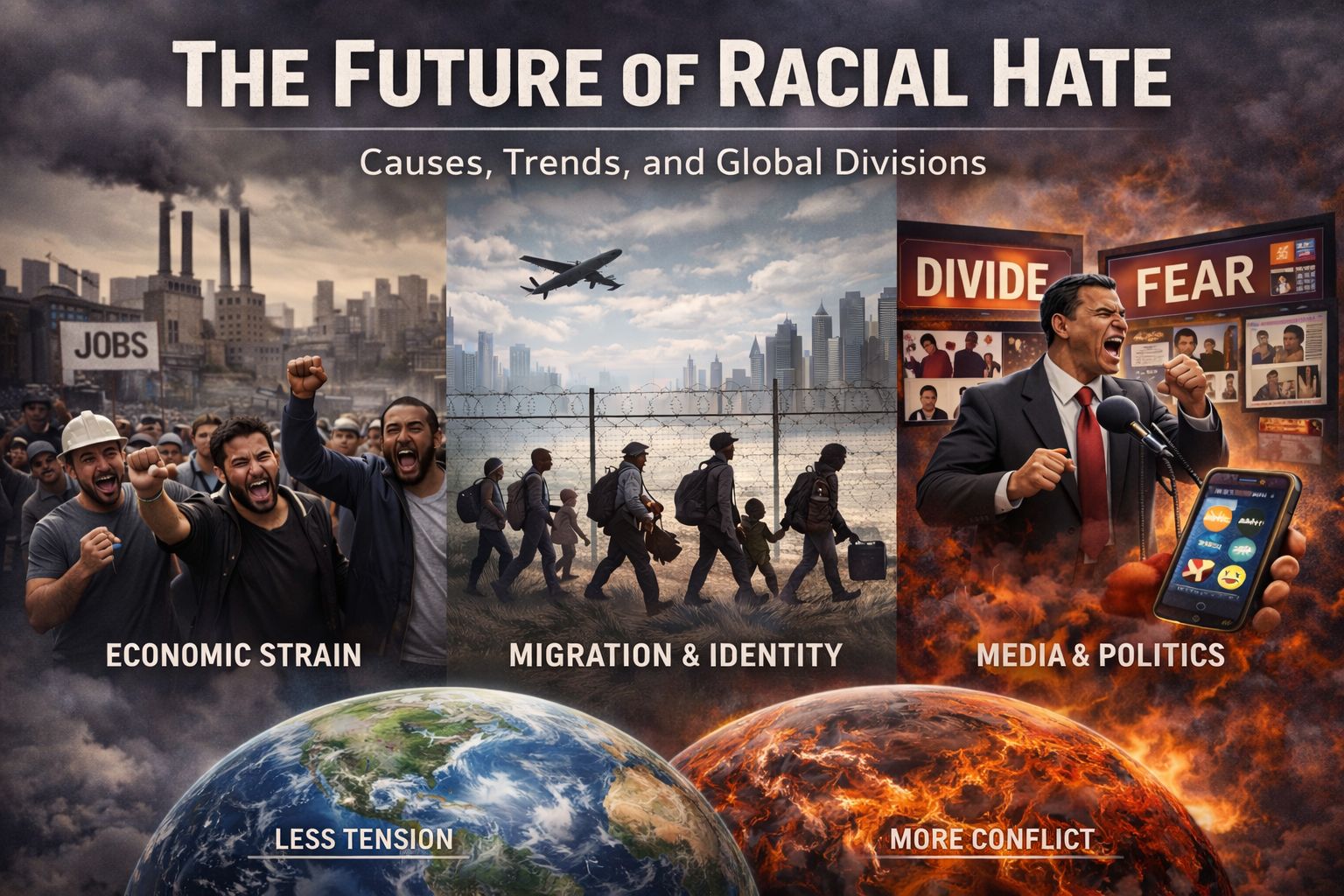
Prediction of racial hate in the world
At first glance, people ask a simple question. Is racial hate rising or declining? However, the answer is more complex. It does not simply increase or decrease. Instead, it transforms. It shifts form, language, and visibility. In some places, it becomes subtle. In others, it becomes direct and violent. Therefore, to understand its future, one…
-
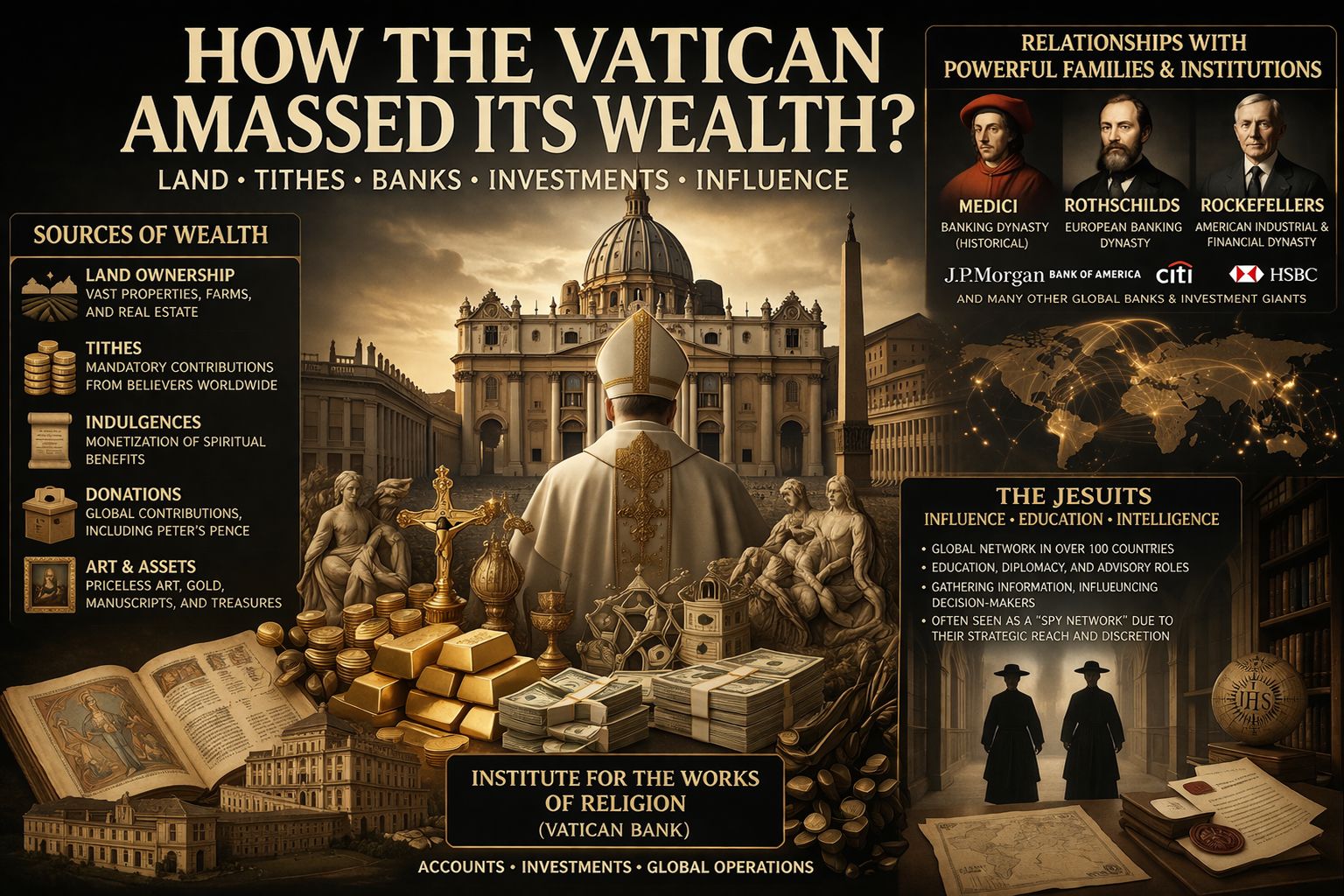
How the Vatican amassed its wealth and power
The Vatican appears as a purely spiritual institution. It presents itself as a moral authority, a religious center, and a guide for billions of believers. However, beneath this image lies a long history of material accumulation. Over centuries, the Church did not only shape belief. It built one of the most durable financial and asset-based…
-
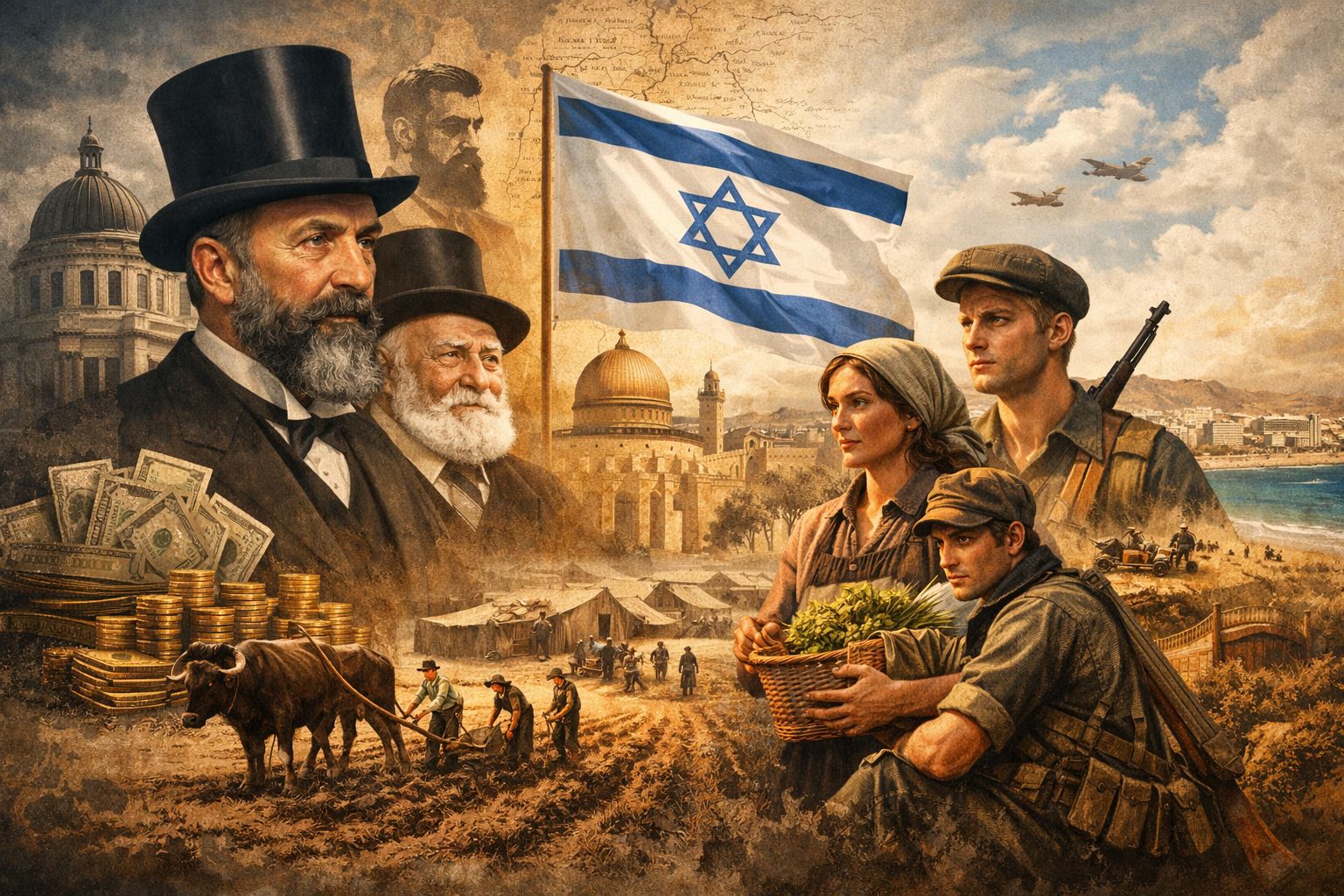
Who built Israel? The super-rich, people, and movements
The question invites a simple answer. Some say powerful families built Israel. Others say ordinary Jewish migrants did everything. Both views miss the structure of how states actually emerge. Israel did not come from one source. It emerged from a long interaction between ideas, money, migration, institutions, and conflict. To understand it, one must separate…
-
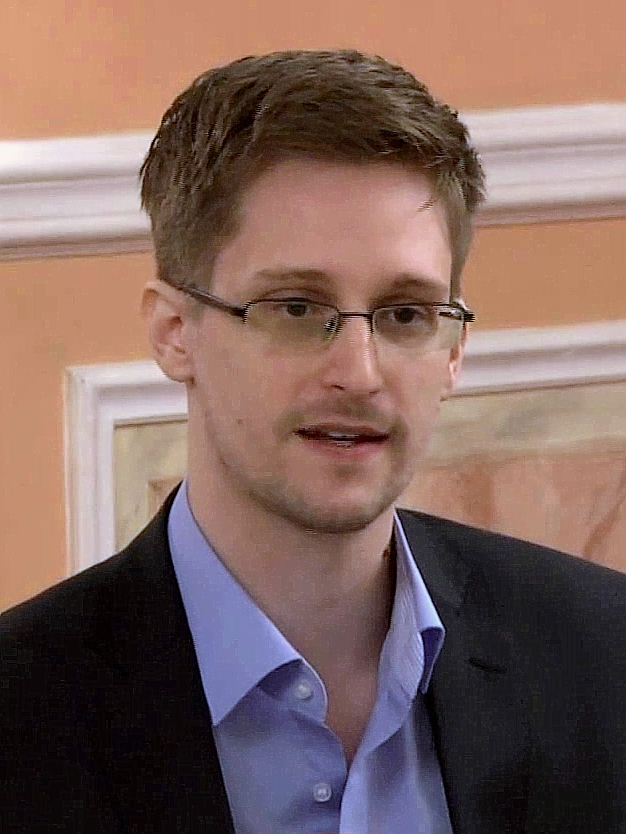
Edward Snowden: The state, law, and the super-rich
Edward Snowden moved from U.S. intelligence worker/contractor to the most consequential surveillance whistleblower of the digital era by copying classified materials and providing them to journalists in mid‑2013, triggering sustained publication about previously secret surveillance authorities and capabilities. A core factual outcome of the disclosures is that the public learned the government was operating (at…
-
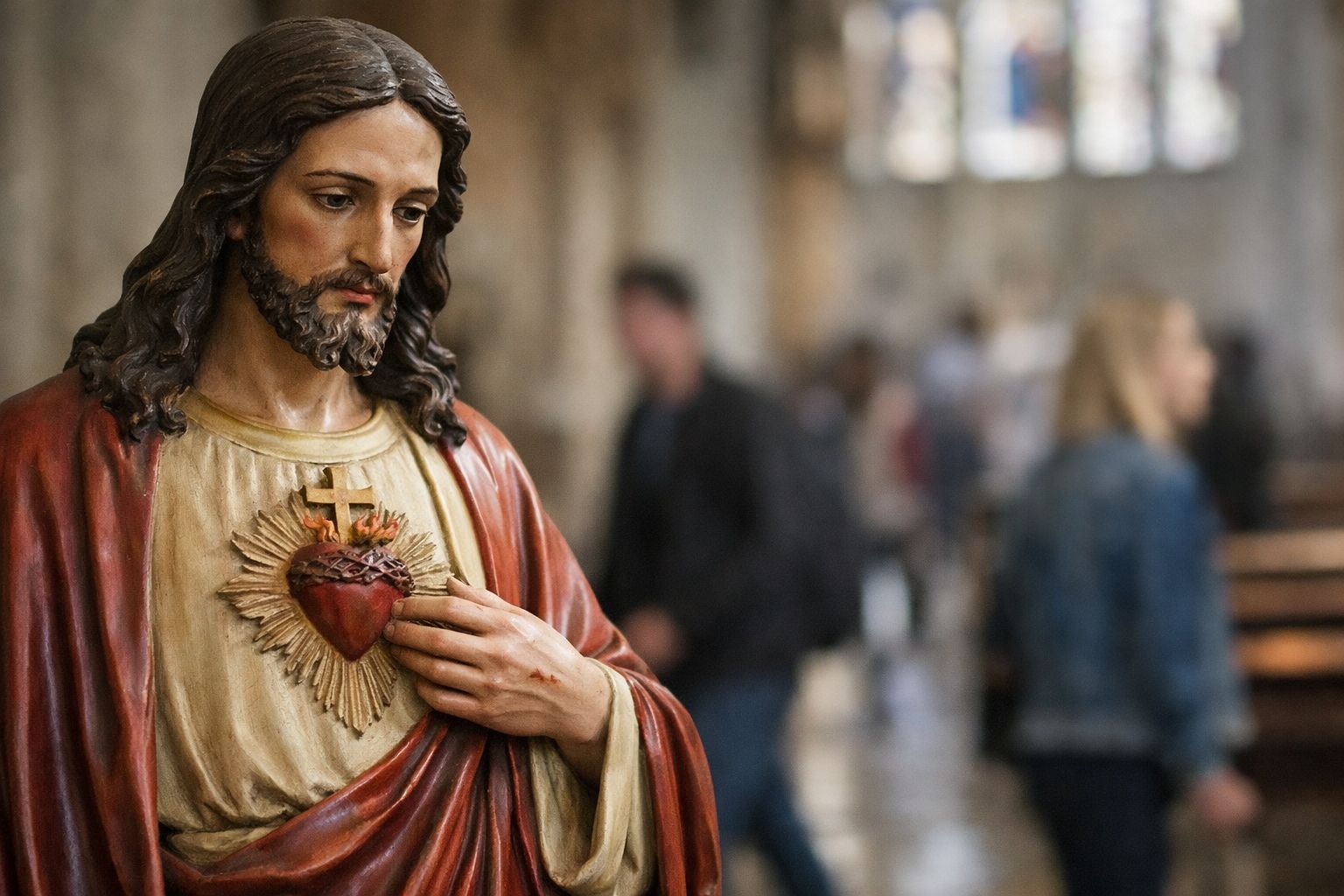
Christianity without Christ: What survives and what vanishes?
Christianity rests on a historical claim. A person existed. Events happened. Teachings emerged from that reality. At first glance, this seems similar to other belief systems. However, Christianity goes further. It ties salvation, morality, time, and identity to specific historical events; it does not say “this is wisdom.” It says “this happened.” Therefore, if the…
-
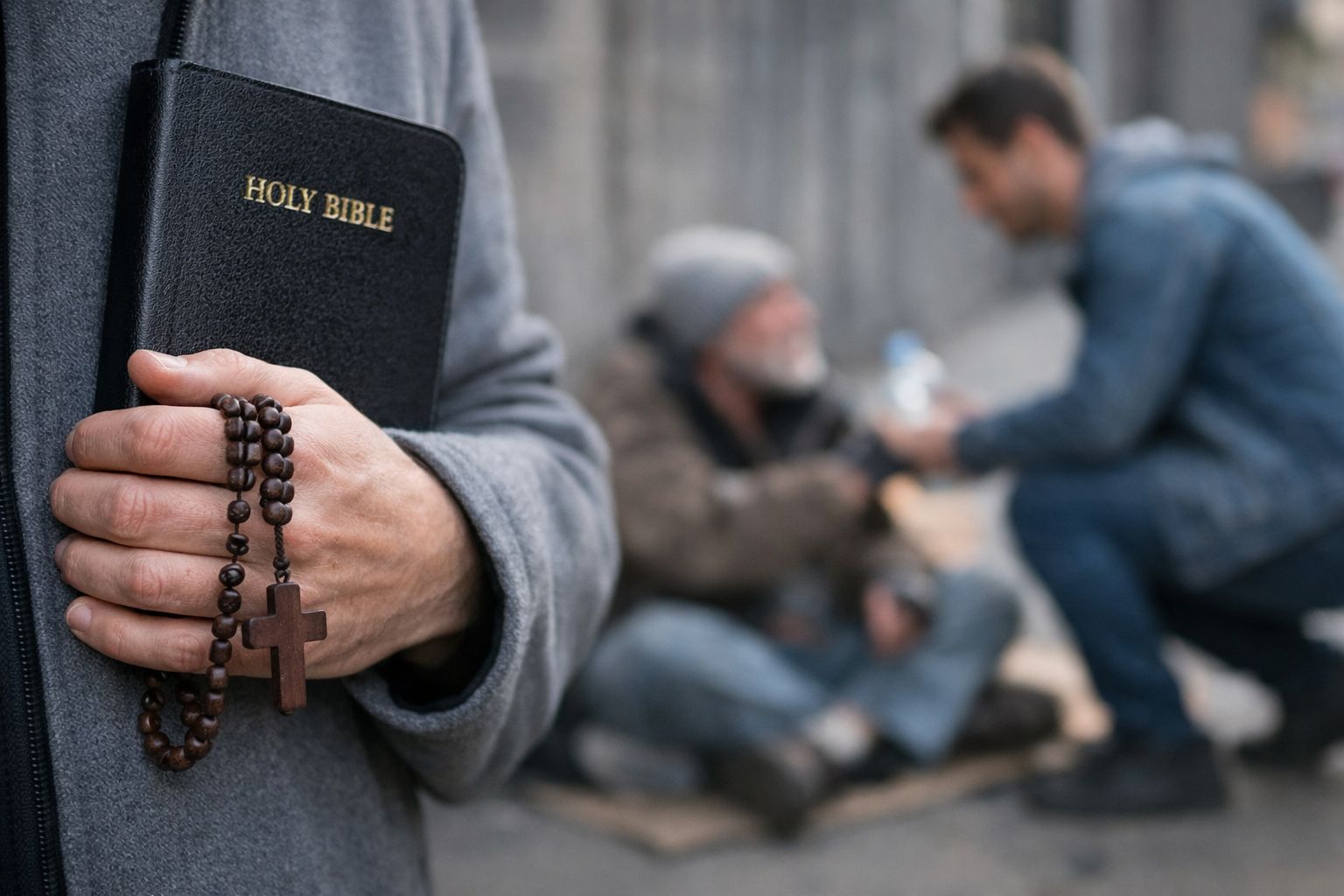
Does religion improve morality? From ancient tribes to today
People repeat a simple idea. Religion teaches morality. Therefore, religion makes people better. At first glance, this logic feels natural. Religions contain rules. They define good and evil. They promise punishment and reward. However, once we move beyond intuition and begin to examine history, biology, and empirical data, the simplicity collapses. Morality did not suddenly…